



Heated Socks & Rechargeable Electric Socks | Walmart





































About Heated Socks & Rechargeable Electric Socks | Walmart - Walmart.com
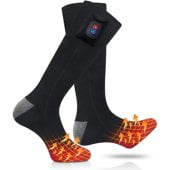
Heated socks help you keep your feet warm during cold commutes, trail days, and long hours outside. You can compare power source, heat settings, fabric, and care needs to choose a pair that fits your routine.
If you wear insulated boots, stand at outdoor events, or head out before sunrise, you may want steady warmth without bulky layers. You’ll also find options that suit skiing, hunting, workwear, and everyday winter use.
How to choose heated socks
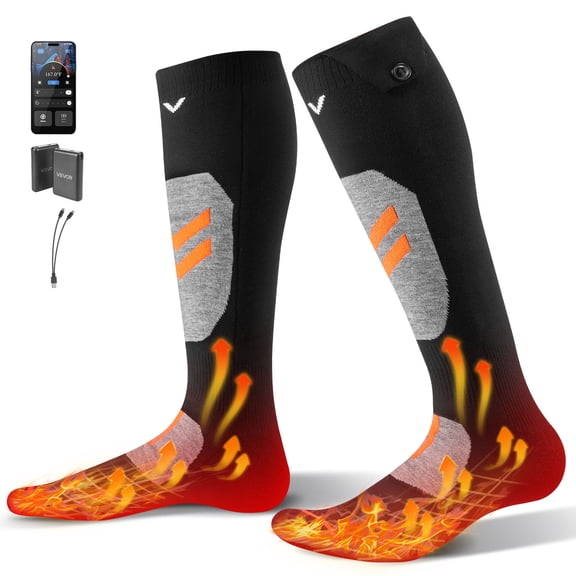
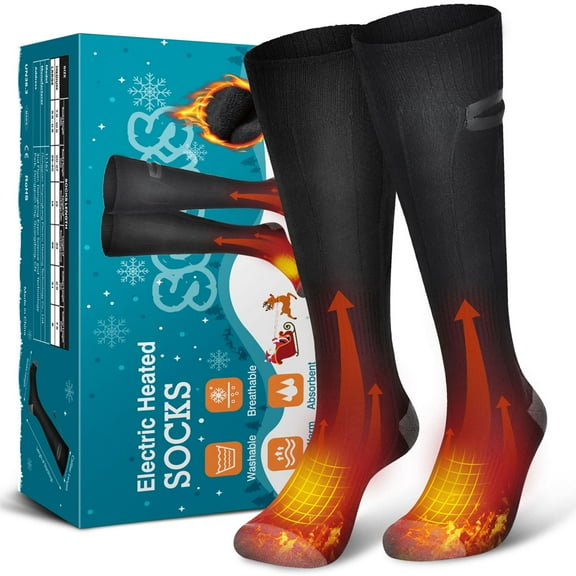
You should start with the power source because it shapes runtime, charging habits, and overall convenience. You can pick rechargeable battery, AA battery, or USB electric styles based on how and where you use them.
Rechargeable heated socks usually suit repeat use because you can plug them in after each outing. You may prefer AA battery styles if you want simple battery swaps during longer days away.
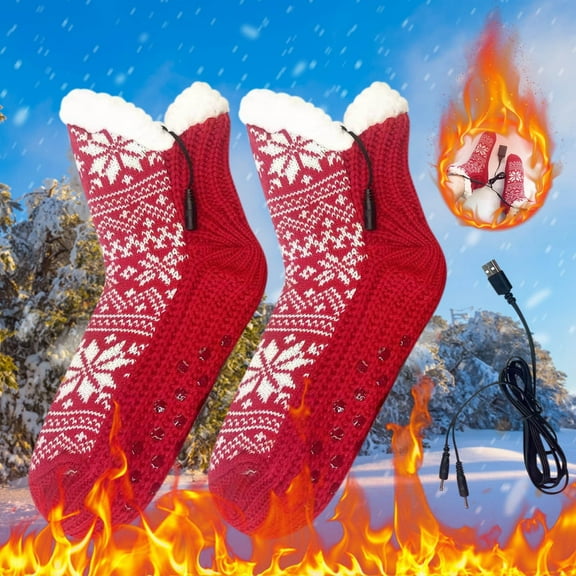
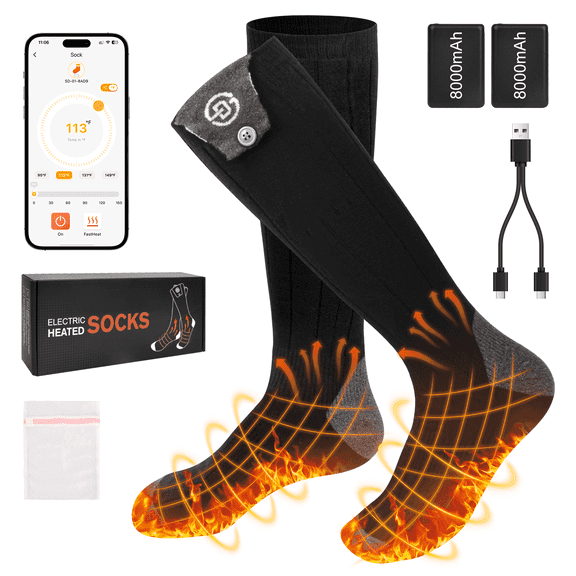
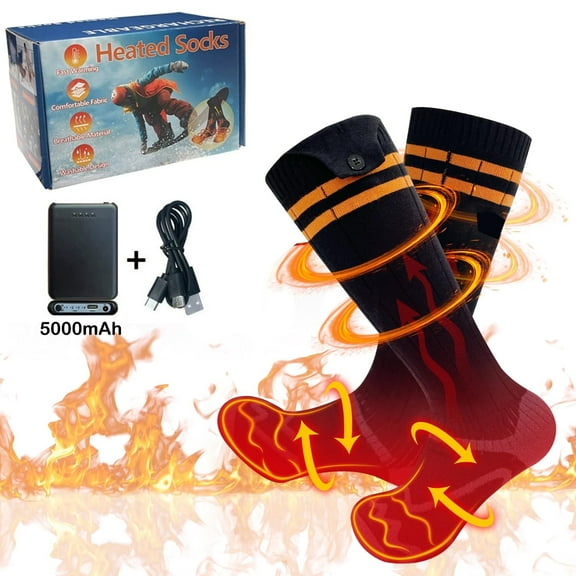
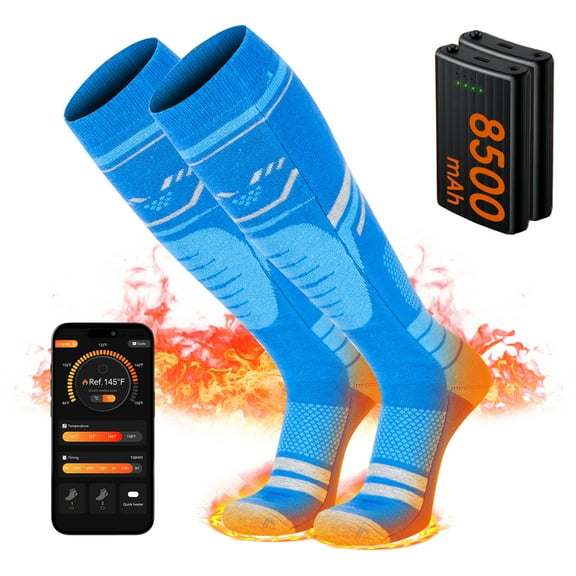
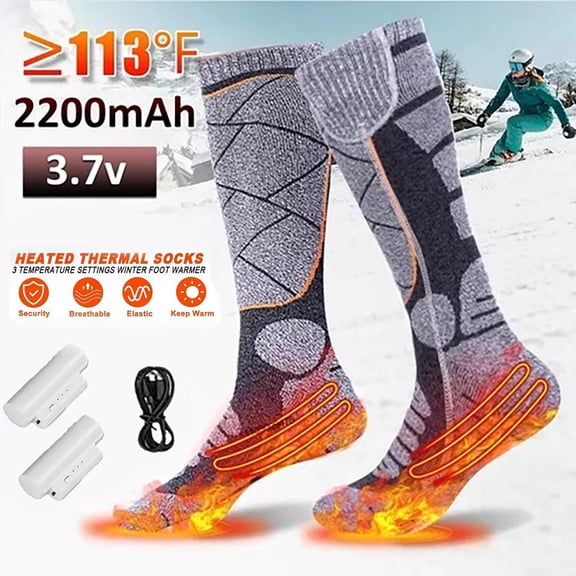
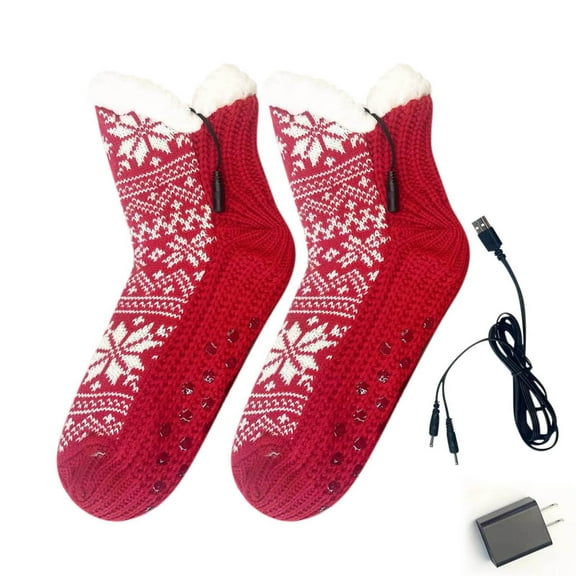
USB electric designs can work well when you want easy charging from common power banks or adapters. You should also compare battery capacity in mAh and voltage because those numbers affect how long your warmth may last.
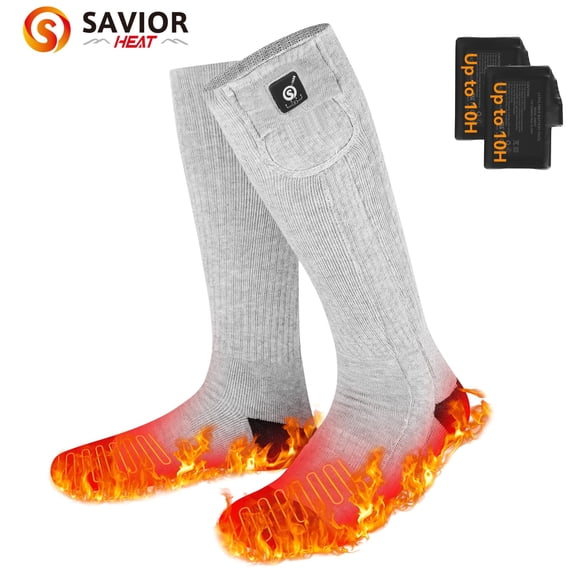
When you compare runtime, you’ll often see ranges like up to six hours or up to 10 hours. You should match that range to your commute, shift, hike, or game-day schedule.
Choosing heat settings and coverage
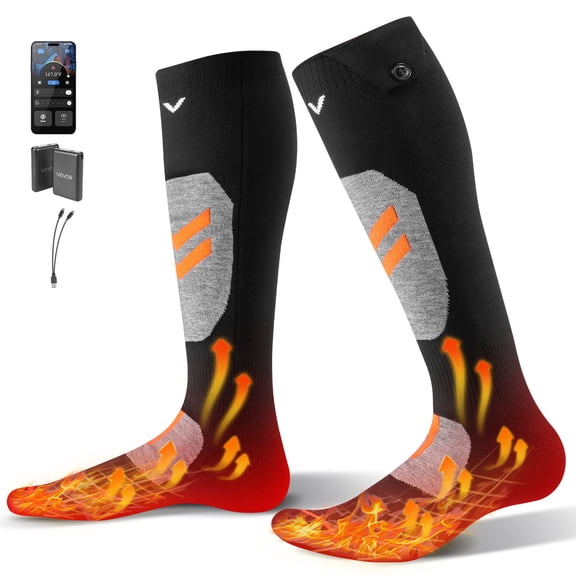
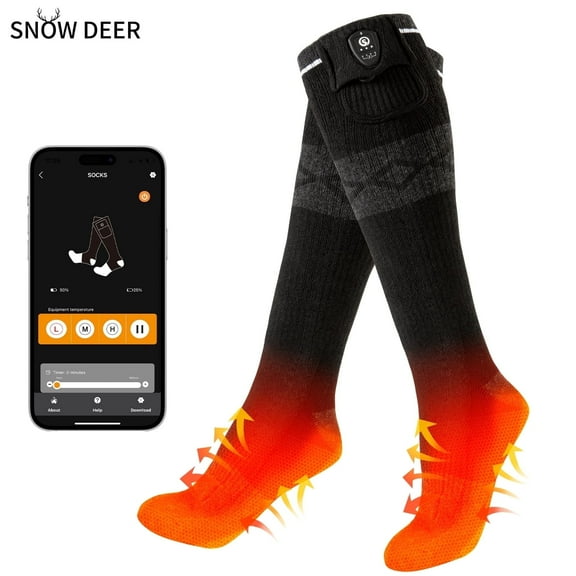
You’ll want to check whether your socks offer single setting, three-level temperature control, or app-controlled adjustment. You can fine-tune warmth more easily when your day shifts from freezing mornings to milder afternoons.
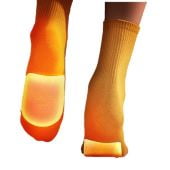
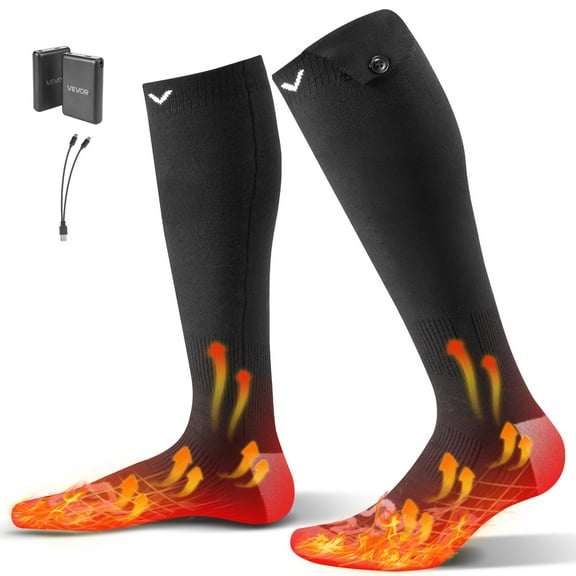
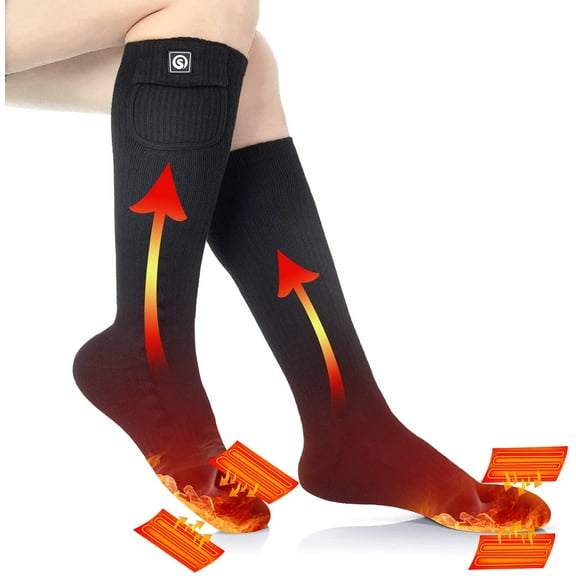
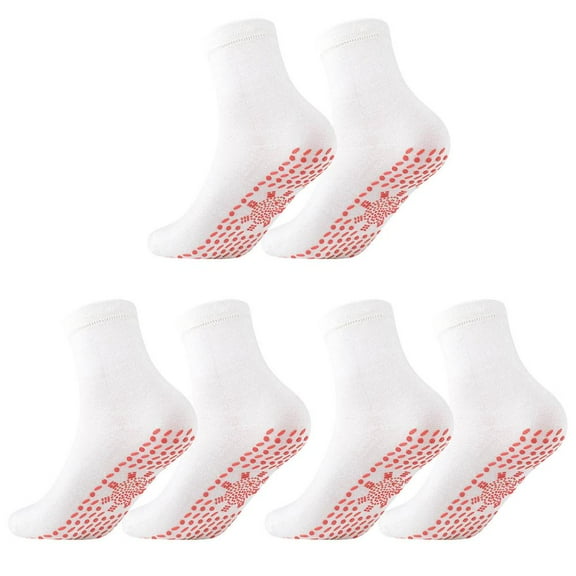
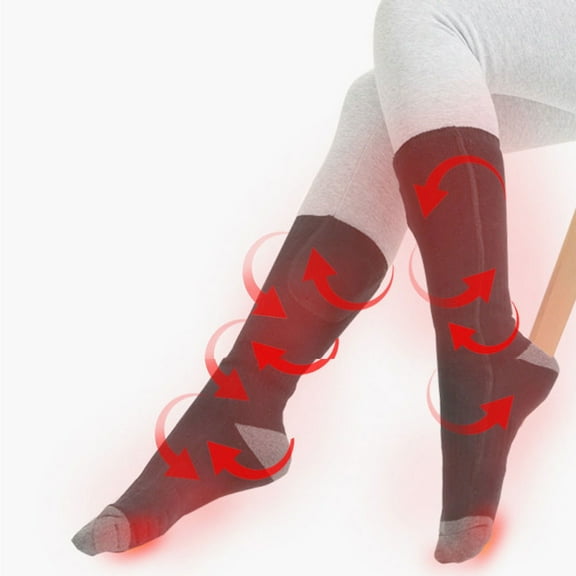
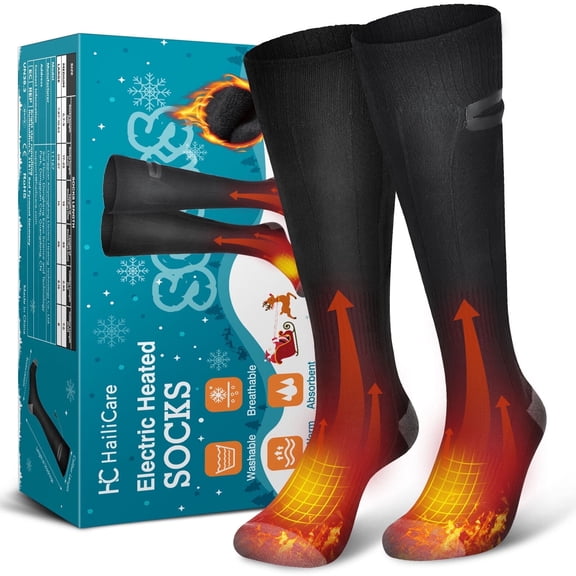
Some temperature control socks focus heat around the toes, while others warm more of the foot. You should think about where your feet usually feel coldest before you choose that heating pattern.
If you wear tight winter boots, you may prefer focused heat that avoids extra bulk around the full foot. If you spend hours sitting outdoors, you may want wider heat coverage for a more even feel.
- You can choose three-level controls when you want simple low, medium, and high options.
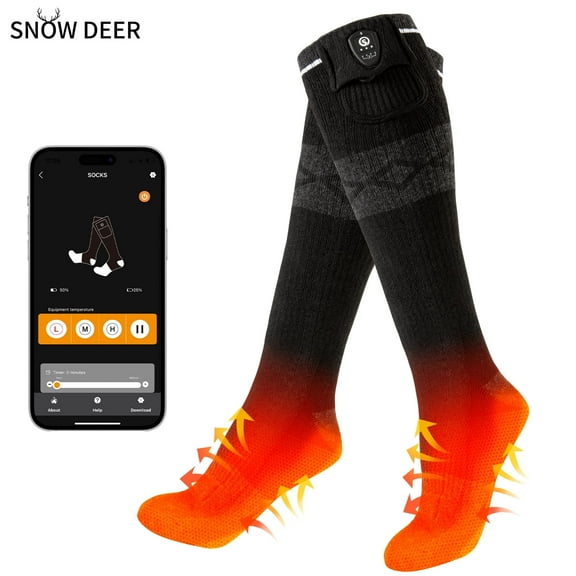
- You may like app-controlled pairs when you want quick adjustments without removing boots or gloves.
- You should check whether the heating area covers toes only or extends across the forefoot.
- You can compare listed runtime at each heat level so your settings match your planned use.
Comparing materials and fit for your footwear
You should look at fabric next because thickness changes how your socks feel inside everyday shoes or ski boots. You can also use fabric details to judge softness, warmth, and moisture handling.
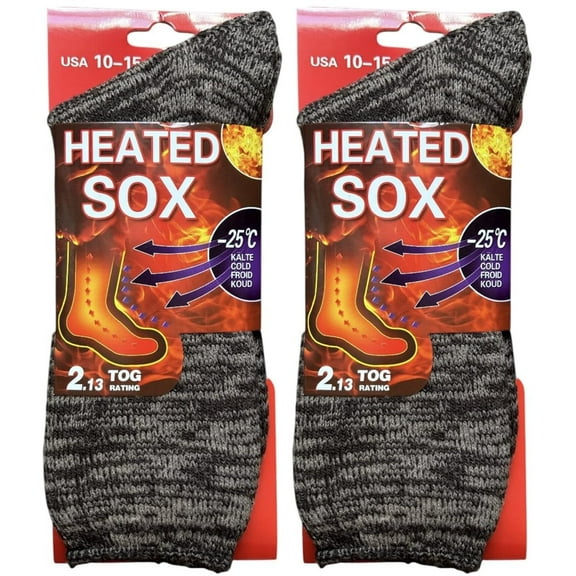
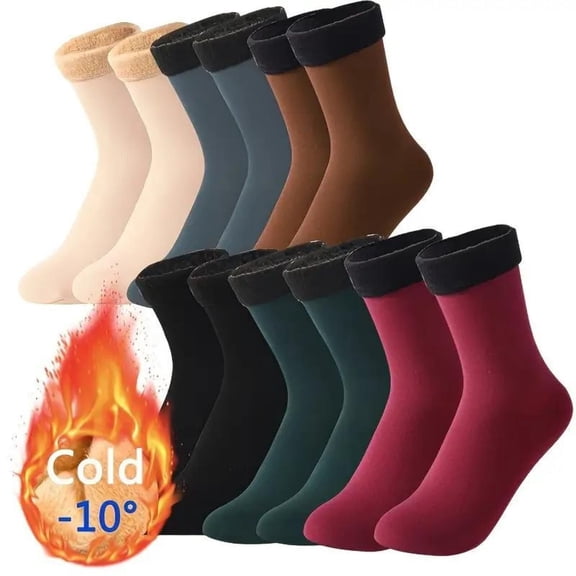
Merino wool styles can feel naturally warm and comfortable when you spend time outside in dry cold. You may want cotton blend pairs for familiar softness during casual wear and lighter winter errands.
Synthetic thermal fabrics can work well when you want a slim fit inside snug boots or performance footwear. You should compare thickness carefully because extra cushioning may change how your boots fit.
If you’re shopping heating pad socks for skiing or snowboarding, you’ll want enough warmth without crowding your boot shell. You should also check cuff height and stretch so your socks stay in place through active movement.
Target fit matters too, so you can compare mens, womens, and unisex sizing across the page. You may prefer a roomier calf, a closer ankle fit, or a more flexible unisex shape.
Battery life, washing, and daily care
You should compare battery life with your real schedule, not just the listed runtime. You may need all-day warmth for outdoor work, or you may only need short bursts for a cold commute.
Battery heated socks for women, men, and unisex shoppers often list runtime by heat level. You’ll usually get longer use on lower settings and shorter use on higher settings.
Washability can make a big difference if you wear your pair often through snow, slush, or long shifts. You should check whether your socks are machine washable or hand wash only before you choose.
If the battery pack removes easily, you’ll usually have a simpler care routine between wears. You should also look for clear charging instructions so your socks stay ready for the next outing.
You may want a pair with straightforward ports, secure battery pockets, and easy-to-follow care labels. You can keep your routine easier when charging and cleaning steps feel familiar from the start.
Matching heated socks to how you use them
You can narrow your choice faster when you match features to your cold-weather routine. You should think about where you’ll wear them, how long you’ll be out, and what footwear you already own.
If you commute, walk the dog, or watch outdoor sports, you may want rechargeable heated socks with three heat levels. You can adjust warmth as temperatures change without carrying extra batteries.
If you hunt, fish, or work outdoors for extended hours, you may want longer runtime and easy battery access. You should also consider full-foot warmth if you stay still for long stretches.
If you wear ski boots or snowboard boots, you may want a slimmer synthetic thermal or merino wool blend. You can keep a closer fit while still getting warmth where your feet need it.
If you’re choosing heated womens socks or electric socks women can wear with winter boots, you may want flexible sizing and lighter bulk. You should compare cuff stretch and fabric feel for day-long comfort.
For shared household use, you may prefer unisex pairs with simple controls and easy charging. You can keep winter gear more organized when operation and care feel straightforward for everyone.
You’ll feel more confident choosing heated socks when you compare runtime, heat coverage, fabric, and washability together. You can land on a pair that fits your boots, your schedule, and your cold-weather routine.