


Loop Bands & Loop Resistance Bands for Exercise | Walmart


























About Loop Bands & Loop Resistance Bands for Exercise | Walmart - Walmart.com
Loop bands give you a compact way to add resistance, stretching support, and workout variety at home, in the gym, or during travel. You can compare resistance levels, materials, and band sizes to match leg work, yoga flows, ab training, and mobility sessions.
How to choose loop bands
You should start with the resistance level that matches your current strength and your exercise goals. You can use light tension for warmups and mobility, while heavier tension fits slower, more demanding reps.
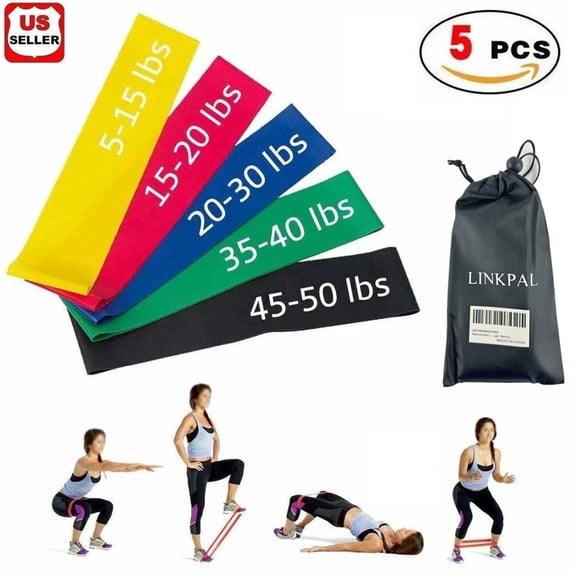
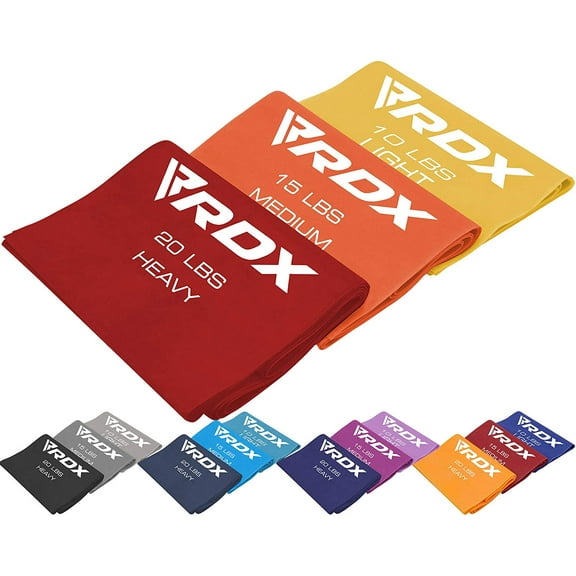
When you compare tension weight in pounds or kilograms, you get a clearer sense of how much pull you'll feel. You can move up gradually when your squats, glute bridges, or lateral walks start to feel easier.
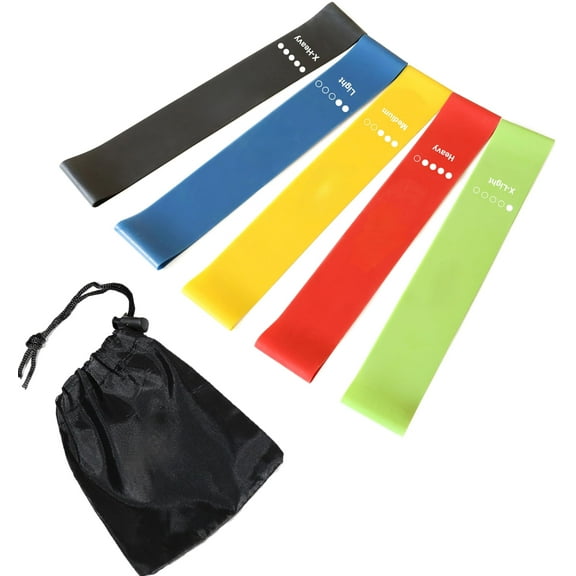
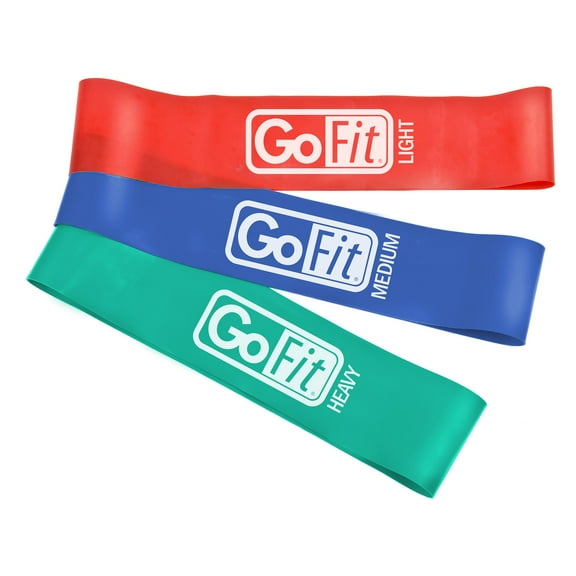
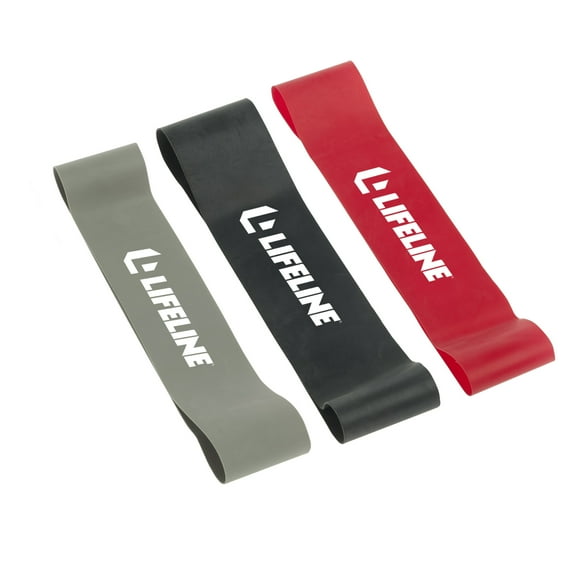
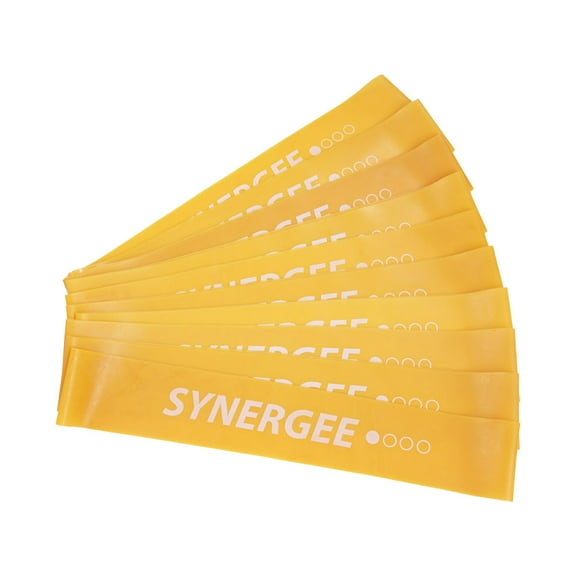
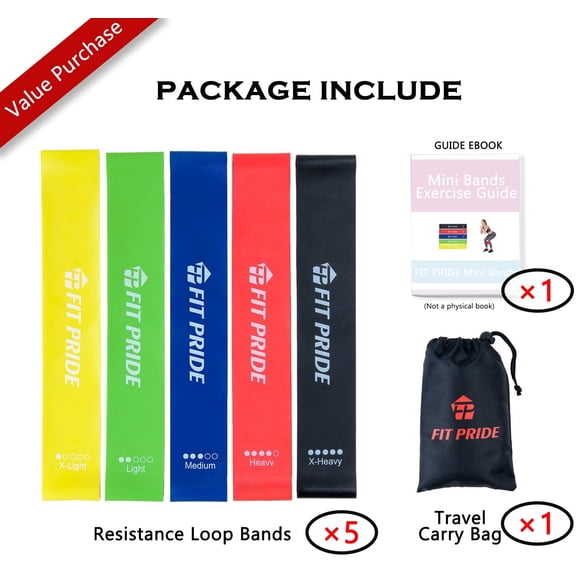
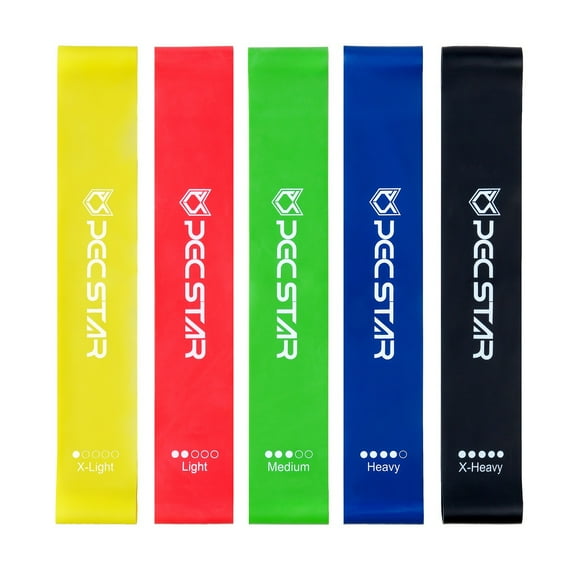
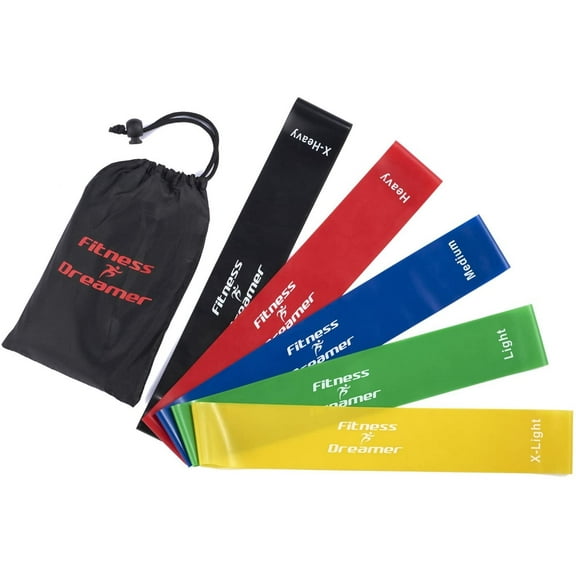
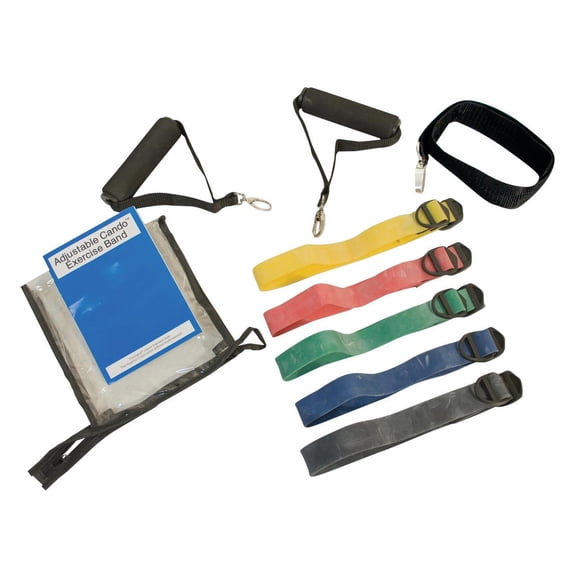
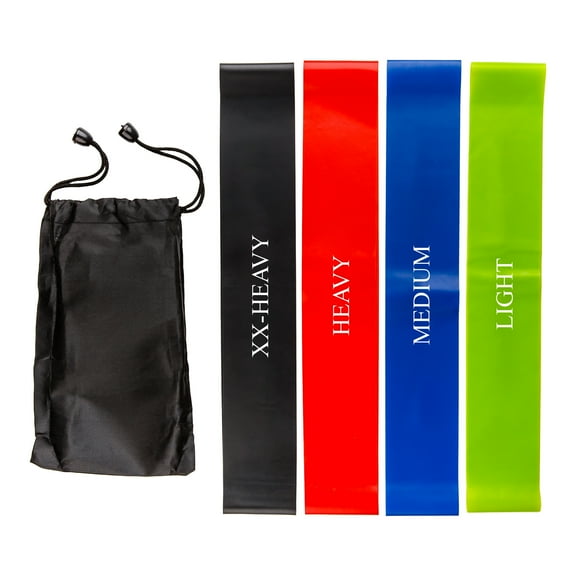
You may also want to check whether a set includes several levels from light through extra heavy. You get more progression options when your workouts change from activation drills to lower body strength work.
Choosing loop resistance bands for legs
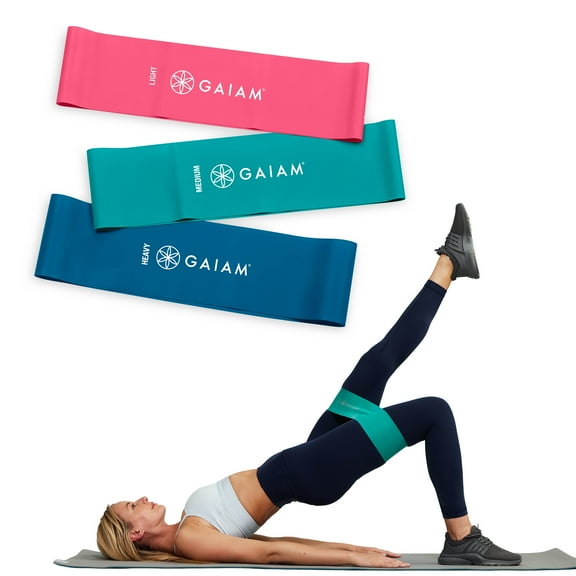
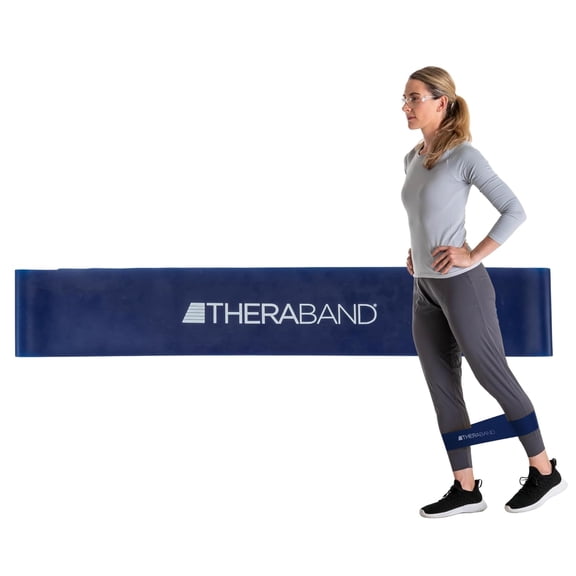
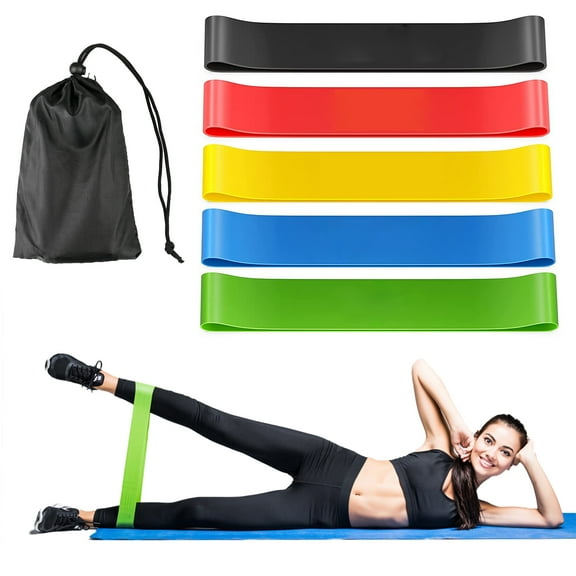
You can use loop resistance bands for legs when you want added challenge during glute bridges, side steps, kickbacks, and squat variations. You often get targeted lower body engagement without needing bulky equipment or a large workout area.
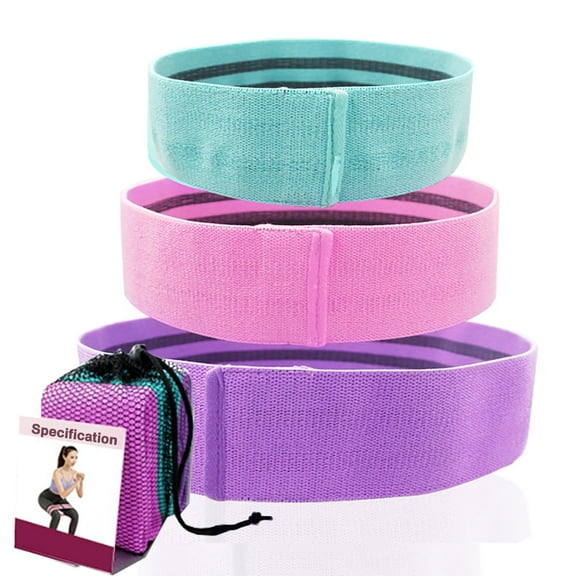
For leg-focused training, you should compare resistance level with band width and material feel. You may prefer fabric for reduced rolling during lateral movement, while latex can feel lighter and easier to pack.
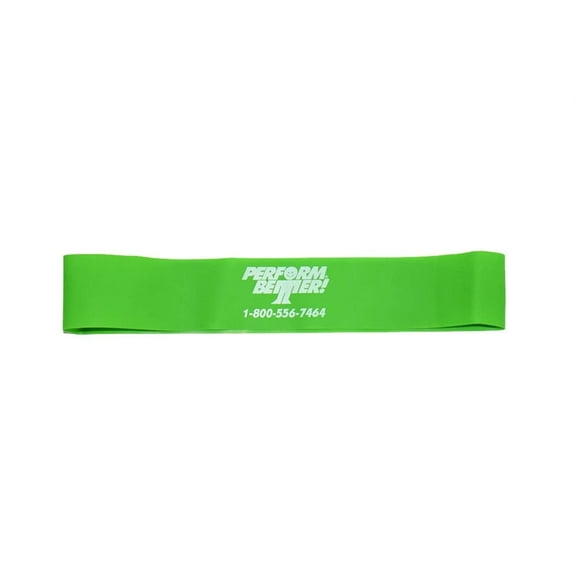
You can also check band size before you plan lower body circuits. Mini-loop styles usually fit around thighs, calves, or ankles, while long-loop options support a wider range of standing drills.
- You can build lower body routines with light, medium, heavy, and extra heavy tension choices.
- You can choose fabric or latex based on comfort, grip, and how compact you need your gear to be.
- You can use mini-loop styles for glute activation and long-loop styles for broader movement patterns.
- You can rotate bands through warmups, strength sessions, and recovery-day mobility work.
What to look for in a stretch loop band
You should compare material first because it changes how your stretch loop band feels during repeated movement. You may notice latex offers a smooth, flexible feel, while fabric can provide a softer touch against your skin.
If you want less slipping during side steps or hip work, you may lean toward textured fabric construction. If you want a thinner band for easy storage, you may prefer elastic rubber or latex options.
You can also look at seam strength, layered construction, and overall thickness when durability matters. You want a band that holds its shape through repeated stretches, pulses, and controlled resistance work.
Choosing a loop band for exercise and daily training
You can use a loop band for exercise in short activation sessions, full strength workouts, or quick movement breaks between tasks. You get a simple tool that fits bodyweight training without requiring racks, plates, or complex setup.
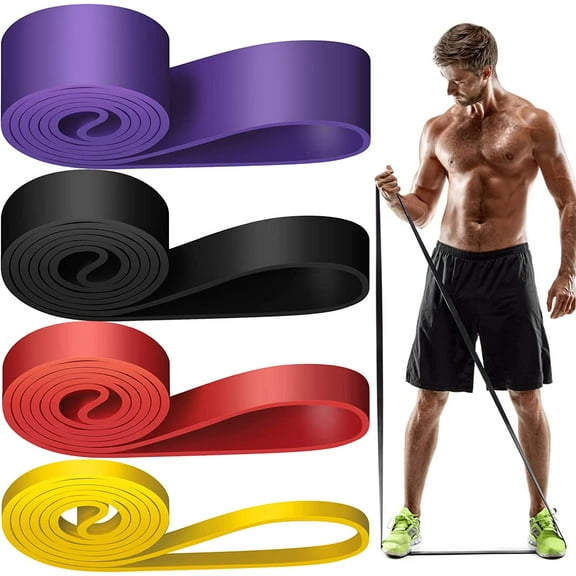
For general exercise, you should compare mini-loop and long-loop formats before you buy. You may find mini-loop bands work well for glutes and thighs, while long-loop styles suit rows, assisted stretches, and full-body drills.
You can keep your training varied by switching tension levels across movements in the same session. You might use light resistance for shoulder warmups, medium for core work, and heavy tension for lower body sets.
You may also see flex loop bands in sets designed for portability and progression. You can keep several bands in a drawer, gym bag, or suitcase without giving up useful exercise variety.
How a yoga loop band fits stretching and mobility
You can use a yoga loop band to add gentle support during stretching, balance work, and controlled mobility practice. You get extra assistance when you want more reach in hamstring stretches, hip openers, or shoulder-focused movements.
For yoga and flexibility sessions, you should check whether you want a mini-loop or a long-loop shape. You may prefer long-loop styles when you need more reach around feet, legs, or hands during floor and standing poses.
You can also pair a yoga loop band with slower bodyweight work when you want steadier tension. You may find that measured resistance helps you stay focused on form, range, and control.
Matching loop bands to abs, travel, and home workouts
You can use loop bands for more than leg days when you want a compact training option. You may work an ab resistance band into dead bugs, standing core rotations, and controlled mat exercises.
At home, you can build quick circuits without taking over your room or closet space. During travel, you can pack a few bands easily and keep your routine consistent in smaller spaces.
You should also consider how often you'll use your bands before choosing a material and resistance range. You get more day-to-day flexibility when your set covers stretching, yoga, core training, and lower body work.
With the right tension, material, and size, you can make your workouts more adaptable and easier to repeat. You gain a compact training tool that supports progression, portability, and steady resistance across many routines.