



Matches for Camping, Fire Starting & Matchstick Boxes






















About Matches for Camping, Fire Starting & Matchstick Boxes - Walmart.com
When you need matches for camping, home tasks, or emergency kits, you can compare strike type, weather resistance, packaging, and length. You’ll find options that fit a backyard fire pit, a kitchen drawer, or a packed gear bin.
If you’re choosing this category, you likely want a quick flame source that stores easily and works in the right setting. You can narrow your choice faster when you match the format to your use case instead of guessing.
How to choose matches for your use case
You should start with where and how you’ll use them most often. Your household needs may differ from your camping setup, and your emergency kit may call for a different format.
For household use, you may prefer a matchstick box or multipack that stays organized in a drawer or utility shelf. You can keep several boxes together when you light candles, fireplaces, or stovetops regularly.
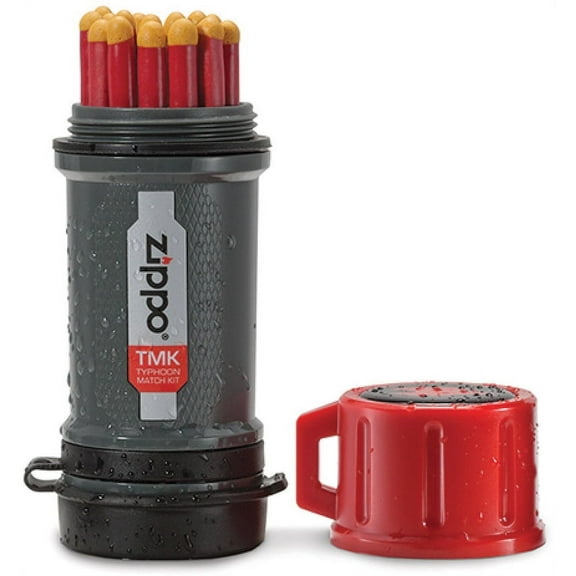
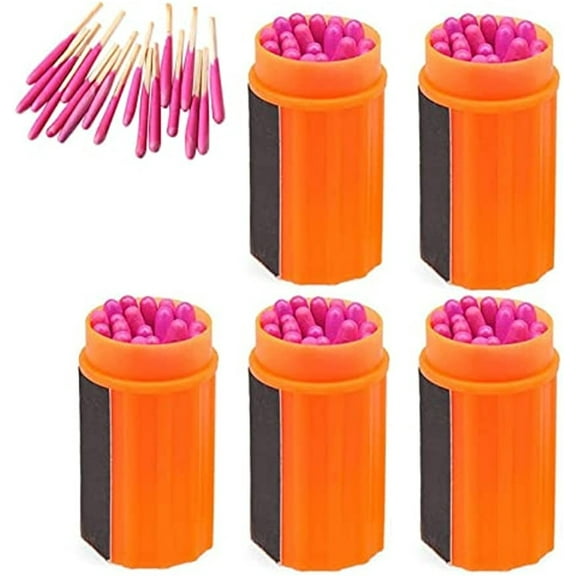
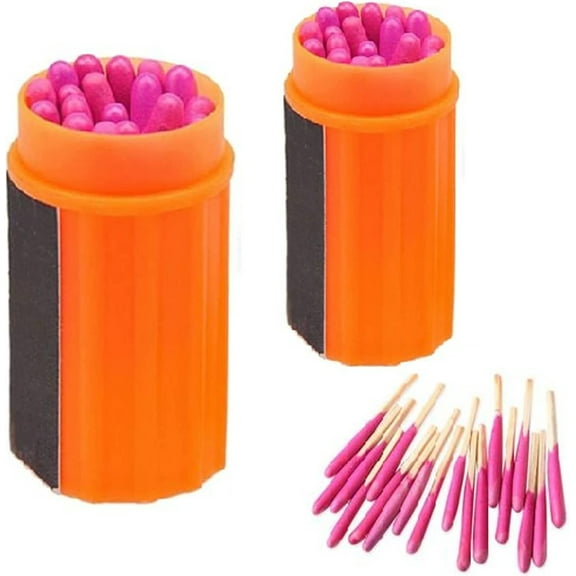
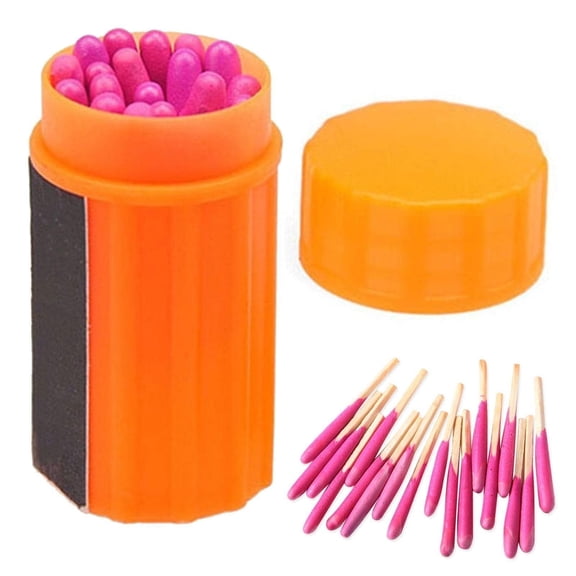
For camping or survival use, you may want outdoor matches in a travel-ready pack or canister. You can focus on weather resistance and secure packaging when your gear rides in a backpack or glove box.
For emergency preparedness, you may look for sealed storage and dependable ignition after long storage periods. You can pair compact packs with other fire starters in a home, car, or storm kit.
Key benefits you can compare
You’ll notice that the right match type helps you handle specific tasks with less trial and error. Your choice can support cleaner packing, easier lighting, and more confidence during outdoor use.
- You can choose waterproof or wind-resistant options when your camping setup faces damp air or breezy conditions.
- You can pick longer matches when your fireplace, grill, or lantern calls for more reach and steadier hand placement.
- You can select bulk boxes when your household uses matches often for candles, incense, pilot lights, or utility tasks.
- You can carry canisters or compact packs when your gear needs to stay organized during travel and storage.
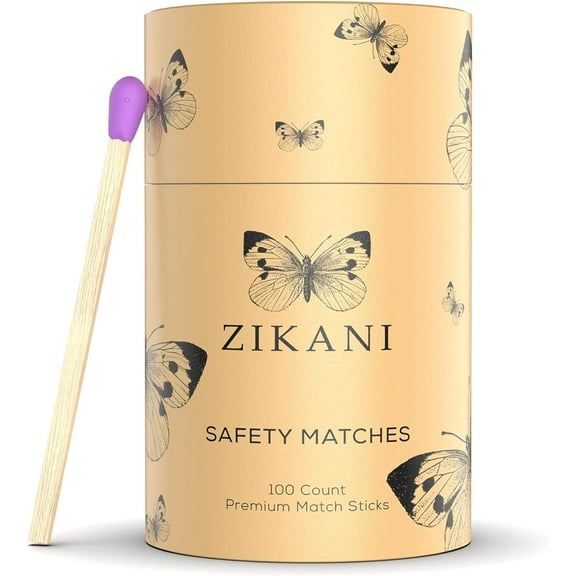
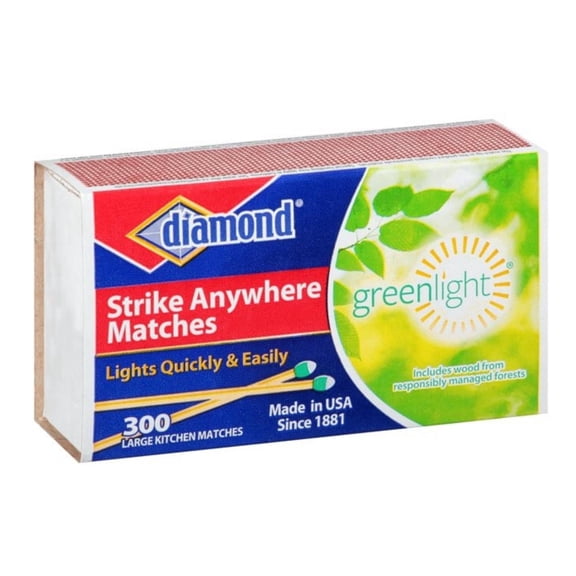
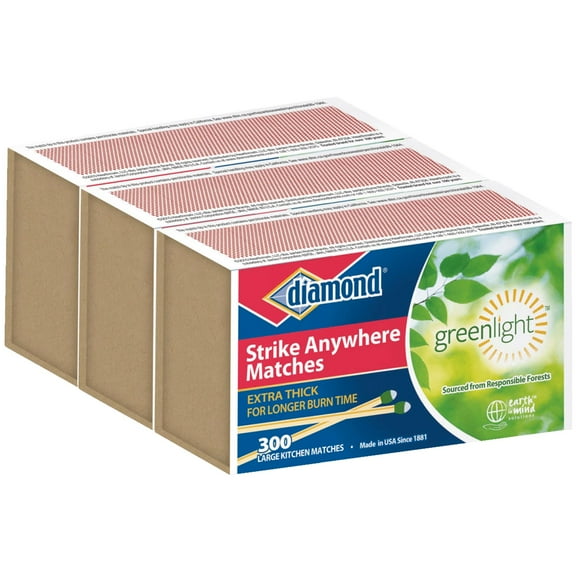
You may also benefit from matching the strike style to your routine. Your safety matches usually rely on a prepared striking surface, while your strike-anywhere styles offer more flexibility in the field.
When you compare these details first, you can avoid buying a format that doesn’t suit your space. You’ll get a more practical fit for home storage, camp cooking, or backup supplies.
Comparing fire matches and strike types
You should check whether you want safety matches or strike-anywhere matches before anything else. Your safety matches typically light on the box, while your strike-anywhere styles are made for broader striking options.
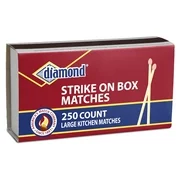
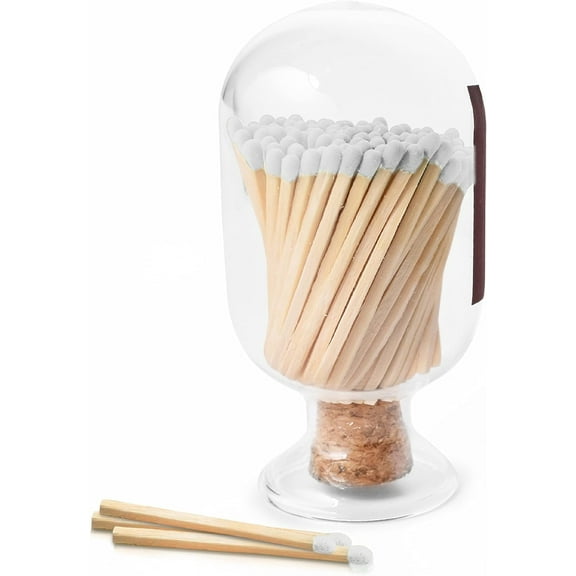
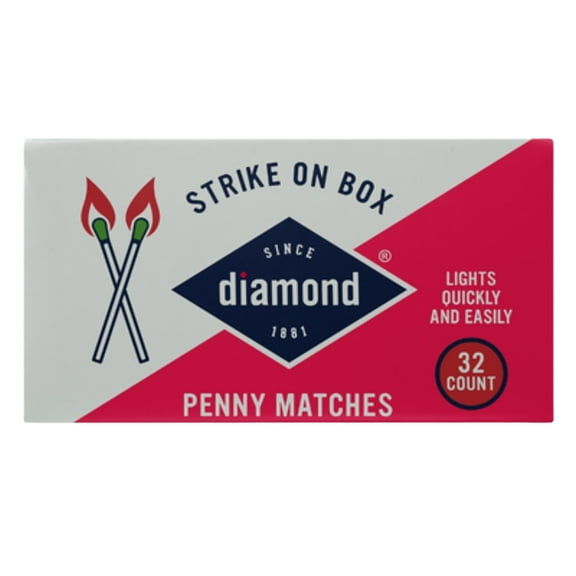
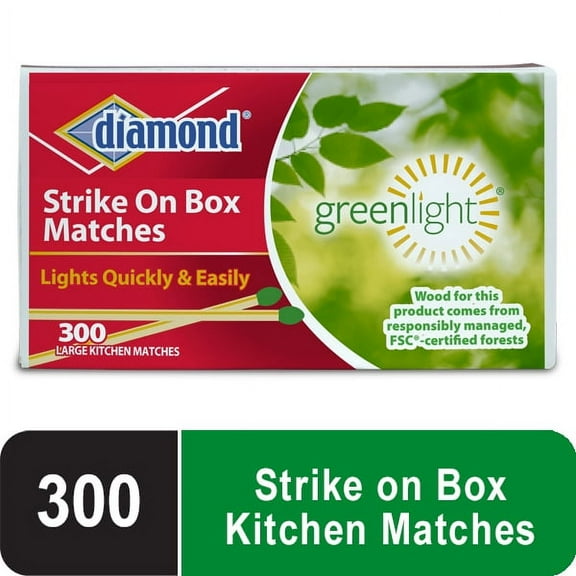
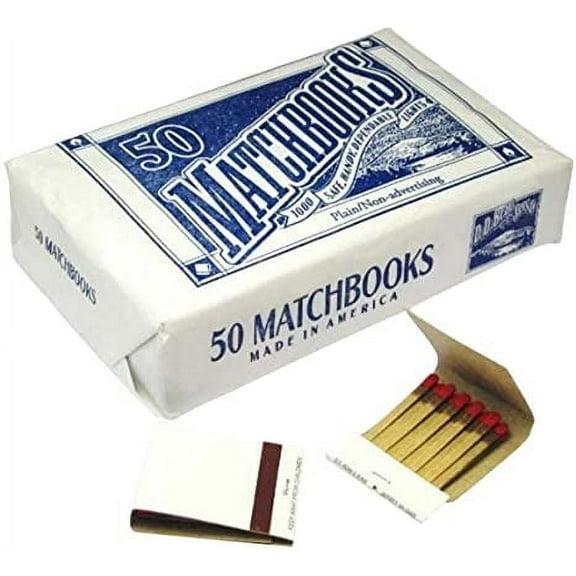
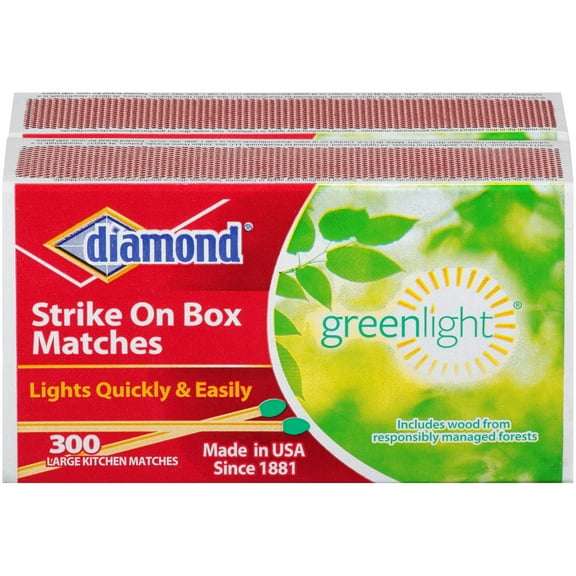
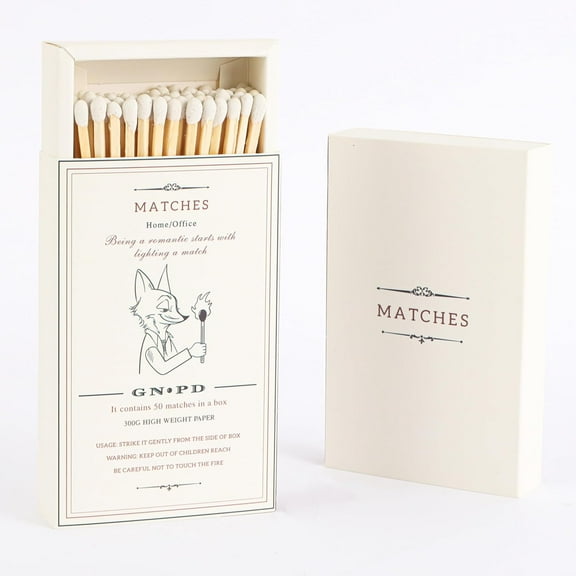
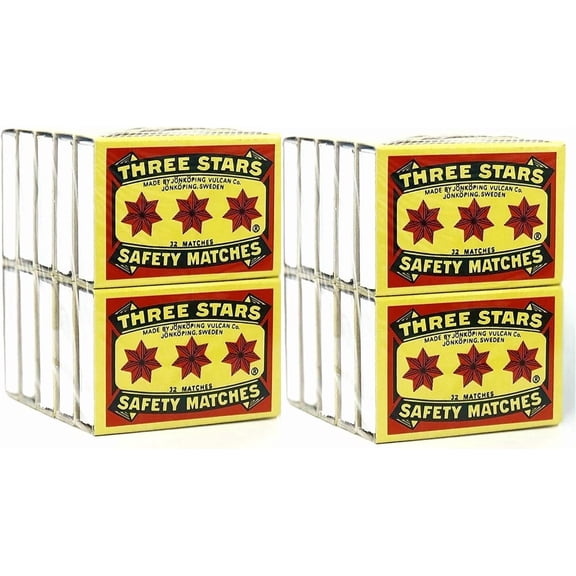
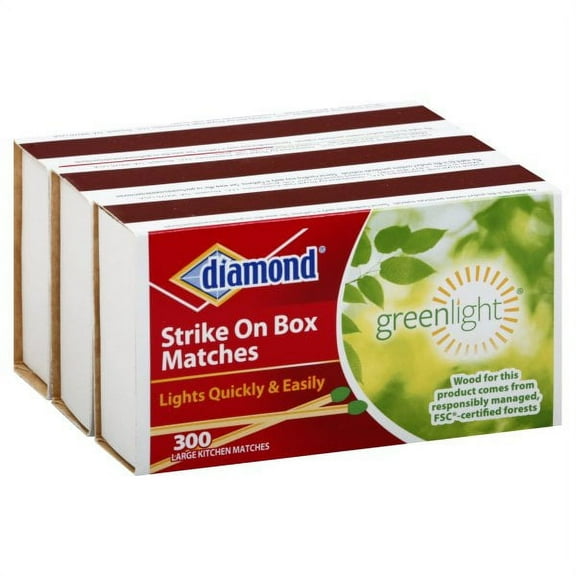
If you want a familiar household format, you may lean toward a matchstick box with a side striker. You can keep that style near candles, fireplaces, and routine utility spots around your home.
If you’re building a camp kit, you may compare fire matches and fire starting matches with weather-focused construction. You can look for waterproof coating and windproof burn time, because those details matter outdoors.
Waterproof coating means you’re comparing options designed to handle damp conditions during travel or storage. Windproof burn time means you’re looking for a flame that stays lit longer in breezy settings.
You should also consider the surface where you’ll use them. Your strike-on-box format works well in stable spaces, while your outdoor setup may benefit from a travel-ready style with protected storage.
Choosing packaging and quantity
You can use packaging to decide whether a product belongs in your pantry, pack, or emergency tote. Your quantity needs often shape the right choice just as much as the match type.
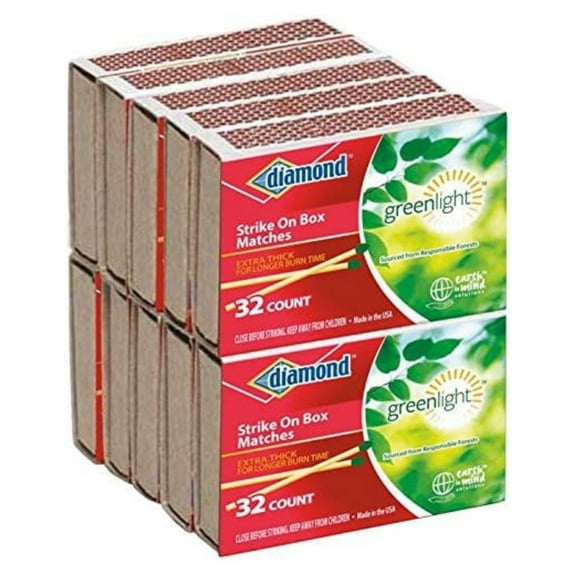
If you use matches often at home, you may prefer box or bulk packs that are easy to stack and sort. You can keep extra boxes on hand for candles, fireplaces, and utility needs.
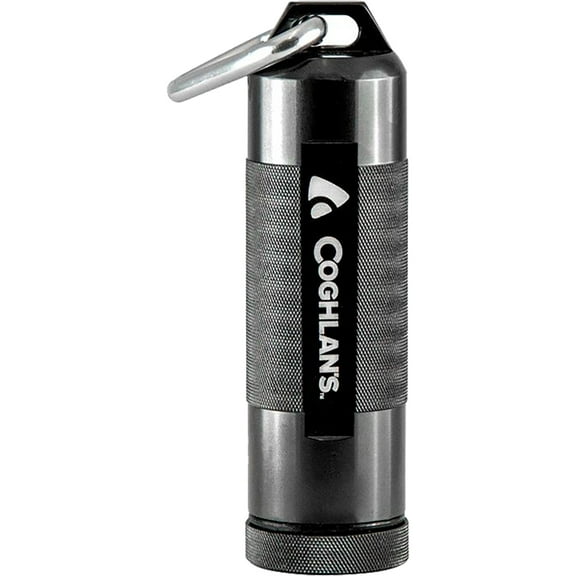
If you travel with your supplies, you may want a canister or sealed pack that resists moisture and jostling. You can store that format in a backpack, tackle box, or vehicle compartment more easily.
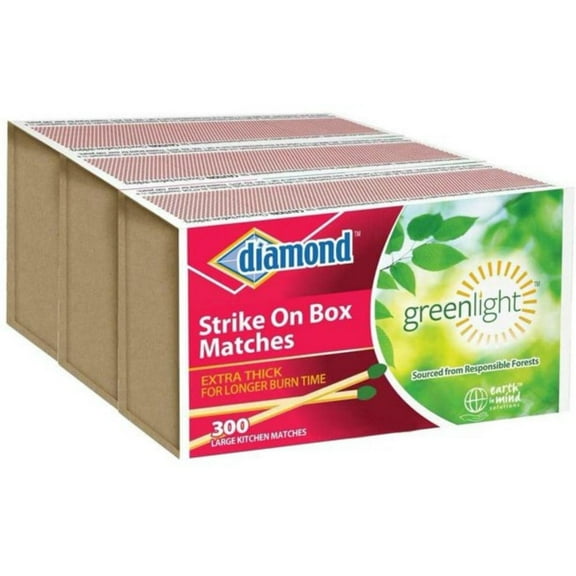
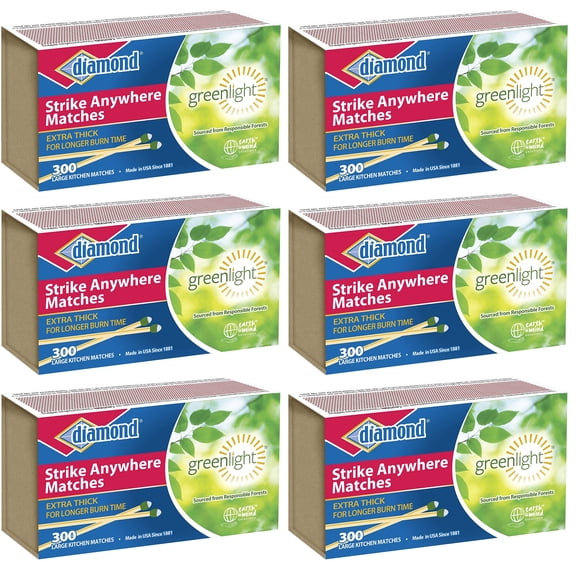
When you compare a single matchstick box with larger multipacks, you’re really comparing frequency of use and storage space. You can choose smaller packs for occasional tasks or bulk formats for steady household use.
Checking match length for fireplaces, grills, and camp setups
You should measure how much reach you need before you choose standard or extra-long options. Your hand position matters when you’re lighting a grill, lantern, fireplace, or deep candle jar.
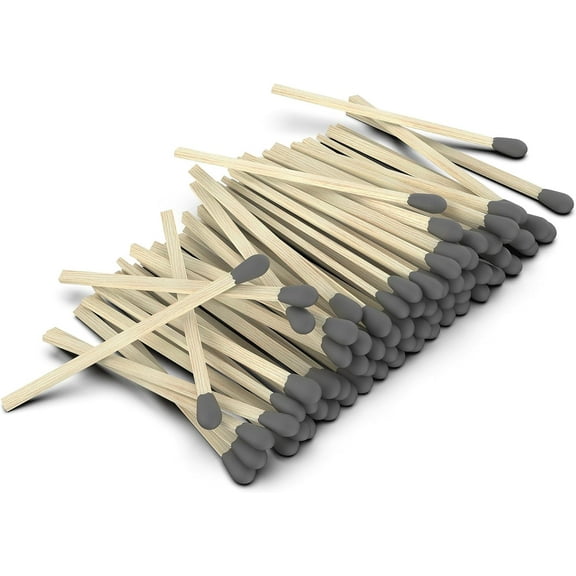
Standard lengths can work well for basic household tasks and compact storage. You can slip them into drawers, kitchen caddies, or small emergency kits without taking much room.
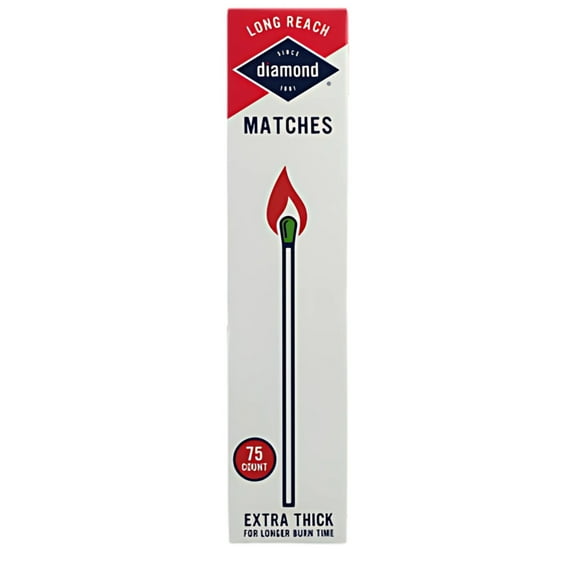
Long reach and extra long matches can make fireplace and grill lighting more practical. You get more distance between your hand and the flame, which helps with deeper fireboxes and tall candle holders.
If you’re packing matches for camping, you may balance length with portability. Your smaller pack may fit tighter spaces, while your longer match may suit base camp cooking or lantern lighting.
Using camping matches in real situations
You can choose camping matches for tent-site cooking, lantern lighting, or starting kindling at a campsite. Your outdoor setup may need weather-ready storage if your gear faces dew, drizzle, or changing wind.
For a household backup kit, you may combine boxed matches with longer styles for fireplaces and grills. You can cover everyday tasks and occasional utility use without mixing in unnecessary formats.
For a survival or emergency preparedness bag, you may focus on compact packaging and outdoor matches that travel well. You can compare waterproof options, canisters, and protected strikers before you pack them away.
When you choose the right combination of type, quantity, and length, you’ll get a category fit that makes sense. Your matches can stay easier to store, easier to carry, and easier to use when the moment calls for a flame.