

Micro-Cut Shredders in Paper Shredders
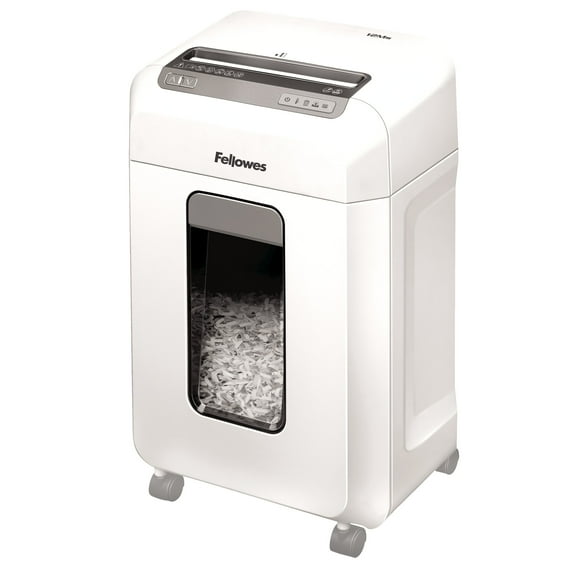


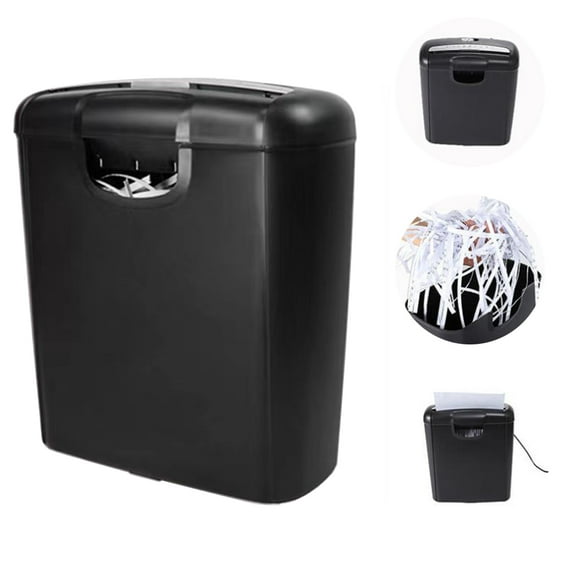
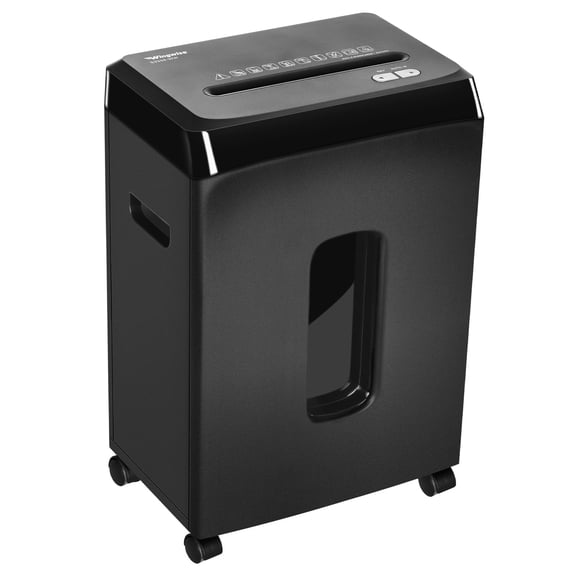
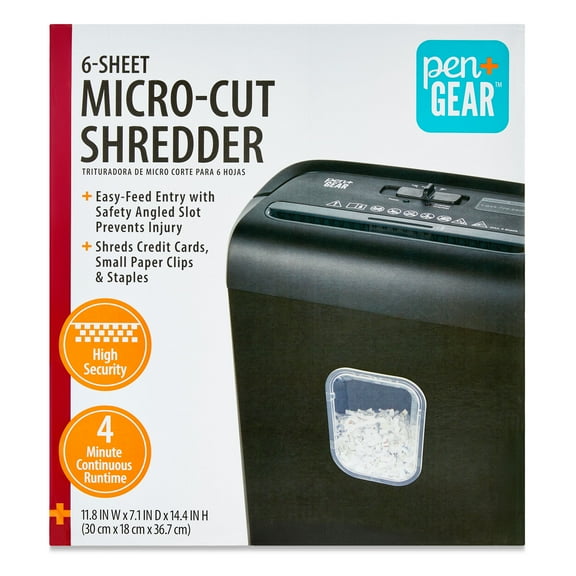










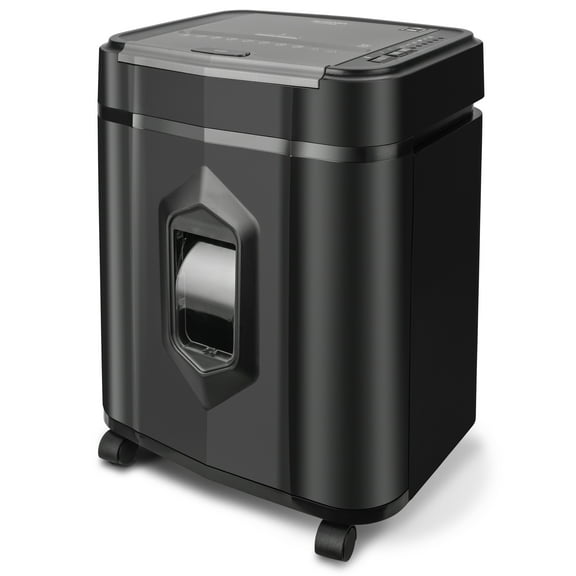


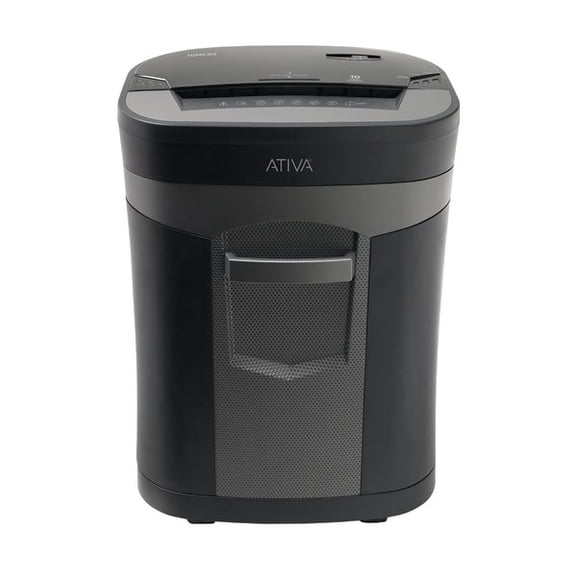
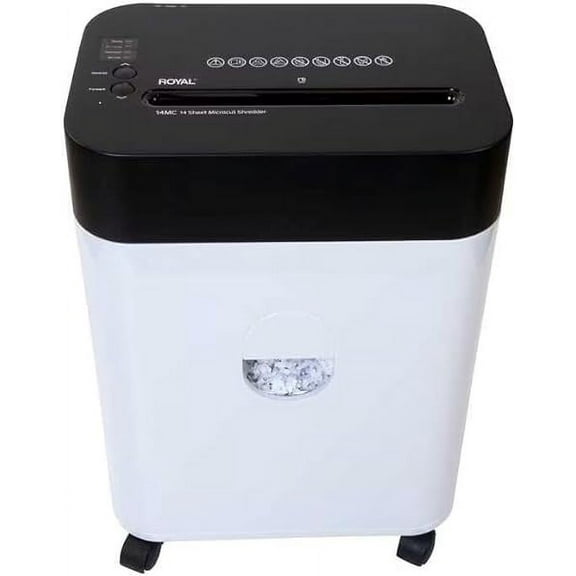
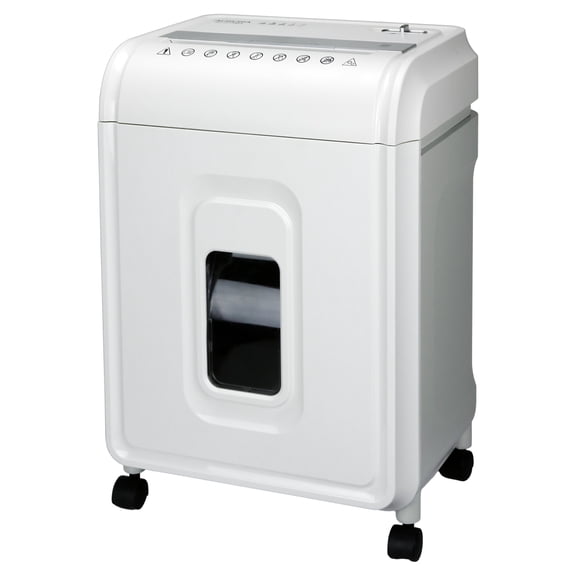


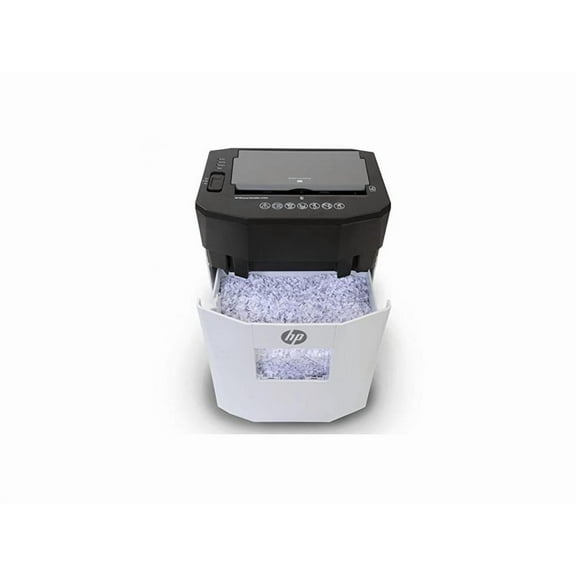
About Micro-Cut Shredders in Paper Shredders - Walmart.com
Find shredder shredders in this micro-cut category for your home office, compact workspace, and daily document cleanup. This page focuses on tiny particle output, practical capacity choices, and home-friendly sizes. It also helps you compare cut style, noise level, and bin space with clear buying guidance.
Choosing shredder shredders by security cut type
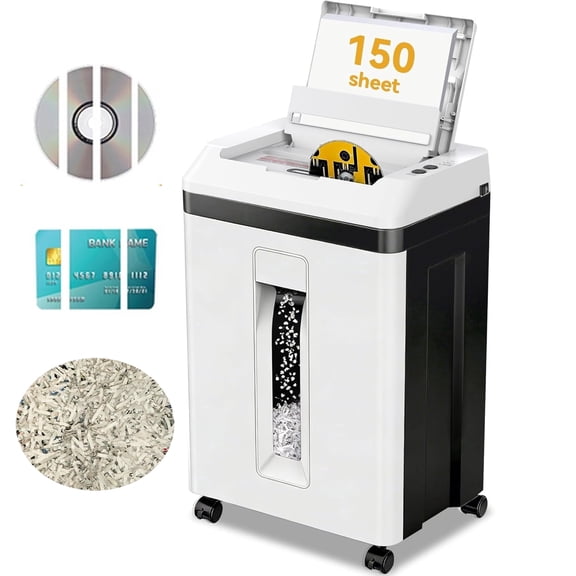
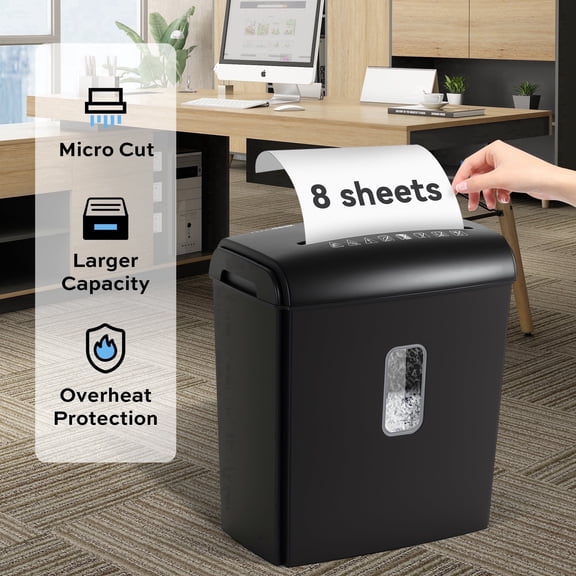
Start with security cut type because it shapes how paper looks after shredding. A micro cut paper shredder turns sheets into much smaller pieces than strip-cut or cross-cut models.
That smaller output matters when you sort bills, tax records, and address labels at home. Micro cut shredding creates confetti-like particles that are difficult to reconstruct from the bin.
Compare the category options before narrowing your choice. Strip-cut models make long ribbons, while cross-cut models create short sections. Micro-cut models create paper shredder small pieces for personal documents and regular home office cleanup.
- Micro-cut supports sensitive paperwork and frequent document disposal.
- Cross-cut fits everyday shredding with moderate particle size.
- Strip-cut suits basic disposal with longer paper strips.
- Smaller particles usually mean a denser bag of shredded paper.
How to choose micro cut shredders for home use
Consider your paper volume, room size, and daily routine first. Micro cut shredders for home use often balance compact dimensions with enough capacity for household paperwork.
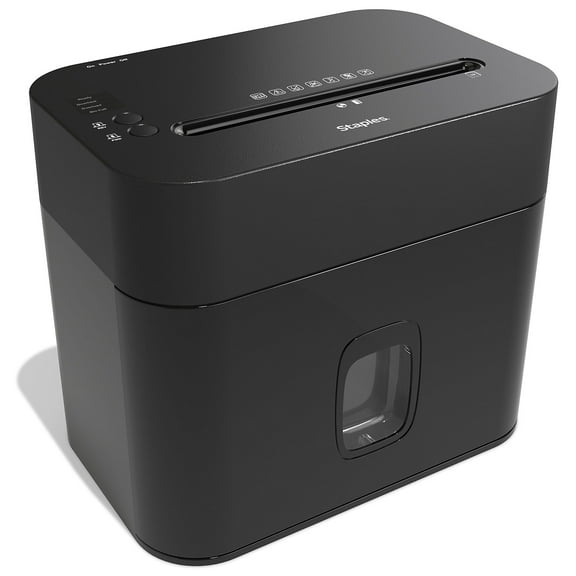
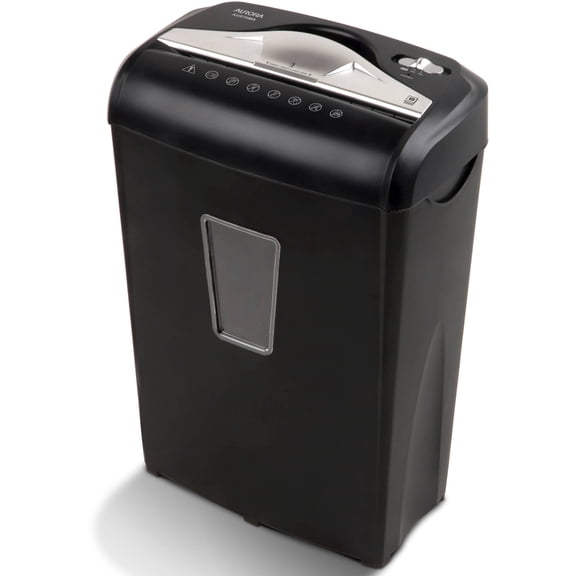
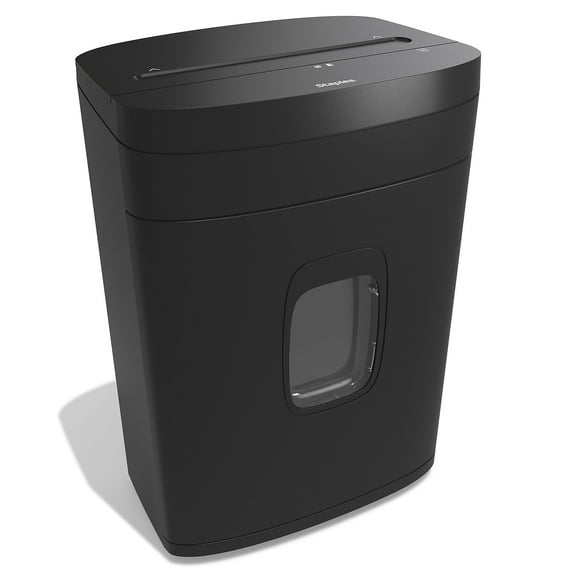
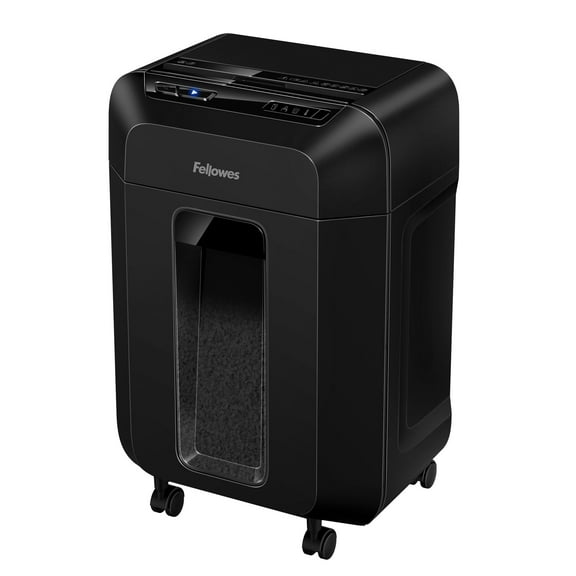
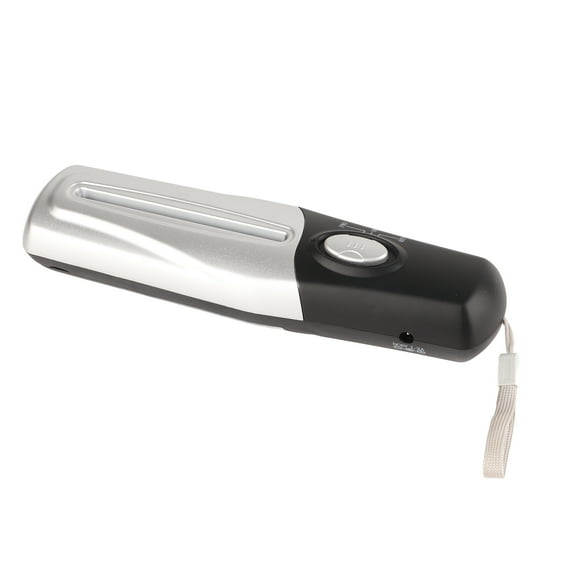
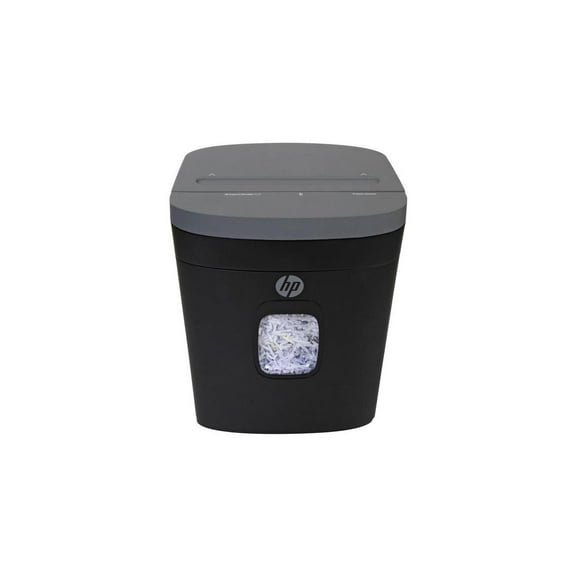
A desktop unit fits under shelves or beside a monitor. A freestanding design usually gives you a larger basket and a steadier setup. A compact floor model can fit small rooms without taking over the workspace.
Check whether you shred a few pages each week or clear folders in one session. Low sheet capacity works for occasional letters and receipts. Medium sheet capacity fits weekly cleanup. High sheet capacity supports light office use and larger stacks.
Form factor changes how the machine fits your room. A micro shredder for a desk suits tight spaces and lighter tasks. A freestanding model handles bigger bins and longer sorting sessions.
What to look for in a micro paper shredder
Look closely at shred size, run time, and basket design before deciding. A micro paper shredder with very small output fills the bin differently than wider-cut paper strips.
Bin size affects how often you empty shredded paper. A larger basket helps during tax-season cleanup, filing purges, and end-of-month paperwork. A smaller basket can still work well for daily mail and a few printed pages.
Run time also shapes convenience during real use. Short run times fit quick document disposal between tasks. Longer run times support several folders, mixed records, and repeated passes in one sitting.
Controls matter because they affect everyday handling. Look for reverse functions, clear indicators, and simple start settings. Pullout bins, lift-off heads, and window panels can make emptying and monitoring less disruptive.
Comparing quiet options and practical capacity
Noise level is a real decision point in shared rooms and home offices. Quiet and low-noise models suit calls, study spaces, and desks near common areas.
Standard sound levels can still work if shredding happens in a separate room. When comparing models, consider when you shred and who shares the space. That approach helps match sound output to your routine.
Capacity should match the amount of paper you handle in one pass. Low sheet capacity suits receipts, envelopes, and a few pages. Medium sheet capacity fits weekly filing cleanup. High sheet capacity supports larger batches and recurring document sorting.
These details are specific to micro shredders because tiny particles can change bin fill patterns. Smaller output often means denser waste, so basket size and emptying style matter during regular use.
Matching a micro cut paper shredder to real tasks
Use case should guide the final choice. A micro cut paper shredder for home use works well for personal documents, old statements, and routine mail disposal.
For a small apartment or study corner, consider a compact or desktop format. That setup fits limited floor space and light weekly shredding. For a dedicated home office, a freestanding unit offers more basket room and steadier placement.
Home office shoppers often compare a microcut paper shredder with quiet operation and medium capacity. That combination suits invoices, printed drafts, and household records without dominating a small room.
Light office use calls for a model with longer run time and a larger bin. That setup handles shared paperwork, meeting notes, and recurring filing cleanup. It also reduces interruptions during longer sorting sessions.
If appearance matters in a visible workspace, compare footprint and basket access. If convenience matters most, check whether the controls are simple and the bin lifts out cleanly. Those choices can shape daily use as much as sheet count.
Choosing with confidence
Micro-cut models stand apart for tiny particle output, compact form choices, and practical home-office handling. When you compare cut type, capacity, noise, and size, you get document cleanup that feels organized and controlled.