

Yellow Xterra & Minelab Manticore Bundles












About Yellow Xterra & Minelab Manticore Bundles - Walmart.com
Minelab metal detectors help you compare advanced detection technology for gold fields, wet sand, and park hunting. You can use this guide to choose the right series, waterproofing level, and control features for your terrain.
How to choose Minelab metal detectors
You'll want to start with your search goal, because different detector types suit different ground conditions. You can compare coin hunting, beach searching, and prospecting needs before you narrow your detector series.
If you search in changing soil, you should consider operating frequency and automatic ground balance. You’ll notice these settings help your detector stay consistent in mineralized ground and noisy beach conditions.
You can also compare target ID accuracy and trash discrimination when you want fewer unwanted digs. You’ll appreciate clear separation between coins, jewelry, relics, and common junk in busy areas.
- You can compare detection technology by ground type and target size.
- You can match waterproofing level to surf, rain, or shallow water use.
- You can choose a series that fits your experience and control preferences.
- You can check battery life and charging options for long field sessions.
Choosing a Minelab gold detector and other search applications
You should match your detector to the places you plan to search most often. You may prefer a Minelab gold detector setup for mineralized ground, or a coin-focused model for parks.
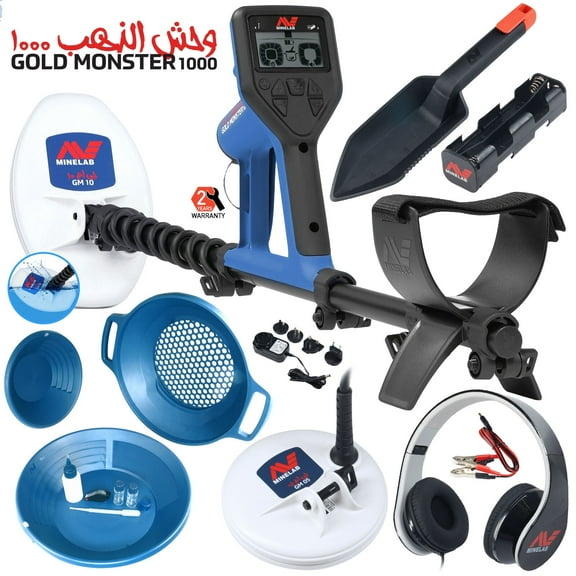
For gold prospecting, you should look at pulse induction and advanced ground handling. You’ll find these options useful when hot ground and mineralization make target signals harder to read.
For coin and treasure hunting, you may prefer strong target ID and fast recovery speed. You can sort likely finds from bottle caps and pull tabs with less guesswork.
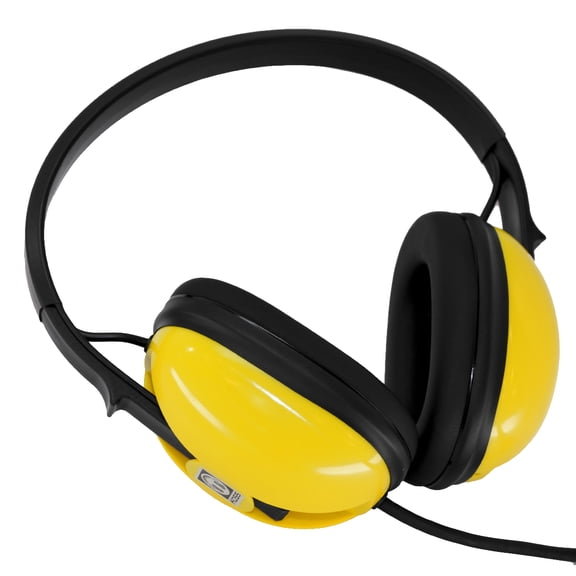
Beach and wet sand searches call for stable performance in salty conditions. You should compare waterproof metal detectors and look closely at depth limits before heading into surf.
What to look for in detection technology
You can compare Multi-IQ Multi-Frequency, VLF Single Frequency, and Pulse Induction as three distinct approaches. You’ll want the one that fits your soil conditions, target types, and learning curve.
Multi-IQ lets you search across multiple frequencies at once. You’ll notice steadier performance when your ground changes from dry sand to wet sand or from clean soil to mineralized areas.
VLF single frequency can feel straightforward when you want simple controls and focused use. You may like it for common coin hunting, casual treasure searches, and easier site conditions.
Pulse induction is worth considering when you search highly mineralized ground for small or deep targets. You should expect a different learning experience, especially when you compare target separation and signal behavior.
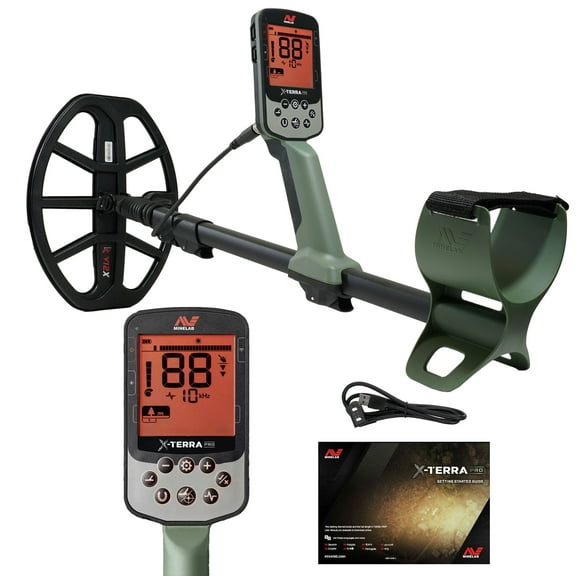
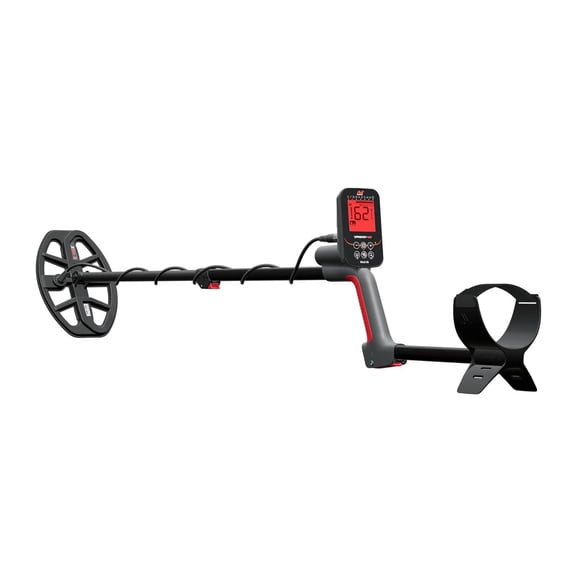
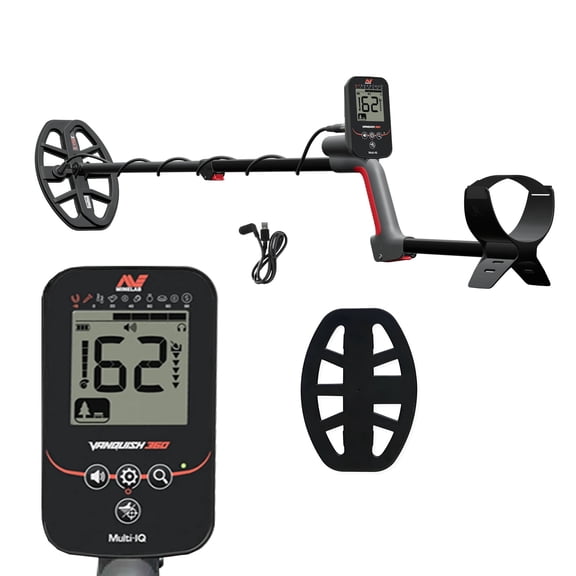
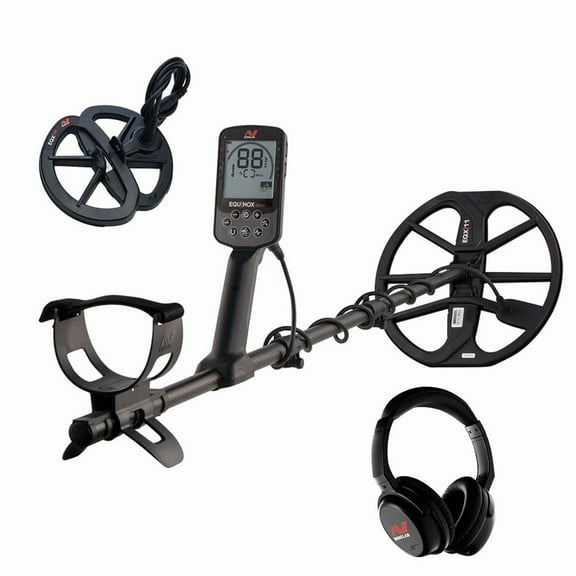
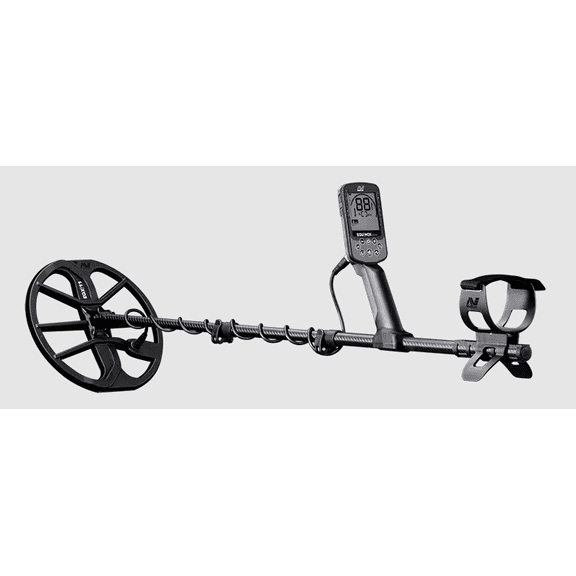
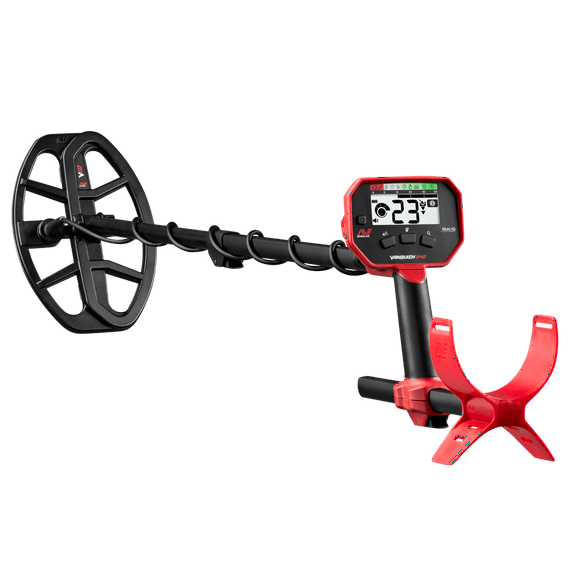
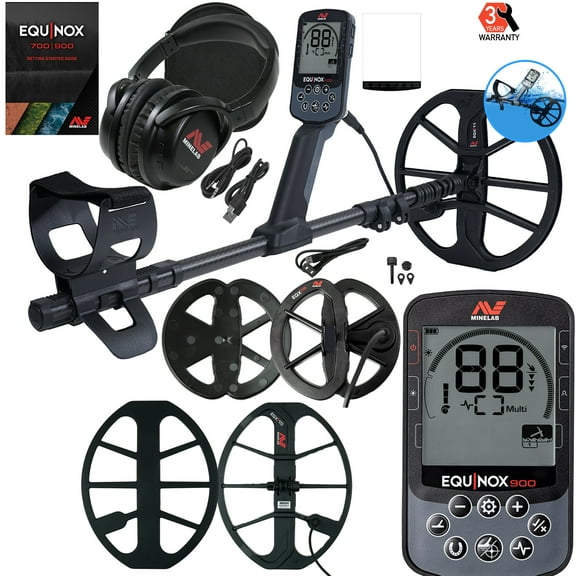
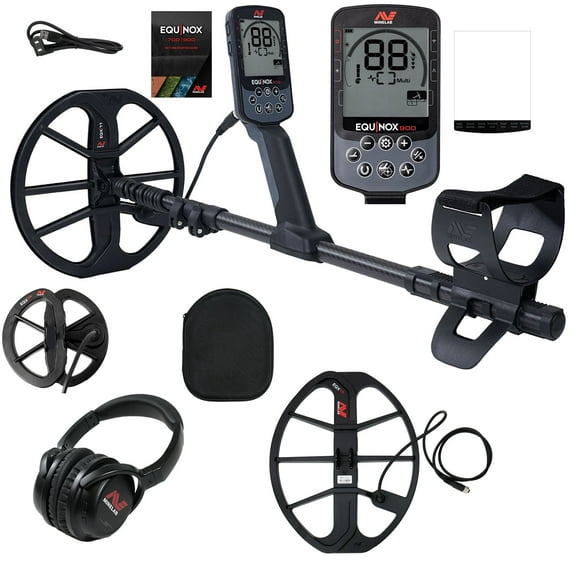
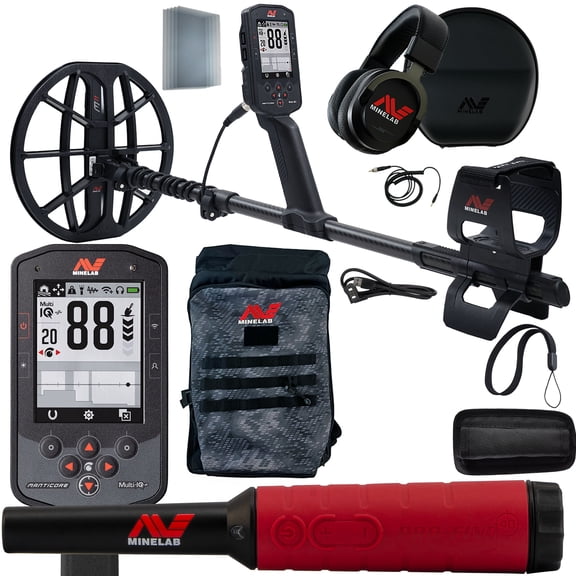
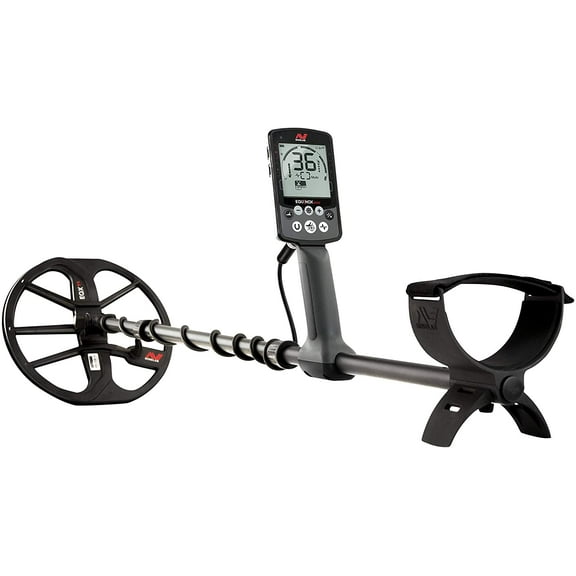
If you’re comparing series, you may recognize minelab equinox as a professional-focused option with broad terrain flexibility. You can also look at beginner-friendly Vanquish choices or intermediate X-Terra options for a simpler path.
Choosing waterproof metal detectors and field-ready features
You should check whether you need full submersion, splash resistance, or only a submersible coil. You’ll want that answer before you compare river edges, shallow surf, or dry land use.
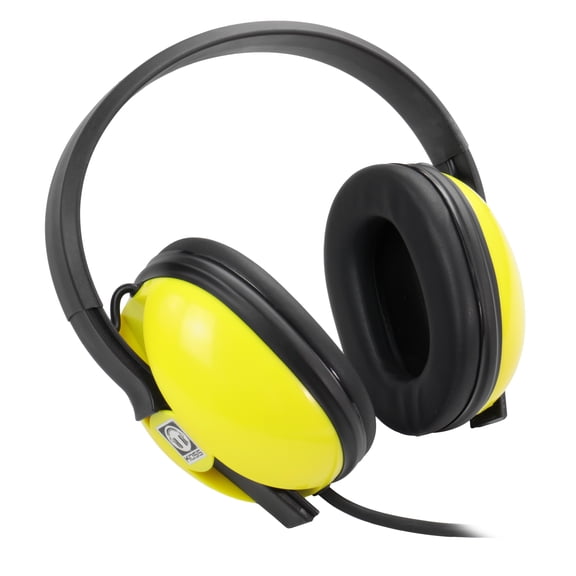
Fully waterproof models can suit shallow water searches up to stated depth limits, such as 10 feet. You should always compare the control box and coil coverage, because those details shape real use.
Splash-proof control boxes can make sense when you search in rain, wet grass, or damp sand. You may not need full underwater use if your hunts stay mostly on shore.
A submersible search coil only can work when your coil enters shallow water but your controls stay dry. You should also check IP rating details when you want clearer guidance on water exposure.
Battery life matters when you spend long hours in fields, beaches, or large parks. You can compare charging methods and run time so your detector fits full-day outings with fewer interruptions.
Matching experience level to your detector series
You should consider how much setup control you want on your first outings. You may prefer guided modes at the beginning, then add manual adjustments as your confidence grows.
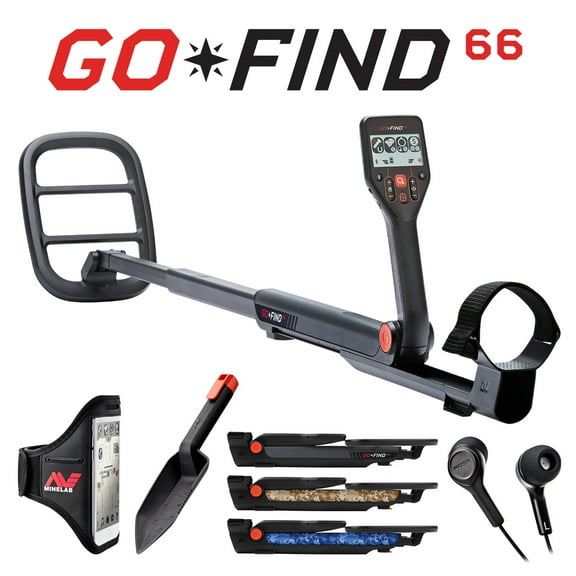
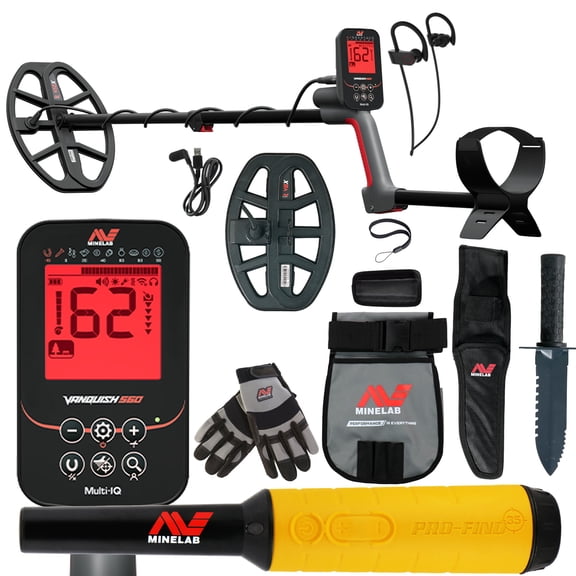
Beginner shoppers often compare Vanquish series models for approachable controls and clear learning steps. You can focus on finding targets without managing too many advanced adjustments at once.
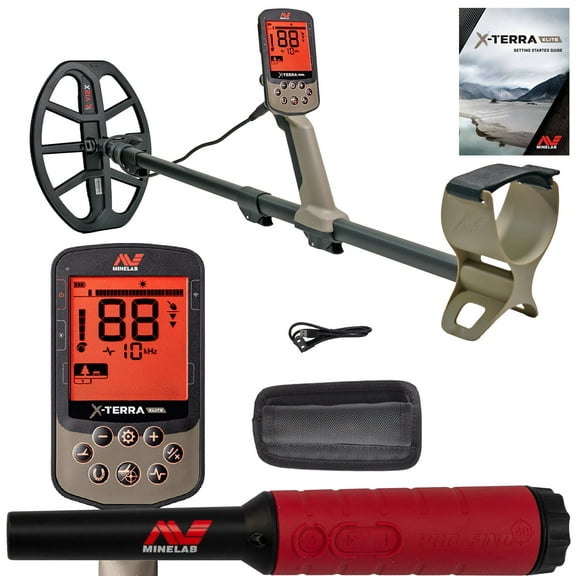
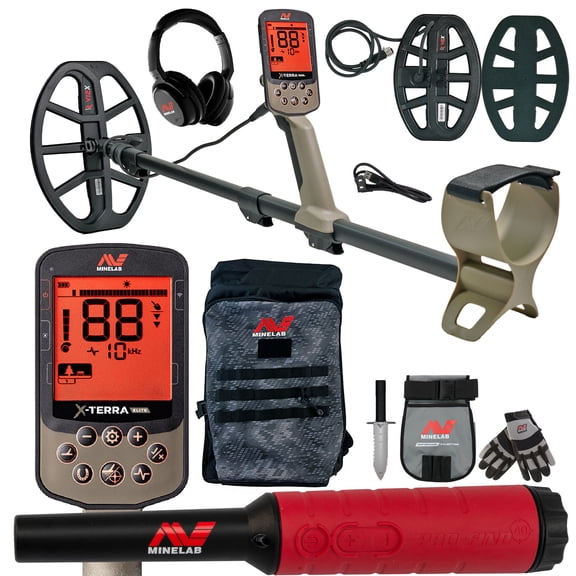
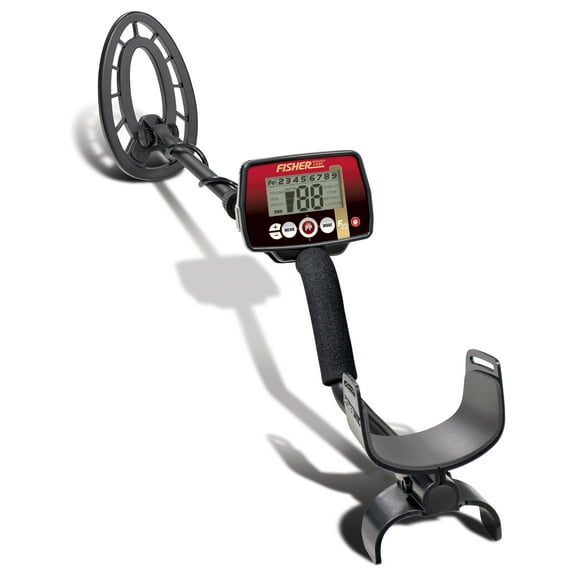
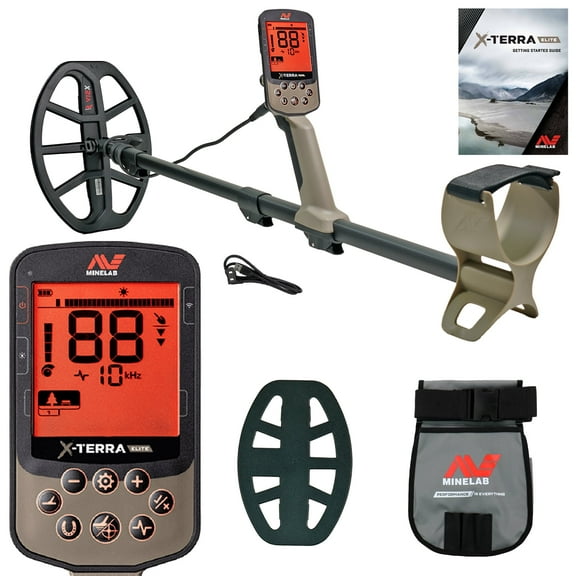
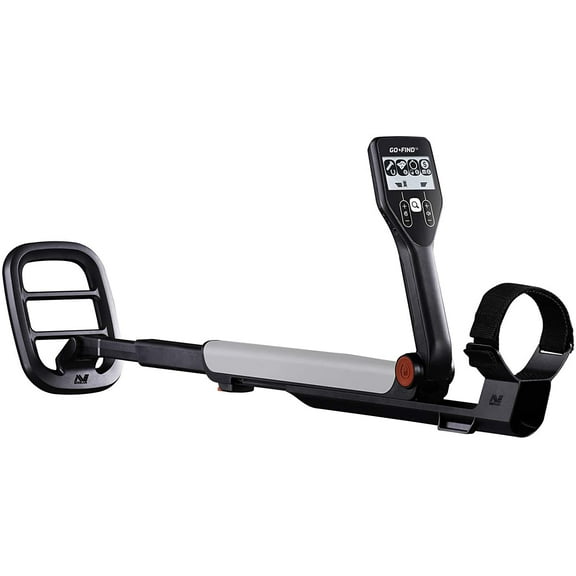
Intermediate users may like X-Terra series options when they want more tuning flexibility. You can explore different search environments while still keeping the interface manageable.
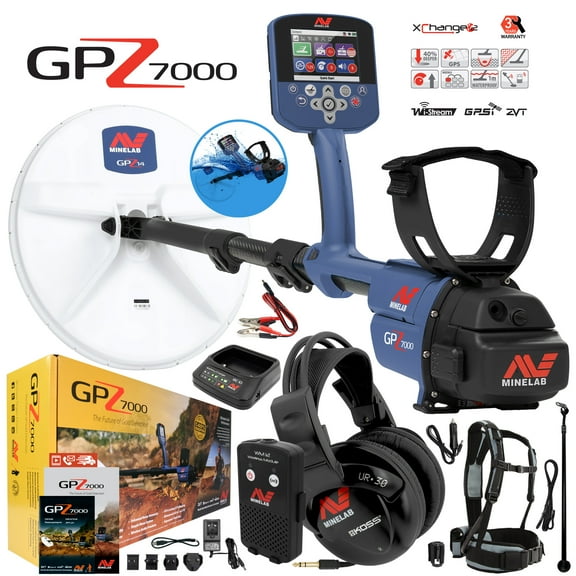
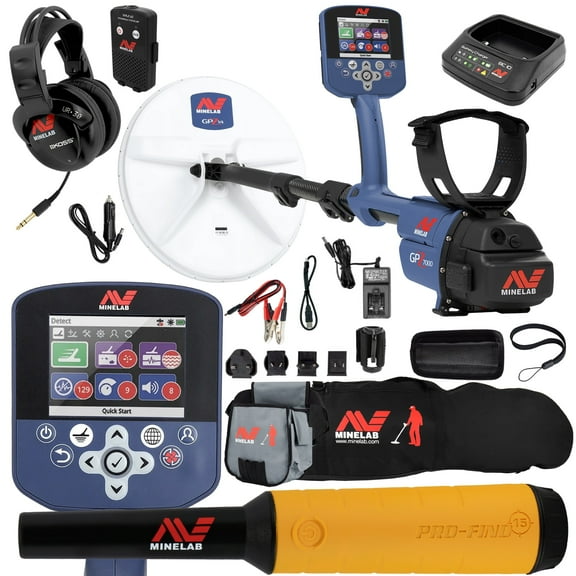
Professional users often compare Equinox and GPX series choices for broader adjustment range. You can fine-tune ground balance, frequency behavior, and discrimination for more specialized hunts.
How your detector choice fits real search scenarios
If you search schoolyards or old parks, you should prioritize target ID accuracy and trash discrimination. You’ll spend less time digging unwanted metal and more time evaluating promising signals.
If you walk beaches, you should compare waterproofing level, wet sand stability, and shaft comfort. You can cover long stretches more easily when your detector handles salt conditions consistently.
If you prospect in remote ground, you should check battery life, charging convenience, and mineral handling. You’ll want dependable runtime when you’re far from power and searching wide areas.
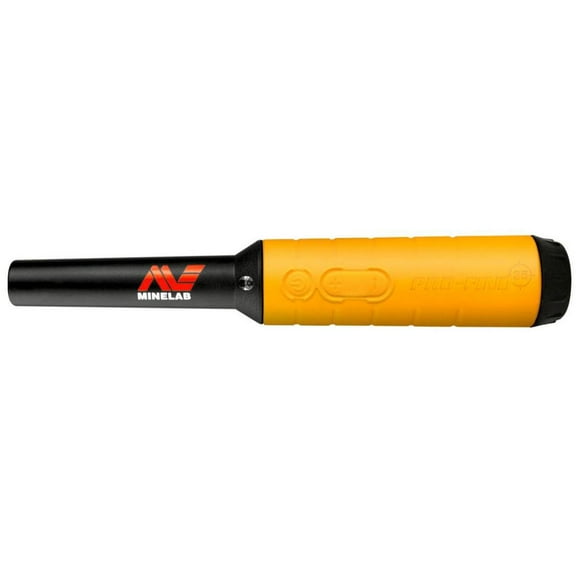
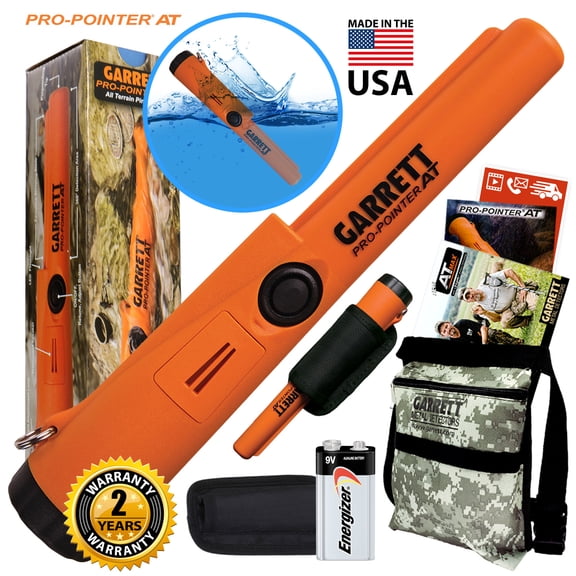
If you need a handheld metal detector for pinpointing or tight checks, you should compare it as a companion tool. You can use it alongside a full-size detector when you want faster target recovery.
You can make a stronger choice when you compare technology, terrain fit, and learning curve together. You’ll end up with a detector that feels more precise in the places you actually search.