










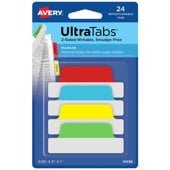
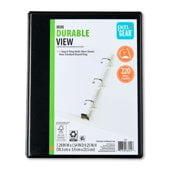

Small Binder Near Me | Mini Binders at Walmart


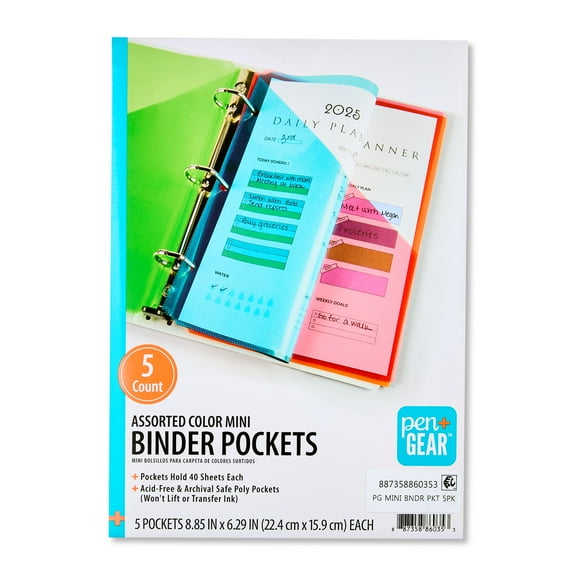






















About Small Binder Near Me | Mini Binders at Walmart - Walmart.com
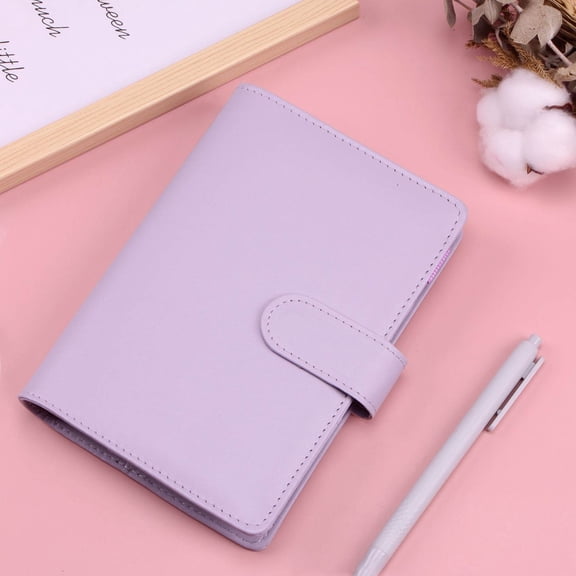
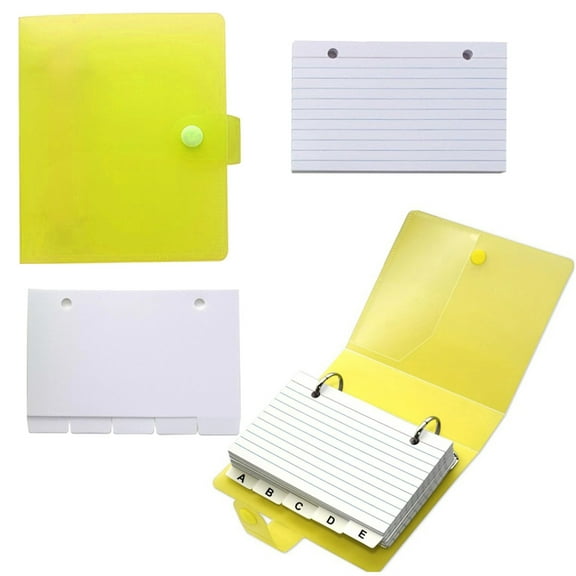
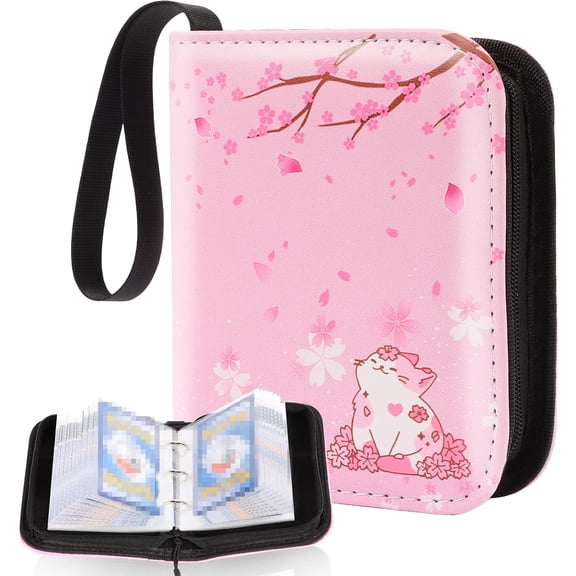
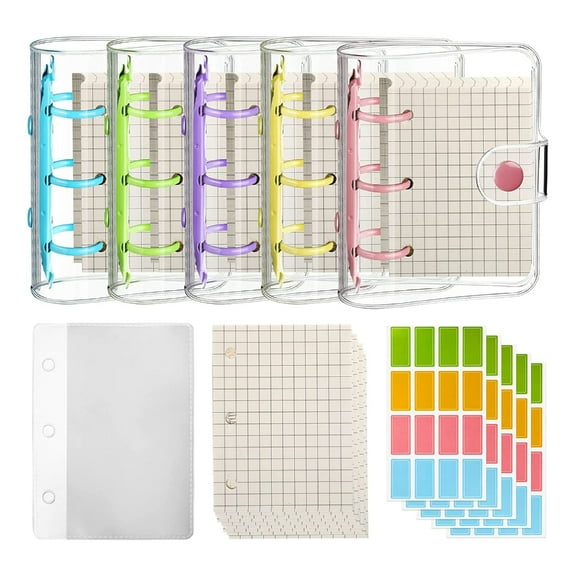
Mini binders help you organize notes, lists, and planner inserts in a compact format. You can compare ring size, materials, and cover styles to match your routine.
If you carry papers between class, work, and home, you may want a smaller organizer. You can use this guide to compare category options with less guesswork.
Choosing mini binders by ring size
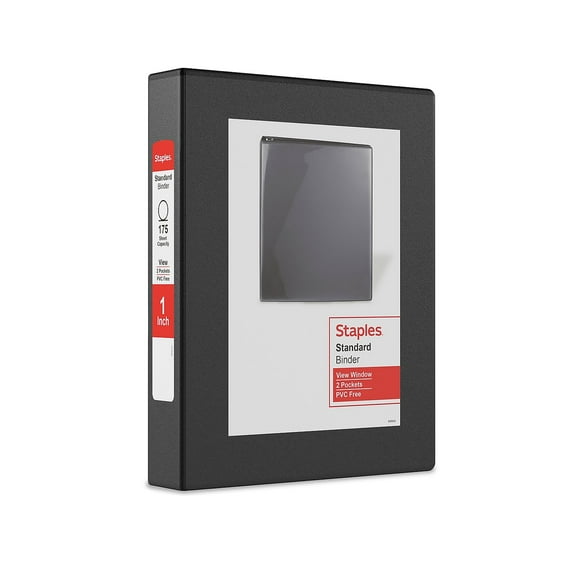
When you compare mini binders, you should start with ring size because it affects page capacity. You can commonly find 0.5 inch, 1 inch, and 1.5 inch options in this category.
If you carry daily lists or planner pages, you may prefer 0.5 inch rings for a slimmer profile. If you keep schedules, handouts, or reference pages, you may want 1 inch or 1.5 inch rings.
Before you choose, you should consider how many sheets or mini binder dividers you plan to keep inside. You can turn pages more easily when you do not pack your binder too tightly.
- You can choose 0.5 inch rings for lightweight lists, coupons, or planner pages.
- You can choose 1 inch rings when your school or work papers change often.
- You can choose 1.5 inch rings when you need more room for inserts and accessories.
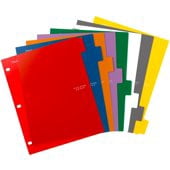
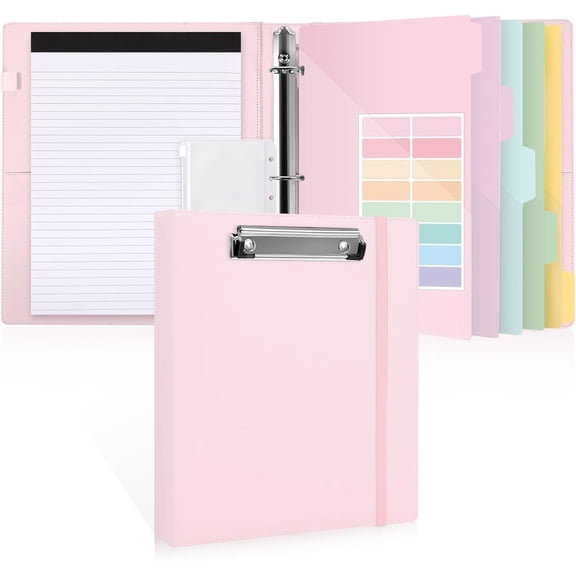
- You can pair your binder with filler paper, mini binder dividers, and pockets for cleaner sections.
Comparing 3 ring mini binders and ring types
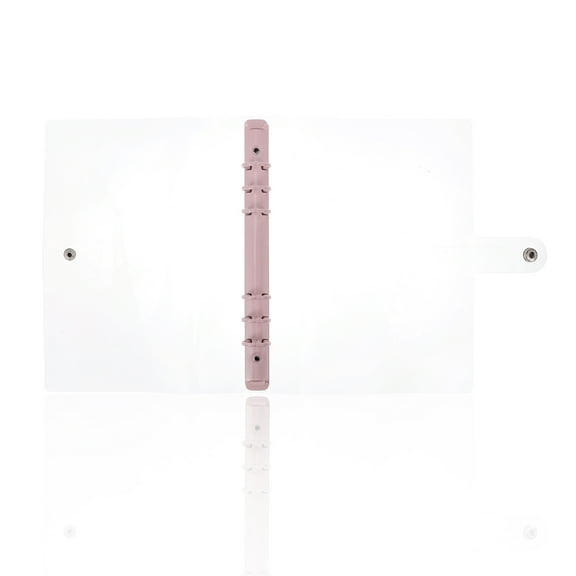
If you’re shopping 3 ring mini binders, you should compare ring type as well as ring diameter. You can commonly find round ring and D-ring formats in small binders.
When you choose round rings, you may like the familiar shape and simple page layout. When you choose D-rings, you may prefer how pages stack flatter against one side.
You should also check how often you open and close the binder during the day. If your routine includes frequent updates, you may want a format that feels easy to manage.
For planners, class notes, or travel documents, you may find ring style changes how neat your pages stay. You can often notice D-rings help sections line up more evenly.
Choosing materials and cover styles
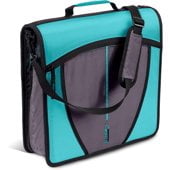
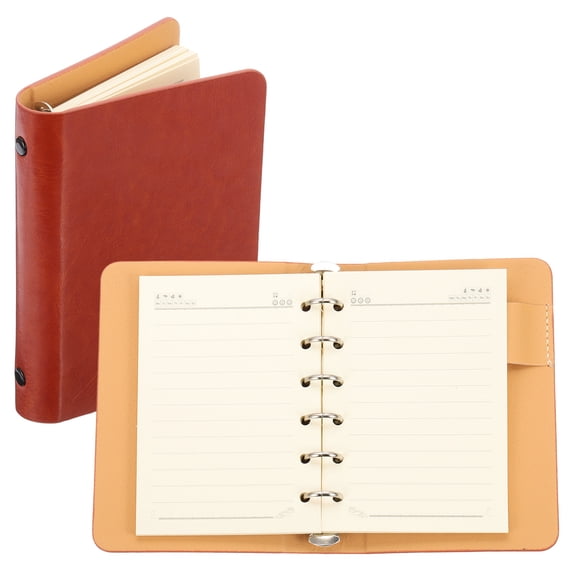
You should compare materials carefully because your binder’s feel and flexibility can shape daily use. You can usually choose plastic, vinyl, and fabric options in this category.
If you want easy wipe-clean care, you may lean toward plastic or vinyl covers. If you prefer a softer look, you may like fabric styles for planners or personal organizers.
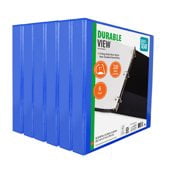
Cover design also matters when you sort subjects or routines by color and format. You can choose clear view mini binders, solid colors, or patterned covers.
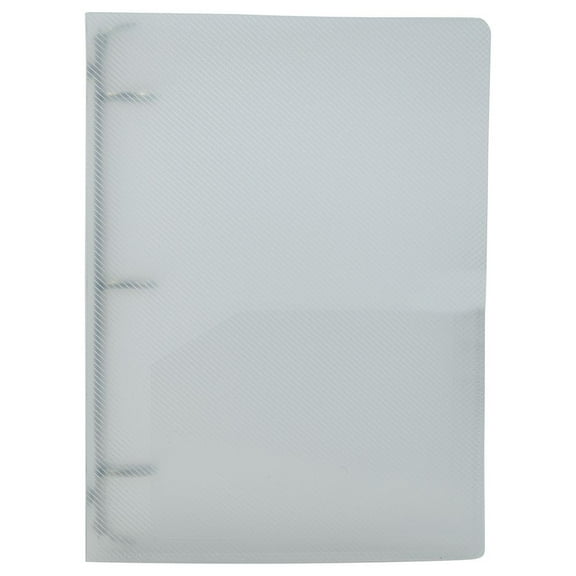
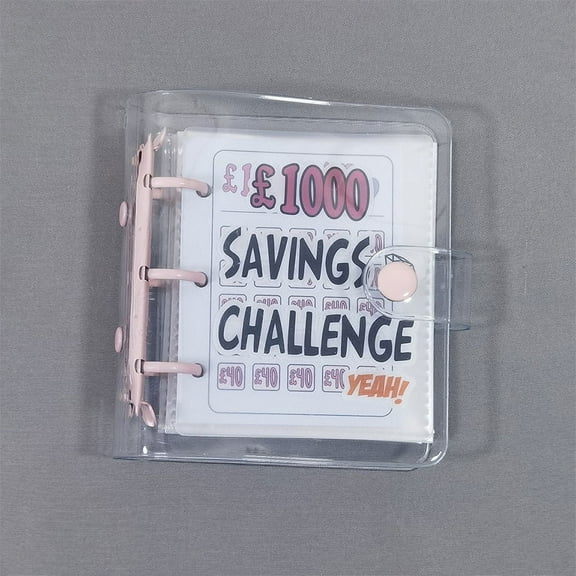
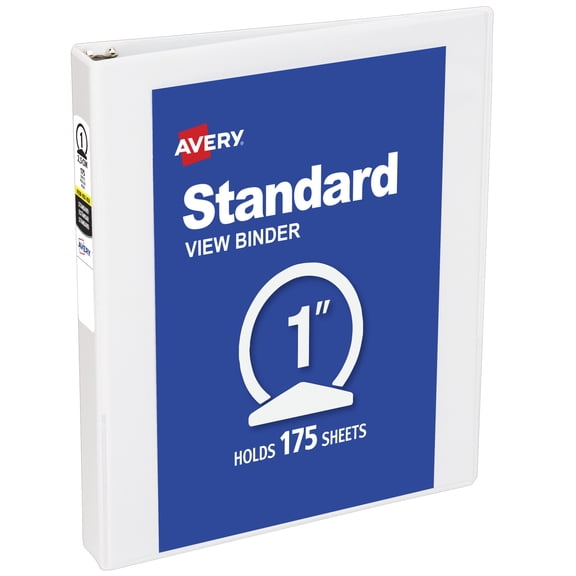
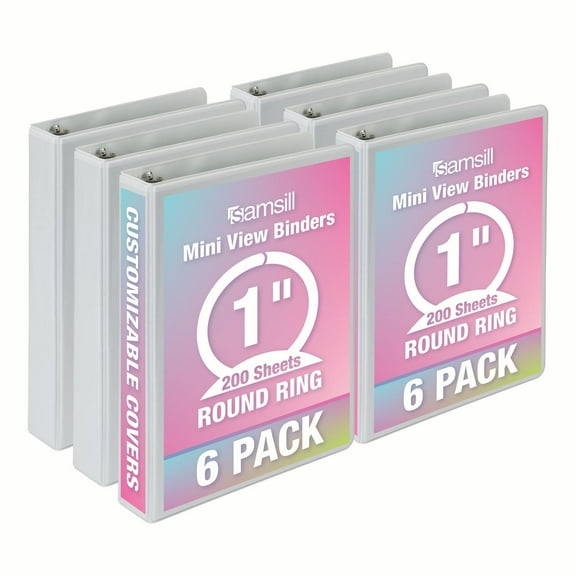
When you pick clear view mini binders, you can slide in custom cover sheets for labels or themes. If you prefer a simple look, you may choose solid covers instead.
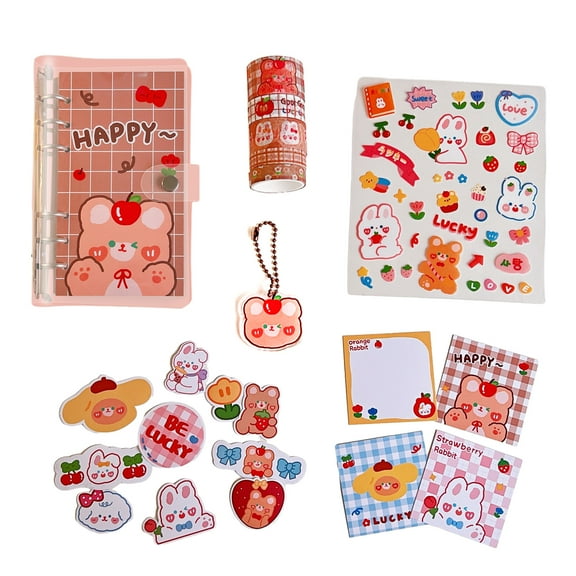
Patterned options can help you separate school subjects, budget categories, or project types at a glance. You can spend less time opening the wrong binder when covers look distinct.
What to look for in small binders
When you compare small binders, you should check overall dimensions along with ring size. You may want a binder that fits your bag, drawer, or planner storage spot.
If you commute, travel, or move between classes, you may prefer a narrower profile. You can keep important pages close without carrying a full letter-size binder.
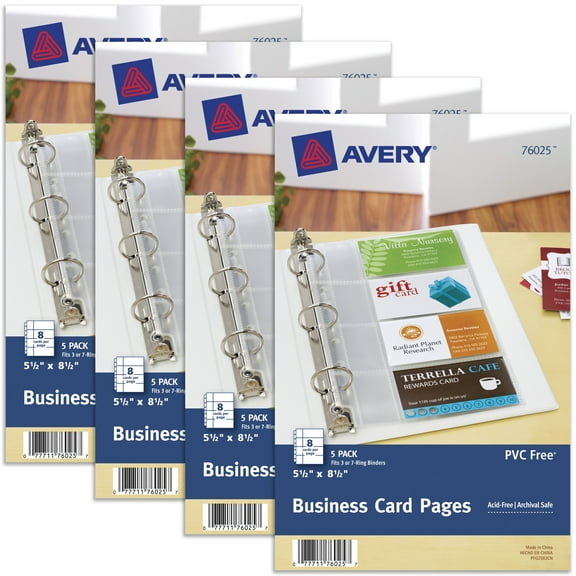
Many shoppers also look for inside pockets, closure details, and cover flexibility. You should check whether you need mini pocket binders for loose notes, receipts, or cards.
Page compatibility matters too, especially if you already use a planner system or specialty paper. You should make sure your hole placement and page size match your inserts.
For quick organization, you can build sections with dividers, pockets, and reference pages. You can keep contacts, checklists, and calendars in one compact place.
Using mini binders for school, work, and planning
If you’re shopping for mini school binders, you may want light options that fit lockers, totes, or student backpacks. You can separate homework sheets, reading logs, and schedules in a smaller format.
For office use, you may keep client notes, training checklists, or meeting outlines close at hand. You can appreciate compact storage when your desk space stays limited.
At home, you can use mini pocket binders for coupons, recipes, warranties, or household lists. You may also organize budgets, appointments, and contact sheets in one place.
If you use a planner every day, you can choose a binder that supports inserts, tabs, and calendars. You can create a flexible setup that you can update as routines change.
For events or travel, you may carry itineraries, reservations, and packing notes in a compact binder. You can keep papers protected without folding everything into a pocket.
When you focus on ring capacity, portability, and cover style, you can narrow your options fast. You can choose a compact organizer that fits your routine and keeps pages in order.