

Paper Writing Pads & Writing Notepads




































About Paper Writing Pads & Writing Notepads - Walmart.com
Your paper writing pad should match how you capture ideas, organize meetings, and keep handwritten notes easy to review. You can compare size, ruling, binding, sheet count, and backing to choose note papers that fit your desk, bag, or classroom routine.
How to choose a paper writing pad
When you compare a writing notepad, you should start with the decisions that affect daily use. You’ll notice paper size, line spacing, and backing change how comfortably your notes fit each task.
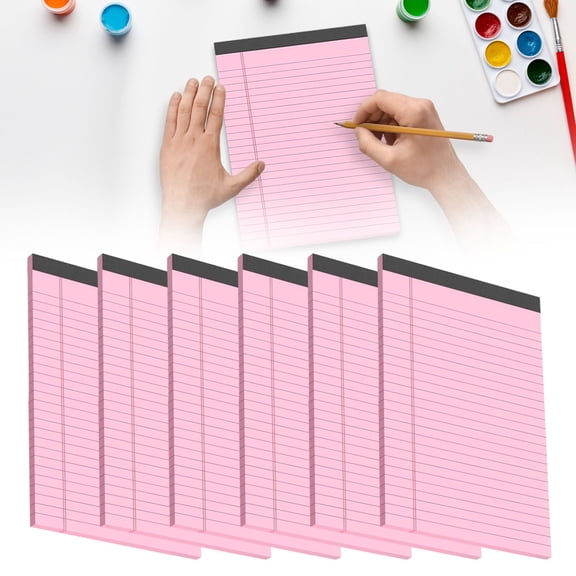
If you write at a desk, you may prefer letter sheets for lists, drafts, and meeting notes. If you carry your pad often, you may find junior legal pages easier to slip into a tote.
For longer outlines, you can use legal sheets when you need extra writing room without turning pages as often. You’ll also find that larger formats help you keep columns, action items, and margins more organized.
Choosing the right note pad sheet size
You should measure where you’ll use your pad before you choose a format. You can pick letter size for standard desks, legal size for extended notes, or junior legal for quick carry.
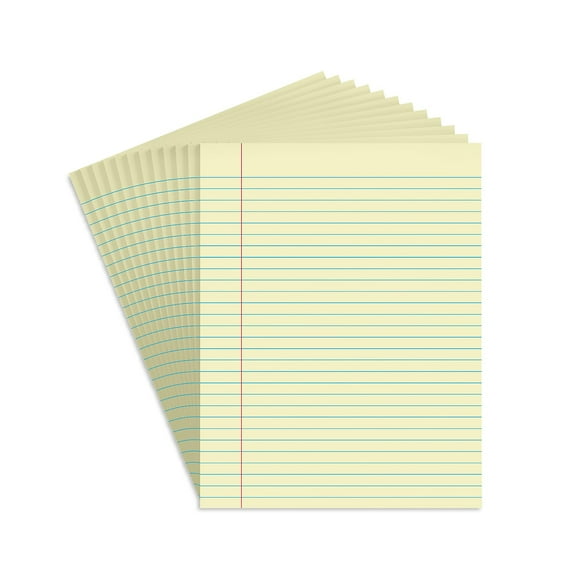
Letter pages work well when you need familiar proportions for office writing and class notes. Legal pages give you extra length, so you can keep agendas, checklists, or running project notes on one sheet.
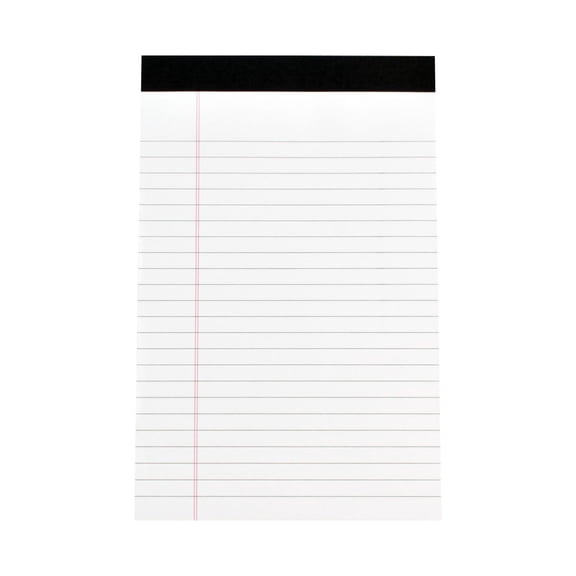
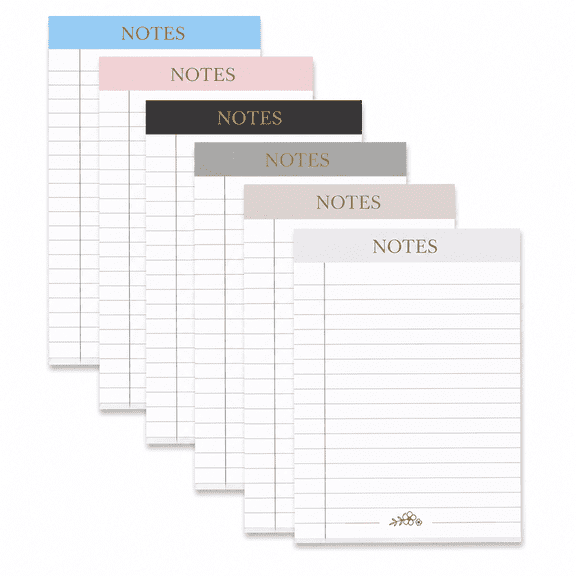
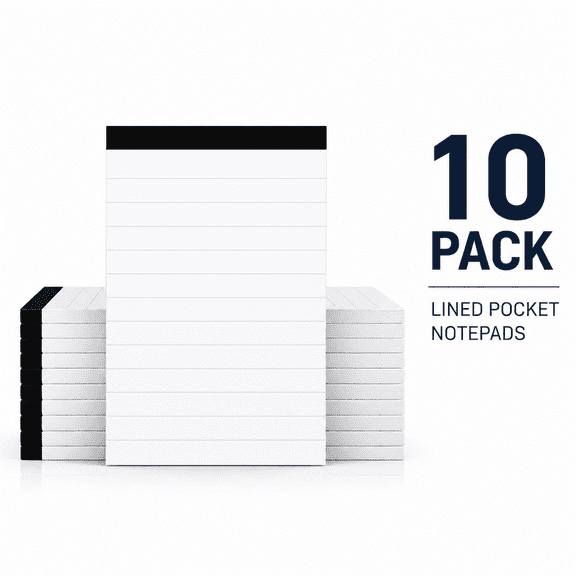
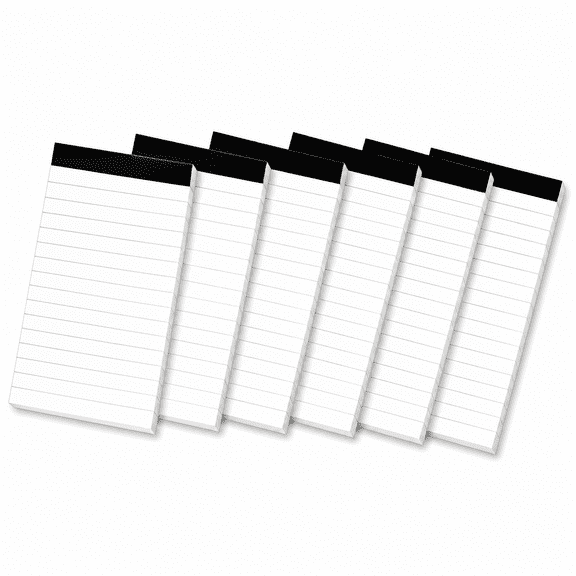
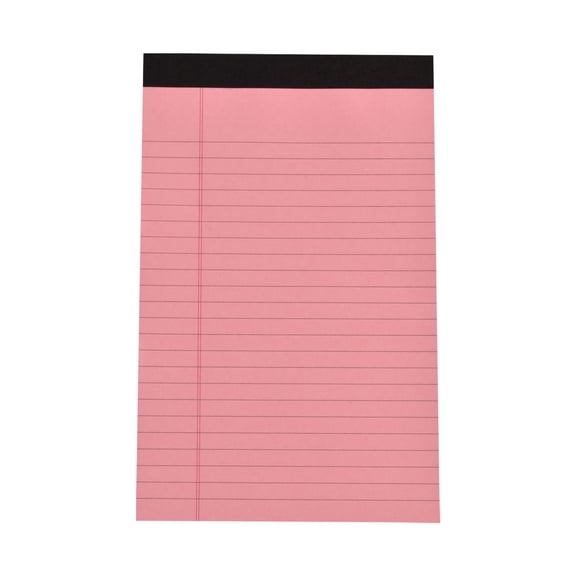
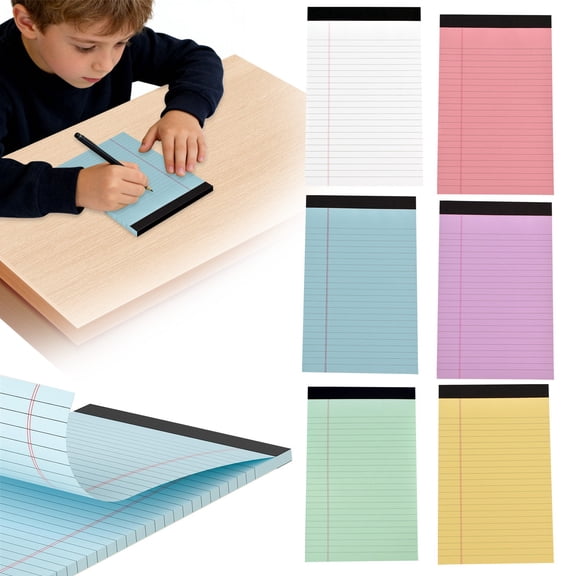
Junior legal pads for writing fit easily in briefcases, drawers, and smaller bags. You may prefer that compact size when you need a writing note pad for errands, calls, or fast daily reminders.
Comparing binding and tear-off styles
You should check how each pad opens and how each sheet removes before you decide. You can compare top-bound, spiral, and perforated book pads based on how you write and share notes.
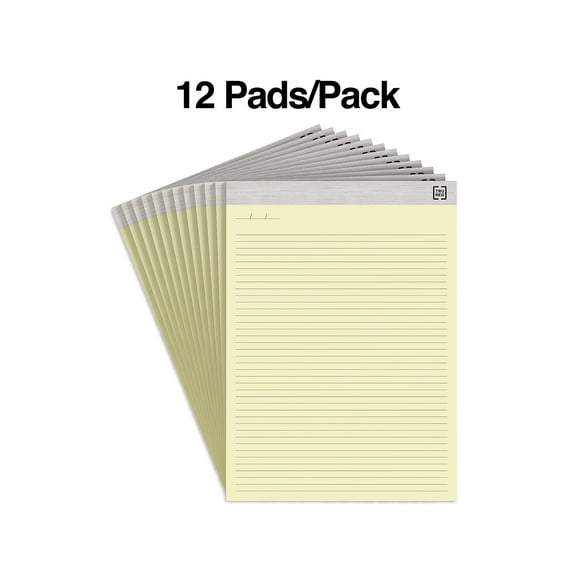
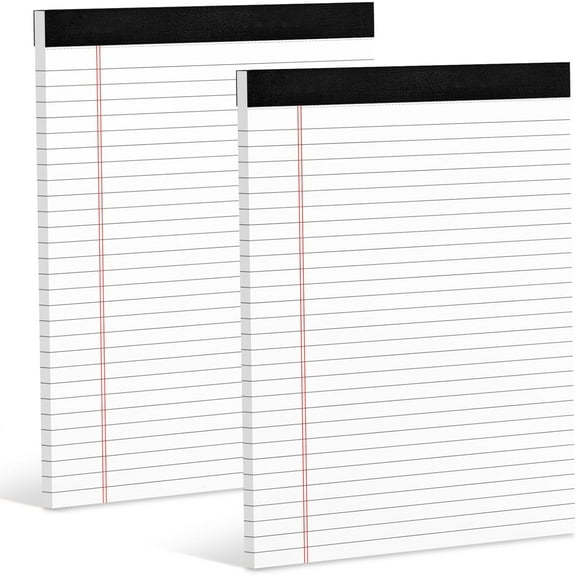
Top-bound pads keep the writing area clear at the sides, which helps if you write across the full page. You’ll often like perforated sheets when you want clean tear-out pages for handoffs.
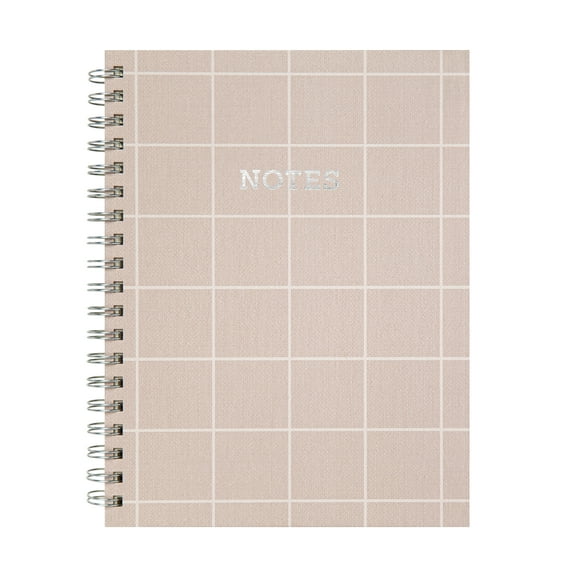
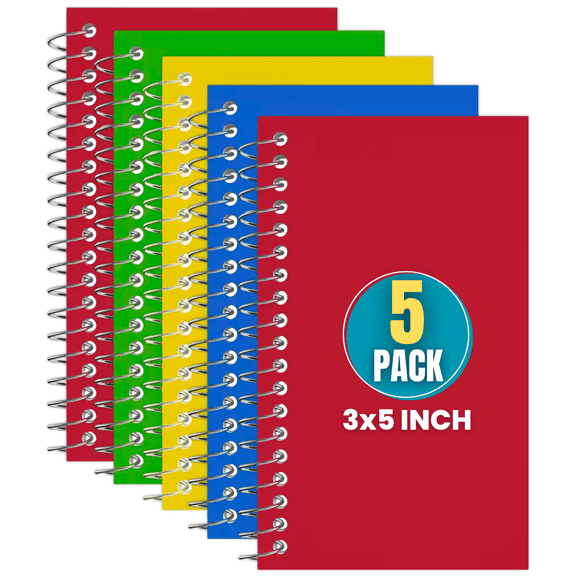
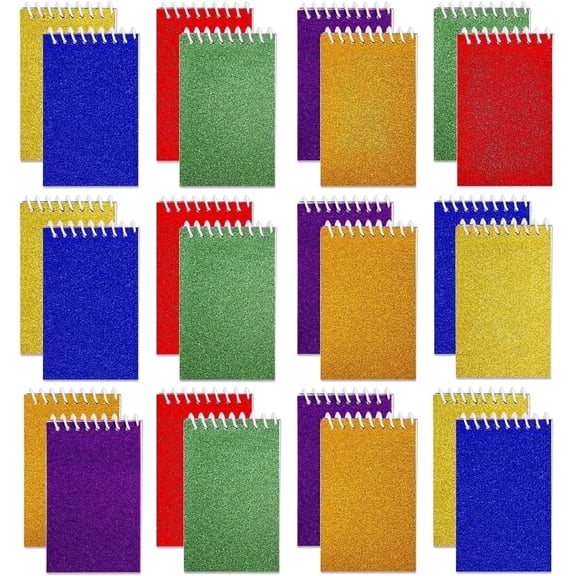
Spiral options can lie flatter on a table, so you may find them easier during long writing sessions. If you flip pages often, you’ll appreciate how that format keeps finished notes grouped together.
Understanding ruling types for clear notes
You should match ruling to your handwriting size and note density. You can compare wide ruled, college ruled, narrow ruled, and graph layouts to keep your page easier to scan.
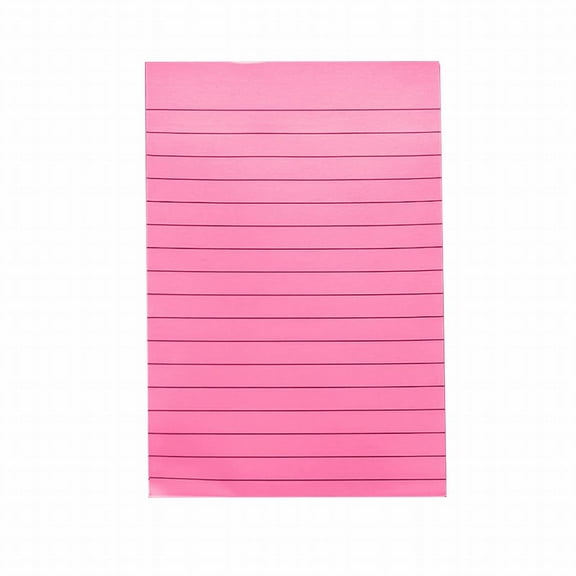
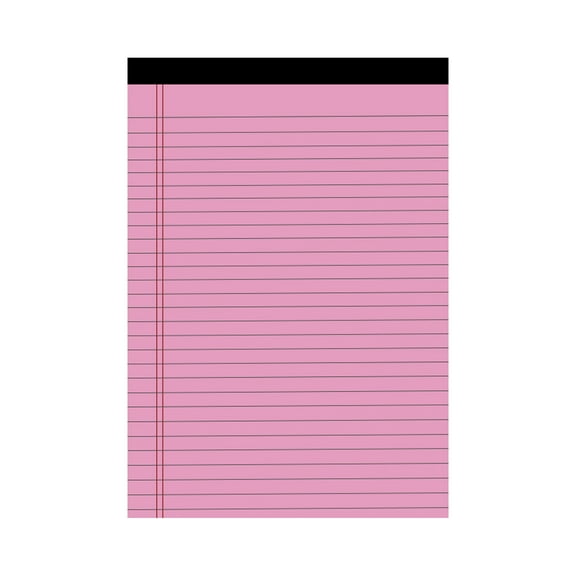
Wide ruled note papers give you more space between lines, so you can keep handwriting larger and more readable. College ruled sheets fit more lines per page, which helps when you want denser class or meeting notes.
Narrow ruled pages suit compact handwriting and detailed notes with fewer page turns. Grid or graph note pad sheet styles help you align sketches, charts, columns, or calculations without drifting lines.
- You can use wide ruled pages for readable to-do lists and quick family notes.
- You can choose college ruled sheets for lectures, meetings, and detailed outlines.
- You can pick graph layouts when your notes include diagrams, tables, or measurements.
- You can select narrow ruled pages when you want more writing space on each sheet.
Checking sheet count and backing thickness
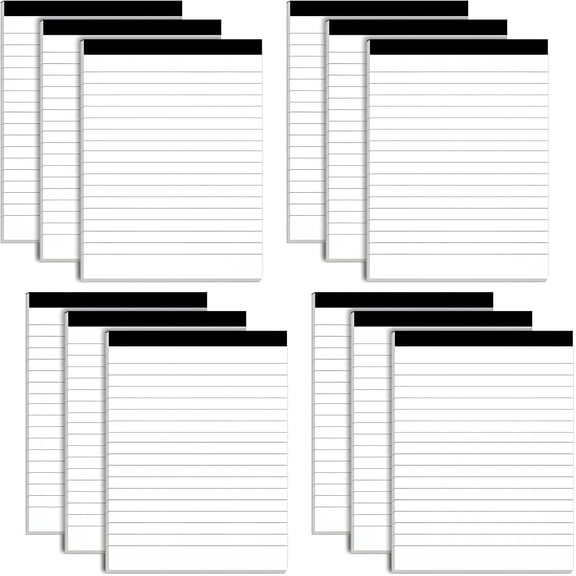
You should compare how many pages you’ll use each week before choosing a pack. You can select 50 sheets for lighter tasks, 100 sheets for steady writing, or multi-packs for shared spaces.
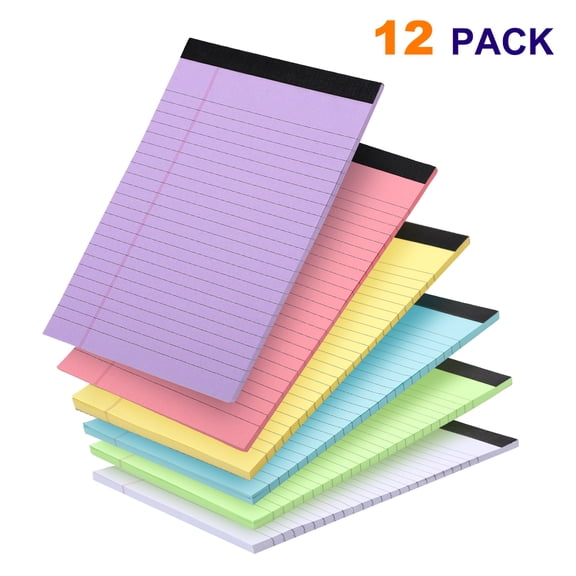
If you write throughout the day, you may prefer a higher sheet count that lasts longer between replacements. If you keep several stations stocked, you’ll appreciate multi-packs for desks, classrooms, and reception counters.
Backing matters when you write away from a table or move between rooms. You’ll notice extra-thick backing feels steadier in your hand, while standard chipboard works well for desk use.
What to look for in a writing notepad
You should also consider paper weight if you use gel pens, rollerball pens, or fountain pens. You may notice thicker sheets help reduce show-through, so your writing stays cleaner on both sides.
Clean perforations, firm backing, and consistent ruling can make everyday note-taking easier to manage. You’ll want those details when you tear out pages often, write standing up, or file notes after meetings.
When you compare a paper writing pad, you should look for choices that match your actual writing habits. You’ll get a smoother fit when your sheet size, ruling, and paper feel work together.
Using notepads for work, school, and home
You can use larger pads for writing during project planning, team meetings, and front-desk check-ins. You may choose legal or letter sheets when you need room for dates, bullet points, and follow-up items.
At school, you might prefer college ruled pages for dense lecture notes and study outlines. You can keep graph pages nearby when your classes include formulas, charts, or neatly spaced diagrams.
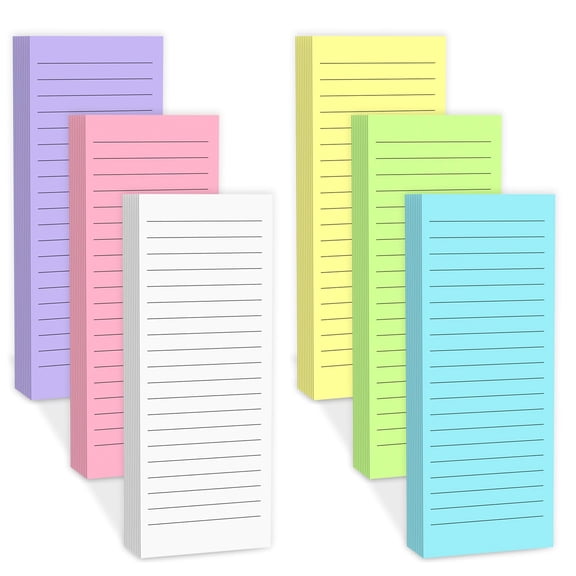
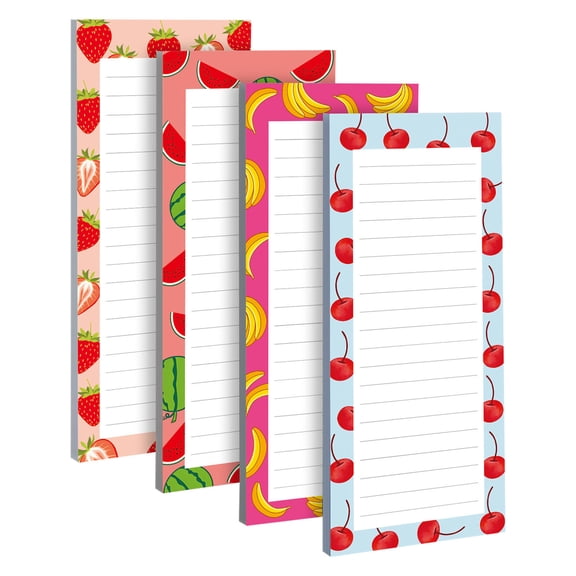
At home, you may use a compact writing note pad for grocery lists, phone messages, and task tracking. You’ll find junior legal sizes helpful when you want quick access without carrying a full notebook.
If you want convenience with local availability, you can order online and choose pickup or delivery options through Walmart. You’ll get a simpler way to find notepads nearby without changing your preferred size or ruling.
With the right paper writing pad, you can keep your notes clearer, your pages easier to manage, and your writing routine more efficient. You’ll feel the difference when the size, ruling, binding, and backing match how you write every day.