


Oars in Paddles






















About Oars in Paddles - Walmart.com
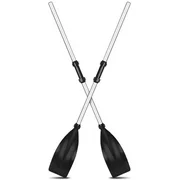
Oars help you move rowboats, dinghies, and rafts with steady control. You can compare length, material, and shaft style here, so your strokes feel balanced on the water.
If you're replacing worn gear or building a fresh boating kit, you need clear sizing guidance. This category guide helps you compare boat oars, rowing oars, and wooden oars with less guesswork.
Choosing the right oars for your boat
You should start with oar length, because the wrong size can feel awkward with every stroke. A simple sizing ratio helps you match boat width to the oars you choose.
For narrow tenders, you may prefer five-foot or six-foot options that feel easier in tight spaces. For wider boats, you may need seven-foot or eight-foot lengths for smoother reach.
You should also check how your oars sit in your oar locks before you buy. You can compare socket diameter and connection style, because fit affects how naturally your stroke tracks.
On longer rows, balanced length helps your hands move with less correction. You can keep a steady rhythm when each stroke clears your hull cleanly.
How to compare boat oars by material and shaft style
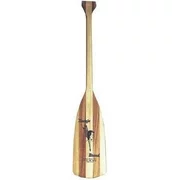
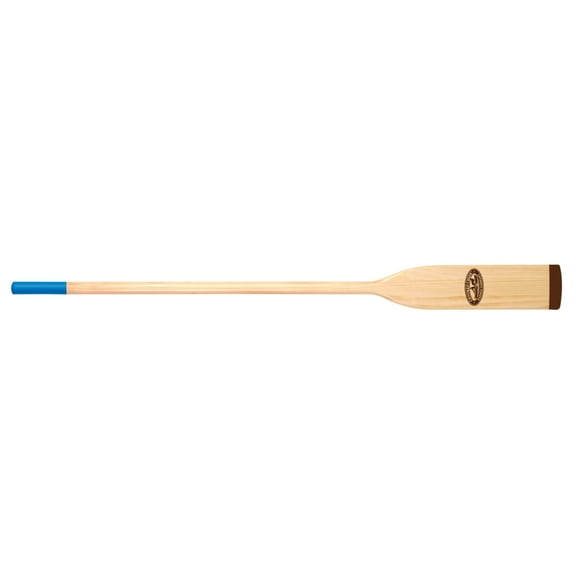
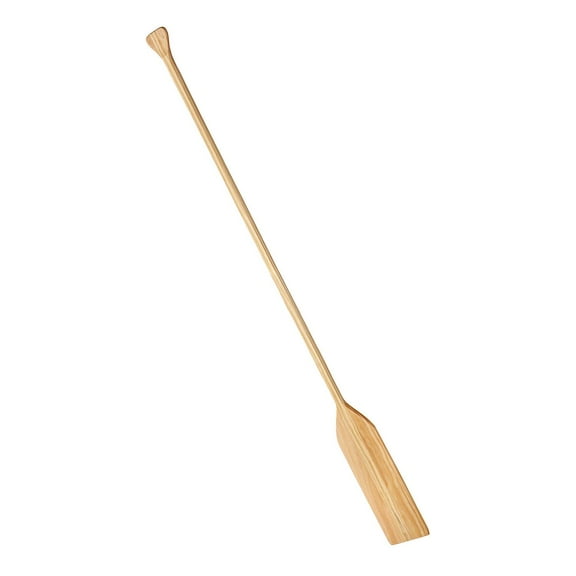
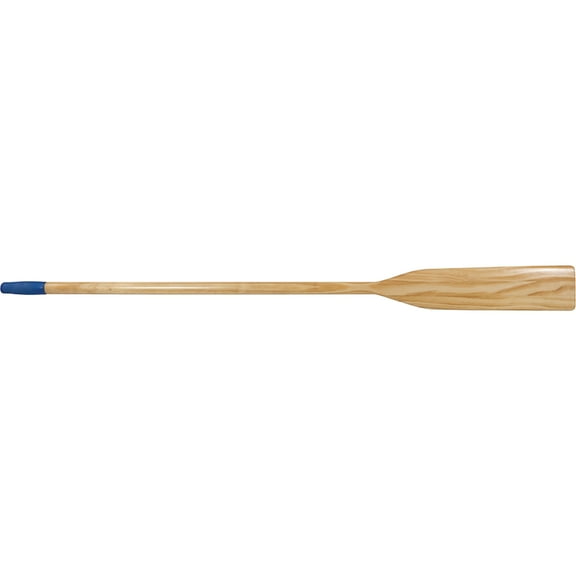
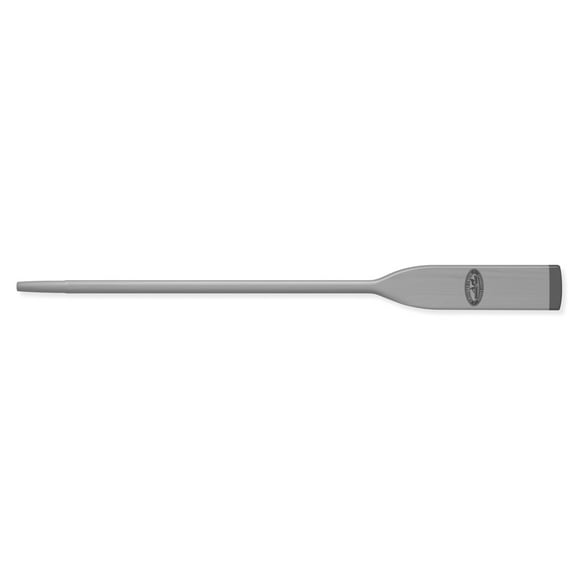
You can choose wood, aluminum, fiberglass, or plastic based on how you row and store gear. Many shoppers prefer wooden oars when they want a classic feel and a solid grip.
If you carry gear often, you may lean toward aluminum oars for lighter handling. You can also consider fiberglass when you want a smooth mix of stiffness and easier upkeep.
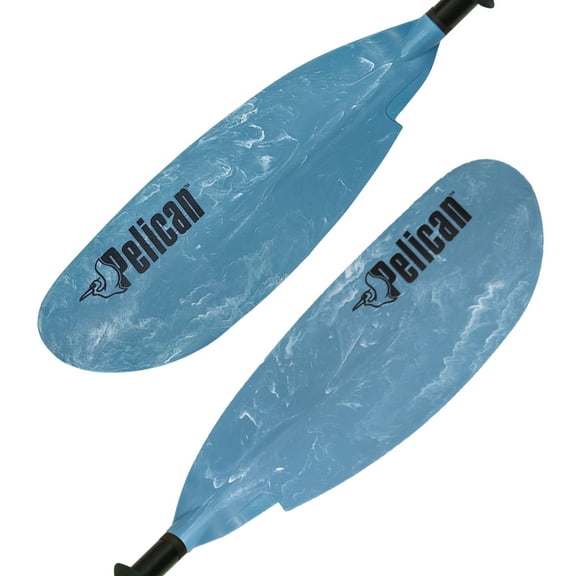
Plastic options can work well when you need simple utility for occasional trips. You should compare blade shape and shaft feel, because comfort matters during repeated strokes.
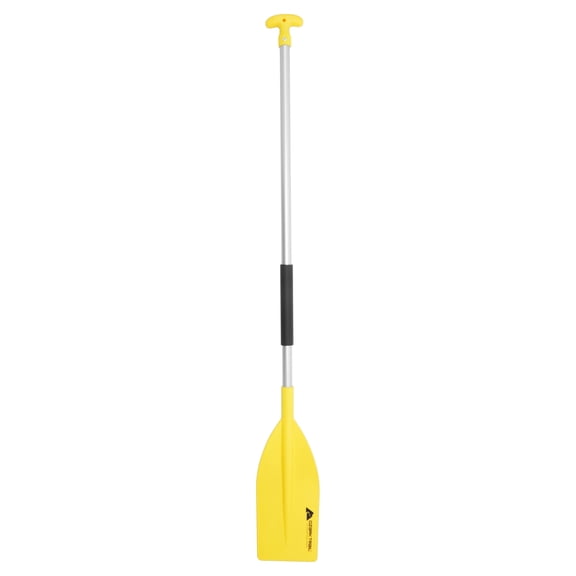
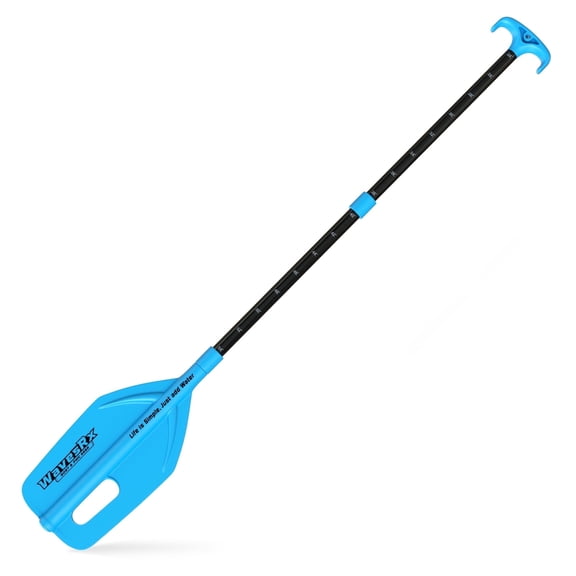
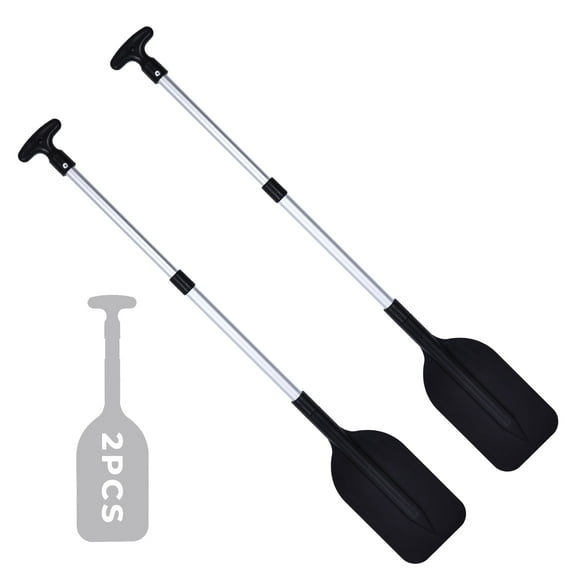
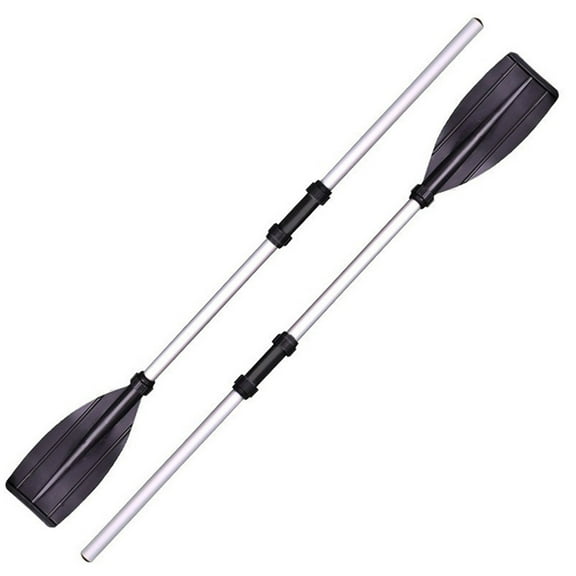
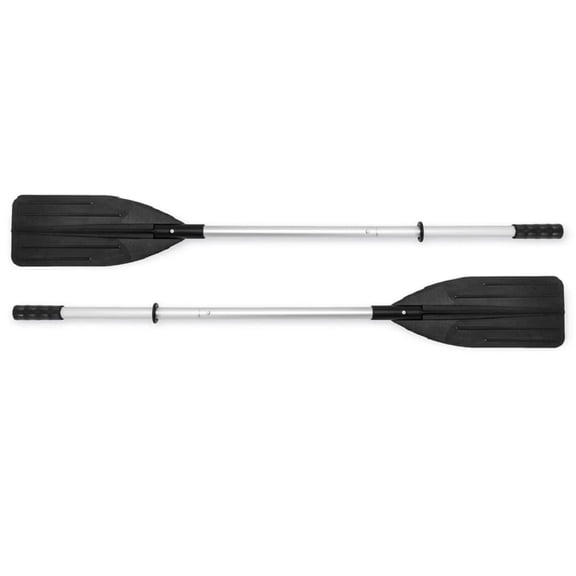
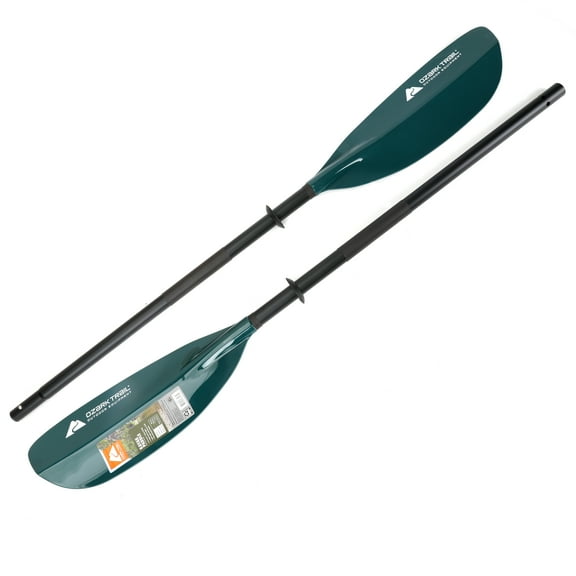
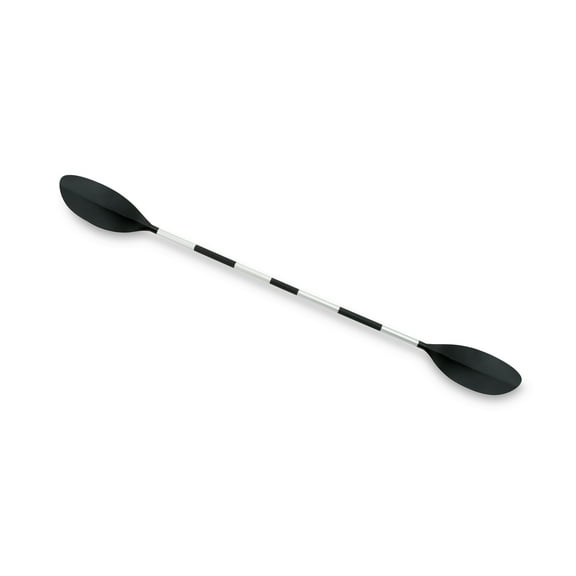
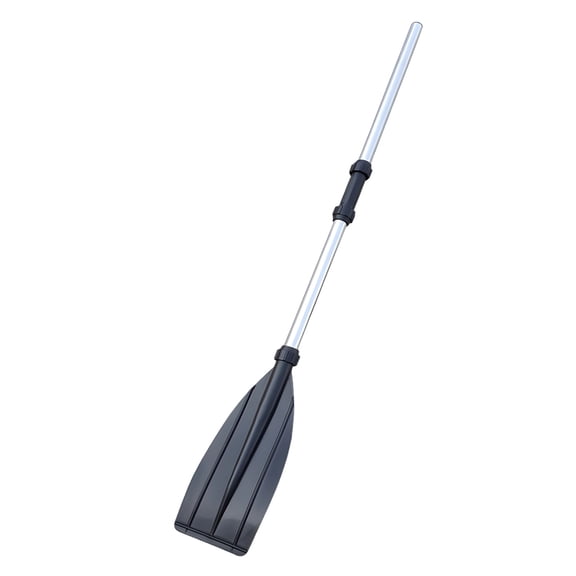
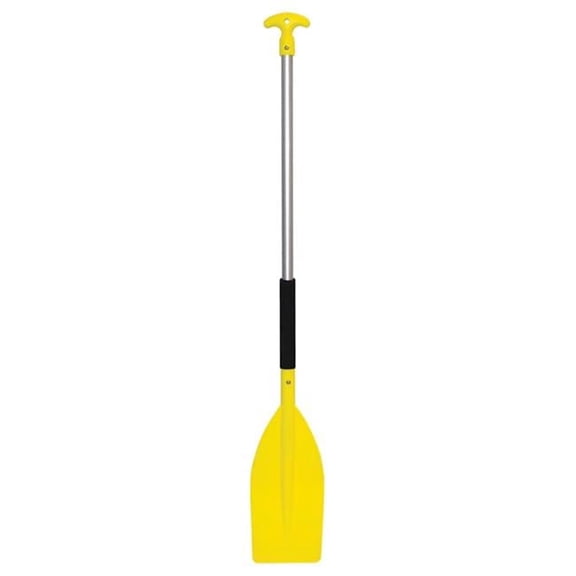
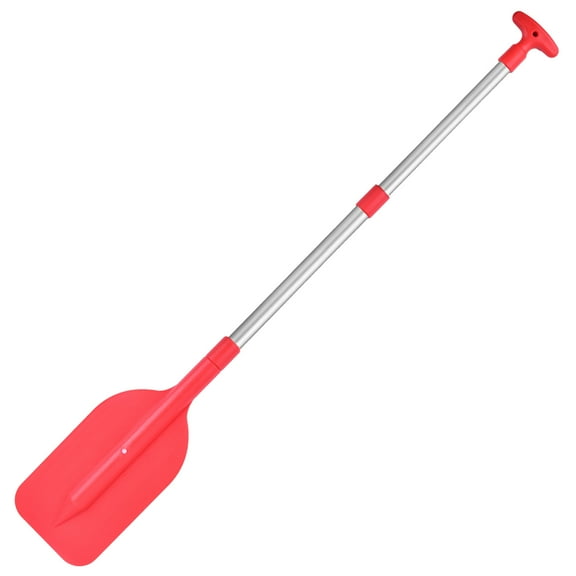
You can also choose one-piece, two-piece collapsible, or telescoping shafts. If your storage space is tight, collapsible oars or telescoping designs can fit more easily in lockers or small compartments.
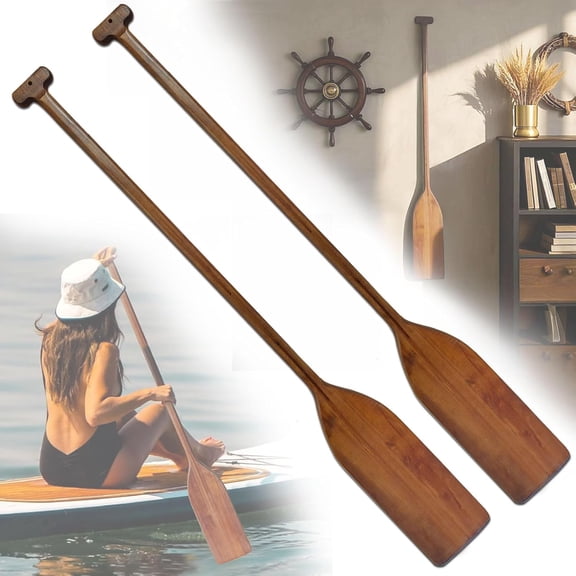
- You can use wooden oars for a traditional rowing feel and steady hand placement.
- You can choose aluminum oars when you want lighter carry weight for frequent loading.
- You can pick collapsible oars if your boat kit needs compact storage between trips.
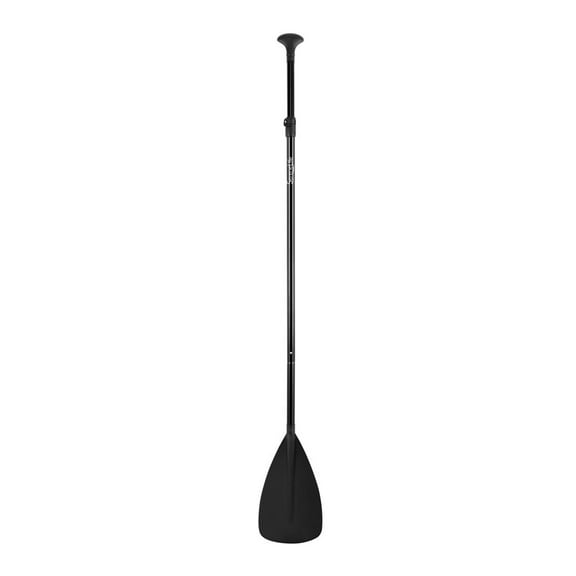
- You can compare telescoping shafts when you want adjustable reach in changing conditions.
What to look for in rowing oars and boat oars
You should measure your boat width before choosing boat oars, because length affects leverage and clearance. You can avoid awkward strokes when your oars match your beam more closely.
Look at grip areas, blade width, and shaft construction as practical decision points. You can also check whether your oars include sleeves or stops for smoother placement in oar locks.
If you use rowing oars for regular lake outings, you may want consistent shaft balance. You can compare one-piece shafts when you want fewer connection points during repeated use.
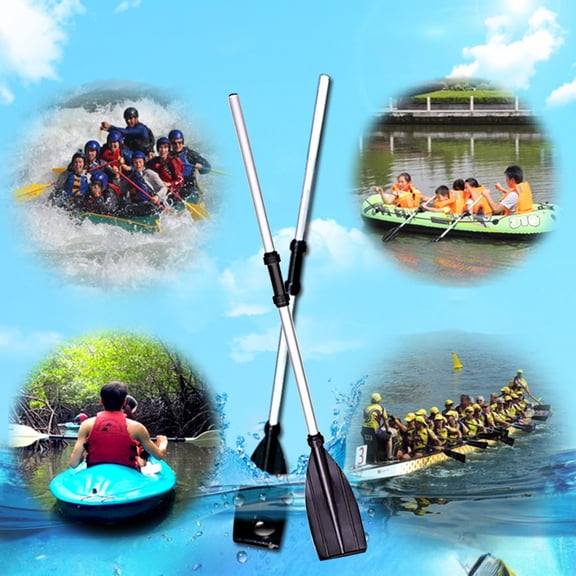
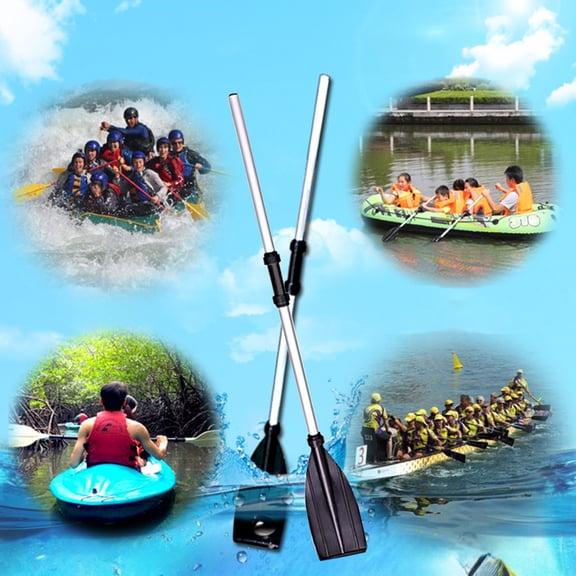
For inflatable boat oars, you should confirm attachment style and packed size before choosing. You can benefit from two-piece designs when your boat deflates into a compact carry bag.
If you keep backup gear onboard, you may prefer emergency oars that store neatly under seats. You can use shorter or collapsible options when space matters more than long-range rowing comfort.
Matching oars to how you use your boat
You can choose rafting oars when you need longer reach and confident control on wider craft. You should compare shaft strength and blade shape if your outings involve current or heavier loads.
For a dinghy tender, you may want lighter oars that lift easily between dock and boat. You can keep loading simple when your setup feels manageable in one trip.
If you row on a pond or lake, wooden oars can feel steady and familiar in your hands. You may also prefer fiberglass or aluminum when you want easier cleanup after frequent outings.
You should think about where your oars will live between trips as well. You can choose one-piece styles for ready storage, or collapsible versions for tighter spaces.
When you build out your marine accessories, you may also check fit with life jackets, anchors, and inflatable boats. You can create a more complete boating setup when your gear works together from launch to landing.
Why these oar details matter
You can row with more confidence when length, material, and oarlock fit all align. This guide helps you narrow choices faster, so your next trip feels smoother from the first stroke.