

Paper Trimmers in Office Supplies





























About Paper Trimmers in Office Supplies - Walmart.com
You can choose a paper trimmer with less guesswork when you compare cutter type, sheet capacity, base material, and cut length. Your projects stay aligned for classroom packets, office forms, photos, cards, and craft paper.
Some shoppers need light trimming for home use, while others handle repeated stacks at school or work. Your results depend on matching the right paper trimmer board and blade style to your routine.
Choosing the right paper trimmer
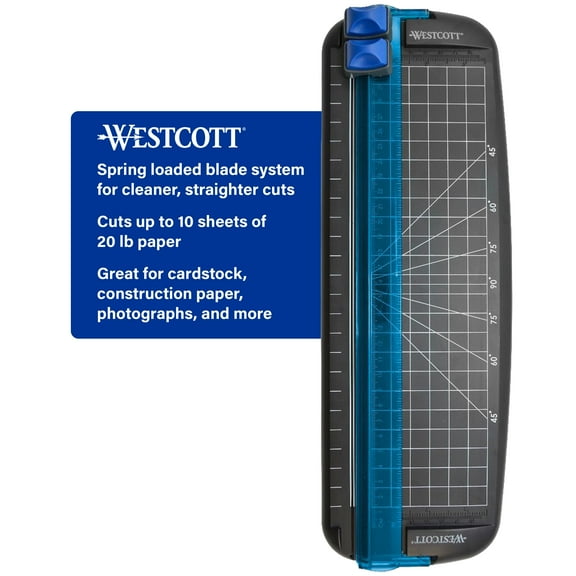
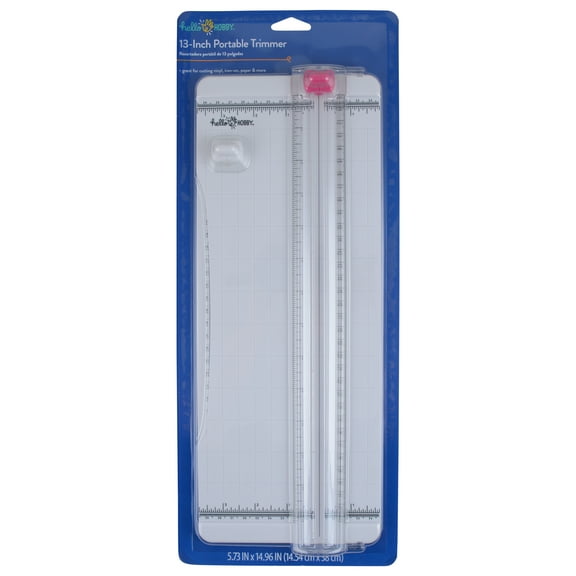
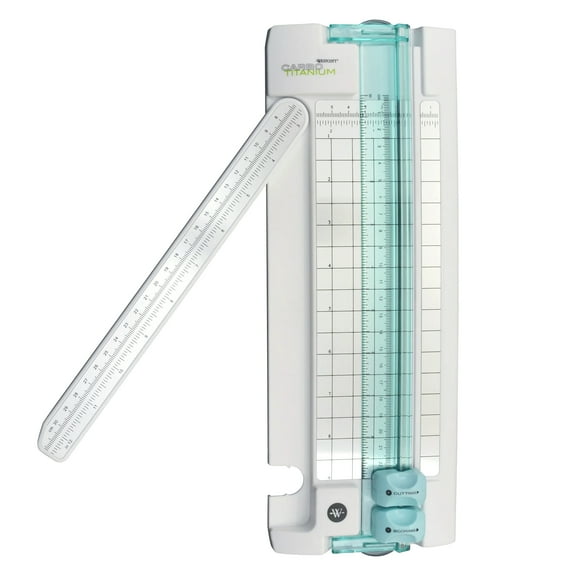
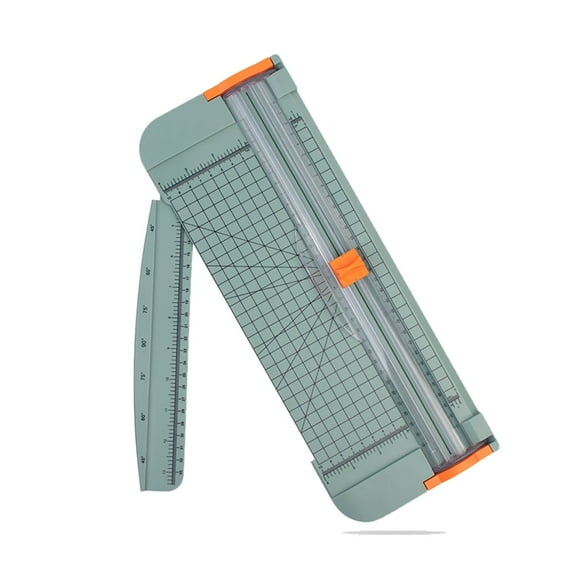
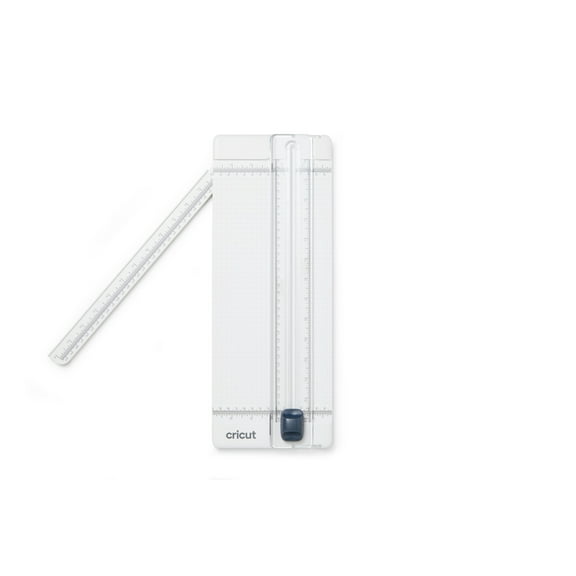
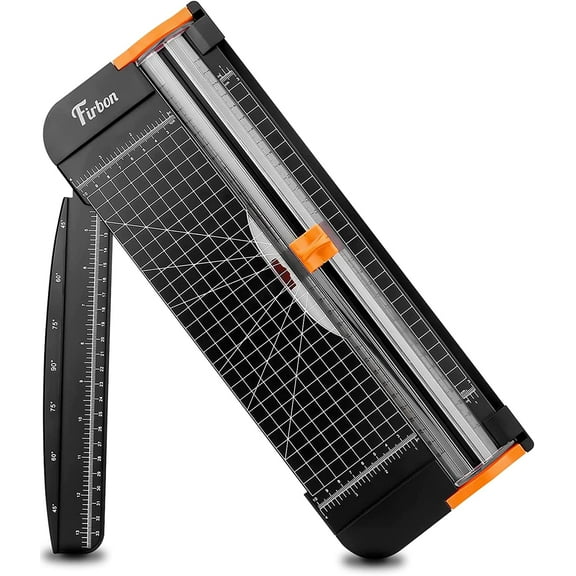
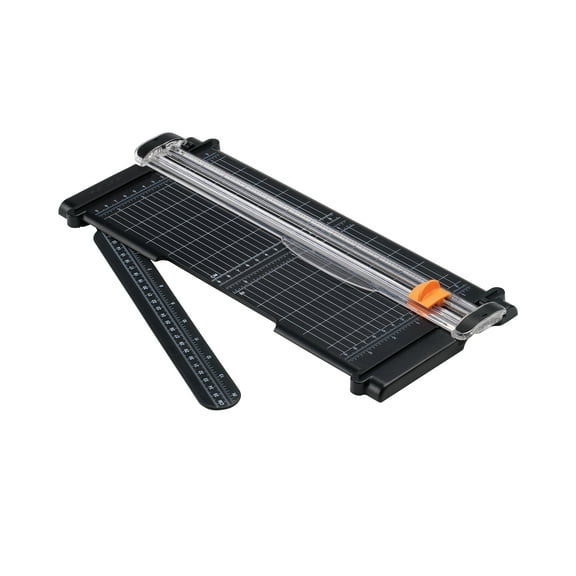
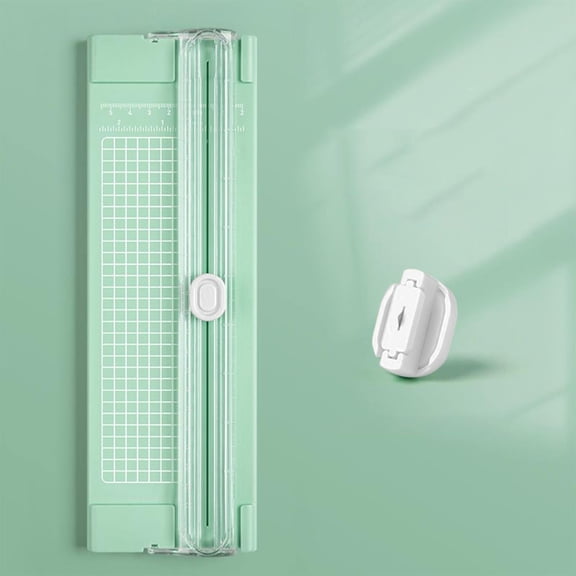
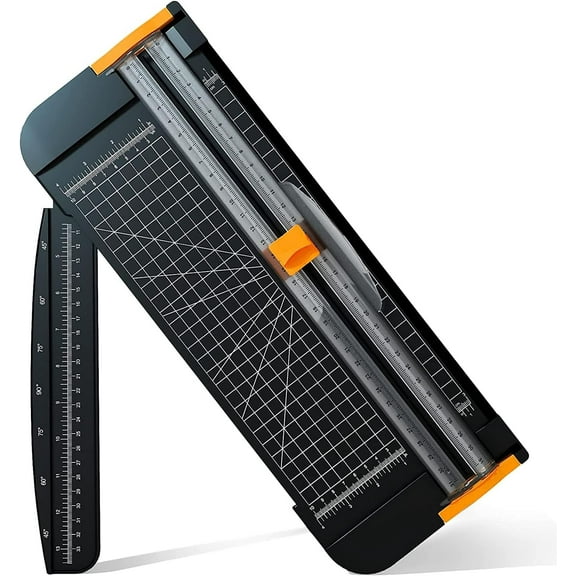
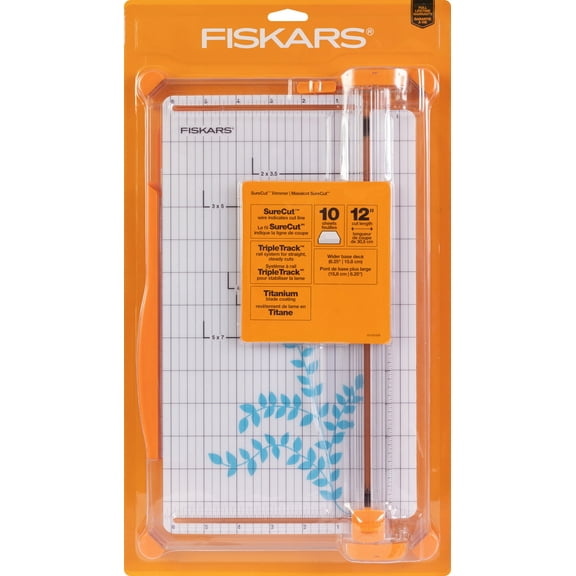
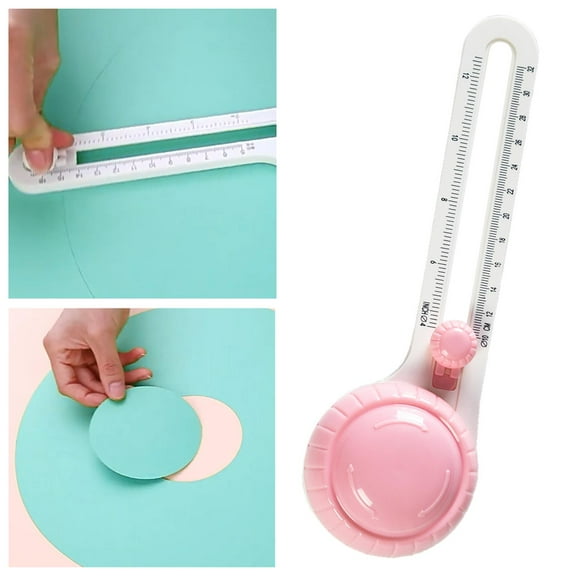
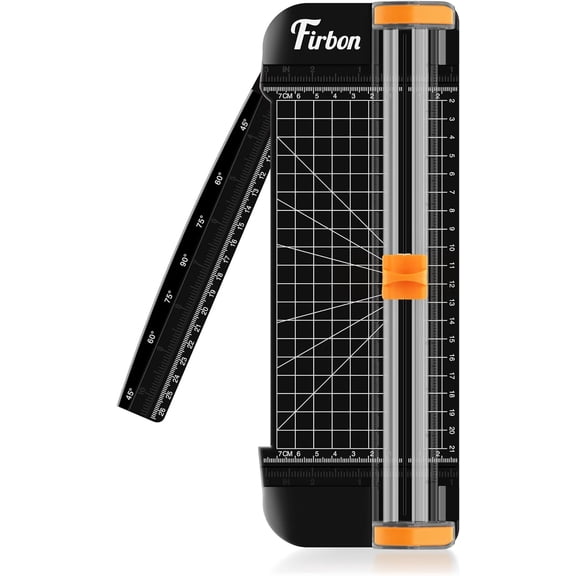
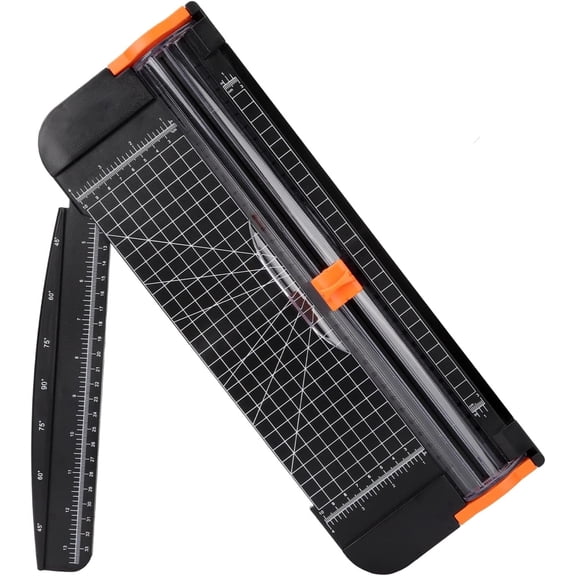
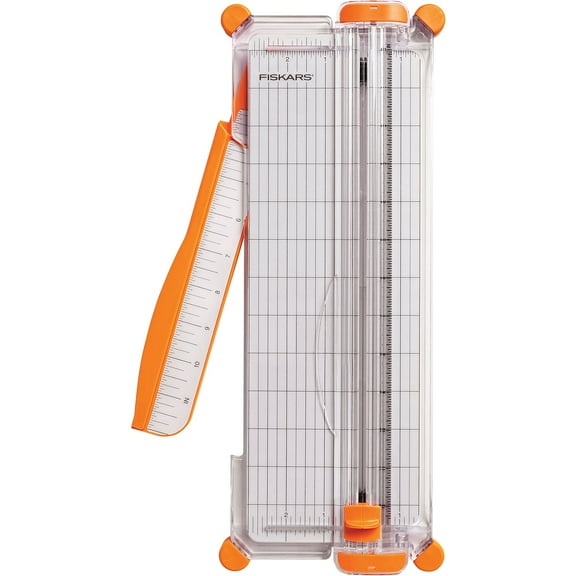
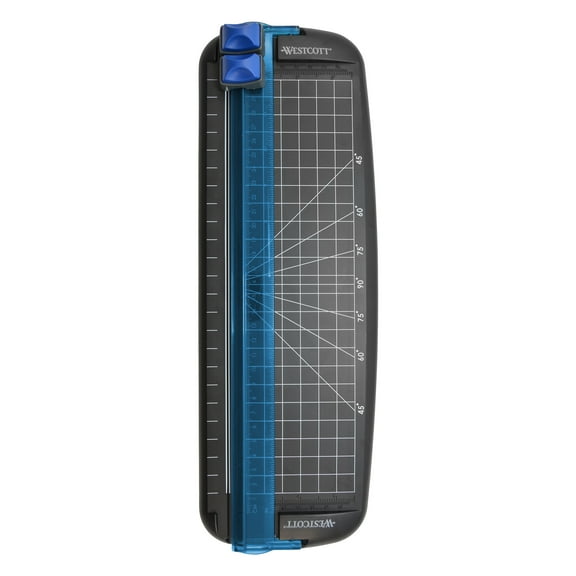
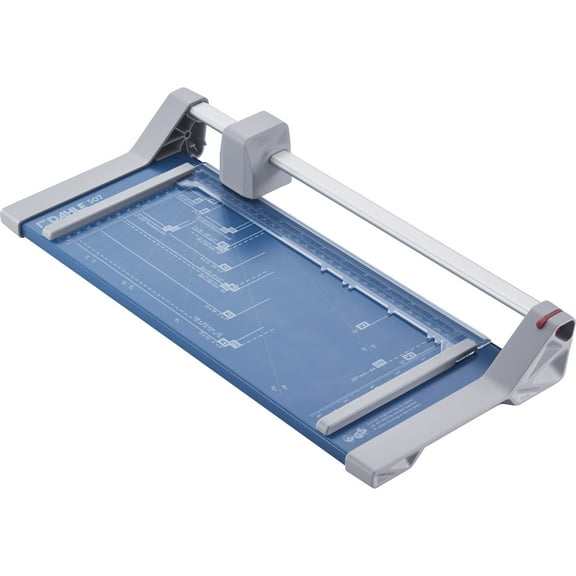
Start with cutter type because your blade style shapes control, speed, and project fit. A rotary model helps you guide photos, invitations, and detailed craft paper along a fixed track.
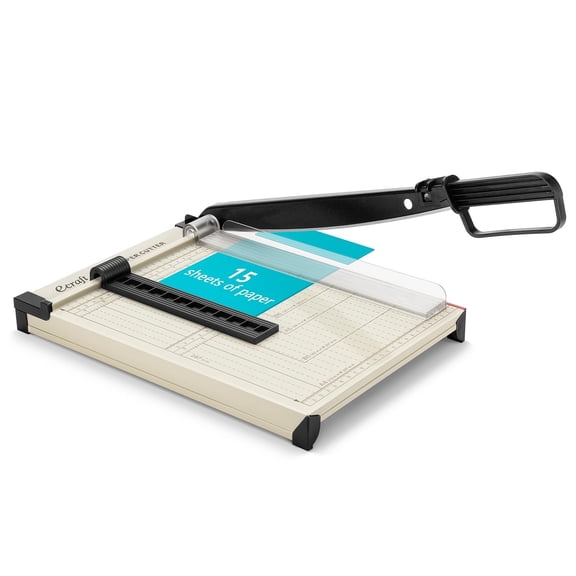
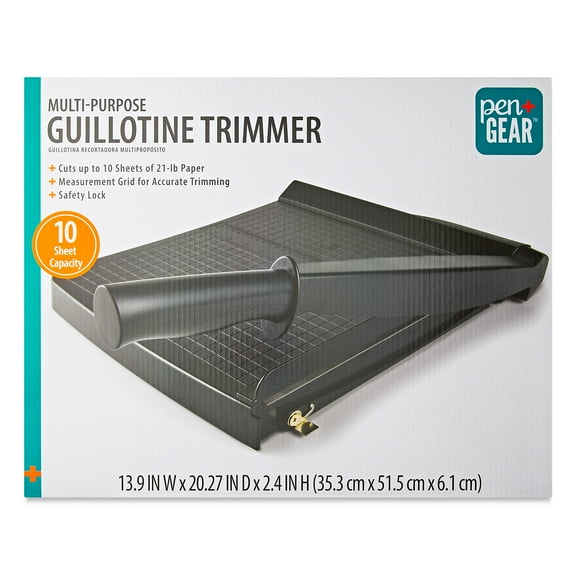
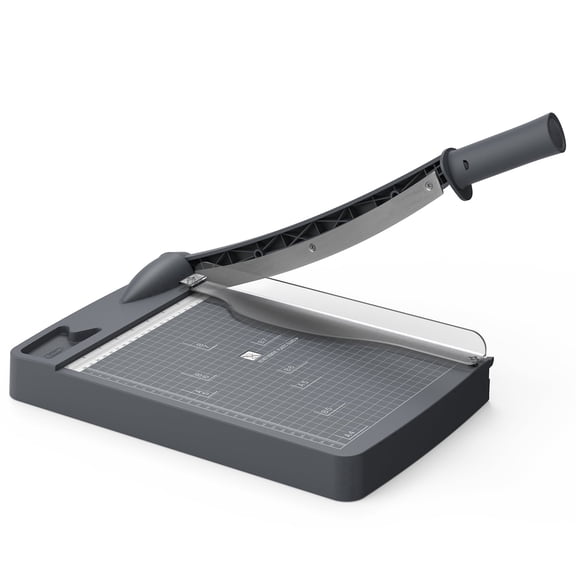
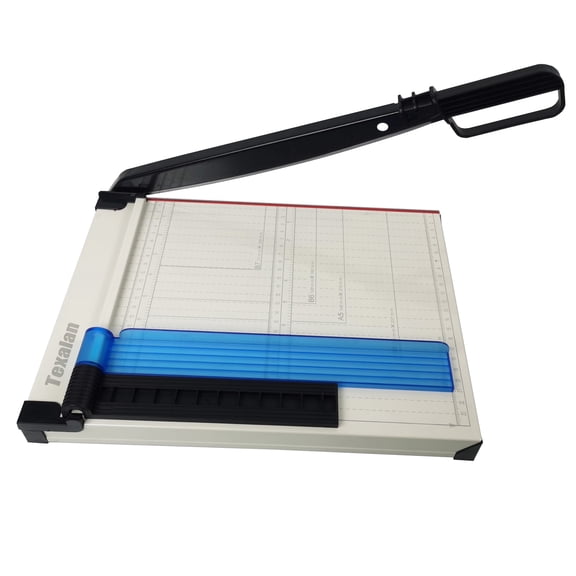
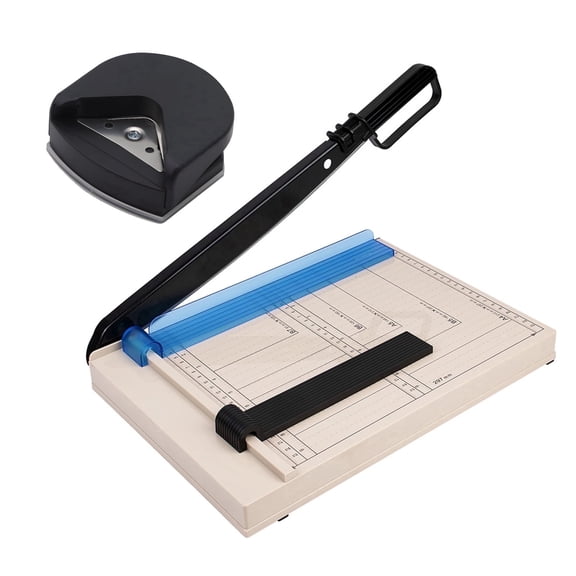
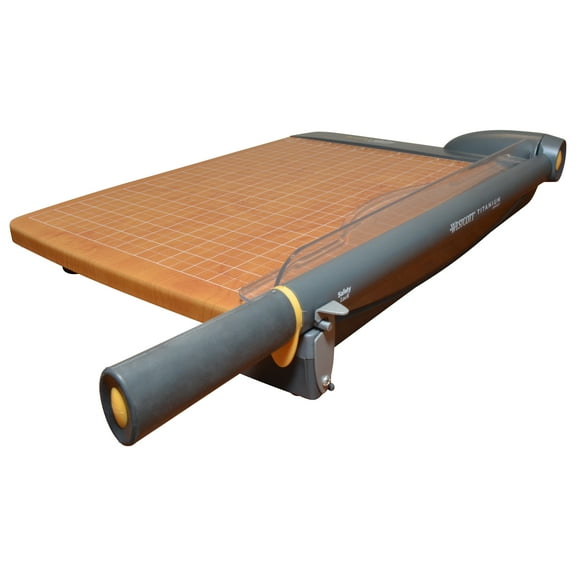
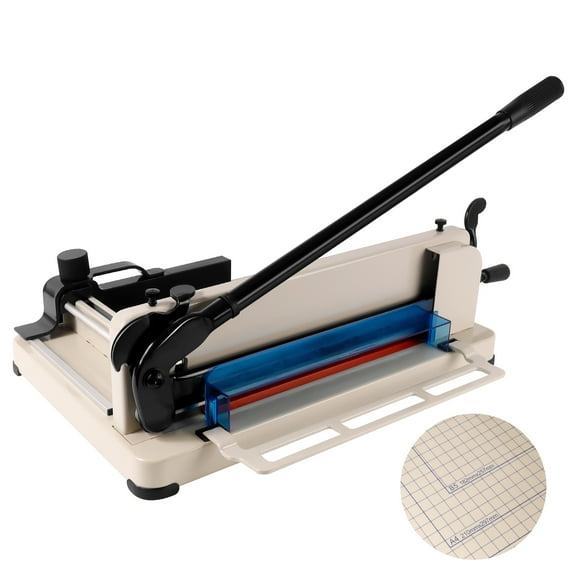
For repeated straight cuts, your workflow may suit a guillotine style with a long arm. A bypass blade gives your hand a familiar motion when your projects need direct downward cutting.
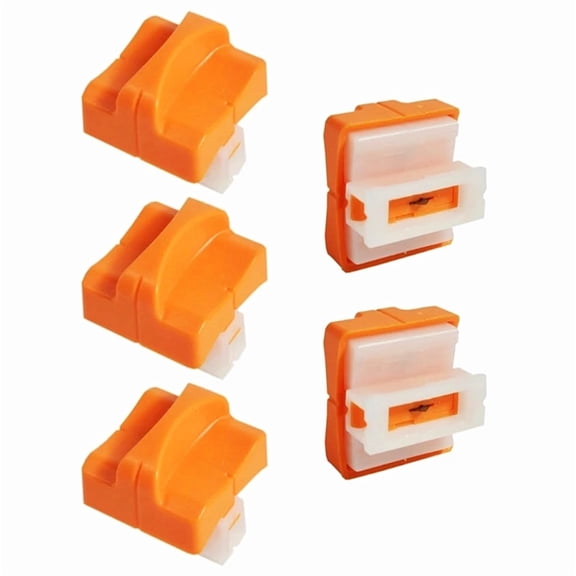
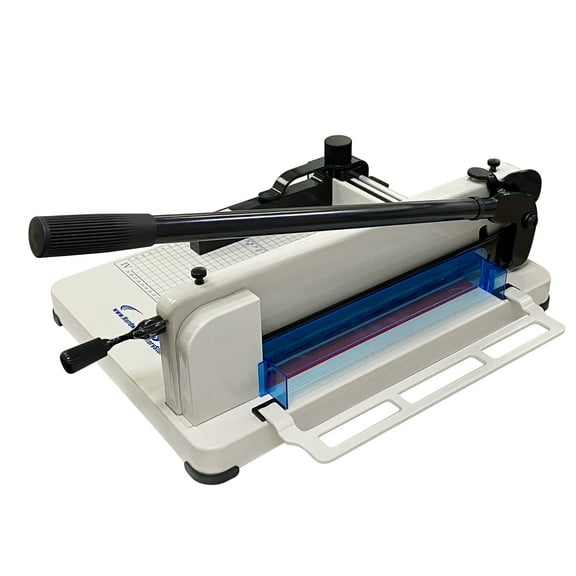
Stack models fit batch work when your desk handles forms, handouts, or repeated office packets. Self-sharpening designs matter when your paper trimmer sees frequent use across many sessions.
- Your rotary cutter supports photo trimming, scrapbook pages, and decorative paper.
- Your guillotine cutter fits forms, flyers, and repeated straight cuts.
- Your stack cutter supports larger batches for office packets and handouts.
- Your alignment guides and rulers help you position each sheet with consistency.
- Your blade guards and safety latches support shared school and office spaces.
Choosing the right paper trimmer board
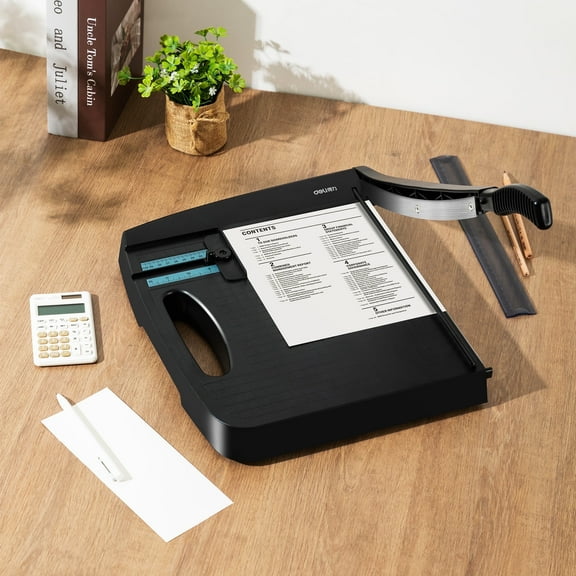
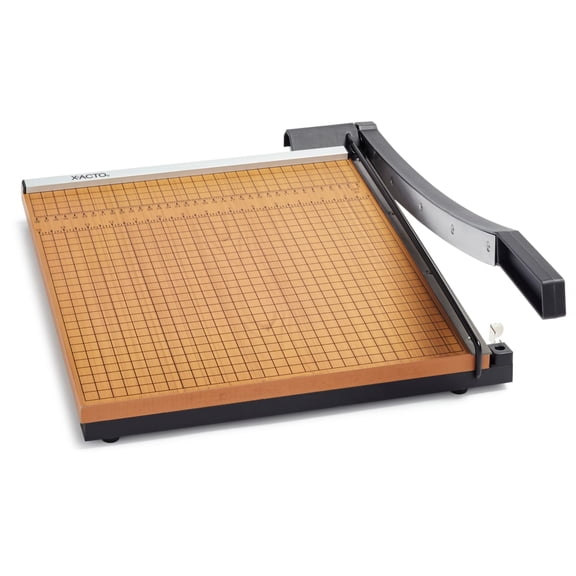
Base material affects how your cutter feels on a desk or worktable during each pass. A plastic board suits light projects, while wood or metal gives your setup a solid cutting surface.
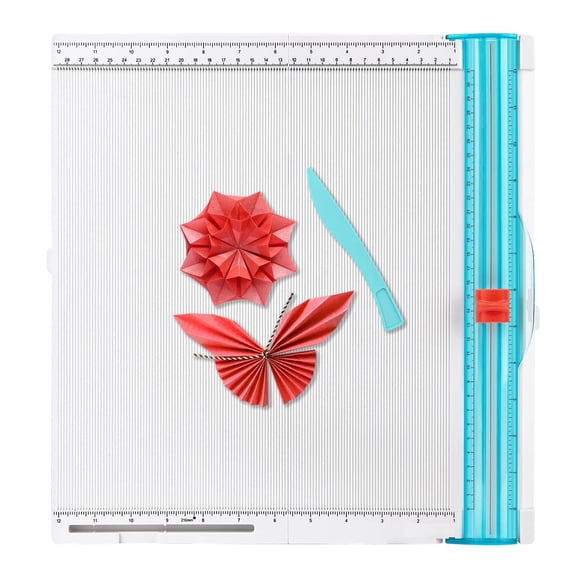
Printed grids and rulers matter when your work includes flyers, labels, certificates, or border strips. Those markings help you line up corners and keep repeated cuts on the same measurement.
Look for a clamp arm or alignment guide when your pages need square placement before cutting. Your paper trimmer board should match how often you trim and how much stability you want.
How to compare paper cutting tools by sheet capacity
Sheet capacity works as a daily workload guide, not just a technical number on a box. Ten-sheet paper cutting tools fit homework pages, coupons, and occasional craft sessions on a small desk.
Thirty-sheet models match agendas, class packets, and office prep that happen several times each week. Fifty-plus sheet options suit thicker stacks when your routine includes repeated straight trimming.
Check whether your cutter’s capacity matches the pile you place under the blade each day. Your edges stay neat when you do not overload paper cutting tools beyond their intended stack height.
Choosing size and straight paper cutter tool options
Measure the pages you trim most before you choose a deck length or format. A 12 inch cutter fits letter paper, photos, and common craft sheets used at home or school.
For larger layouts, your projects may need a 15 inch or 18 inch cutting length. An A4 format works well when your paperwork follows standard office sizing for documents and handouts.
A straight paper cutter tool makes sense when your priority is long, direct cuts on forms or signage. Your setup feels simpler when the scale supports the full page in one pass.
What to look for in safety and control
Safety details matter when your trimmer stays in a classroom, office, or shared craft room. Blade guards, enclosed tracks, and safety latches help you store the cutter between tasks.
Non-slip feet keep your board in place while you line up pages on a desk. Finger guides, handle locks, and marked grids support repeat trimming across newsletters, handouts, and laminated sheets.
If you search paper cutter near me, your real goal is usually quick pickup or delivery. Walmart helps you compare practical safety features online before you choose a cutter for your space.
Rotary vs. guillotine paper cutters for real projects
Rotary styles fit scrapbook pages, photos, and decorative paper because your blade travels inside a guided track. Guillotine styles fit forms and office packets because your long arm handles repeated straight cuts.
A slicer for paper works for compact storage when your home projects happen now and then. Larger cutters suit cardstock, laminating sheets, and classroom prep when your materials cover wider sheets.
Compare your desk size, material thickness, and project frequency before you choose a cutter type. Your final choice can support clean edges, clear alignment, and a routine that fits your actual workload.
When you focus on blade style, sheet capacity, board material, and cut length first, your decision gets simpler. Your paper trimmer can then match home, school, or office tasks with practical control.