






Pen Grips in Pens




About Pen Grips in Pens - Walmart.com
Pen grips help you write with steadier control and a softer hold during class, note taking, and daily tasks. You can compare materials, shapes, and fit details to choose grips that match your writing tools and comfort needs.
How to choose pen grips by material
When you compare silicone, foam, gel, and rubber, you can notice each material changes how your pen feels in hand. You can use that difference to match your preferred cushion, texture, and control.
If you like a firmer feel, silicone pen grips can give your fingers a tacky surface for steady placement. If you want a softer hold, foam pen grips can feel lighter and more cushioned.
Gel options can give you a plush feel that compresses as you write, which can help your grip feel less rigid. Rubber styles can give you textured contact when your hand needs extra traction.
- You can choose silicone for a smooth surface with tactile control.
- You can choose foam when you want a soft, lightweight cushion.
- You can choose gel if your hand prefers a plush, flexible feel.
- You can choose rubber when you want textured grip and steady contact.
Choosing ergonomic pen grips for writing comfort
When you compare ergonomic pen grips, you should look closely at shape because shape changes finger placement. You can often narrow your choice faster by deciding how much guidance you want.
Triangular grips can guide your fingers into a classic writing hold, which many students and learners prefer. Contoured grips can give your thumb and fingers defined resting points for repeatable positioning.
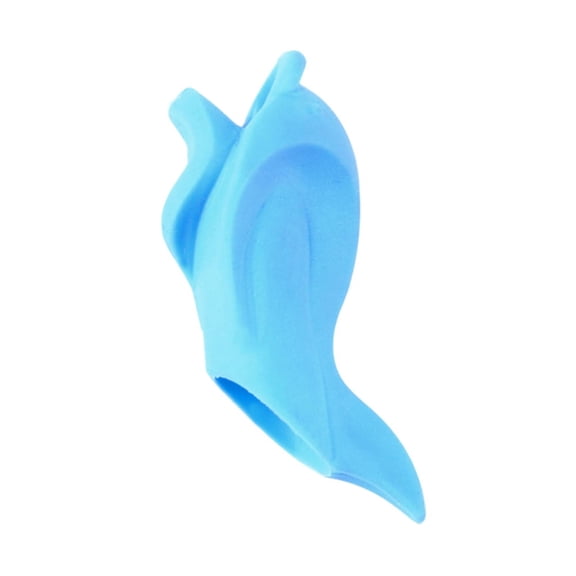
Bulbous styles can fill more of your hand, which may feel easier when a narrow barrel feels hard to hold. Ribbed designs can add texture that helps your fingers stay in place during longer writing sessions.
If your hand tires during long notes, you may prefer cushioned pen grips with a wider feel. If you want more precise strokes, you may prefer a slimmer contour that keeps movement controlled.
What to look for in fit and compatibility
You should check compatibility before you choose, because inner diameter affects whether the grip slides on securely. You can avoid returns by comparing the grip opening with your pen or pencil barrel.
Some pen grips for writing stretch to fit standard pens, while others work better on pencils or crayons. You should also check whether your writing tools have clips, thicker barrels, or mechanical parts.
If you’re choosing pencil grips, you may want a snug fit that stays put during homework and handwriting practice. If you’re using stylus pens, you should look for grips sized for slimmer digital writing tools.
You can also compare length, because longer grips cover more barrel area and change where your fingers rest. Shorter grips can feel less bulky if you prefer a lighter touch.
Matching pen grips to kids, students, and adults
You can choose pen grips for kids when you want extra guidance for finger placement and early writing practice. You may prefer triangular or bulbous shapes when your child is learning how to hold a pencil consistently.
Students often need pencil grips that stay comfortable through class notes, worksheets, and test prep. You can look for foam or silicone options when you want a balance of cushion and control.
Adults may want ergonomic pen grips that make daily journaling, form filling, or office writing feel easier to manage. You can compare contoured and ribbed styles when you want more stability without changing pens.
If your hand prefers a wider hold, you may consider pen grips for arthritis with more cushioning and a fuller shape. You can focus on comfort, texture, and barrel fit instead of changing your favorite writing instrument.
Using pencil grips in everyday writing routines
You can use pencil grips during handwriting practice, classroom work, sketching, and long planning sessions at your desk. You can notice that the right grip changes how steady and relaxed your hold feels.
During back-to-school shopping, school supply pen grips can help you set up pencils and pens for daily assignments. You can keep extra grips in backpacks, desks, or pencil cases for quick swaps.
If you write for long stretches, ergonomic pen grips can help you maintain a consistent hold across meetings and study blocks. You can also use them on crayons or stylus pens when your routine includes drawing or digital notes.
When you compare pen grips by material, shape, target user, and compatibility, you can make a clearer choice faster. You can end up with a writing setup that feels more natural from the first page to the last line.