

Pocket Calendars & Purse Size Planners | Walmart

























About Pocket Calendars & Purse Size Planners | Walmart - Walmart.com
Your pocket planner keeps dates close at hand without taking over your bag or desk. You can compare slim sizes, layout styles, and cover materials to match daily planning.
How to choose a pocket planner size
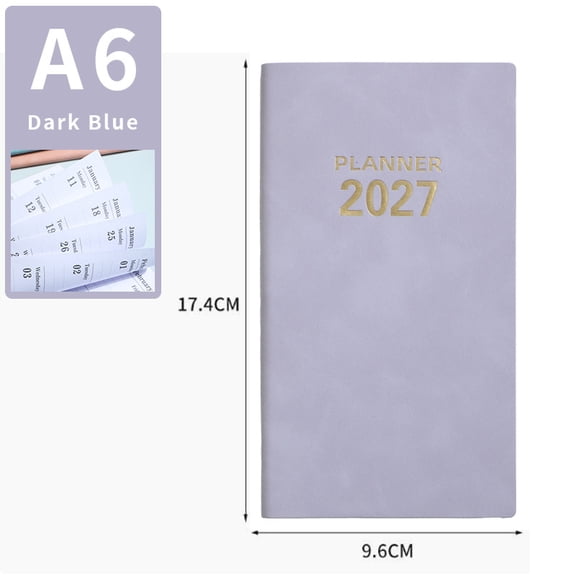
You should start with the dimensions that fit your purse, coat pocket, or work bag. You can compare common sizes like 3.5 x 6.5 inches and 4 x 6 inches.
If you carry a phone, wallet, and keys together, you'll likely prefer a slim or compact format. You can slip a small pocket calendar into tight spaces where full planners feel bulky.
When you compare measurements, you can avoid a planner that feels too tall for your purse. You should check width and thickness if you carry pens, cards, or sticky notes.
Choosing the right monthly pocket planner
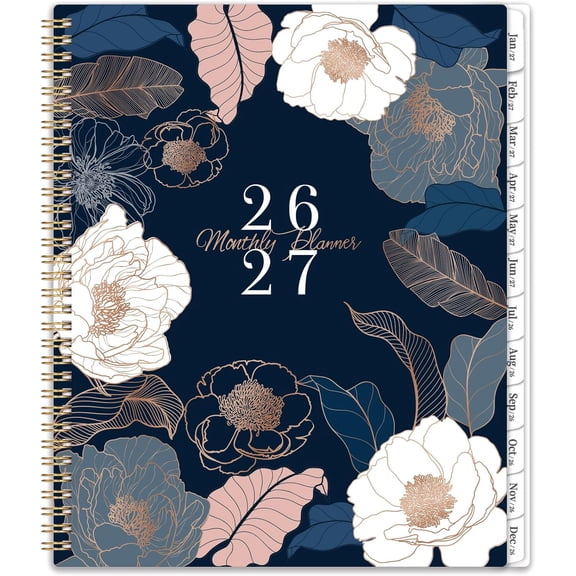
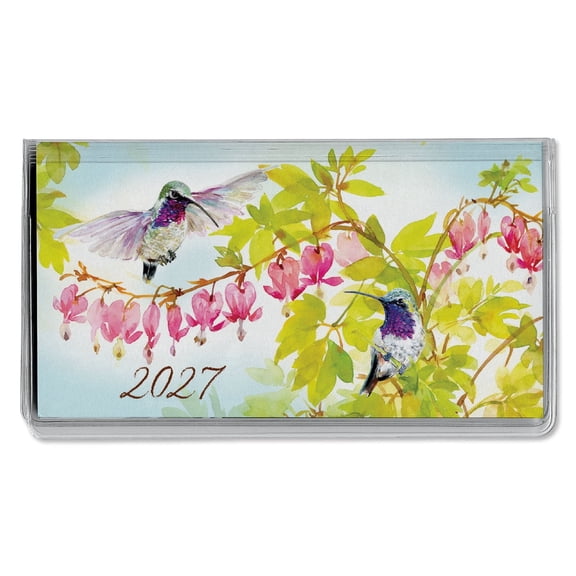
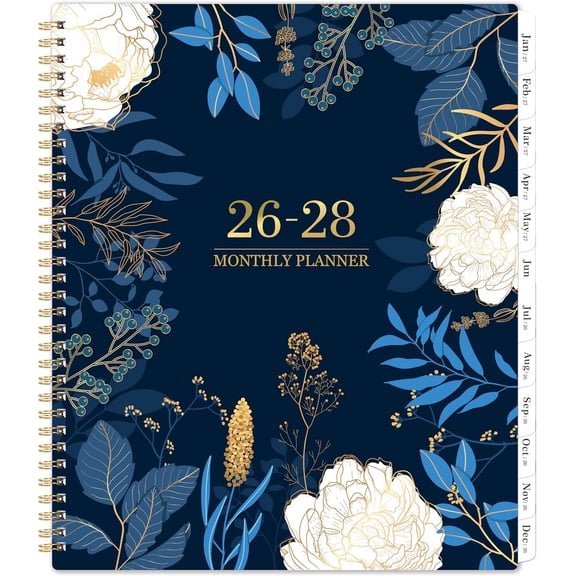
You can use a monthly pocket planner when you want a clear view of appointments, deadlines, and travel dates. You'll see your month at a glance, which helps you plan faster.
If you track classes, billing dates, or family events, you may prefer a monthly grid. You can spot open days quickly and pencil in plans without flipping many pages.
- You can keep important dates visible in a compact format.
- You can carry a pocket calendar for purse use during errands or commuting.
- You can choose weekly spreads when your schedule needs more writing space.
- You can pick daily checklist pages when you track tasks beside appointments.
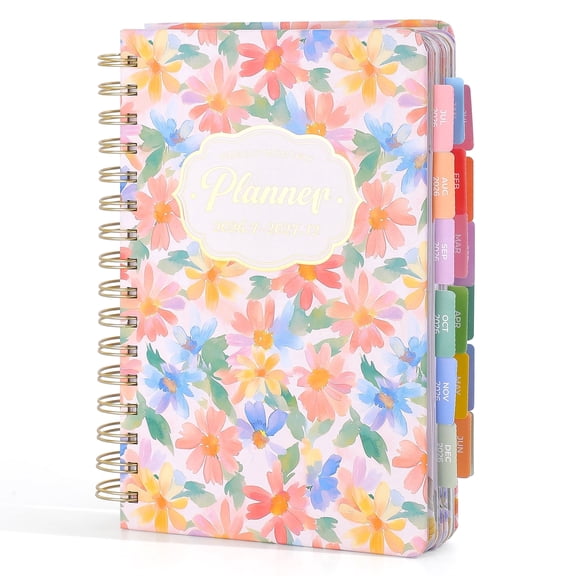
For lighter planning, you may choose a small pocket calendar with monthly pages. If you manage detailed routines, you may want weekly spreads between monthly overviews.
Comparing 12-month, 18-month, and 2 year pocket planner options
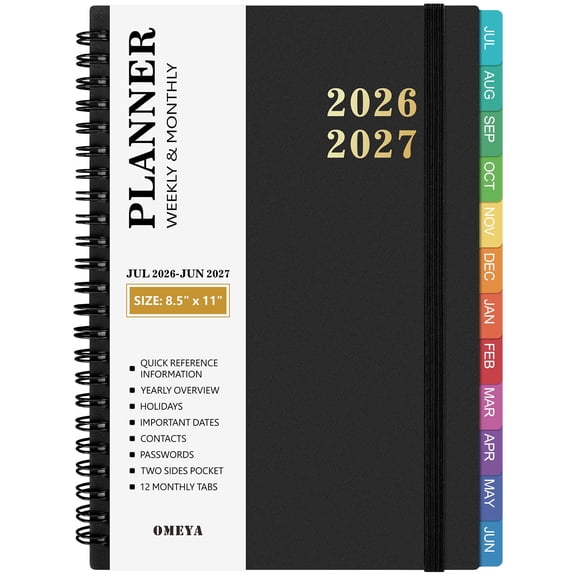
You should choose your timeframe based on how far ahead you plan. You can keep a 12-month planner for one calendar year or school year.
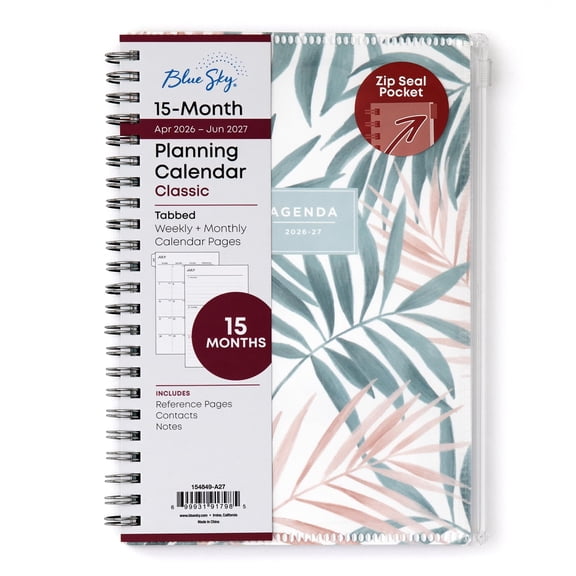
If your schedule crosses semesters, fiscal periods, or long projects, you may want 18-month coverage. You can reduce midyear planner changes during important routines.
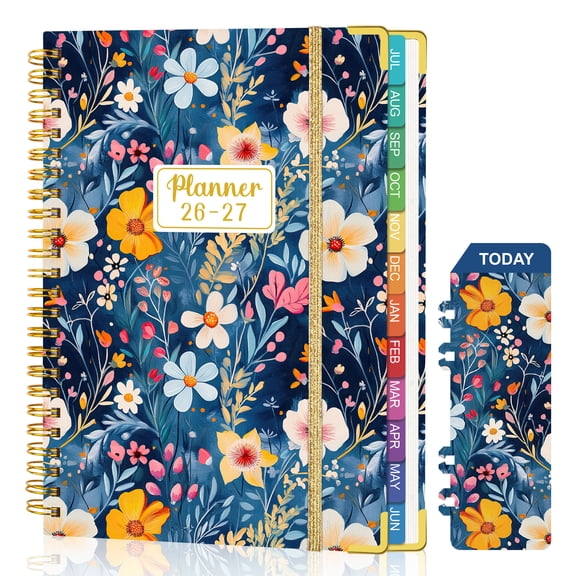
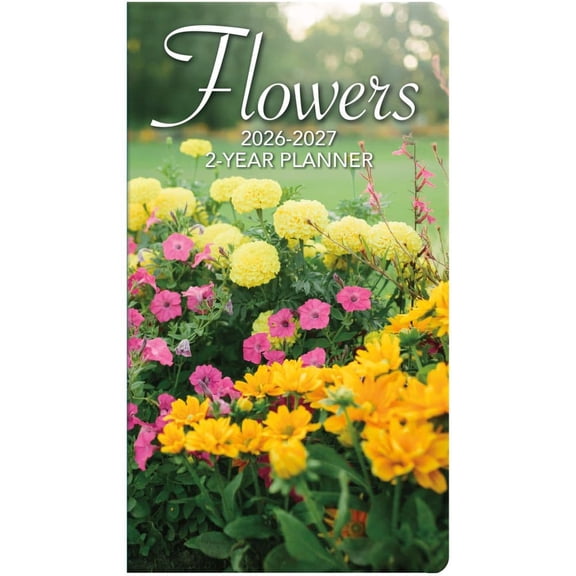
A 2 year pocket planner works well when you track future goals, renewal dates, and long-range reminders. You can keep birthdays, anniversaries, and recurring events in one place.
If you're already planning ahead, you may also look for a 2025 pocket planner. You can line up the right year early and avoid replacing your planner too soon.
What to look for in layout and paper details
You should match the layout to the way you write and review your schedule. You can choose monthly grids for overview planning, weekly spreads for balance, or daily checklists for task tracking.
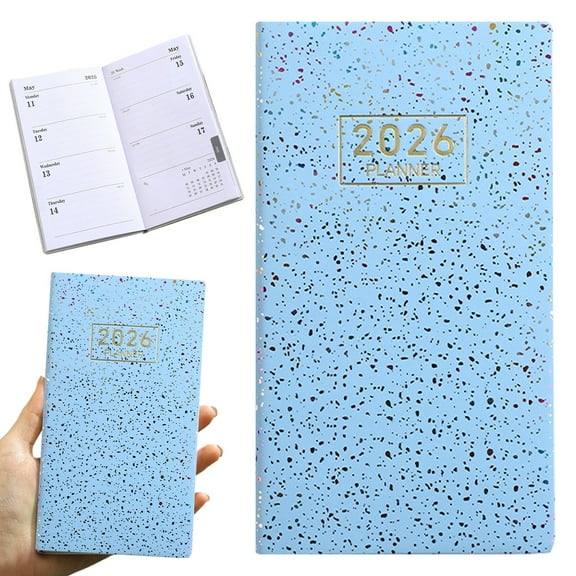
When you write short notes, a compact weekly planner can give you enough room without extra bulk. You can separate meetings, errands, and reminders across each week.
Paper feel matters when you use pens, pencils, or markers throughout the year. You should look for pages that feel sturdy enough for regular writing and page turning.
If you write heavily, you may prefer a format with simpler layouts and fewer cramped boxes. You can keep notes readable and reduce messy edits on smaller pages.
Picking a cover material for daily carry
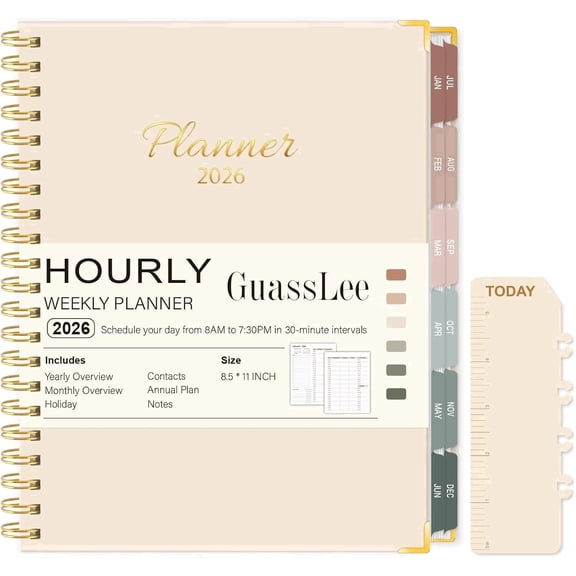
You can choose flexible plastic when you want a lighter planner that bends easily in a packed bag. You may like this option for commuting, travel, or quick daily use.
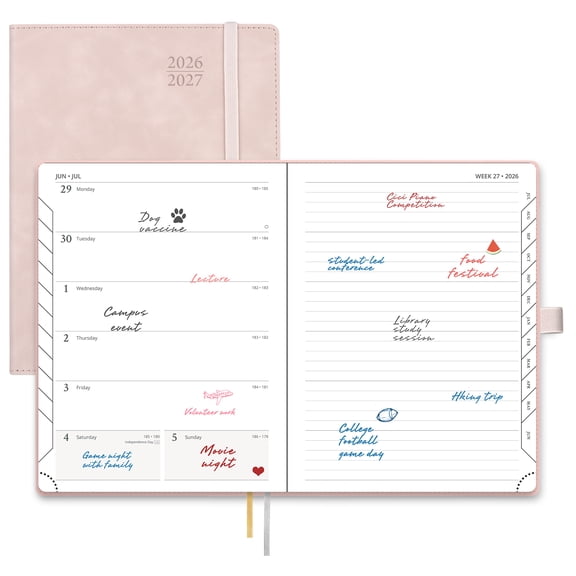
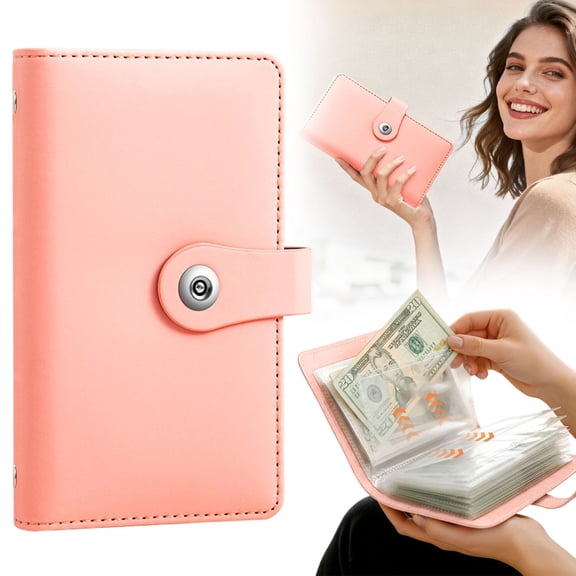
If you want a polished look, you can consider faux leather covers. You may prefer that finish when your planner moves from meetings to personal errands.
Hardcover styles can feel more structured when you write without a desk. You can brace the planner in your hand more easily during classes, appointments, or transit.
Matching pocket planners to real routines
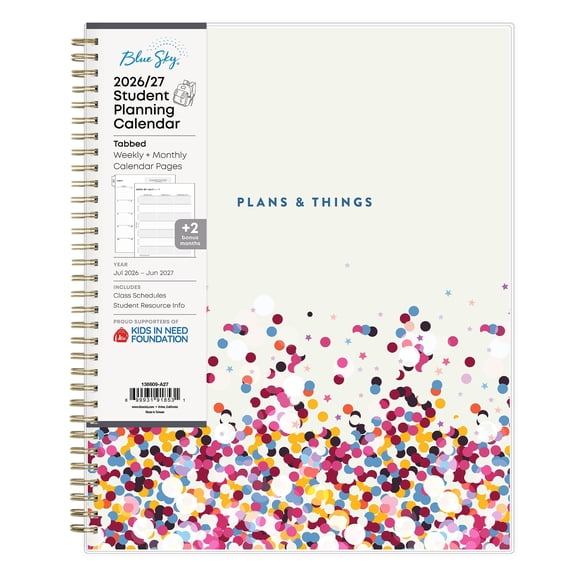
If you plan around classes or term dates, you should compare academic coverage and compact dimensions first. You can carry a small planner between lectures without weighing down your backpack.
For work travel, you may want a pocket planner with monthly views and a durable cover. You can check flights, meetings, and hotel dates while moving through your day.
If your family calendar changes often, you may prefer weekly spreads for clearer day-by-day notes. You can track pickups, practices, and appointments in a format that stays easy to scan.
When you want simple organization, a small pocket calendar can handle birthdays, bill reminders, and events. You can keep it in your purse and check dates in seconds.
Your pocket planner works well when its size, timeframe, layout, and cover match the way you plan. You can stay organized with a format that travels easily and keeps your schedule visible.