












Premium Tech in Electronics

















































About Premium Tech in Electronics - Walmart.com
High-end electronics help you build a connected setup with sharper sound, smarter control, and faster performance. You can compare advanced technology devices here by compatibility, power source, audio profile, and setup needs.
Choosing high-end electronics by connectivity
When you compare smart home electronics, you should start with connectivity because it shapes how your devices communicate. You can avoid setup friction when your speakers, cameras, hubs, and displays share the right standard.
You may want Wi-Fi 6E if your home handles heavy streaming, quick downloads, and multiple connected rooms. You can look at Bluetooth 5.3 when you want stable pairing for wearable technology, earbuds, and portable audio gear.
If your setup includes sensors, lights, or automation routines, you should check whether Zigbee support fits your ecosystem. You can choose wired connections when you want dependable signal strength for home theater gear and stationary components.
You should also compare smart integrations before you choose a device for daily use. You can streamline routines when Alexa, Google Assistant, or Apple HomeKit matches the platform you already use.
- You can reduce setup steps when your devices share Wi-Fi 6E, Bluetooth 5.3, Zigbee, or wired support.
- You can keep voice controls consistent when your smart integrations match Alexa, Google Assistant, or Apple HomeKit.
- You can create smoother routines when your advanced technology devices work across speakers, displays, hubs, and wearables.
- You can narrow choices faster when you compare compatibility before design details or screen size.
What to look for in audio and power features
You should compare audio profiles carefully because sound tuning changes how music, movies, and calls come through. You can use those labels as a shortcut for the listening experience you want every day.
If you choose Dolby Atmos, you can expect a wider sound field that adds dimension around your room. If you choose hi-res audio, you may notice finer detail in vocals, instruments, and layered recordings.
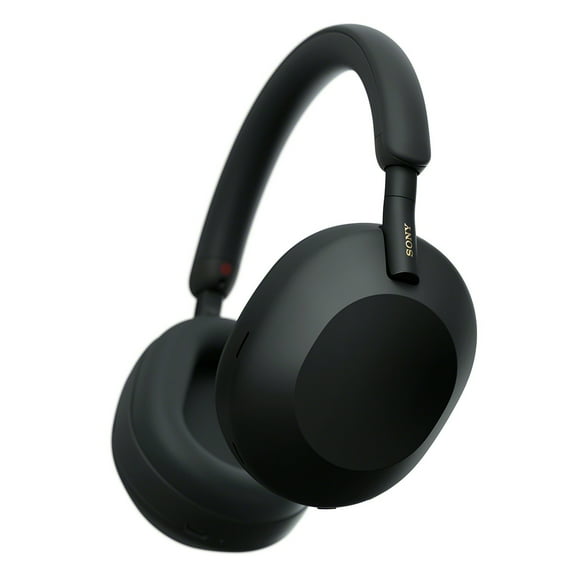
When you compare active noise cancelling options, you can focus on how isolated and focused your listening feels. You can use that feature for travel, work sessions, or busy rooms where outside sound competes.
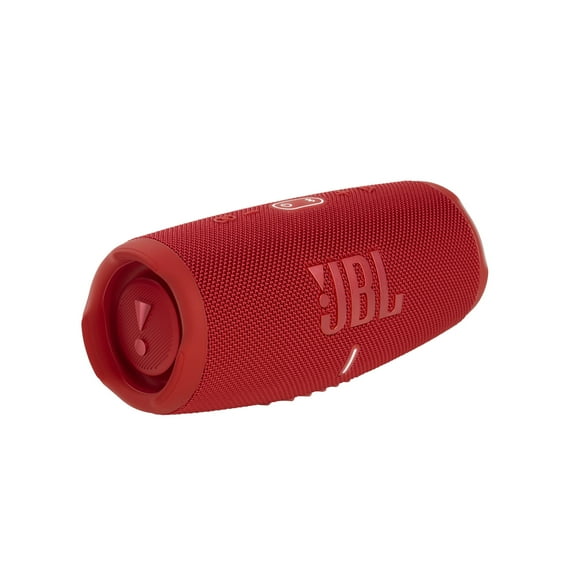
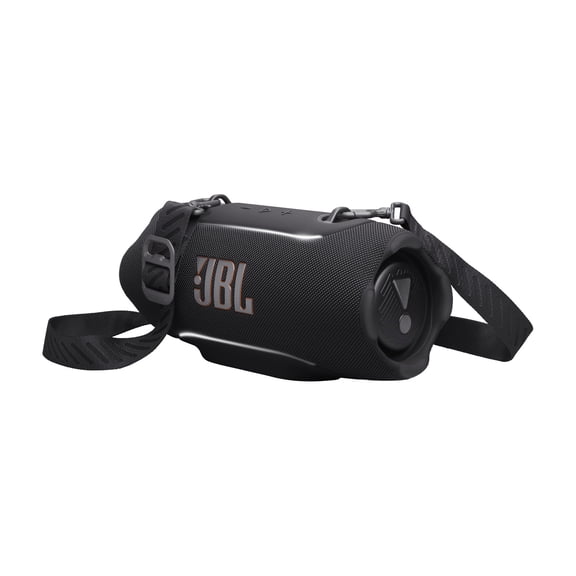
Power source matters too because it affects where and how often you use your electronics. You can choose rechargeable battery models for portability, while hardwired options suit fixed spaces and all-day operation.
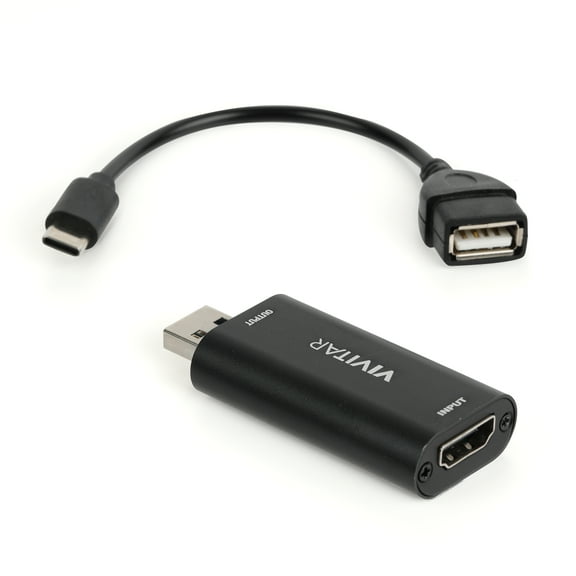
If you prefer flexible charging, you should look for USB-C powered designs across innovative gadgets and accessories. You can simplify cords and adapters when your newer gear shares one charging standard.
You should also weigh battery life against performance modes when you compare wearable technology or portable audio. You can get longer daily use from lower-power settings, while enhanced modes may prioritize stronger features.
Comparing smart home electronics for setup and integration
You can make smarter choices in smart home electronics when you check ecosystem compatibility before appearance or color. You should compare protocols like Zigbee or Matter support when you want connected devices to respond together.
If your goal is room-to-room automation, you can look for products that fit your existing hub and voice assistant. You can keep routines simple when lights, speakers, and sensors follow the same commands.
Installation complexity should guide your choice just as much as feature lists. You can often set up rechargeable or USB-C powered devices quickly, while hardwired models may fit planned spaces better.
For apartments or temporary setups, you may prefer flexible devices that move easily between rooms. For dedicated media rooms, you can choose wired or hardwired components that stay in place and support consistent performance.
You should think about screen time, listening habits, and room layout before you compare advanced technology devices. You can avoid mismatches when your setup supports your daily routines instead of forcing new ones.
Matching high-end electronics to real-life use
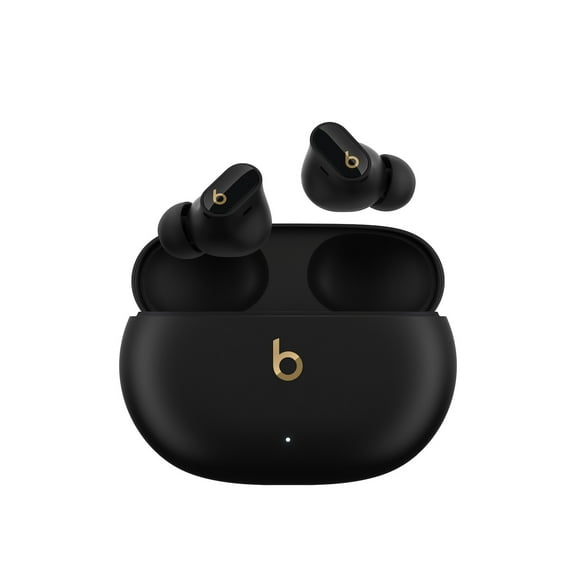
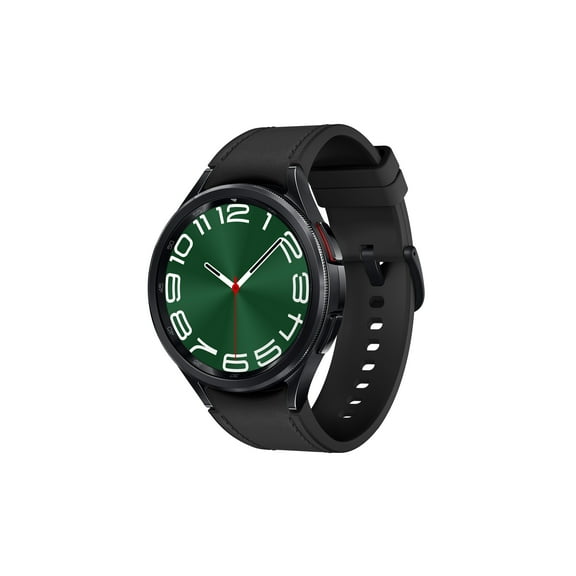
You can build a streamlined workday with wearable technology, Bluetooth 5.3 accessories, and active noise cancelling audio. You can move between calls, commutes, and focused tasks with fewer interruptions and easier charging.
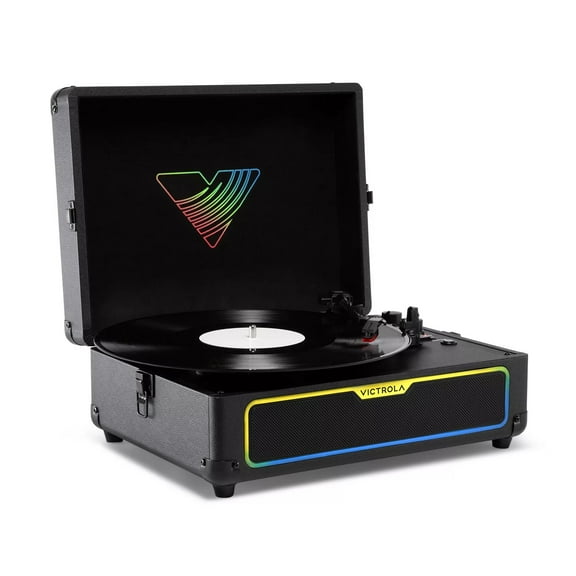
If you enjoy movie nights, you may want home theater gear with wired connections and Dolby Atmos support. You can create fuller room sound and more reliable playback when your entertainment setup stays anchored.
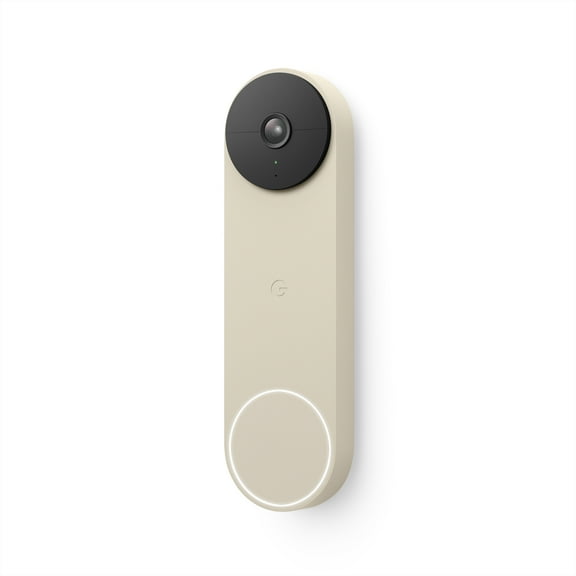
For a connected household, you can pair smart home electronics with Zigbee support and familiar voice integrations. You can control lighting, speakers, and displays through routines that fit mornings, evenings, and shared spaces.
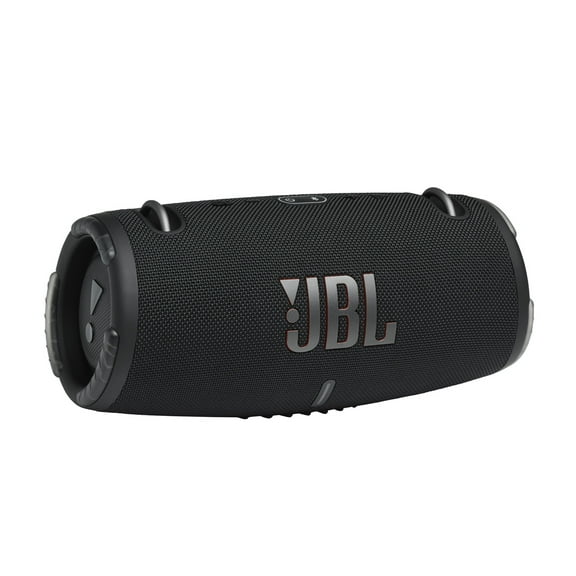
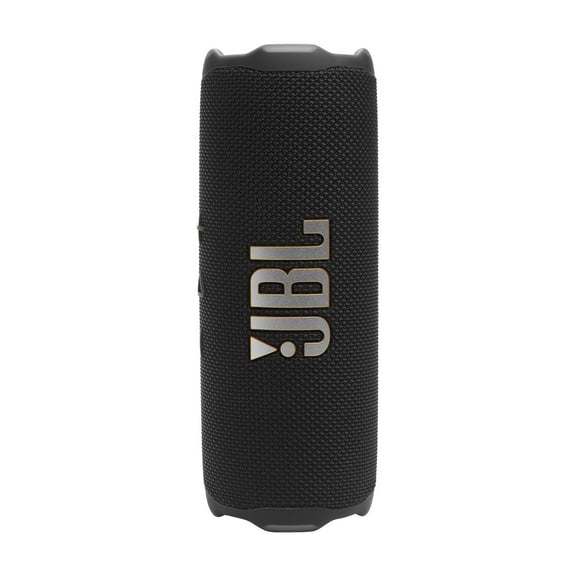
If portability matters, you should compare rechargeable battery and USB-C powered options across innovative gadgets. You can pack fewer chargers and keep your devices ready across travel, office, and home use.
You may also want high-fidelity audio equipment if detailed listening matters in your daily routine. You can focus on hi-res audio for nuance, or choose noise cancelling when your environment stays active.
With the right high-end electronics, you can create a setup that fits your ecosystem, your space, and your everyday habits. You can feel confident when your devices connect smoothly, sound clear, and work the way you expect.