

Rapala in Shop Fishing Brands








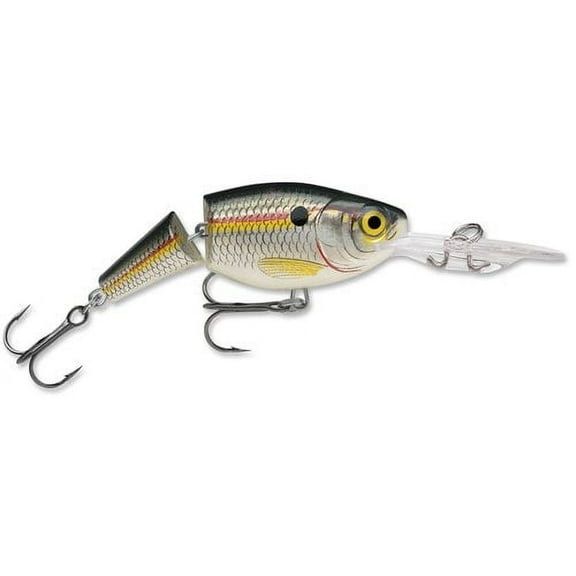


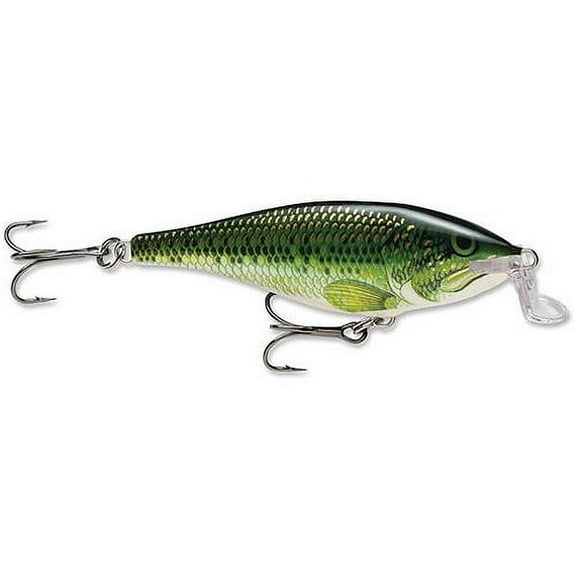


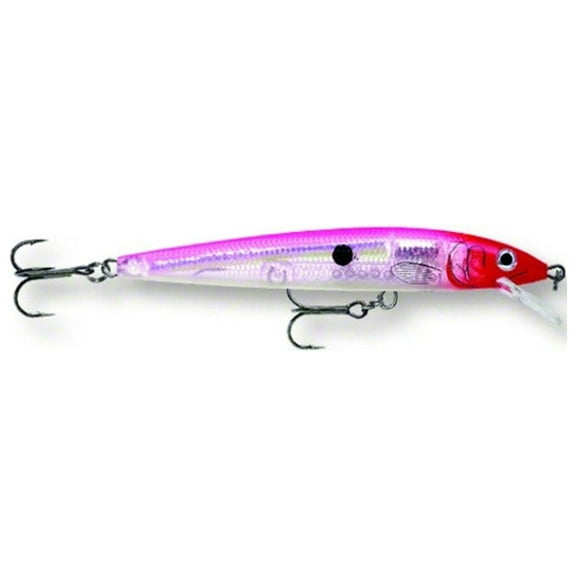


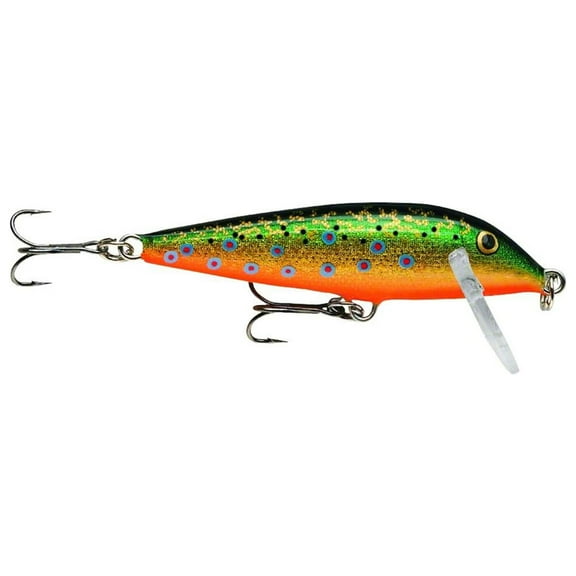















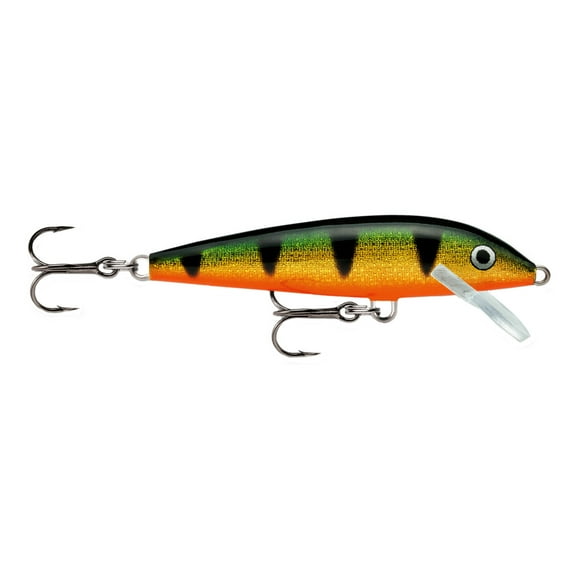
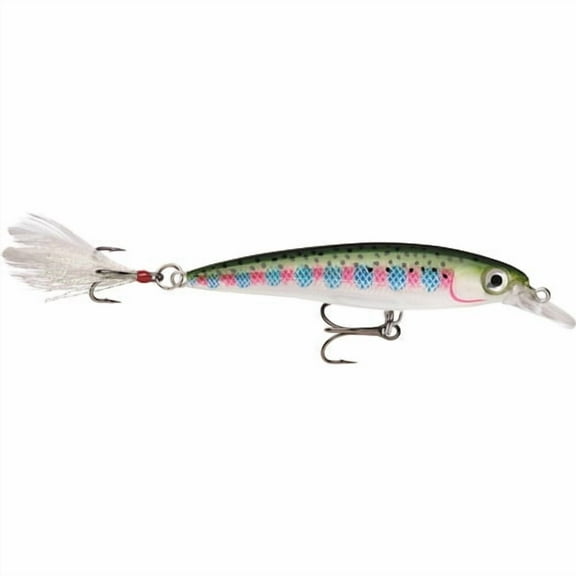
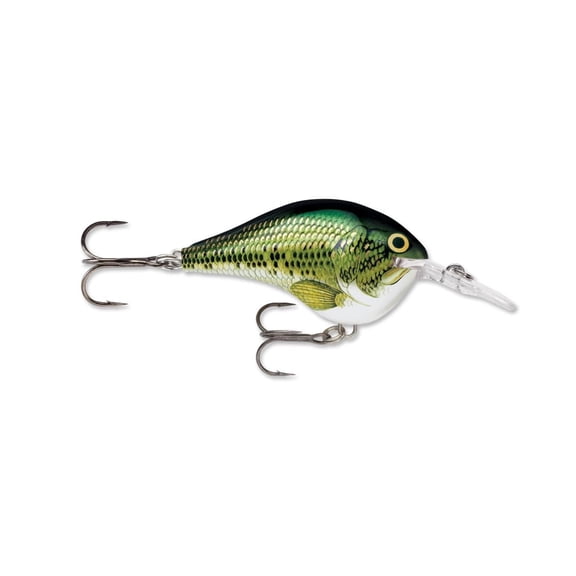


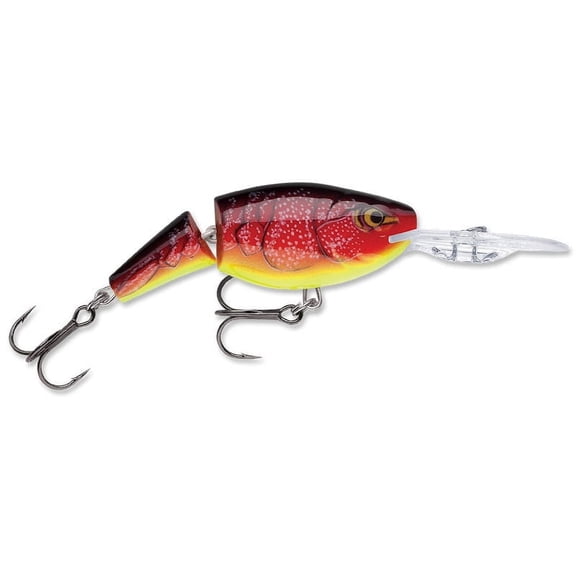


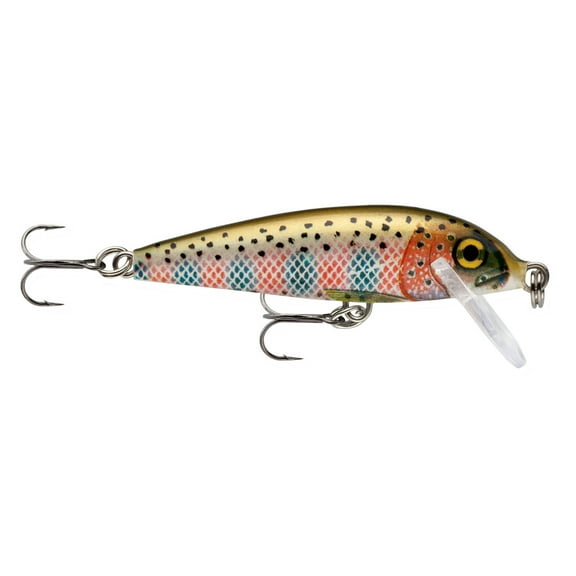
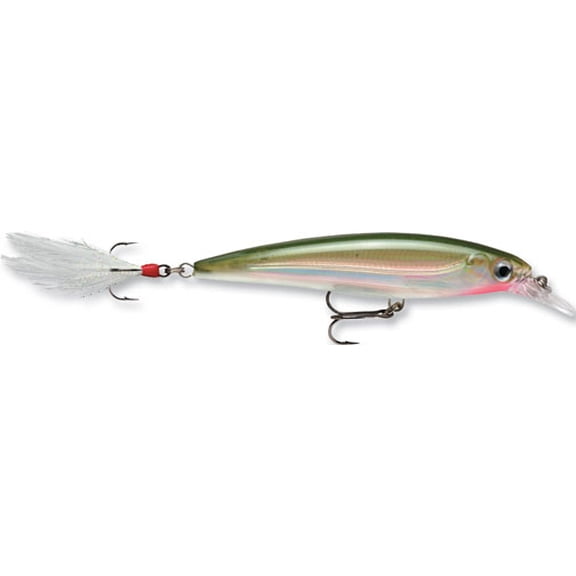


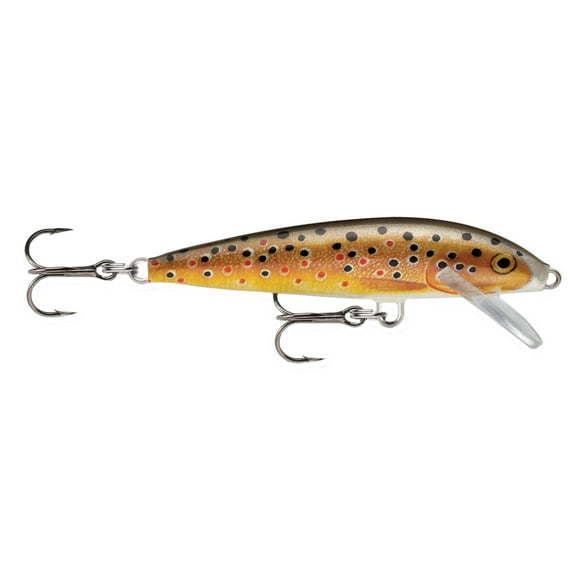


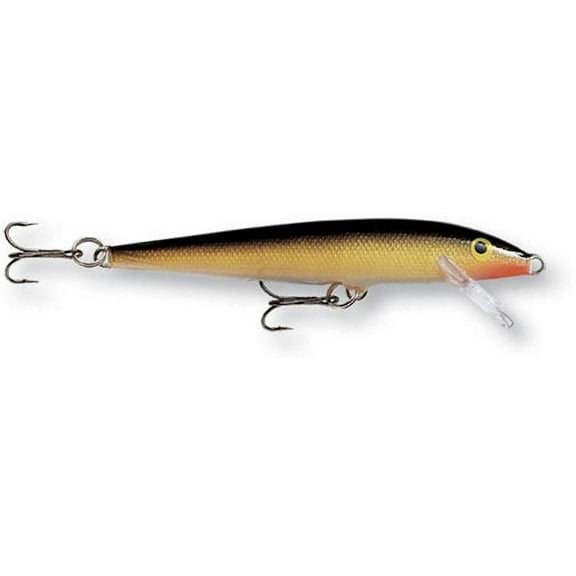


About Rapala in Shop Fishing Brands - Walmart.com
Rapala fishing lures help you sort by action, depth, and species with less guesswork. You also get a focused way to compare balsa wood bodies, hard-body options, and matching gear at Walmart.
How to choose Rapala fishing lures by lure type
Start with lure type when your presentation needs to match the fish you target. You can compare Rapala crankbaits, jerkbaits, jigs, and minnows as separate tools for specific retrieves.
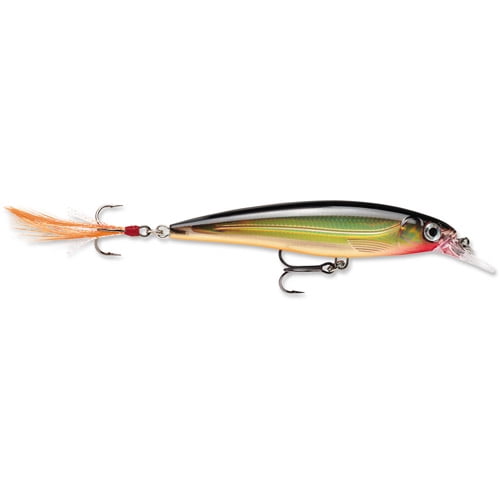
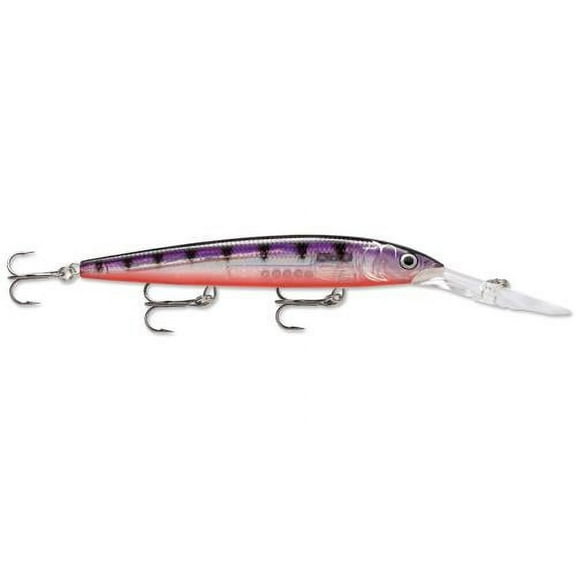
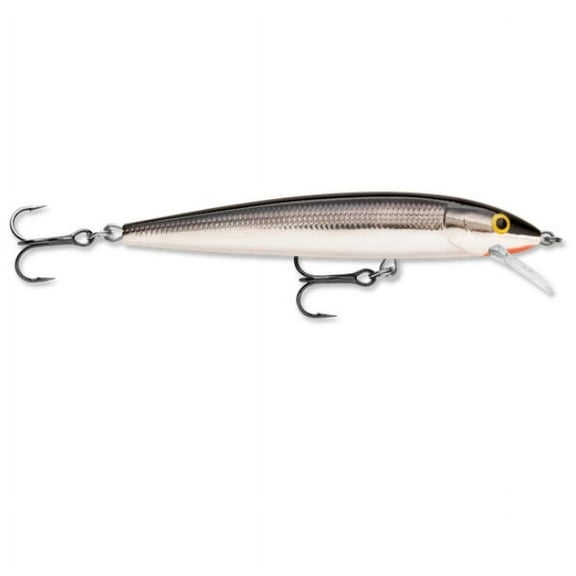
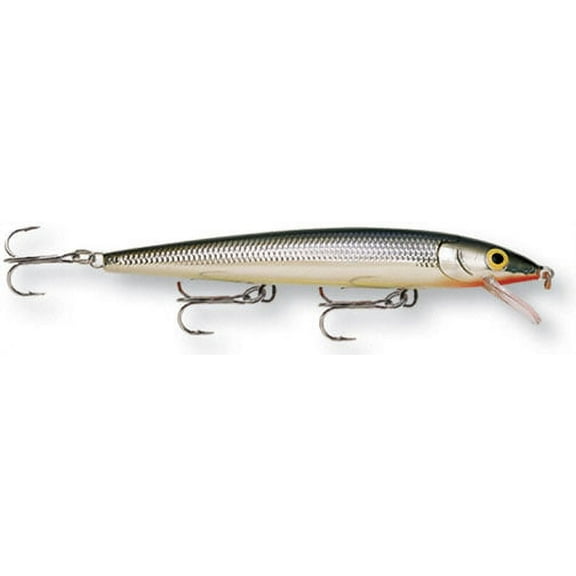
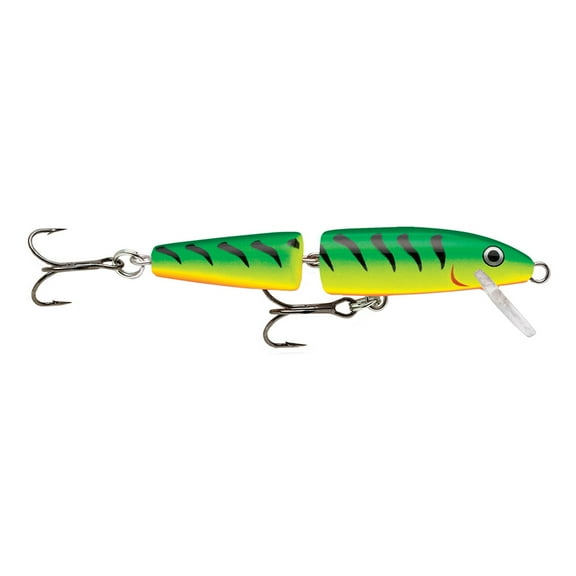
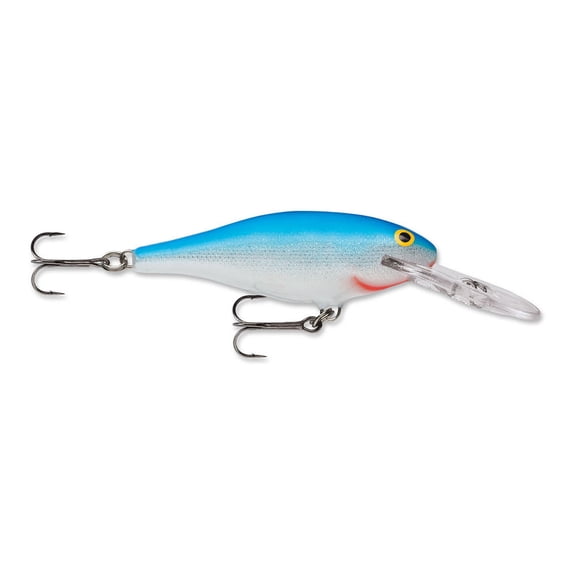
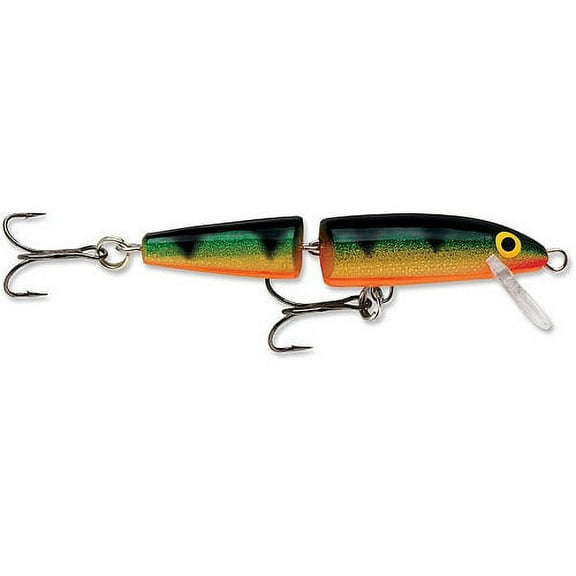
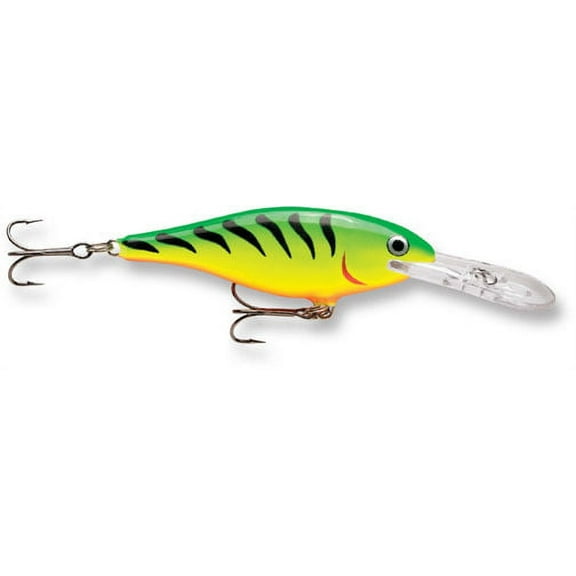
Choose Rapala crankbaits when you want a steady wobble and a diving path that covers water fast. Pick Rapala jerkbaits when your retrieve uses twitches and pauses for a sleek, darting motion.
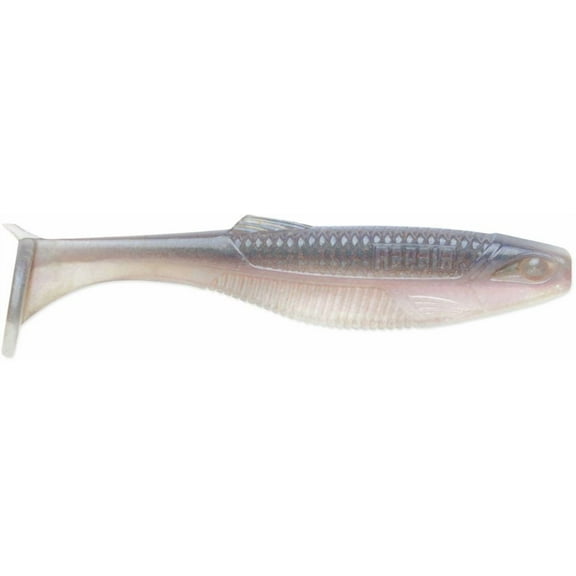
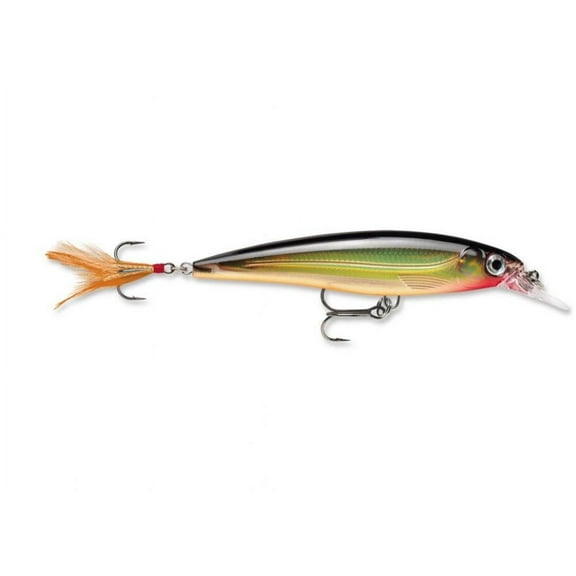
Look at jigs when tighter vertical control around structure or in colder water is your main focus. Compare minnow profiles when your goal is a classic baitfish shape with natural-looking movement.
- You can use crankbaits for a consistent wobble across flats, points, and edges.
- You can turn to jerkbaits when pauses and snaps shape your retrieve.
- You can check jigs when vertical control is your main focus.
- You can choose minnows when a baitfish profile matches local forage.
Choosing water type and construction material
Next, compare water type before you narrow by color, size, or running depth. You should also check whether Rapala balsa wood lures or heavy-duty plastic bodies fit your style.
For freshwater lakes and rivers, you may prefer lighter, responsive bodies that react quickly on the retrieve. For coastal use, you can focus on Rapala saltwater lures with tougher hardware and sturdier builds.
When you select balsa wood, you get lively movement from very little rod input. When you select heavy-duty plastic, you often get a firmer body that supports rattles and deeper-running shapes.
Choosing target species, depth, and buoyancy
Target species and water depth should guide your shortlist before you lock in a lure. You can make faster choices when you group options by bass, walleye, trout, or pike.
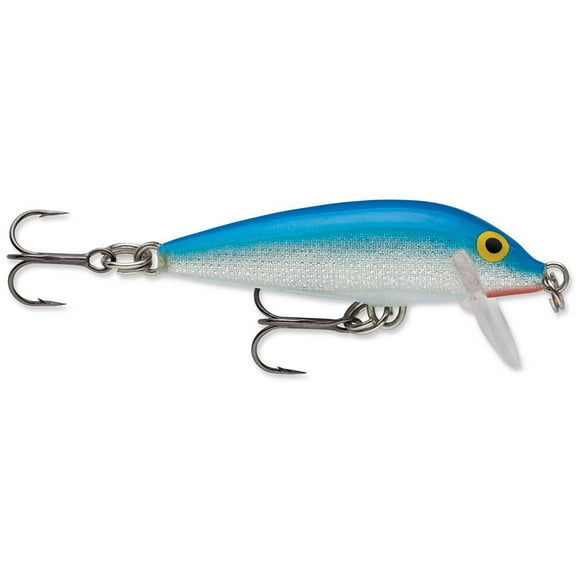
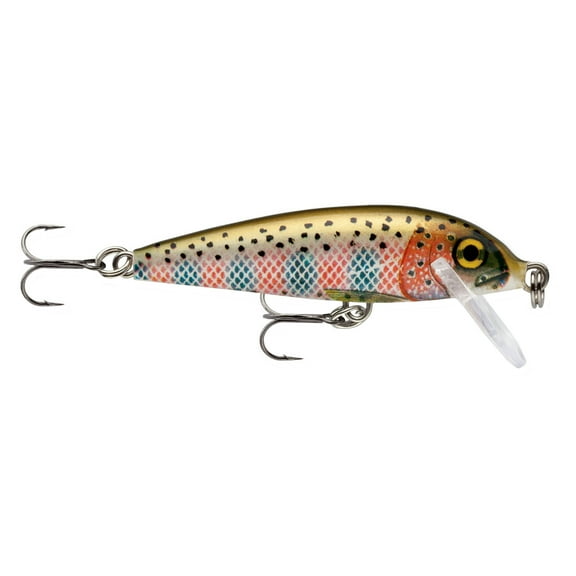
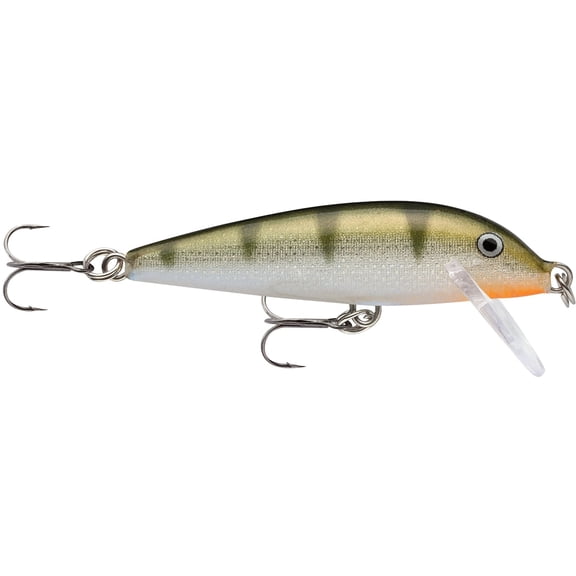
For bass, you might want a wobbling lure that reaches weed edges, points, or shallow cover. For walleye, a Rapala Countdown style helps you track a specific sink rate before your retrieve begins.
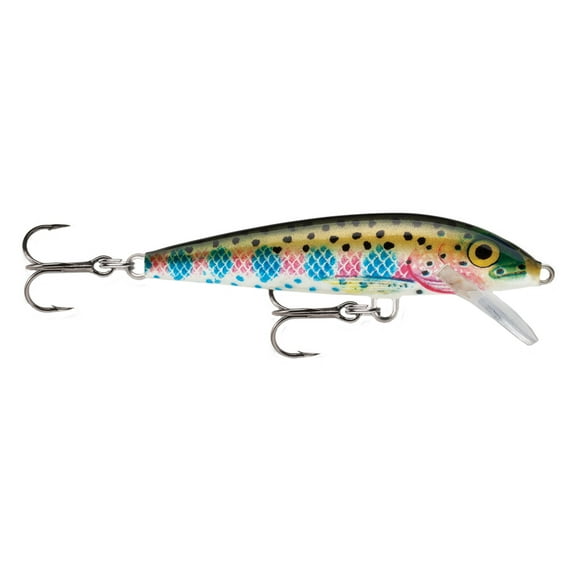
For trout, smaller profiles and controlled sink rates often suit clearer water and lighter presentations. For pike, larger silhouettes and stronger hooks help you match aggressive strikes.
Check diving depth and buoyancy when your lure needs to stay where fish are feeding. Floating and suspending options help you work shallower zones, while countdown models help you repeat deeper presentations.
How to compare action, vibration, and color
Lure action matters because it changes how your presentation moves through the water. You should compare wobbling, rattling, and sleek gliding motion based on conditions and retrieve speed.
If stronger vibration fits the moment, a wobbling body pushes more water during each turn of the reel. If subtle movement makes sense, a gliding jerkbait tracks cleanly between twitches and pauses.
Color also deserves a close look because water clarity changes what fish notice first. In clear water, natural baitfish tones often look right, while stained water often calls for bolder contrast.
During bright conditions, reflective finishes can stay visible from farther away. In lower light, darker contrast and a defined silhouette can help your presentation stand out.
Choosing compatible Rapala fishing gear
Tackle compatibility helps your lure perform the way you expect on the water. You should compare line test weight and rod action before you choose larger or deeper-running baits.
With smaller trout lures or slim minnow profiles, lighter line and a responsive rod tip often feel more controlled. With larger diving baits, stronger line and a rod built for added pull usually make more sense.
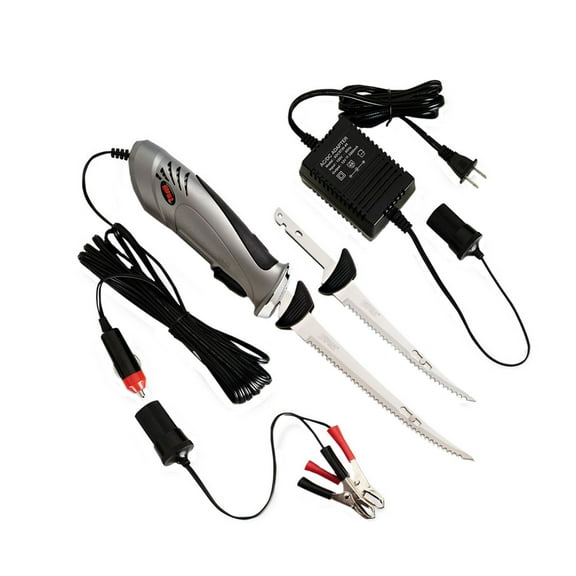
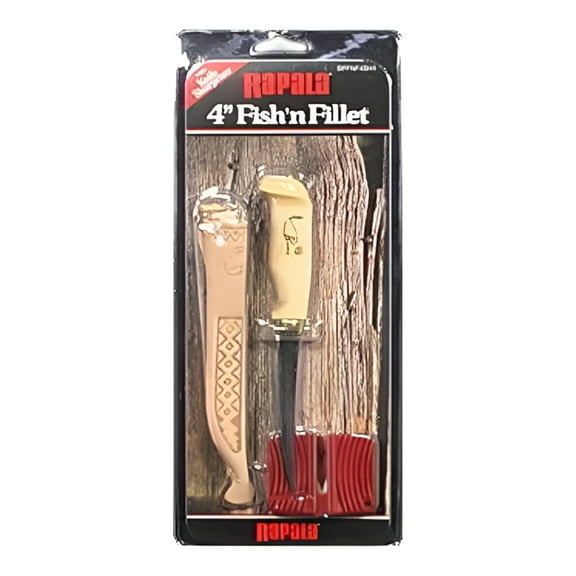
You can also round out your setup with Rapala fishing gear for prep and organization. A Rapala fillet knife, fishing line, and tackle storage can support a more complete trip plan.
When you pack by depth, species, and retrieve style, you switch presentations with less downtime. That approach keeps your tackle organized when conditions shift during a long day on the water.
Using seasonal patterns with Rapala fishing lures
Seasonal patterns can shape which lure family belongs in your box first. You might lean toward shallow runners in warming water and deeper options during summer patterns.
In colder periods, tighter presentations often make sense around slower fish behavior. During winter setups, Rapala ice fishing jigs give you compact profiles and direct vertical control.
During open-water trips, you can rotate between crankbaits, jerkbaits, and countdown styles as fish move through different depths. With Rapala fishing lures matched to species, action, and depth, you get a more precise setup from the first cast.