

Shuttlecocks in Badminton






















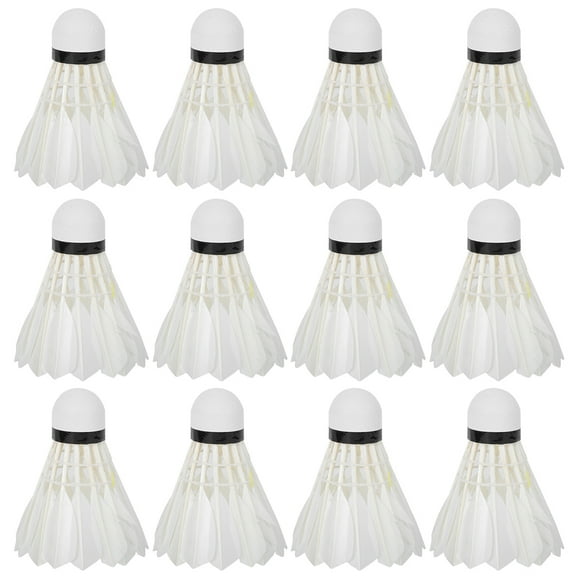


About Shuttlecocks in Badminton - Walmart.com
Shuttlecocks help you keep rallies moving with the flight, speed, and durability your badminton games demand. You can compare feather, nylon, and plastic options more easily when you know how each type performs.
Choosing shuttlecocks by material
When you compare badminton shuttlecocks, material is your first big decision. You can usually choose feather shuttlecocks for truer flight or nylon designs for longer recreational use.
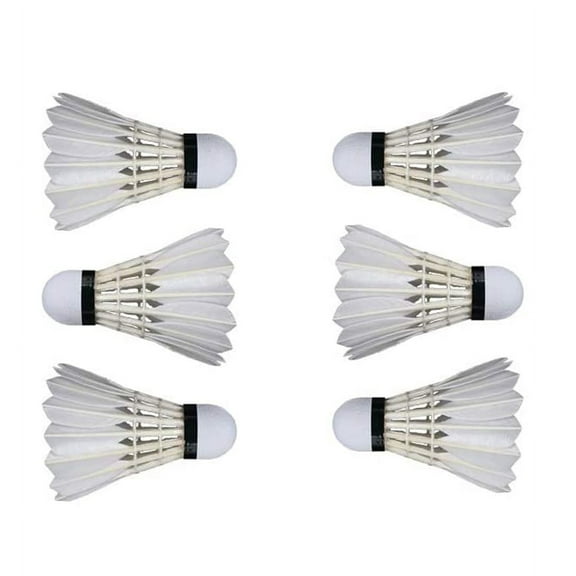
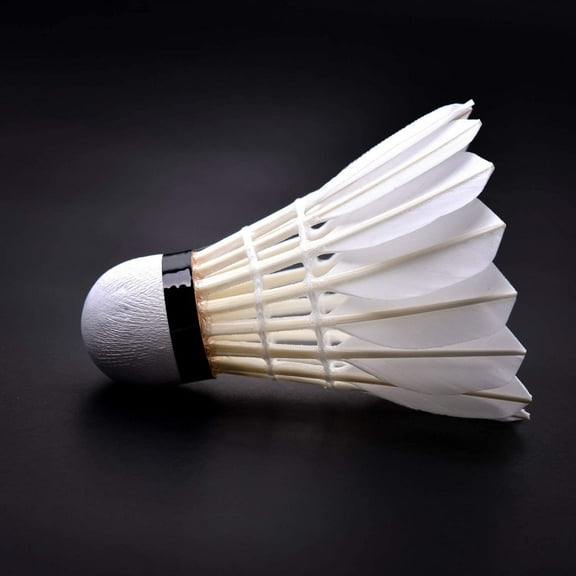
If you want cleaner control on clears, drops, and smashes, you may prefer feather shuttlecocks. You should expect a more natural feel off your strings and a more traditional match experience.
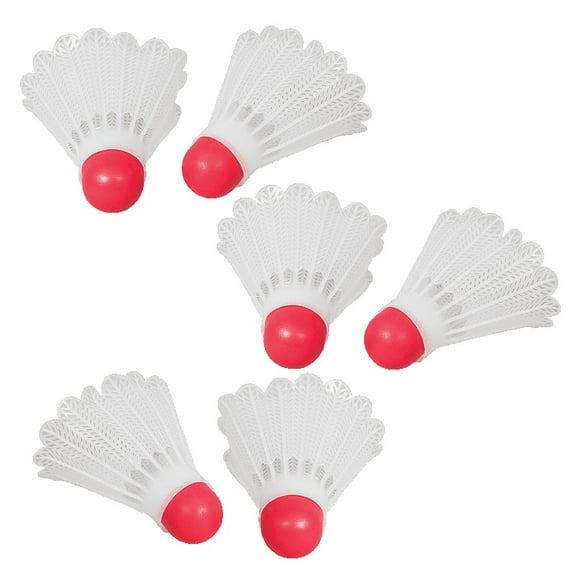
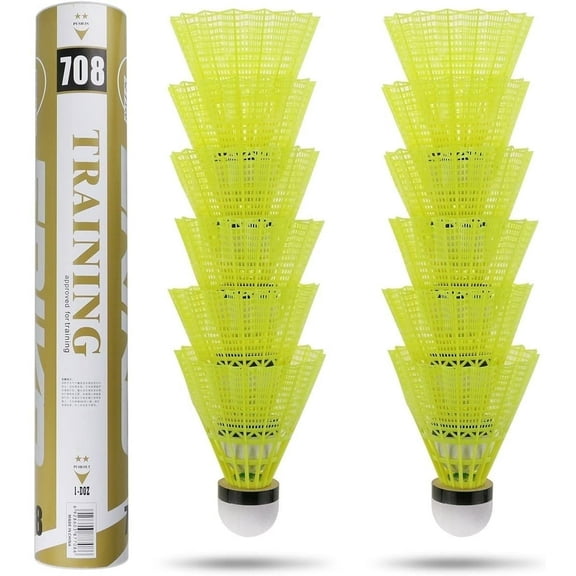
For backyard games, school play, or frequent practice, you may lean toward nylon shuttlecocks or plastic shuttlecocks. You can often get stronger durability when your group plays often or rotates players.
- You can choose feather designs when your footwork and shot placement are your primary focus.
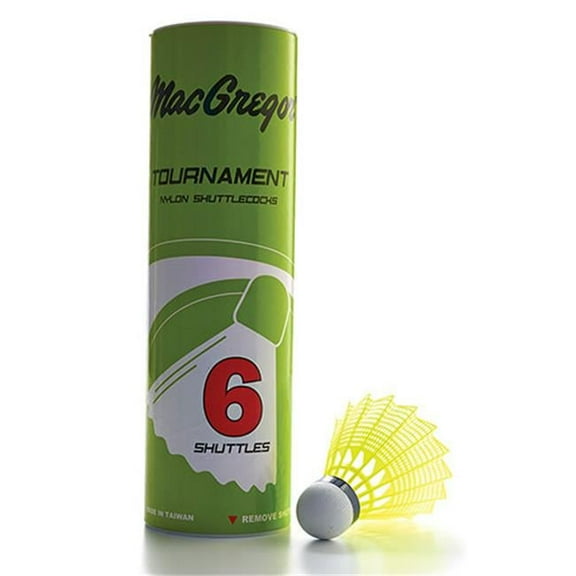
- You can choose nylon or plastic styles when your games include beginners, casual rallies, or outdoor sessions.
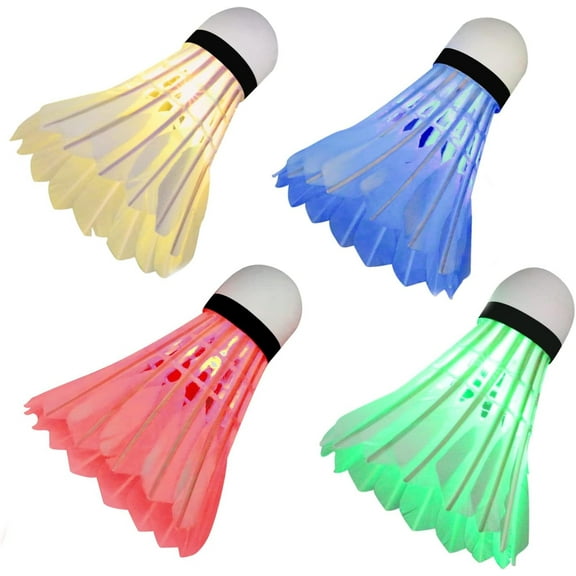
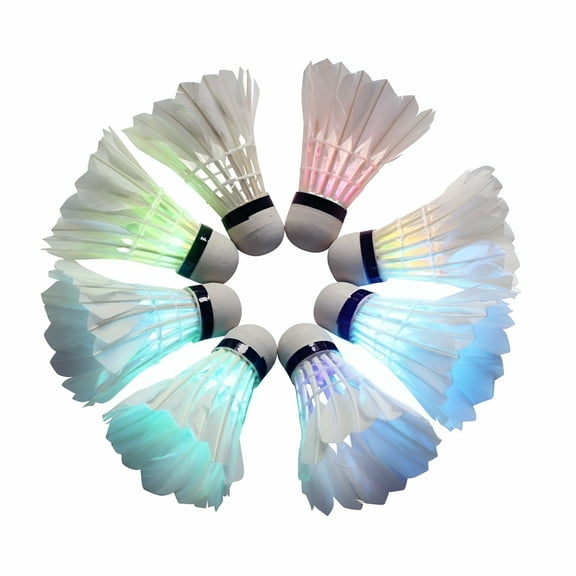
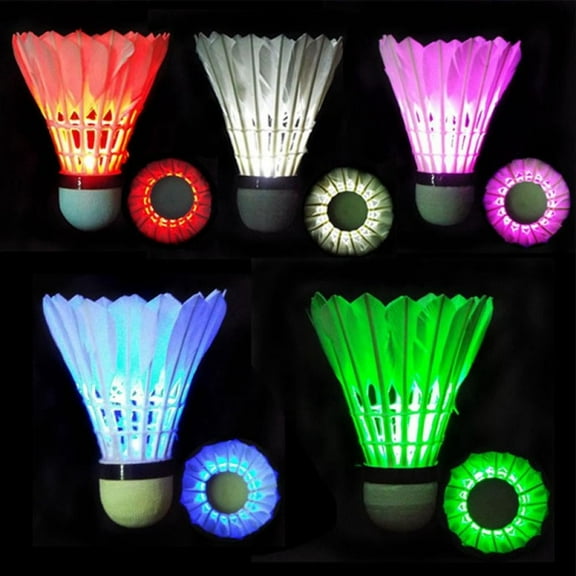
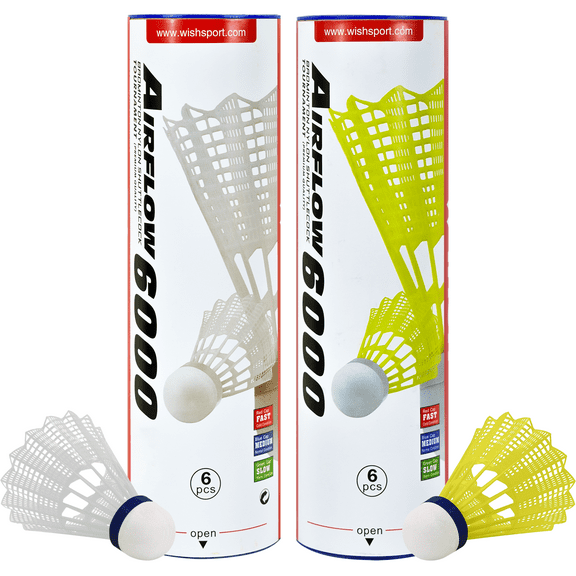
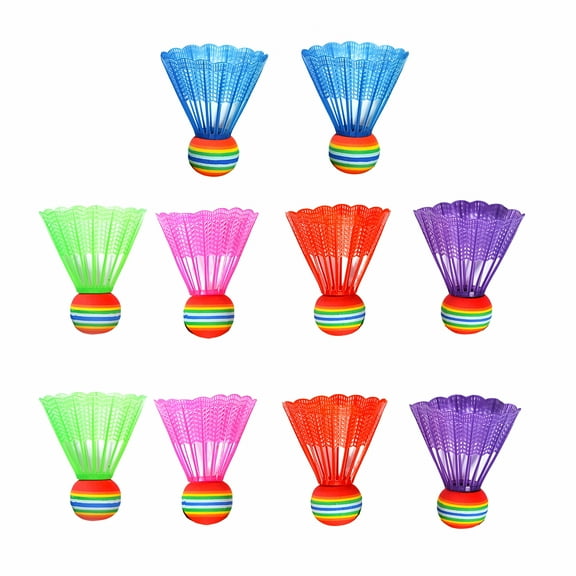
- You can pick white, yellow, or neon colors when you want easier tracking against different backgrounds.
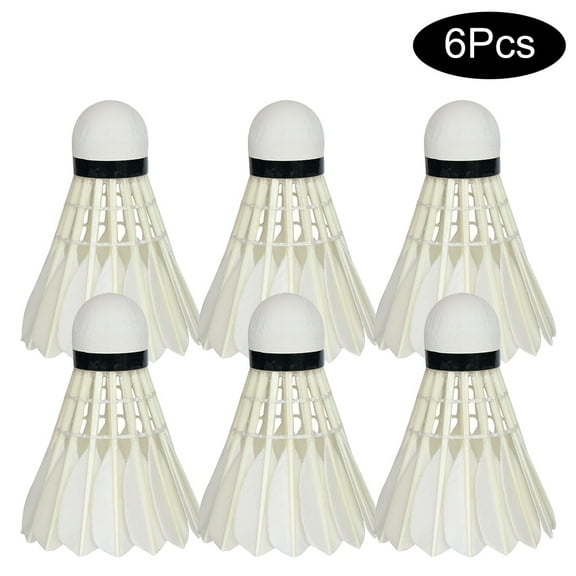
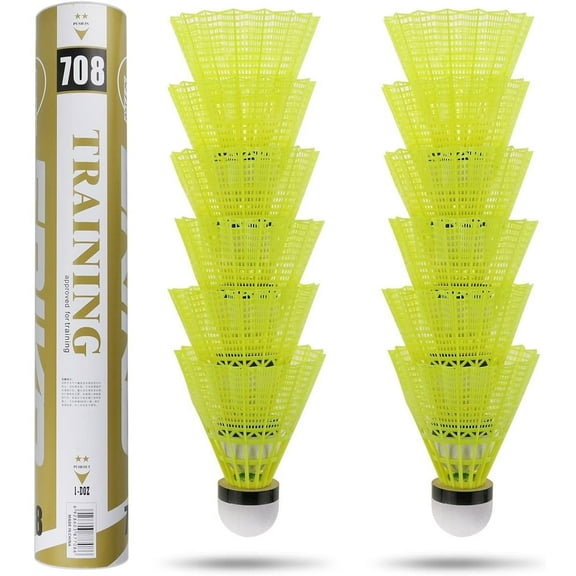
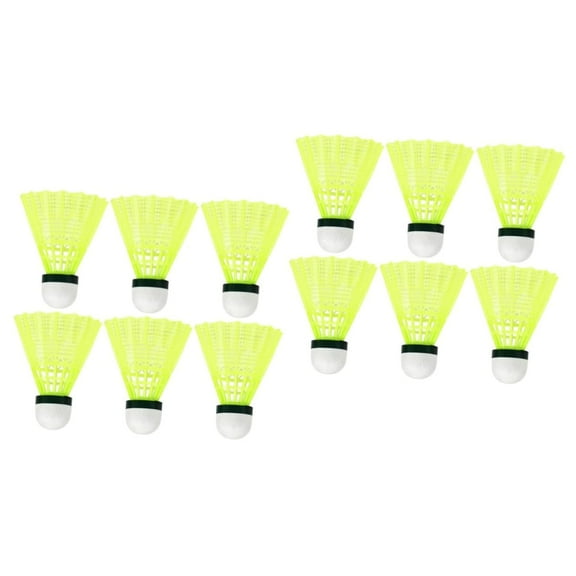
- You can select a 6-pack, shuttlecocks 12 pack, or 24-pack based on practice length and player count.
Color also affects what you see during play. You may find yellow shuttlecocks easier to track in bright light, while white can stand out well indoors.
Comparing badminton shuttlecocks for speed and control
Speed rating is another decision that can shape your game. You should compare shuttlecock speed options carefully if you play in changing temperatures or different elevations.
If you want a simple guide, you can think of 76 as slow and 79 as fast. You may use 77 or 78 when you want a balanced option for many indoor courts.
Cooler air can make flight feel heavier, so you may prefer a faster rating. Warmer air can make shuttlecocks travel quicker, so you may want a slightly slower option.
If you play in clubs or structured practice, you may compare 76, 77, 78, and 79 before match play. You can use that same chart to match your local conditions without overcomplicating your choice.
Flight consistency matters just as much as speed. You’ll want a stable skirt shape and steady cork construction when you’re practicing serves, net shots, and repeated clears.
What to look for in durability and pack size
Durability affects how often you replace badminton birdies during practice. You’ll usually notice nylon builds hold up longer when your sessions include repeated hits and mixed skill levels.
Feather styles can reward precise technique, but you should expect more visible wear after hard smashes. If you train often, your pack size becomes just as important as material choice.
A 6-pack can fit shorter sessions, small households, or occasional games. A shuttlecocks 12 pack can make more sense when you run drills, share tubes, or host longer matches.
If you coach, practice weekly, or keep extras ready, you may prefer a 24-pack. You can spend less time replacing used birdies in the middle of your court time.
You should also check whether your games happen indoors or outdoors. Outdoor shuttlecocks often need brighter colors and sturdier construction so you can keep rallies visible and consistent.
Matching shuttlecocks to how you play
If you’re building a casual family badminton setup, you may want nylon shuttlecocks in a visible color. You’ll get easier maintenance and dependable play for mixed ages and changing skill levels.
When you practice with a club or train for more controlled rallies, you may prefer feather shuttlecocks. You can get the responsive feel many experienced players look for during technical drills.
If your games move between a gym and the backyard, you should compare color and speed together. You may prefer yellow or neon for sunny conditions and white for indoor court contrast.
For school programs, community centers, or frequent group play, plastic shuttlecocks can simplify restocking. You can appreciate having enough quantity for repeated serves, warmups, and rotation play.
If your matches feel too slow or too quick, you can adjust by speed rating before changing your racket setup. That small change can help your clears land with more consistent depth.
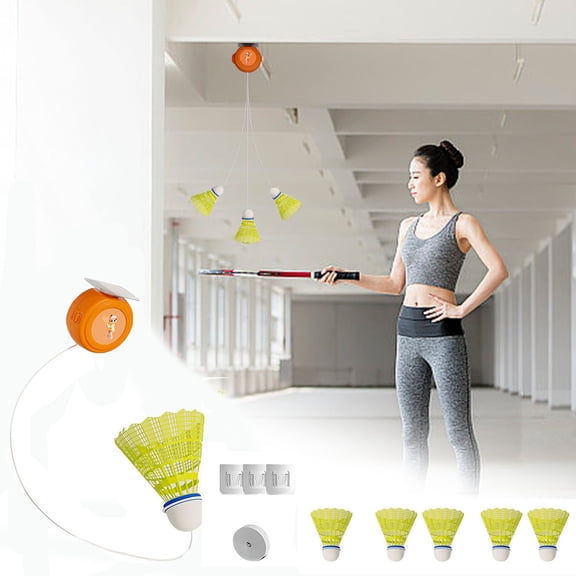
You can also pair this category with badminton rackets, badminton nets, and badminton sets for a complete setup. Your gear choices work together when you want smoother practice and more reliable rallies.
How to choose the right shuttlecocks
You should start with your playing level, then compare material, speed rating, pack size, and color. That approach helps you narrow shuttlecocks quickly without guessing through every option.
Once you match those details to your court, climate, and practice style, you can get steadier flight and fewer interruptions. Your games feel more consistent when your shuttlecocks fit the way you actually play.