


Slumberjack Camping Gear & Outdoor Equipment | Walmart
















About Slumberjack Camping Gear & Outdoor Equipment | Walmart
Slumberjack gear helps you build a dependable camp setup for hunting, backpacking, and overlanding trips. You can compare tents, sleeping bags, cots, backpacks, and camp furniture in one place.
If you're narrowing down Slumberjack options, you'll want clear differences between gear types and trip styles. You can use this guide to match your setup, carrying needs, and camp routine.
How to choose Slumberjack gear by gear type
You should start with the gear type that shapes your shelter and sleep system. Your choice often comes down to tents, sleeping bags, backpacks, cots, and furniture.
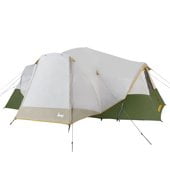
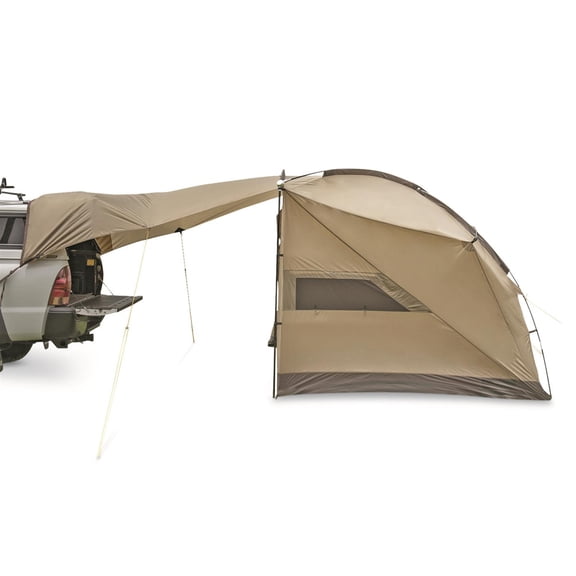
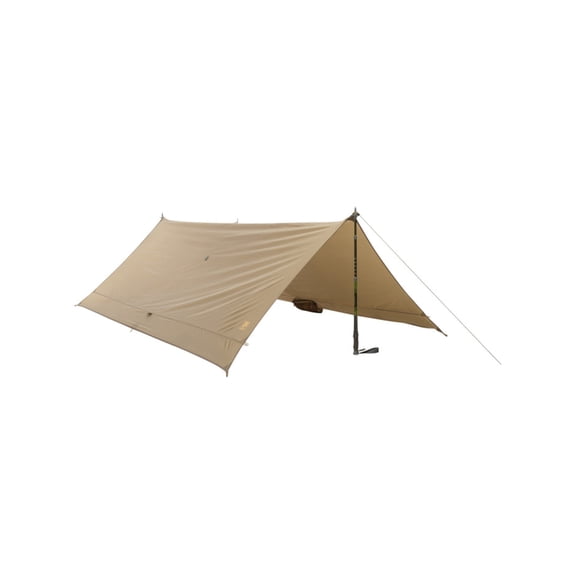
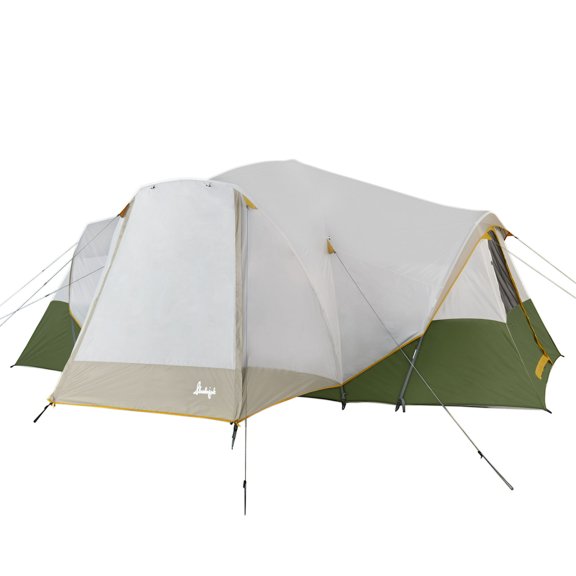
When you compare shelters, you should check size, setup style, and weather coverage first. If you're adding slumberjack tent accessories, you should confirm fit with your tent design.
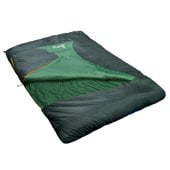
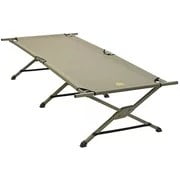
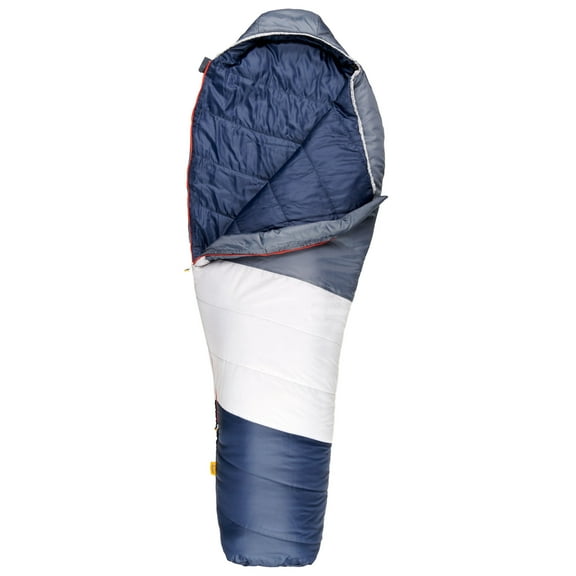
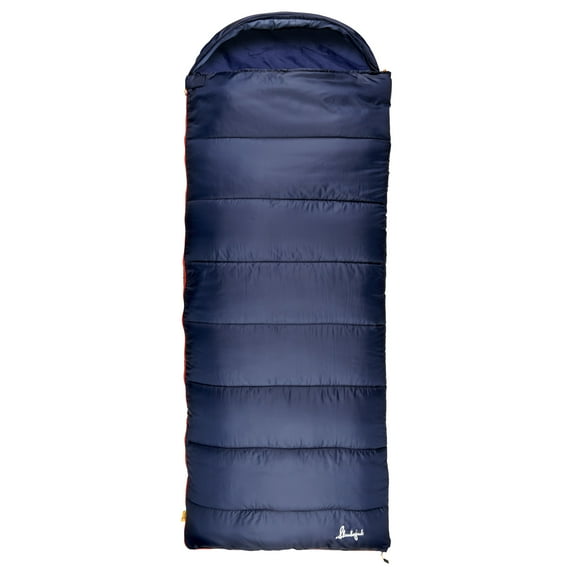
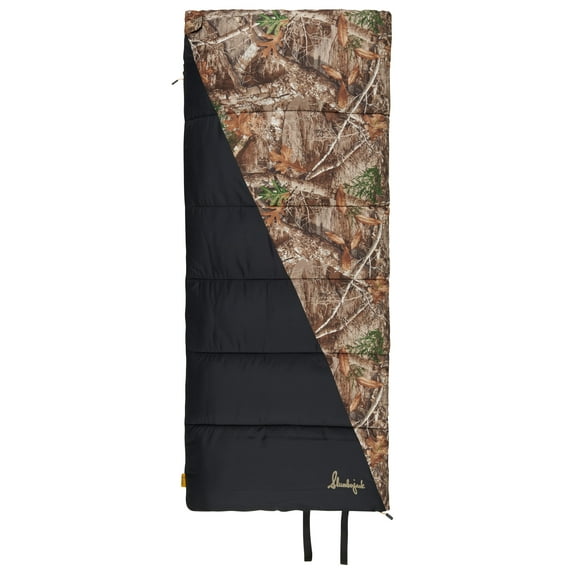
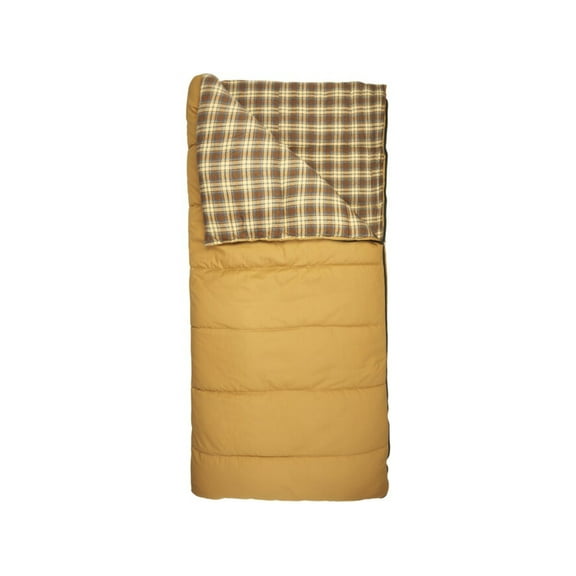
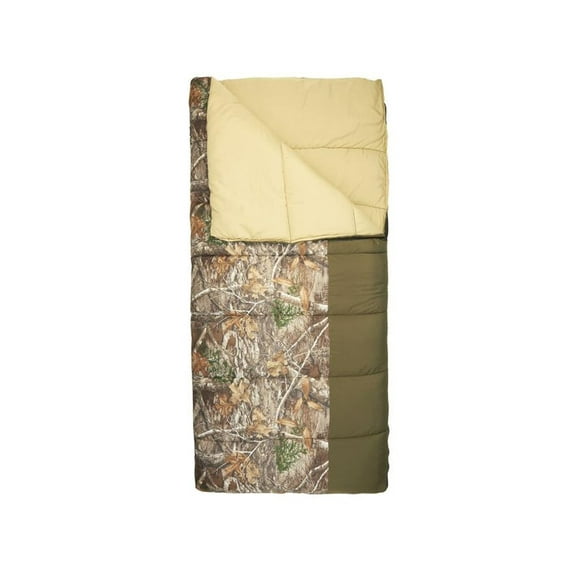
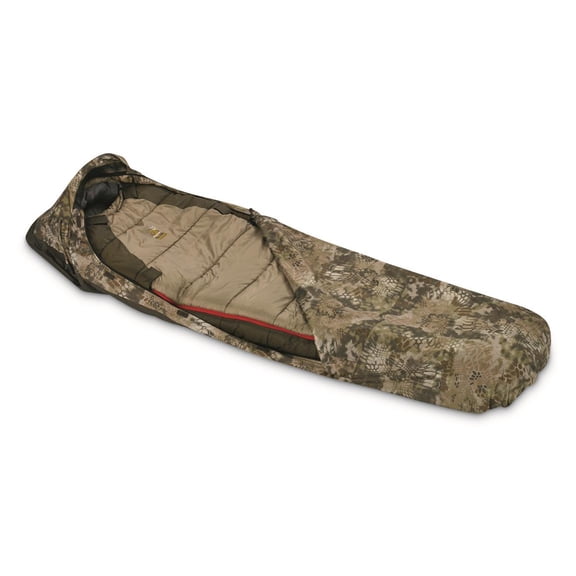
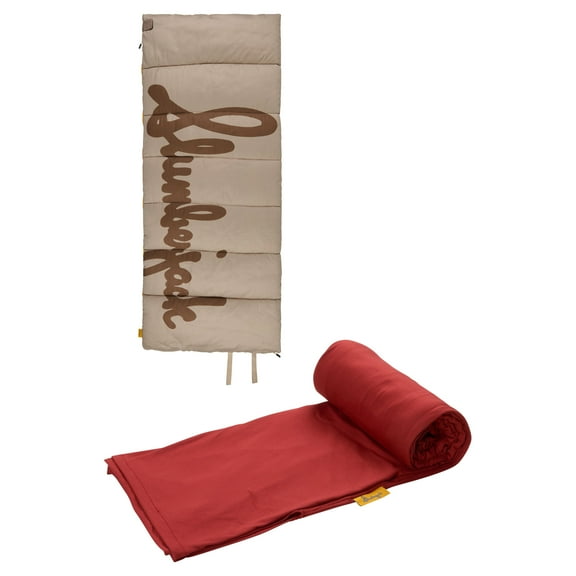
For sleep systems, you may prefer a cot when your camp setup allows extra bulk. You may prefer a sleeping bag when your trip needs a compact packed size.
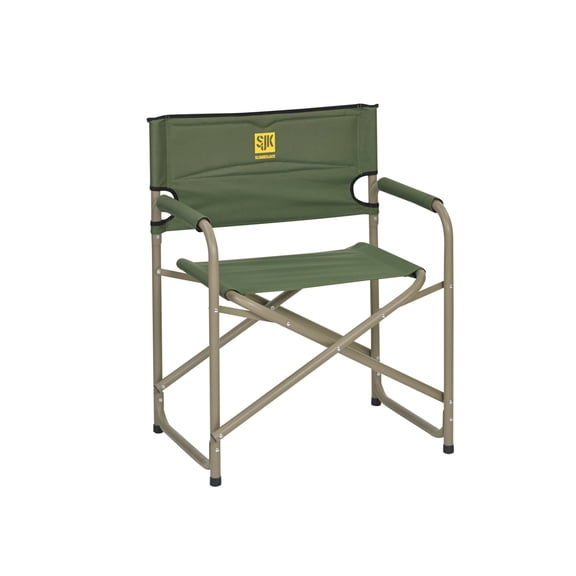
Backpacks matter when you carry gear farther from your vehicle or trailhead. Furniture matters when you want a more settled base camp with chairs and tables.
- You can choose tents for weather coverage, privacy, and organized sleeping space.
- You can choose sleeping bags for compact packing and easier transport.
- You can choose backpacks when your route requires hands-free carrying.
- You can choose cots and furniture when your camp stays in one place longer.
Choosing Slumberjack capacity, materials, and setup details
You should compare capacity labels with your actual sleeping layout, not just headcount. If you bring extra layers or equipment, your space needs usually increase quickly.
A one-person or two-person tent can suit solo trips and lighter packing plans. A four-person or six-person model can work when your group needs elbow room and gear storage.
If you need a cot, you should check whether heavy-duty support matches your frame and bedding setup. You should also measure floor space so your shelter still feels usable.
Material choice changes how your gear feels, carries, and handles rough ground. Ripstop polyester helps you keep weight lower, while canvas usually feels sturdier and more structured.
Steel frame construction can matter when you want camp furniture or cots with a more planted feel. If you're focused on portability, you should compare frame strength against packed weight.
For backpacking, you may look at fabric denier because it signals fabric toughness in plain terms. Higher denier usually means thicker material, while your pack may weigh more.
You should also compare setup complexity before you commit to a shelter. Instant setup styles help you pitch camp faster, while traditional poles can offer familiar structure.
Weather coverage is another useful filter when you're sorting slumberjack gear. A three-season design suits spring through fall, while four-season coverage adds stronger cold-weather protection.
Matching Slumberjack gear to your activity
You should match your setup to how you camp, not just what looks rugged. Car camping, backpacking, hunting, and overlanding each ask your gear to do different work.
For car camping, you can prioritize comfort, larger capacities, and camp furniture that stays put. A cot, roomy tent, and chair can make your site feel more organized.
For backpacking, you should look closely at packed size, total carry weight, and setup time. Your backpack, tent, and sleeping bag need to balance durability with portability.
For hunting trips, you may focus on gear that handles rough ground and repeated setup. SJK camping gear often fits shoppers who want practical camp support for field use.
For overlanding, you may want gear that stores neatly and deploys without much fuss. Your setup should fit vehicle space, camp frequency, and changing weather conditions.
If you're comparing slumber jack results across categories, you should notice how each piece supports the full system. Your tent, cot, bag, and pack should work together instead of competing for space.
You can also narrow choices by trip length and sleeping style. Short weekends may favor simple setups, while longer camps may justify larger shelters and sturdier furniture.
What to look for in specialized Slumberjack collections
You may come across specialized lines and accessory searches while comparing options. If you see everest elite by slumberjack, you should review its specific format and intended use.
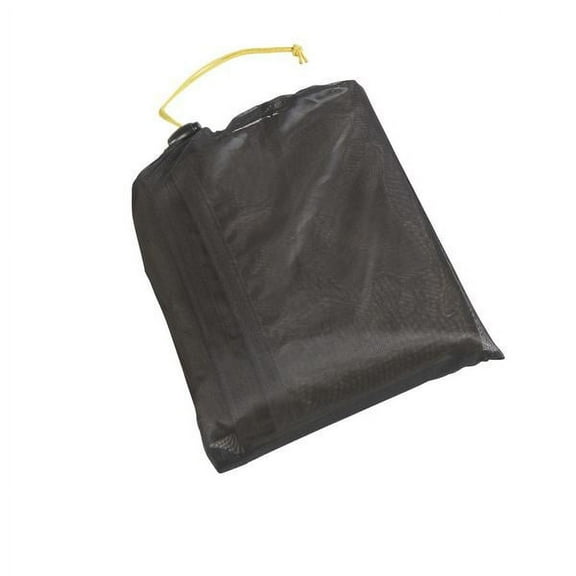
You should treat accessories as fit-based purchases, especially for shelter add-ons and storage pieces. With slumberjack tent accessories, you should check compatibility, dimensions, and attachment style first.
If your camp includes cots or chairs, you should measure both use space and packed space. That extra step helps you avoid crowding inside your shelter or vehicle.
You can shop this category with more confidence when you compare activity, capacity, material, and portability together. Your final setup feels more useful when every piece supports the same kind of trip.