


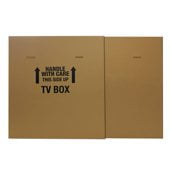
Small Moving Boxes
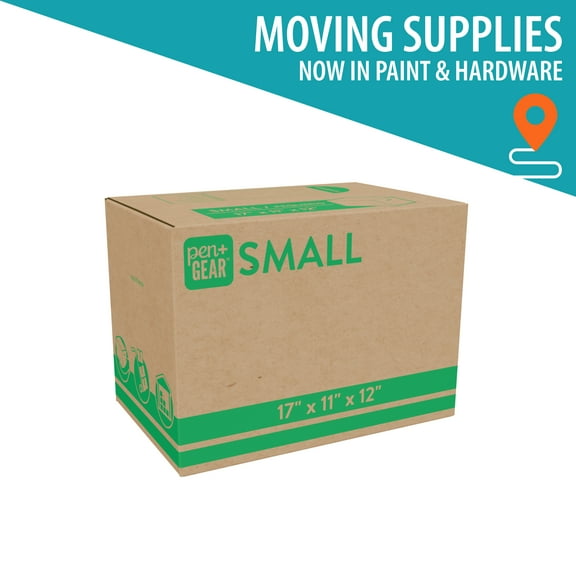


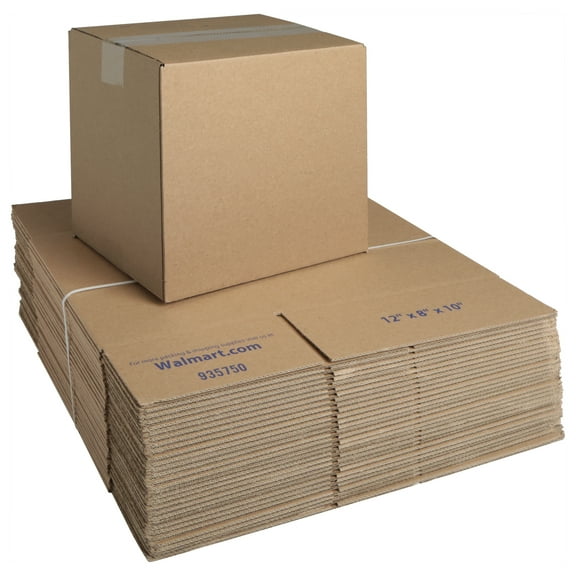
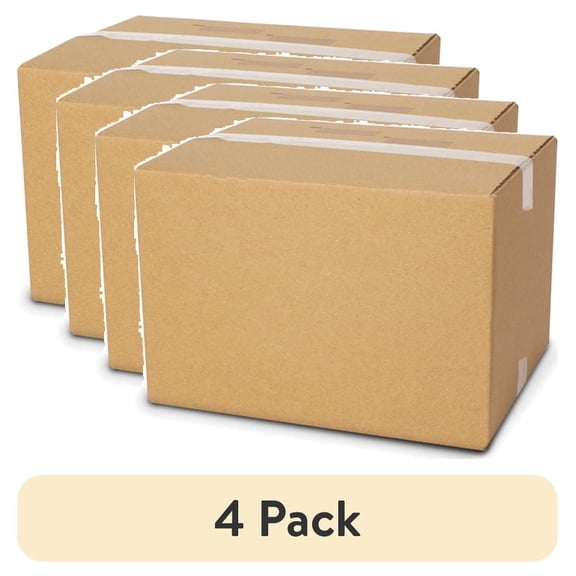















About Small Moving Boxes - Walmart.com
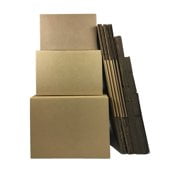
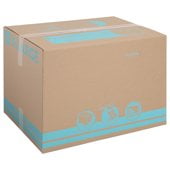
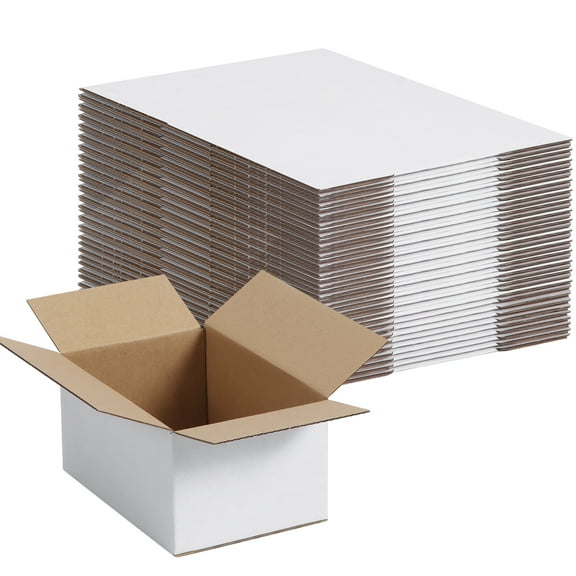
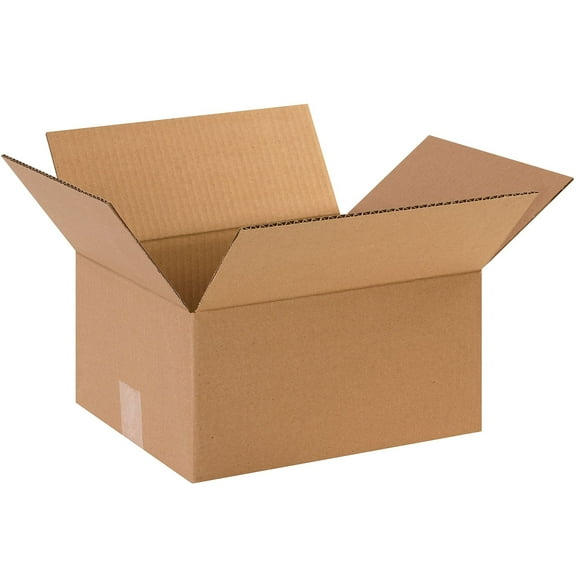
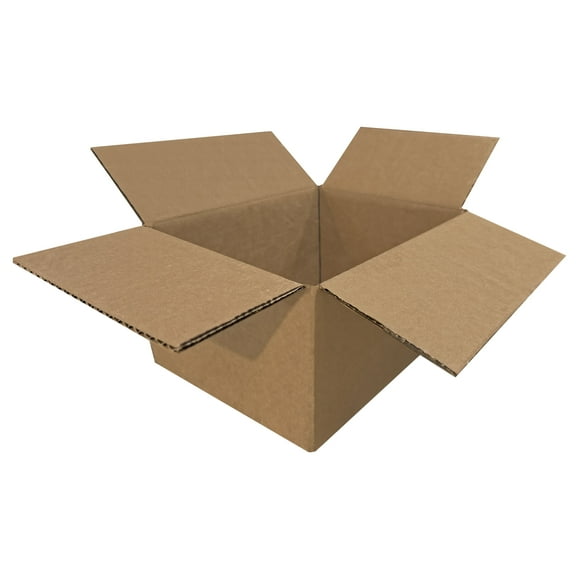
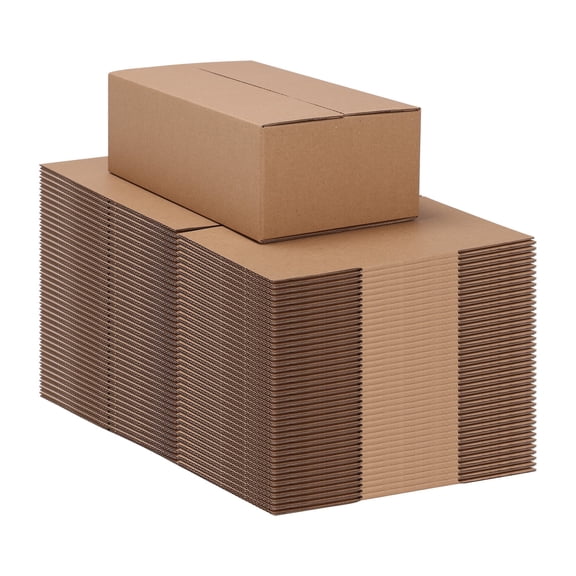
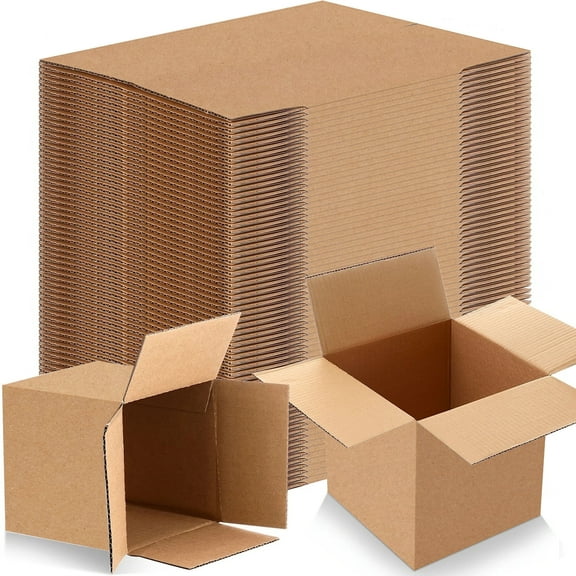
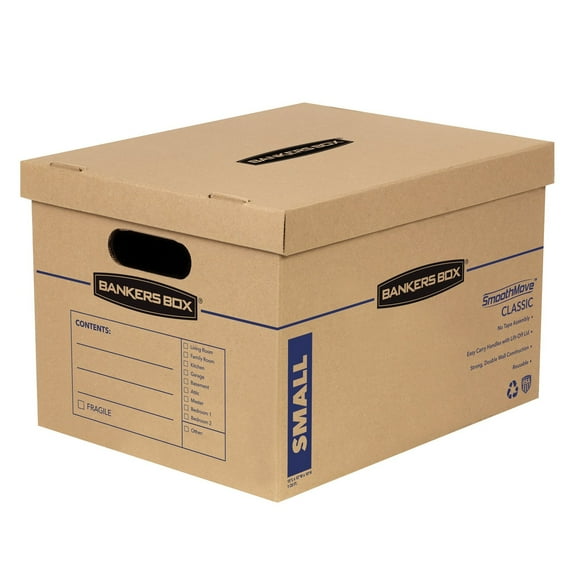
Small moving boxes help you pack dense items in a compact shape that stacks neatly. You can use them for books, pantry goods, tools, and kitchenware that fill larger cartons too quickly.
When you compare dimensions, wall strength, and pack counts, you can choose cartons that fit your move precisely. You may also find small moving boxes easier to carry through stairs, hallways, and crowded rooms.
How to choose small moving boxes by dimensions
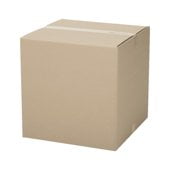
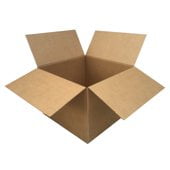
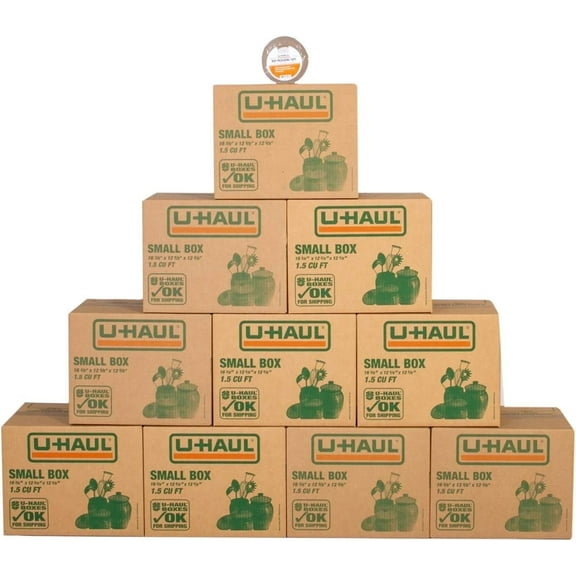
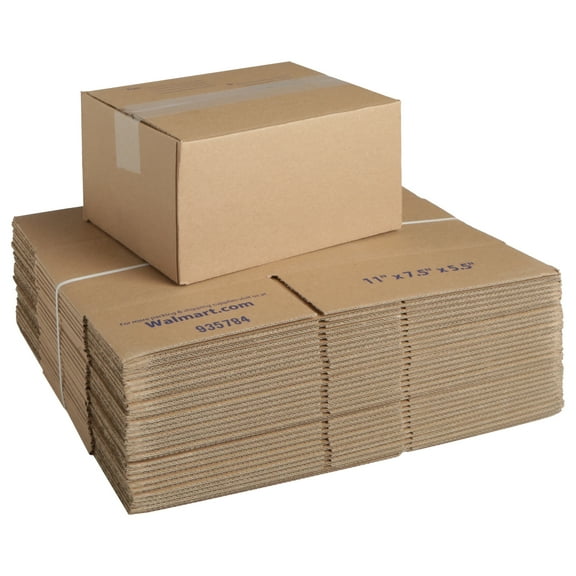
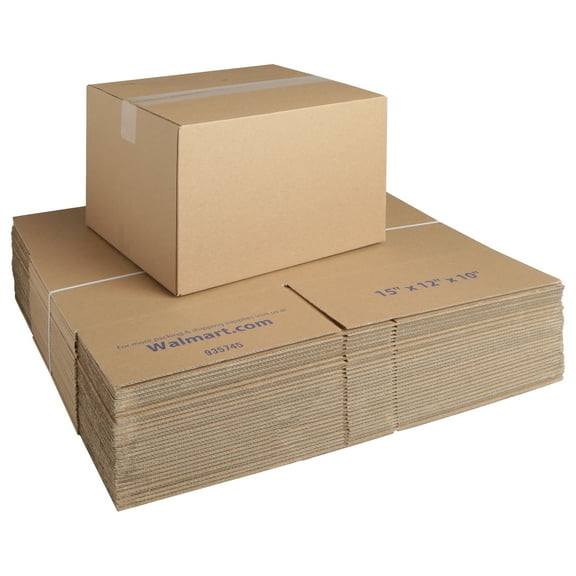
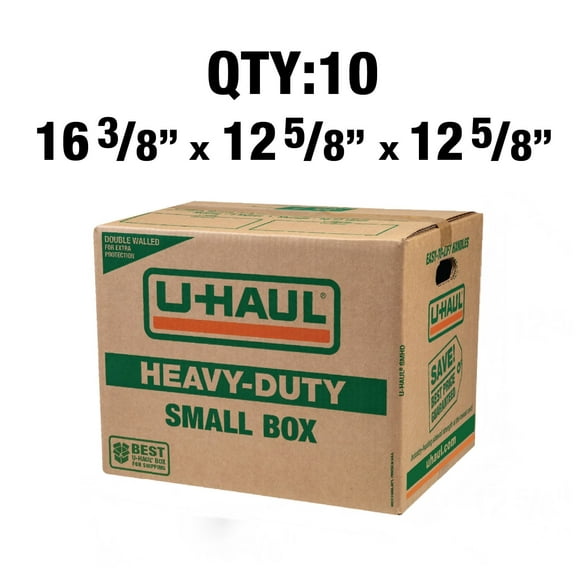
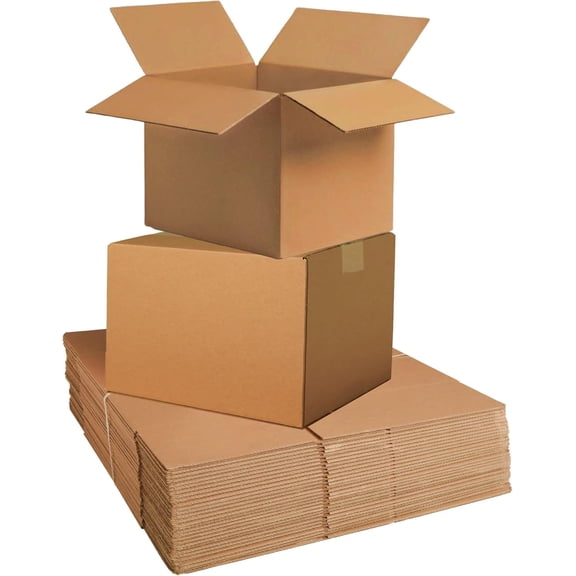
You should start with size, because dimensions affect truck planning and room-by-room packing. You can compare options like 16x12x12 inches, 12x12x12 inches, and 1.5 cubic feet.
If you’re packing books or canned goods, you may want a smaller footprint that keeps each box manageable. If you’re filling gaps in a moving truck, you may prefer 1.5 cu ft moving boxes for tighter stacking.
You can also use compact cartons to separate kitchen items from bulkier household goods. That choice helps you label faster and unpack with less sorting later.
What to look for in small cardboard boxes for moving
You can notice that compact boxes support dense packing without the awkward weight of oversized cartons. You can keep loads balanced, which makes lifting and stacking feel controlled.
- You can pack books, dishes, canned food, and office supplies in a size that stays easier to carry.
- You can organize by room, shelf, or category, which helps you unpack in an orderly way.
- You can fill truck space efficiently, because smaller cartons fit around furniture and odd-shaped household items.
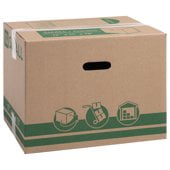
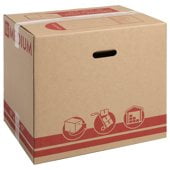
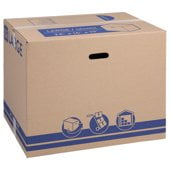
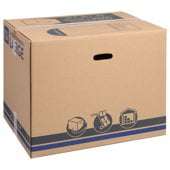
- You can choose packs with handles or easy-fold designs when you want quicker carrying and setup.
For apartment moves, you may want smaller boxes that turn tight corners and fit closet cleanouts. For office moves, you can use them to separate files, binders, and desk supplies.
If you’re packing a home library, small book boxes can help you keep heavier contents in realistic loads. That makes them a practical choice for dense items that quickly fill larger boxes.
Choosing heavy duty small moving boxes
You should compare material strength next, because wall construction changes how a box handles heavier contents. You may see standard single-wall designs, heavy-duty double-wall styles, and 32 ECT ratings.
If you’re packing lightweight household items, standard single-wall options may suit your needs. If you’re packing textbooks, dishes, or tools, you may want heavy duty small moving boxes instead.
You can use Edge Crush Test ratings as a simple strength signal when you compare cartons. A 32 ECT box can give you confidence for stacking and moving packed loads.
Double-wall construction can make sense when you expect denser contents or repeated handling. You should check that strength detail before you pack small appliances, records, or tightly packed kitchen items.
Choosing the right pack quantity for your move
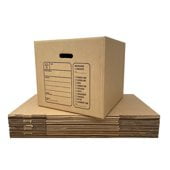
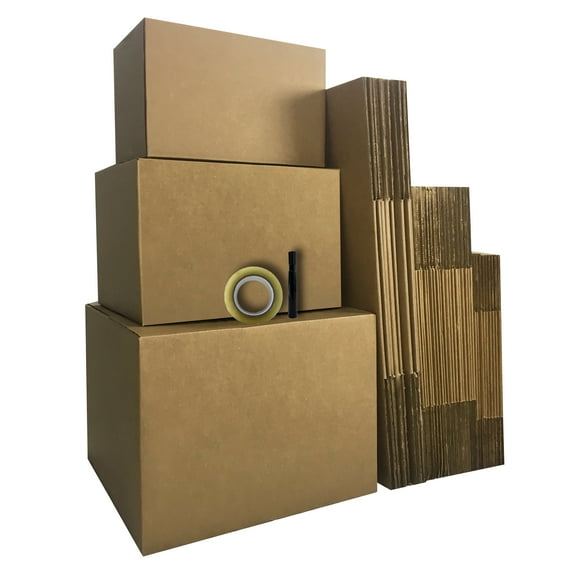
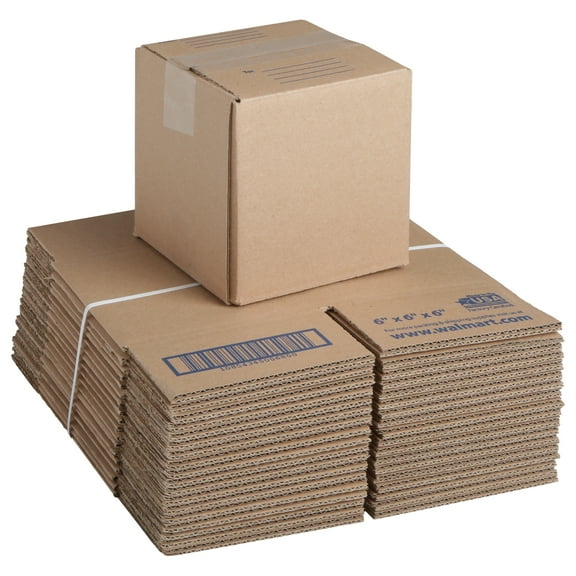
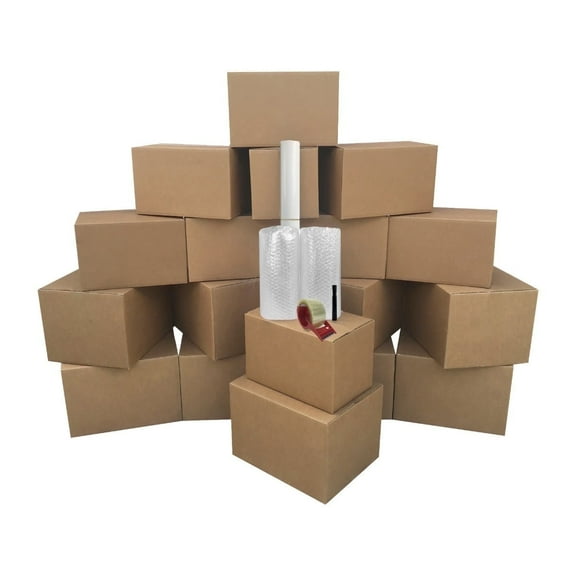
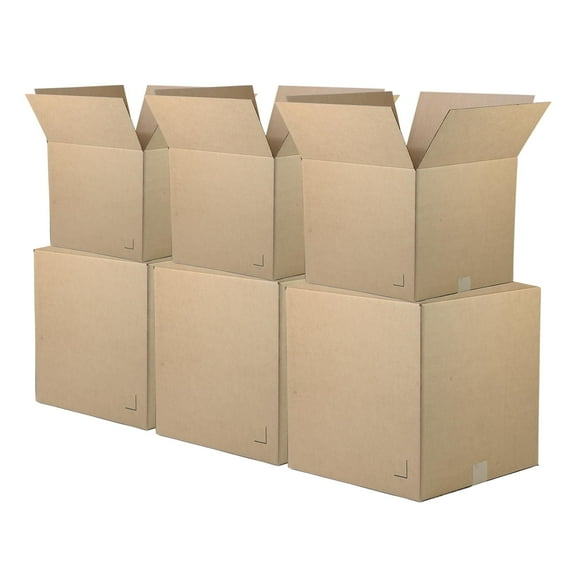
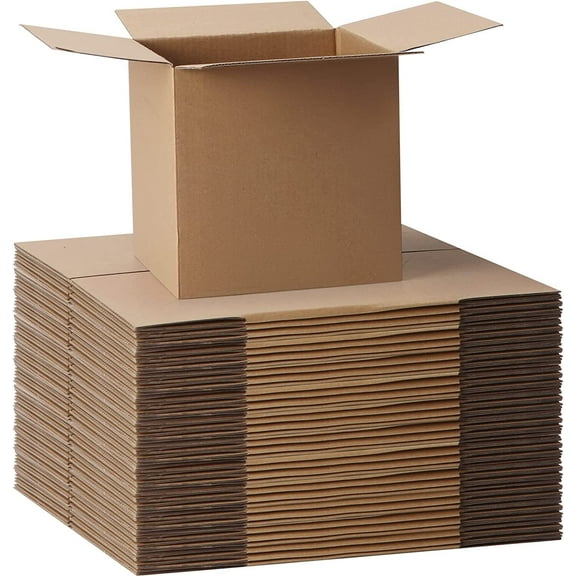
You should match pack quantity to your room count and the items you’re boxing. You may find single box, 10-pack, 20-pack, and 30-pack options for different moving plans.
If you’re packing one bookshelf, a 10-pack may cover books, décor, and office supplies. If you’re boxing several bedrooms or a full kitchen, you may need 20-pack or 30-pack quantities.
You can also split your order by task instead of choosing one size for everything. That approach lets you reserve small moving boxes for heavy items and use larger cartons for linens.
For a standard bedroom, you may use several small cartons for books, media, and drawer contents. For a kitchen, you may want extra cartons because pantry goods and dishware add up fast.
Comparing handles, easy-fold designs, and sealing styles
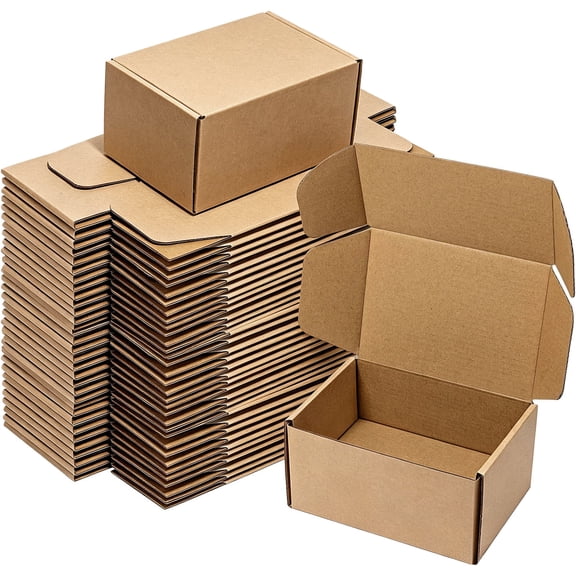
You should check assembly details before you choose, because setup time can affect a large move. You may prefer classic taped bottoms, easy-fold panels, or tape-free self-locking designs.
If you’re moving on a tight schedule, easy-fold construction can help you build boxes faster. If you want simpler carrying, you may look for small moving boxes with handles.
Handles can help you grip compact cartons securely when you move between rooms or vehicles. Self-locking styles can also simplify setup when you’re packing many boxes in one session.
You should still compare the closure style with your packing method and contents. Dense items often pair well with sturdy sealing and clear labels, especially when you’re stacking multiple layers.
Matching box types to real moving jobs
If you’re moving from a studio or dorm, you may want 12x12x12 inch boxes in smaller pack counts. Those sizes can suit books, toiletries, gadgets, and pantry items without creating bulky loads.
When you’re handling a family move, you may mix standard and heavy-duty cartons by room. You can reserve stronger boxes for dishware, hardcover books, and compact décor.
If you’re packing for storage, you should measure shelves and stack height before choosing dimensions. That step helps you pick cartons that fit neatly in closets, storage rooms, or garages.
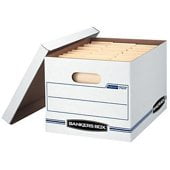
For archive projects or shipping prep, you may prefer uniform 16x12x12 inch cartons for clean stacking. You can also choose consistent pack sizes when you want easier inventory counting.
You can get the full benefit of this category when you match dimensions, wall strength, quantity, and closure style to your packing plan. With the right small moving boxes, you can keep heavy items organized, stackable, and easier to carry.