

Smart Heating & Cooling in Smart Energy and Lighting
































About Smart Heating & Cooling in Smart Energy and Lighting - Walmart.com
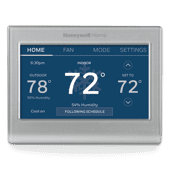
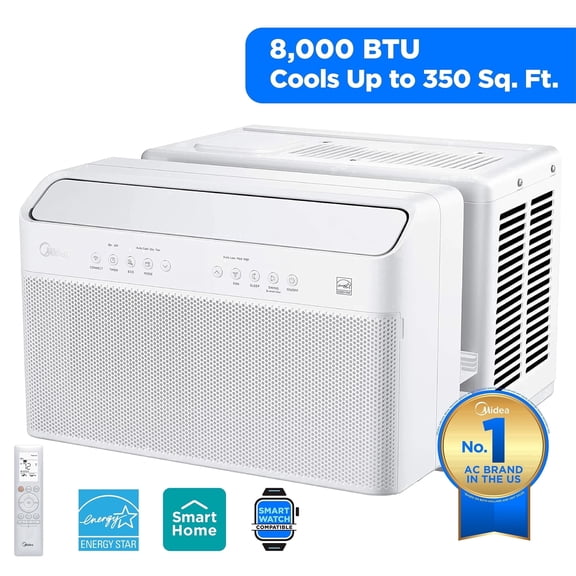
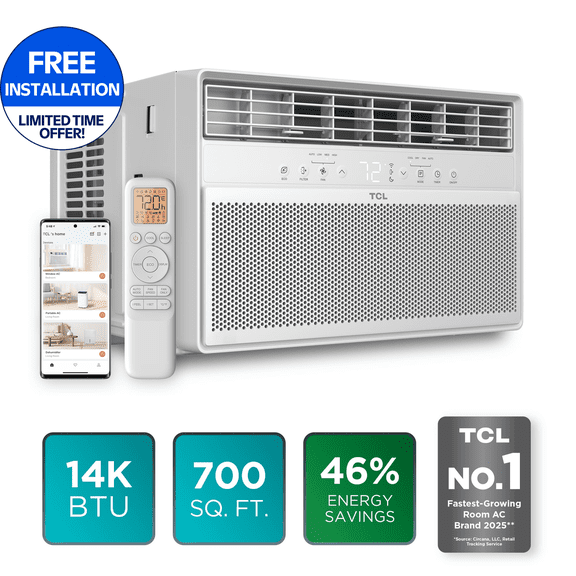
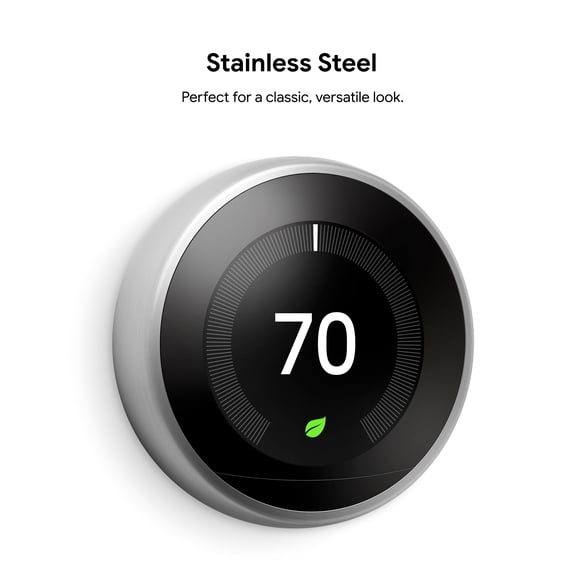
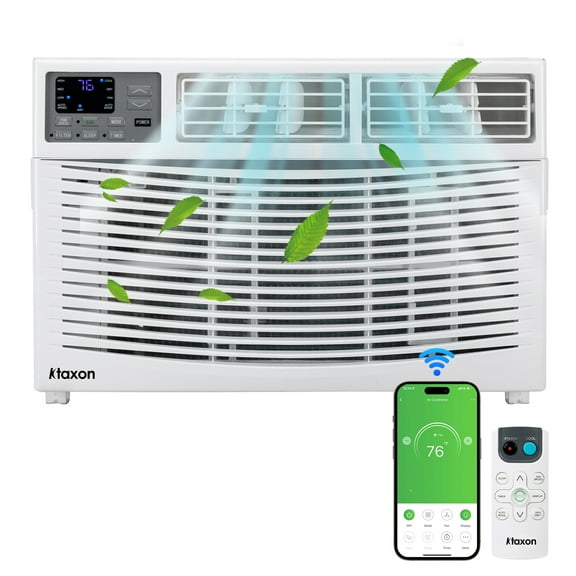
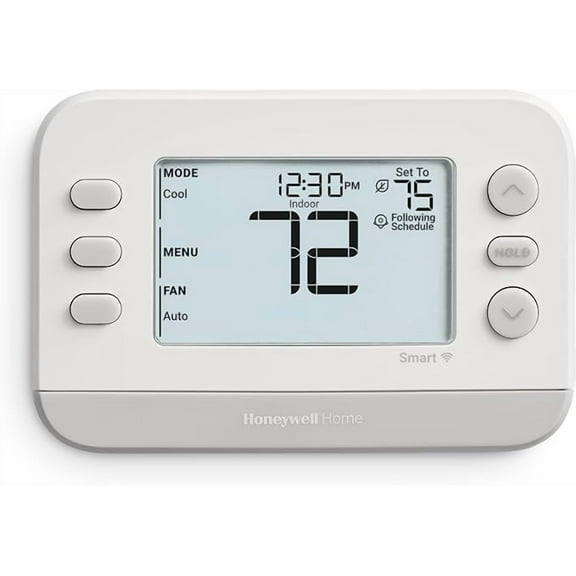
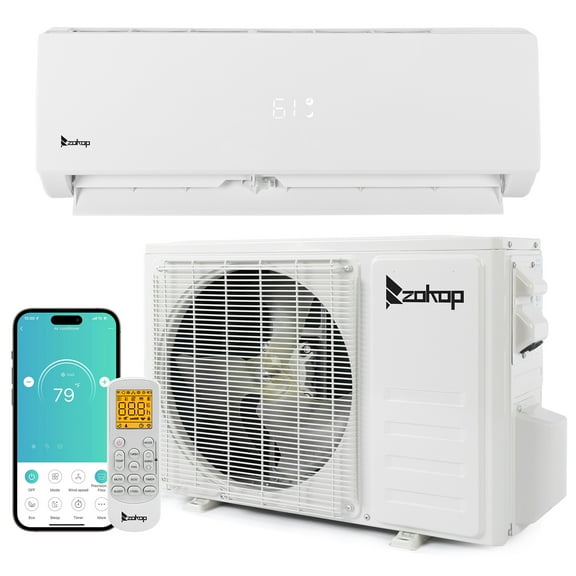
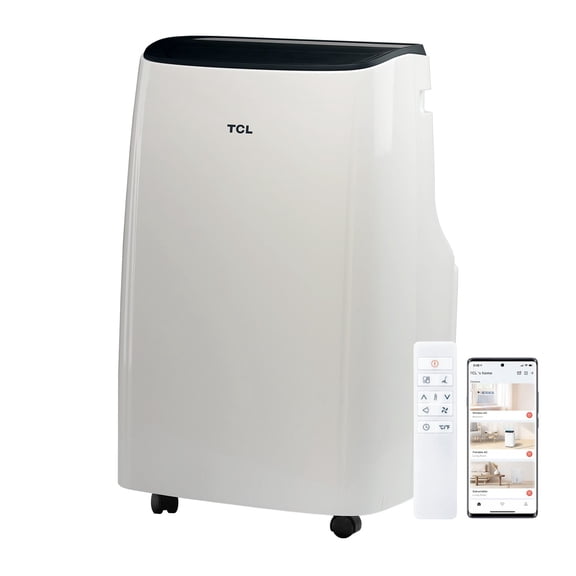
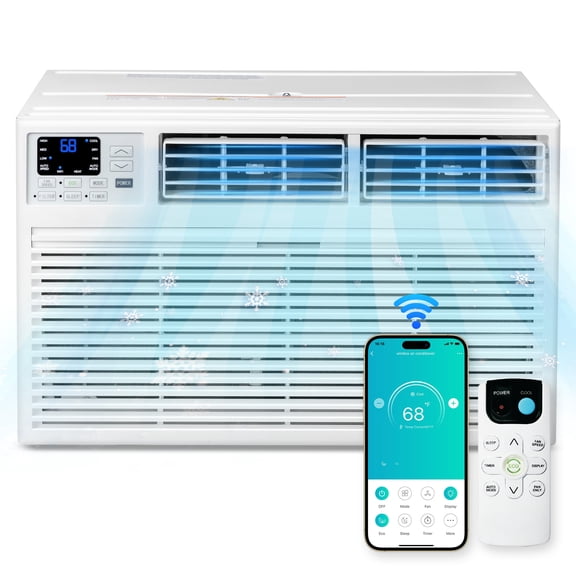
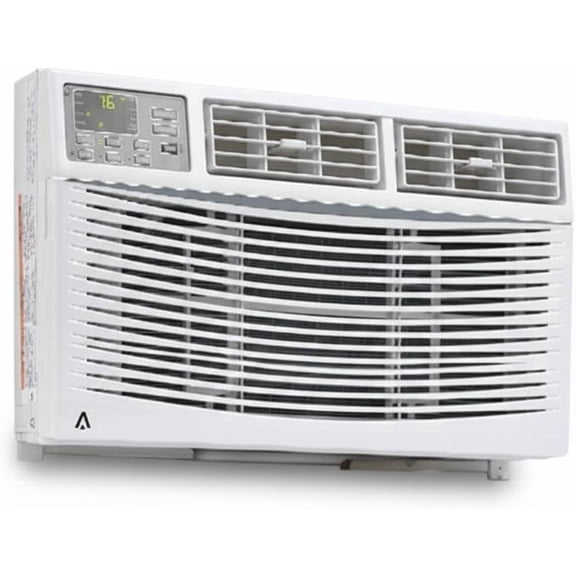
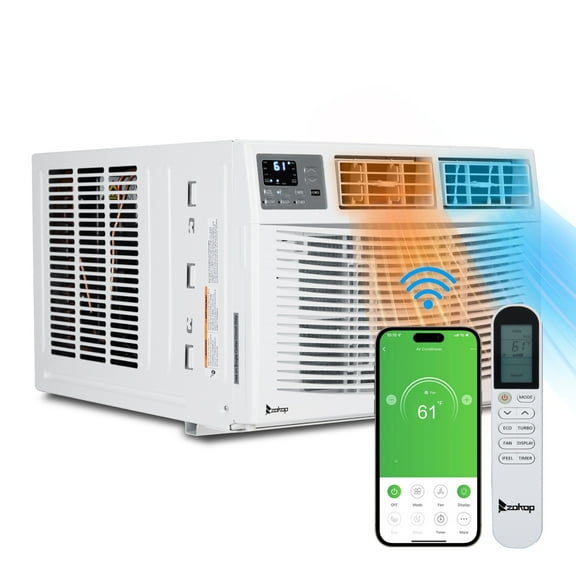
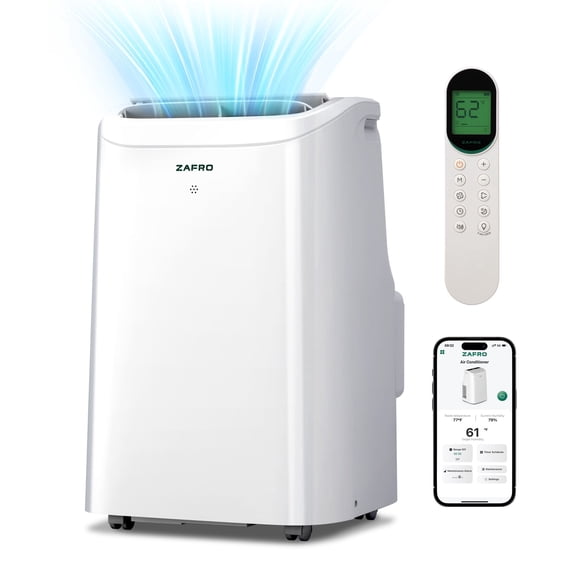
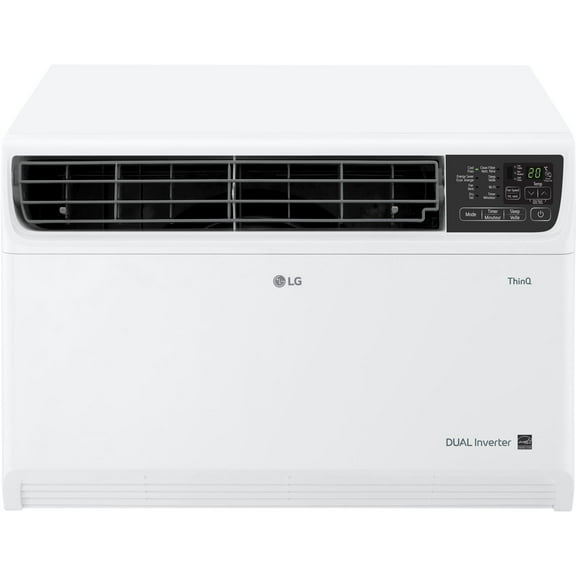
With smart heating cooling options, you can manage room comfort from your phone and match control features to your HVAC setup. You can compare thermostats, vents, radiator valves, and AC controllers in one place, which makes system planning easier.
How to choose smart heating cooling devices
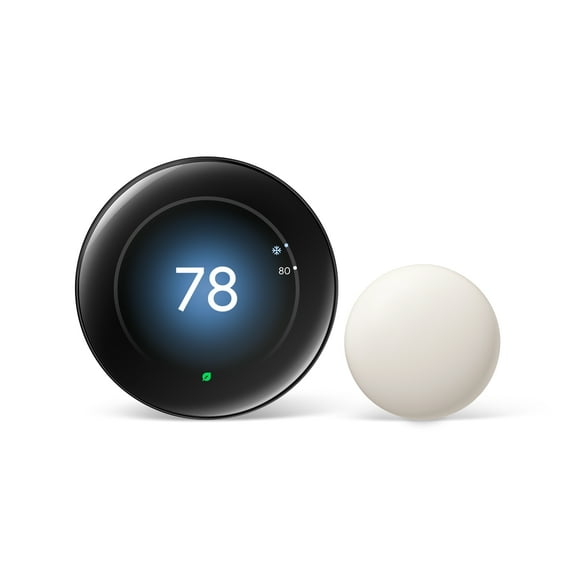
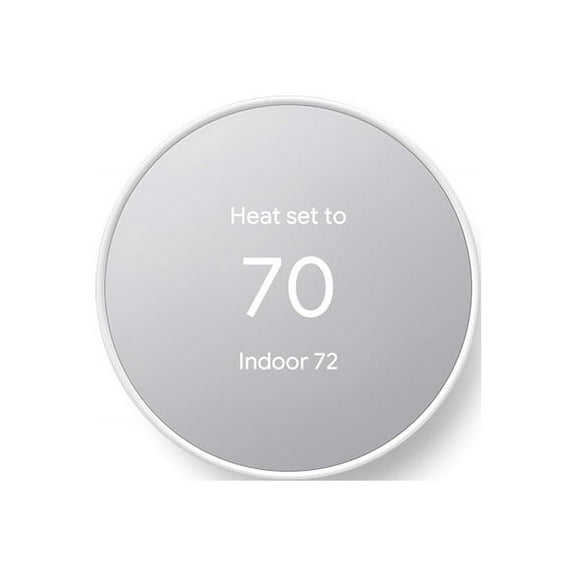
You should start with device type, because each option controls comfort in a different way. You can use a smart thermostat for whole-system control, while smart vents help direct airflow by room.
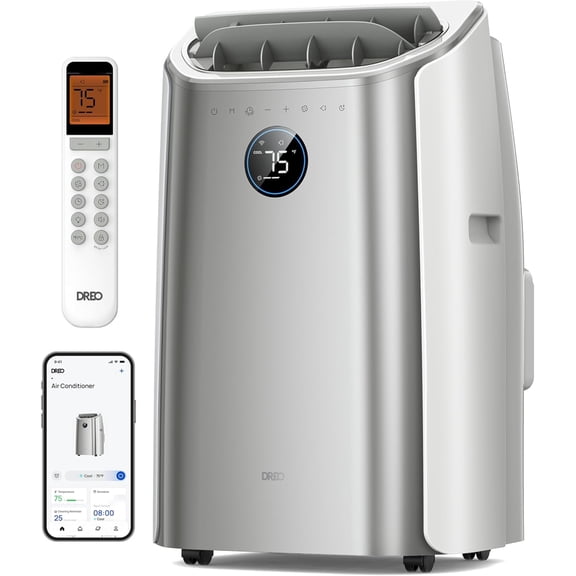
If you want radiator-based control, you can compare radiator valves that adjust heat at individual units. If you need ductless support, you can consider an AC controller for compatible wall or window systems.
You can narrow choices faster by matching the device to your current layout and your daily routine. You may notice that room-by-room control works differently than whole-home scheduling, so that decision matters first.
Choosing the right smart thermostat controller
You should check power needs before anything else, because wiring affects which models can fit your system. You may need a C-wire, battery powered option, or hardwired setup depending on your current thermostat location.
You can also compare 24V system support if your home uses standard central HVAC equipment. If your home uses a heat pump, you should confirm that the smart thermostat controller supports that configuration.
You may want plain setup steps, clear app guidance, and readable displays when you install a new control. You can often handle basic replacement yourself when your wiring and voltage match the listed requirements.
- You can set schedules that follow your workdays, weekends, and sleep hours.
- You can adjust temperature from your phone when plans change.
- You can use remote sensors to balance warmer and cooler rooms.
- You can check compatibility with Alexa, Google Assistant, Apple HomeKit, or SmartThings.
What to look for in smart home temperature control
You should compare connectivity next, because it affects how your device joins the rest of your home setup. You can choose Wi-Fi for direct app access, or consider Zigbee, Z-Wave, and Bluetooth for specific hub needs.
If you already use voice control, you should check whether your preferred platform appears on the compatibility list. You can avoid setup friction by matching your device with Alexa, Google Assistant, Apple HomeKit, or SmartThings.
You may also want flexible scheduling tools that help reduce unnecessary runtime during empty hours. You can keep comfort steady while trimming utility use by setting scenes, routines, and temperature limits.
Comparing features for your smart heating system
You should measure compatibility with your HVAC equipment before you focus on app extras. You can compare support for furnaces, central air, heat pumps, and multi-stage systems to avoid installation surprises.
You can also review sensor support if some rooms stay warmer or cooler than others. You can use added sensors or zoning accessories to guide airflow and create more even temperatures.
If you’re planning a wifi climate control setup, you should check signal strength near the thermostat location. You can get steadier response when your router placement supports reliable communication with your control device.
You can also compare display style, manual controls, and app design for everyday convenience. You may appreciate simple menus and clear alerts when you change schedules, switch modes, or monitor room conditions.
Matching use cases to your home
If you leave home on a regular schedule, you can use timed settings to reduce heating or cooling during those hours. You can return to a comfortable space without adjusting the system every day.
When one floor feels warmer than another, you can consider smart vents or sensor-based controls for better balance. This helps provide more targeted adjustments than you would get from a single hallway reading.
If you use voice assistants across your home, you can choose controls that fit your existing ecosystem. You can keep commands simple when your climate device works with the same platform as your lights or speakers.
For apartments, older homes, or selective room upgrades, you can compare battery powered controls and radiator valves. You can make focused changes without rebuilding every part of your current setup.
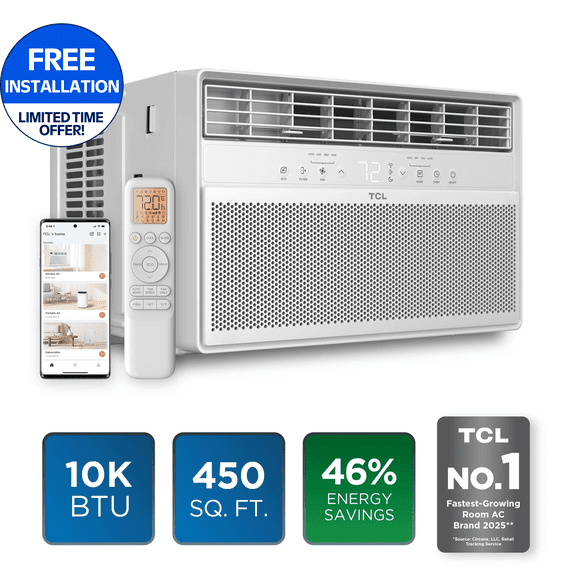
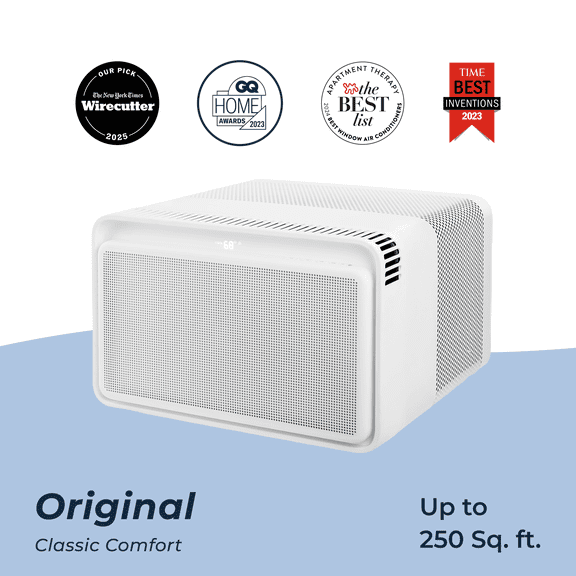
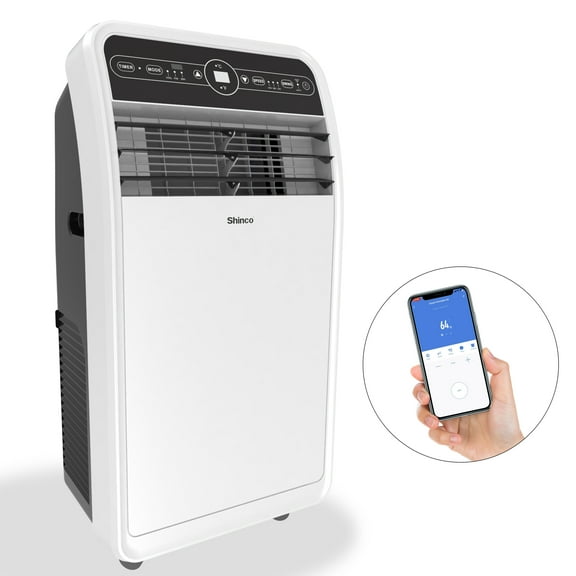
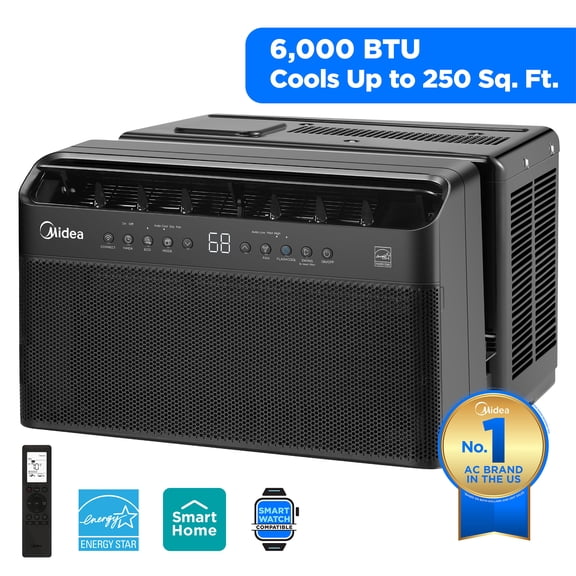
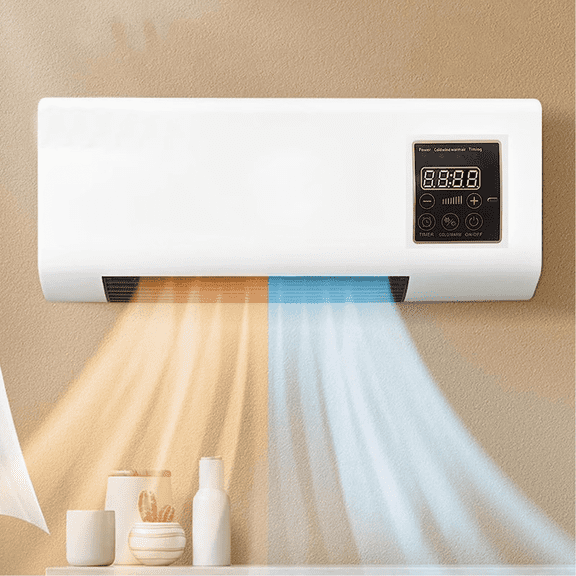
If you manage a ductless room, office, or converted garage, you can look at AC controllers with app-based scheduling. This offers easier control over spaces that don’t connect to central equipment.
When you want fewer hot and cold spots, you can combine schedules with remote sensors for steadier comfort. You can guide your system using the rooms you actually use, not just one wall location.
Why this category makes planning easier
You can compare device type, connectivity, power source, and platform compatibility without guessing what matters first. This helps you make a clearer choice when you match your HVAC system, your rooms, and your preferred smart home platform.
You can build a smart heating system that fits your home today and still supports future expansion. This helps provide more consistent comfort and more useful control from settings that match how you actually live.