

Snowboarding in Snowsports




























About Snowboarding in Snowsports - Walmart.com
Snowboarding gear helps you build a setup that matches your terrain, skill level, and fit from your first run onward. You can compare boards, boots, bindings, helmets, goggles, and outerwear in one place for a more focused search.
How to choose snowboarding gear for your ride style
When you compare snowboarding gear, you should start with your rider level and the terrain you plan to ride most. You can make a clearer choice when your board shape and setup match how and where you ride.
If you’re learning, you may prefer forgiving control that feels easier to turn and steadier at slower speeds. If you ride often, you may look for sharper response, stronger edge hold, and support for faster runs.
Terrain also changes what you should consider. You may want all-mountain versatility for mixed conditions, freestyle control for park laps, powder float for deep snow, or backcountry-focused features for touring setups.
- You can match board profile to feel, from stable camber to looser rocker.
- You can compare flex ratings to find softer or stiffer response in boots and boards.
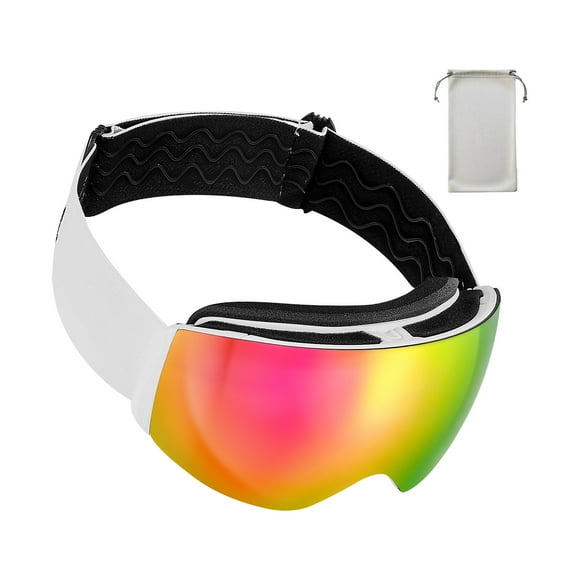
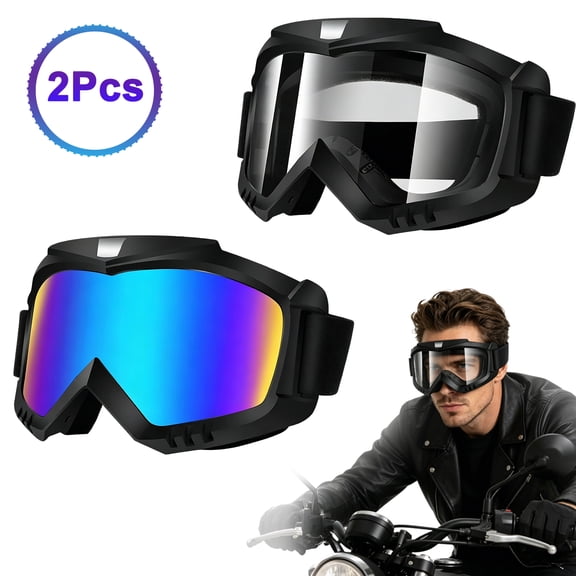
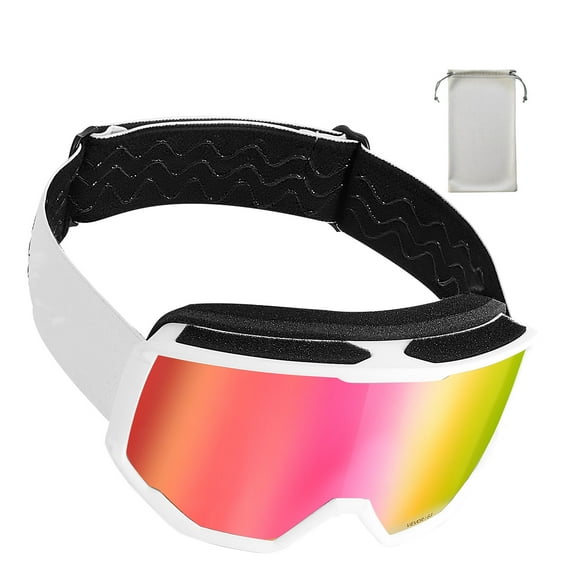
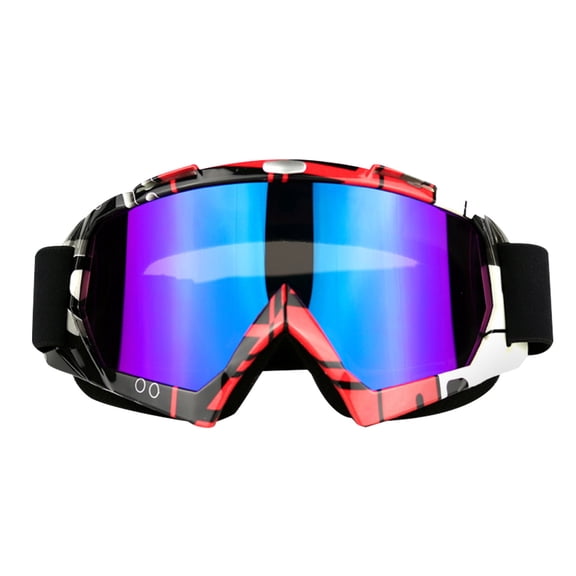
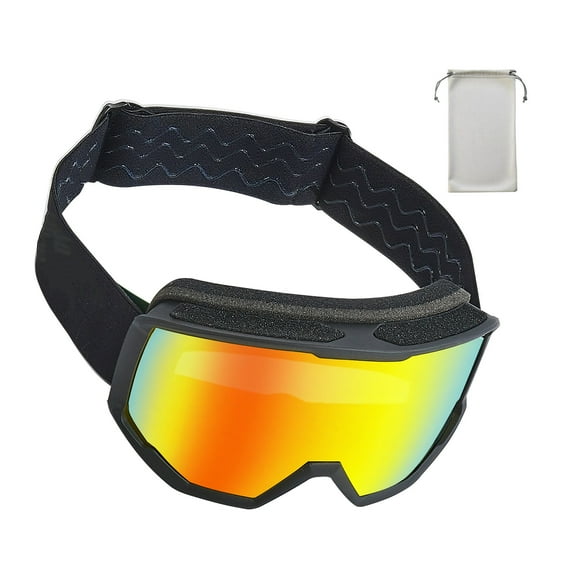
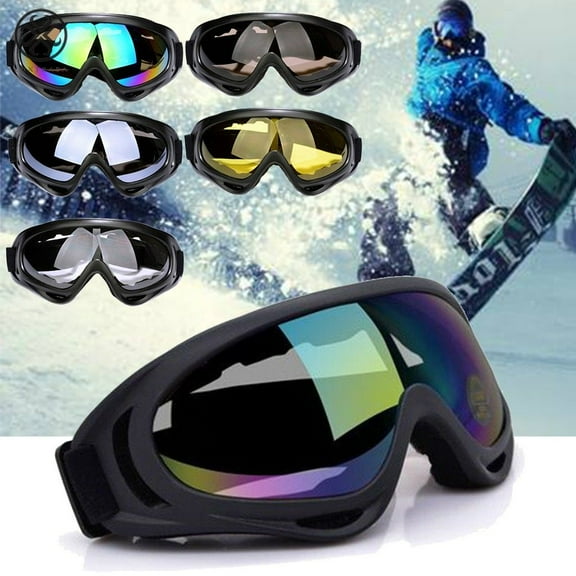
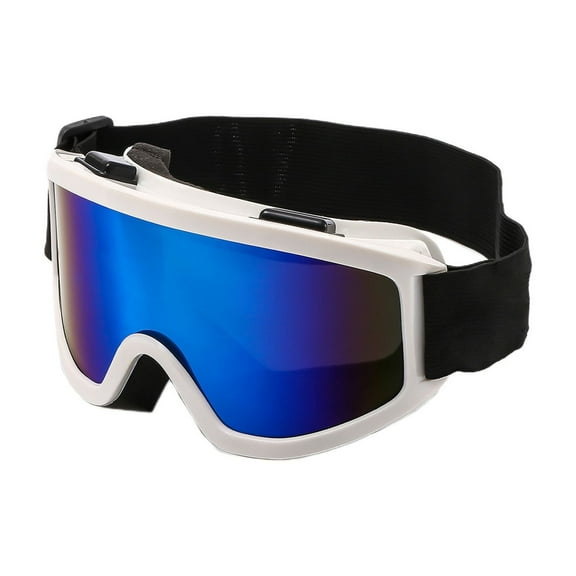
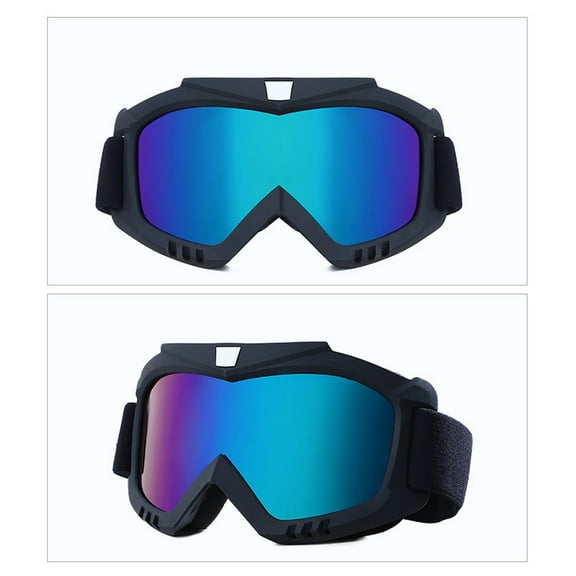
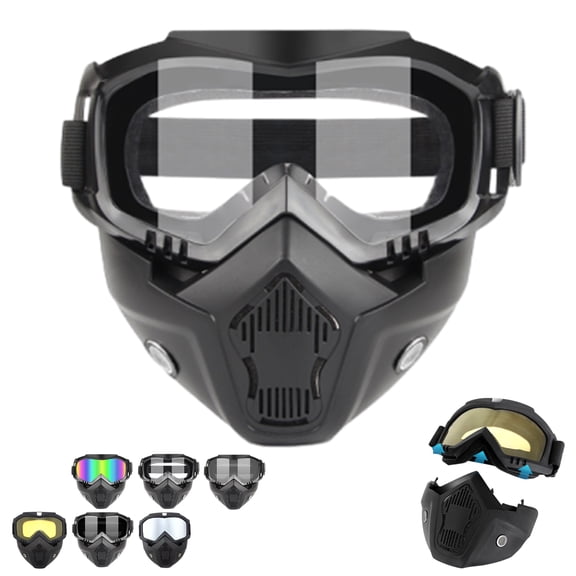
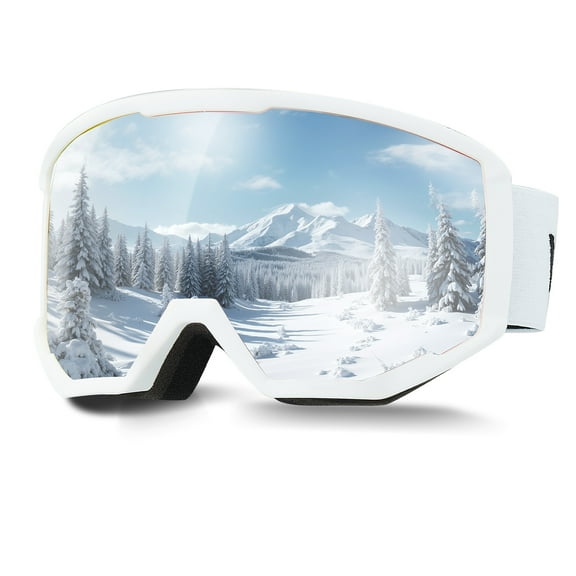
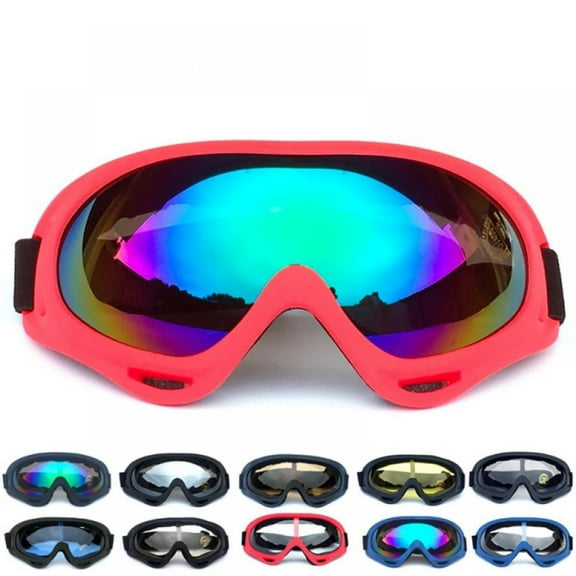
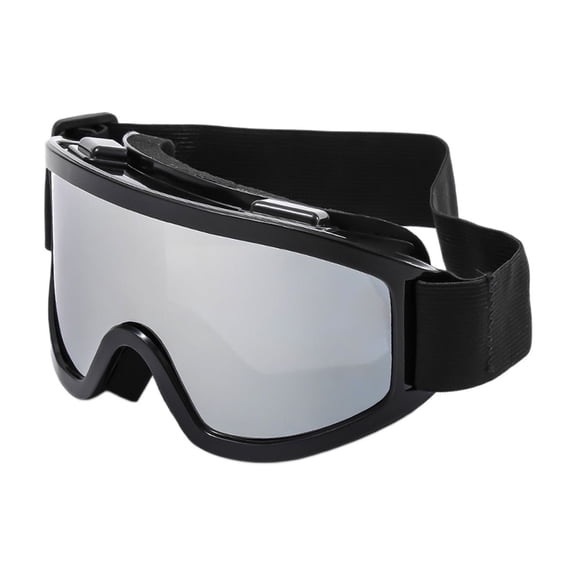
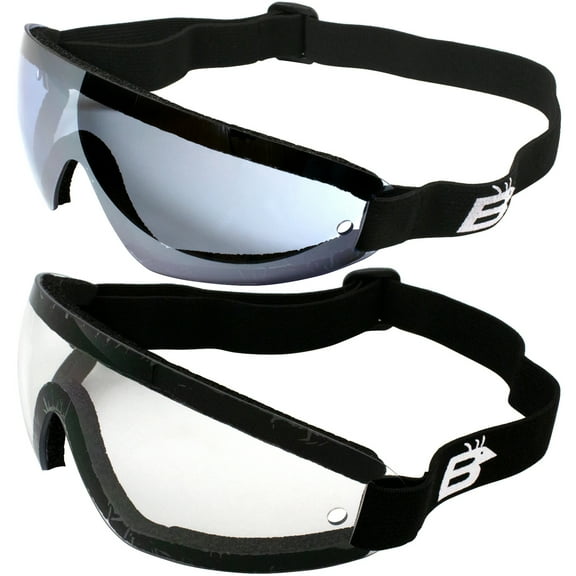
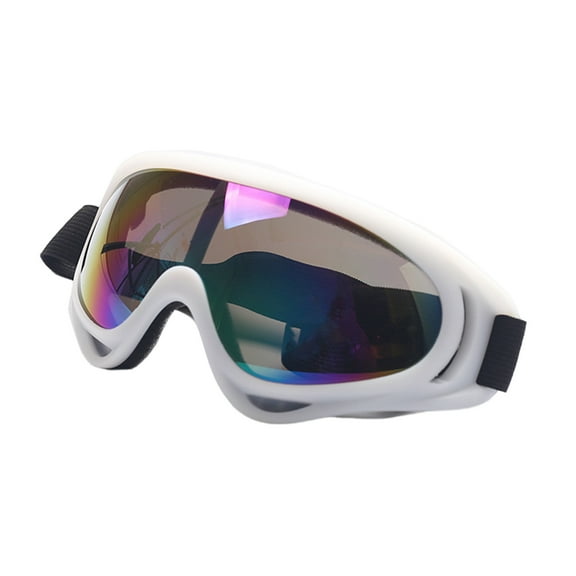
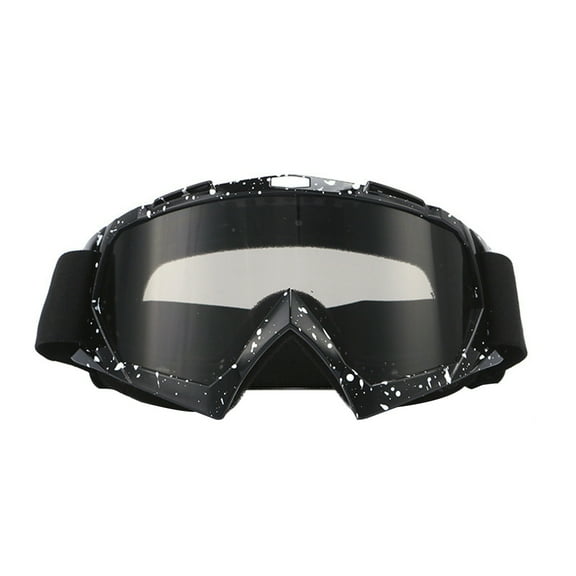
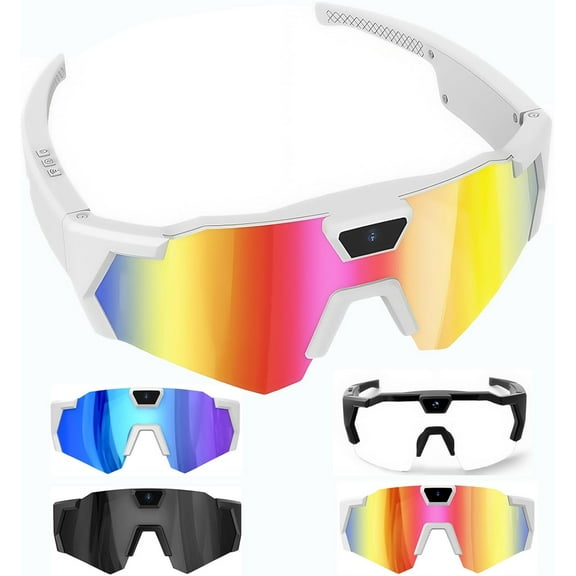
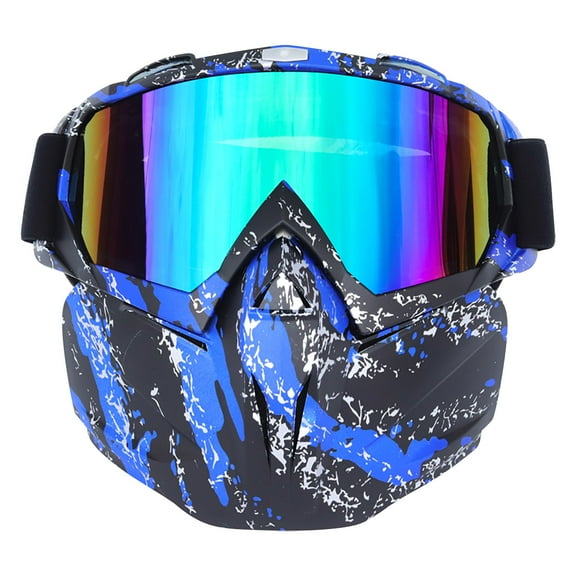
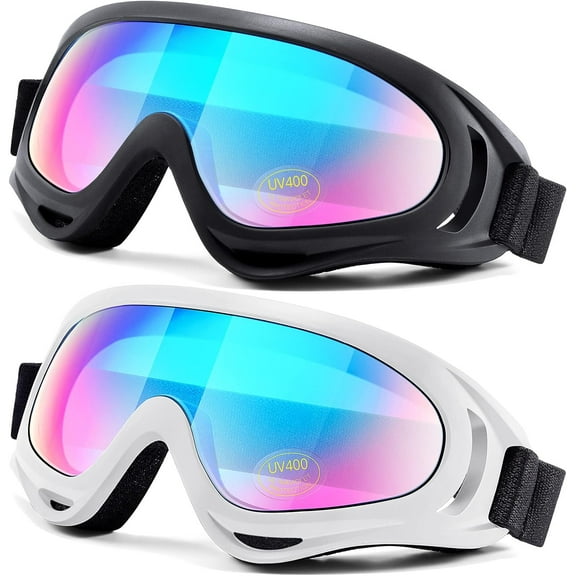
- You can build comfort with snowboard helmets, snowboarding goggles, and snowboard jackets that fit your riding plan.
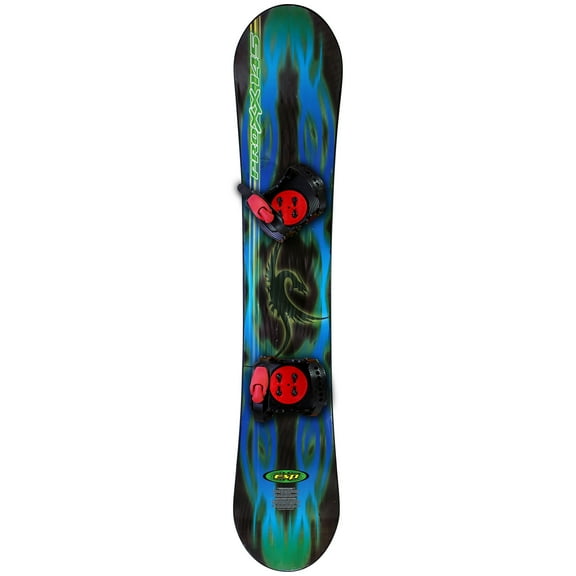
Choosing snowboards by profile, terrain, and size
You should look at board profile first because it changes how your board feels on snow. You may usually notice camber feels more precise, rocker feels more playful, flat feels balanced, and hybrid shapes blend those traits.
Camber can suit riders who want stronger edge contact and a more locked-in feel on groomed runs. Rocker can suit riders who want easier turn initiation and a more relaxed feel in softer snow.
Flat profiles can appeal to riders who want a middle ground for everyday use. Hybrid profiles can help you balance float, grip, and maneuverability across changing mountain conditions.
You should also compare terrain labels before you choose snowboards. All-mountain shapes can support varied resort days, freestyle boards can favor tricks, and powder boards can feature shapes that help you stay on top.
Size matters because you want control without making turns feel slow or awkward. You should check height and weight guidance together, since both affect how your board handles and how stable you feel.
If you’re shopping for a mens snowboard, womens snowboard, or youth snowboard, you should compare lengths with the same care. You should look for a size that matches your stance, riding style, and day-to-day confidence level.
What to look for in snowboard equipment and compatibility
Snowboard equipment works together, so you should choose boots and bindings as a matched system. You can get a more predictable ride when your boot size, binding size, and board mounting pattern line up.
Snowboard boots deserve close attention because fit shapes your comfort and board control. You should look for a secure heel hold, enough toe room, and a flex rating that matches your riding goals.
Soft flex can feel easier for newer riders and park-focused movement. Medium flex can support versatile riding, while stiff flex can feel more responsive for faster lines and aggressive carving.
Snowboard bindings should match both your boots and your board. You should check sizing charts and mounting pattern details, since disc compatibility can vary across snowboard equipment.
You may also want adjustability that helps you fine-tune strap position and stance angles. Those setup details can shape how centered, supported, and comfortable you feel through long resort days.
Outerwear and accessories round out your setup in practical ways. You can add snowboard helmets, snowboarding goggles, and snowboard jackets that support visibility, layering, and weather-ready comfort.
Matching your setup to real riding scenarios
If you’re building a first setup, you should focus on simple control and comfort over specialized shapes. You may prefer a medium-soft board, easy-fitting boots, and bindings that make setup straightforward.
If you ride groomers and occasional side hits, you may want an all-mountain board with a versatile profile. You can pair that setup with medium-flex snowboard boots for a balanced feel across mixed terrain.
If you spend your day in the park, you may look for freestyle-focused snowboards with easier maneuverability. You can pair them with softer boots and bindings that support presses, spins, and repeated movement.
For deep snow days, you may prefer shapes designed with powder riding in mind. You may often want features that help with float and directional control when conditions change across the mountain.
If you’re shopping for a growing rider, you should pay extra attention to youth snowboard sizing and boot fit. You can create a more manageable setup when the board length and flex don’t overwhelm developing technique.
You may also want to complete your snowboarding gear with layers that fit changing weather. Your jacket, helmet, and goggles can make cold chairlift rides, flat light, and windy descents feel easier to manage.
How the right snowboarding gear supports confident choices
You can narrow snowboarding gear faster when you compare rider level, board profile, terrain, flex, and fit together. That approach helps you build a setup that feels coordinated, comfortable, and ready for your next day on snow.