

Plastic Snowboards & Beginner Snowboards | Walmart


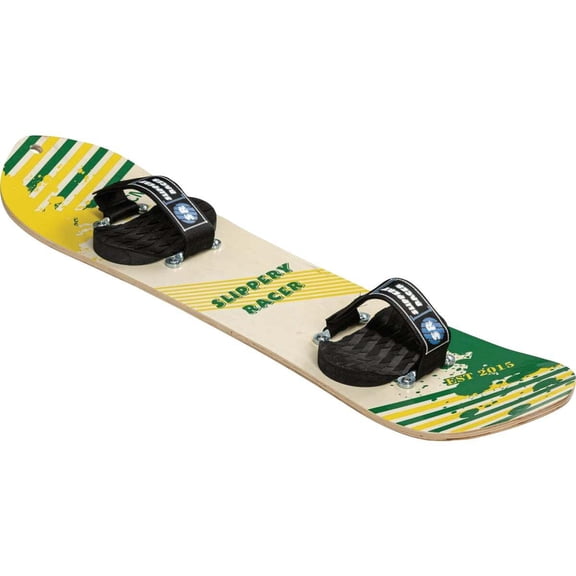
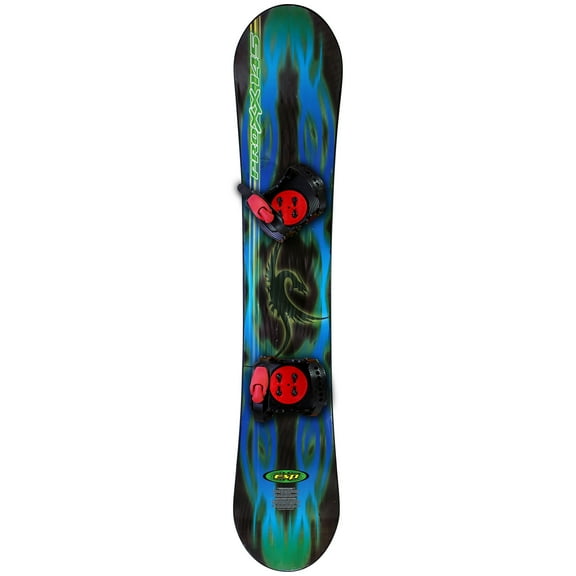














About Plastic Snowboards & Beginner Snowboards | Walmart - Walmart.com
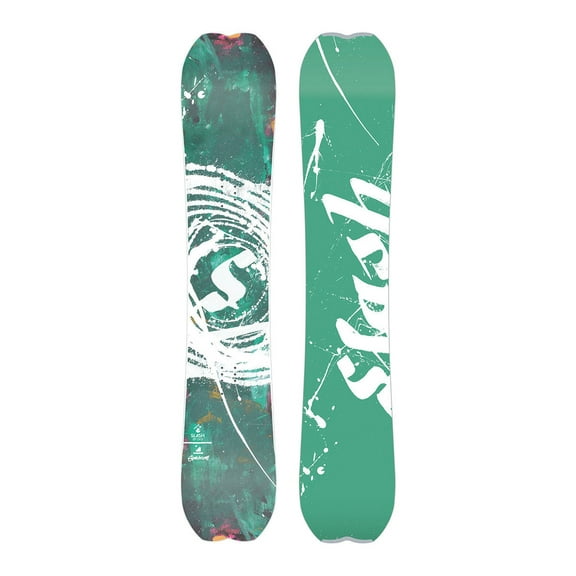
Snowboards help you match your ride to your terrain, skill level, and stance needs. You can compare board profiles, flex ratings, and widths to get steadier control on winter runs.
If you're choosing your first board or replacing an older setup, you need category guidance that fits real riding conditions. You can use this snowboard buying guide to compare shape, size, and terrain focus with confidence.
How to choose snowboards for your ride style
When you compare snowboards, you should start with rider level, terrain type, and board size. You can narrow options faster when you know where you ride and how responsive you want your board.
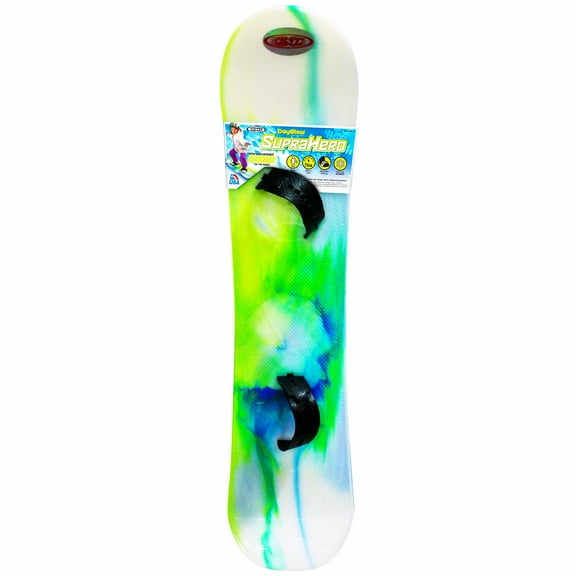
For rider level, you should consider how easy the board feels during turns and edge changes. If you're new, snowboards for beginners often pair forgiving shapes with easy control.
- You can choose all mountain snowboards for mixed terrain, groomed runs, and changing conditions.
- You can pick freestyle snowboards when your riding includes park features, spins, and quick turns.
- You can look at powder snowboards if your days focus on deeper snow and smooth float.
- You can compare mens snowboards, womens snowboards, and youth boards by sizing, width, and flex.
Terrain matters because your board shape changes how you move across groomers, powder, and park features. You should match your board to the runs you ride most, not only occasional trips.
Choosing rider level, terrain type, and board profile
You should compare beginner, intermediate, and advanced options by control, response, and turning feel. If you're building confidence, a softer and less demanding ride can help you learn basic technique.
All mountain snowboards work well when you split time across groomed trails, small park laps, and mixed snow. You can use them as a versatile choice when you don't want a board for only one condition.
Freestyle and park boards usually feel shorter, easy to maneuver, and playful underfoot. You can favor that style when your riding includes jumps, rails, and quick edge transitions.
Board profile is another key decision, and you should compare camber, rocker, flat, and hybrid shapes carefully. Those profile terms affect edge hold, float, and how locked-in your turns feel.
If you choose camber snowboards, you can expect reliable edge contact and a precise feel on firmer runs. If you choose rocker, you may notice smooth turn initiation and added float in softer snow.
Flat profiles can give you a balanced feel between camber and rocker traits on everyday runs. Hybrid shapes let you combine grip, forgiveness, and versatility when your riding style varies.
What to look for in snowboard sizing and width
You should size snowboards by rider weight first, then use height as a secondary check. That approach helps you match the board's flex and contact points to how you actually ride.
Board width also matters because your boot size affects edge control. You should check whether your boots fit the waist width to reduce toe drag during turns.
If your boots run larger, you may need a wider board for clean carving and steady landings. If your boots are smaller, you can keep the board nimble with a standard width.
You should also compare mens snowboards, womens snowboards, and youth options by sizing ranges and flex patterns. Those categories help you find proportions that feel natural from the first run.
Length affects stability and maneuverability, so you should think about where you ride most often. A slightly longer board can feel calm at speed, while a shorter board can feel quick in tight spaces.
Choosing flex ratings in snowboards
You should use flex ratings to judge how demanding or forgiving a board may feel. Soft flex snowboards usually feel easy to press, steer, and control at lower speeds.
If you're shopping for snowboards for beginners, a soft or medium flex can support smooth learning on groomed terrain. You can make turns with less effort and get an approachable feel.
Medium flex boards suit many intermediate riders because you get a blend of control and playfulness. You can ride changing terrain without choosing a very loose or very stiff setup.
Stiff boards often appeal when you want firm response at speed and crisp edge engagement. You should consider that feel if your riding is aggressive and your technique is already consistent.
Matching snowboard choices to real riding scenarios
If your weekends include mixed resort runs, you should start with all mountain snowboards and medium flex. You can handle groomers, occasional powder, and side hits without switching board styles.
If you're practicing first turns and basic linking, you should focus on snowboards for beginners with softer flex. You can build comfort faster with a forgiving profile and manageable length.
When your focus is terrain parks, you should compare freestyle snowboards with softer or medium flex patterns. You can get easy maneuvering for spins, presses, and quick adjustments.
If your trips center on deeper snow, you should look at powder-oriented shapes and rocker influence. You can get added float and a smooth feel when the snow gets softer and deeper.
You should also think beyond the deck when planning your full setup. Your snowboard gear may include bindings, boots, and helmets that need compatible sizing and riding intent.
When you match width to boot size, profile to terrain, and flex to skill level, your board choice becomes clearer. You can head into snowboarding equipment decisions with a setup built for your actual ride days.
Snowboards make more sense when you compare each attribute as a practical decision, not a guess. You can choose a board that fits your boots, terrain, and progression goals for a smoother day on the mountain.