

Snowsports in Outdoor Sports


































About Snowsports in Outdoor Sports - Walmart.com
Snowsports gear helps you get ready for winter outings with choices for skiing, snowboarding, sledding, and snowshoeing. You can compare equipment, apparel, protective gear, and accessories in one category built for cold-weather plans.
Whether you're heading to groomed runs or planning backyard sledding, you need gear that matches your activity and your conditions. You can use this guide to compare winter sports equipment by age group, skill level, fit, and terrain.
How to choose snowsports gear by activity
Your first decision is the activity type, because skiing, snowboarding, sledding, and snowshoeing call for different setups. You should compare each option by movement style, surface, and the amount of control you want.
If you're building a skiing setup, you may focus on skis, poles, boots, helmets, and goggles. If you're choosing snowboarding gear, you may compare boards, bindings, boots, and layers that support longer rides.
For family outings, you may want sleds and snow accessories that work for shorter sessions and mixed ages. For quieter trail days, you may look at snowshoes, poles, and outerwear that support steady movement.
- You can match your gear to skiing, snowboarding, sledding, or snowshoeing.
- You can compare equipment, snow sports apparel, protective gear, and accessories together.
- You can narrow options by adults, kids, and toddlers before you choose sizes.
- You can focus on groomed runs, powder, backcountry routes, or backyard sledding.
Choosing winter sports equipment for age and fit
Your fit matters because winter sports equipment should match your height, weight, and intended use. You can use sizing charts to compare ski length, snowboard length, boot sizing, and outerwear fit.
If you're shopping for kids or toddlers, you may prefer simpler gear that supports easier movement and quick changes. If you're shopping for adults, you may compare more size ranges, support levels, and layering options.
When you check ski or board sizing, you should compare height and weight guidance together. You can get a steadier feel from a size that aligns with your build and your experience level.
Outerwear fit also shapes comfort, because you need room for layers without bulky movement. You should measure inseam, chest, sleeve, and waist details when you compare snow sports apparel.
What to look for in snow sports gear features
Your weather protection choices can affect comfort across changing snow and temperature conditions. You should compare waterproof and breathability ratings, because those numbers help you judge moisture coverage and airflow.
If you expect wet snow or long chairlift rides, you may look for higher waterproof ratings in jackets, pants, and gloves. If you stay active on trails, you may want breathability that helps your layers feel less heavy.
Your insulation needs depend on activity level, session length, and temperature. You can choose lighter insulation for active snowshoeing, or more coverage for sledding sessions with longer stops.
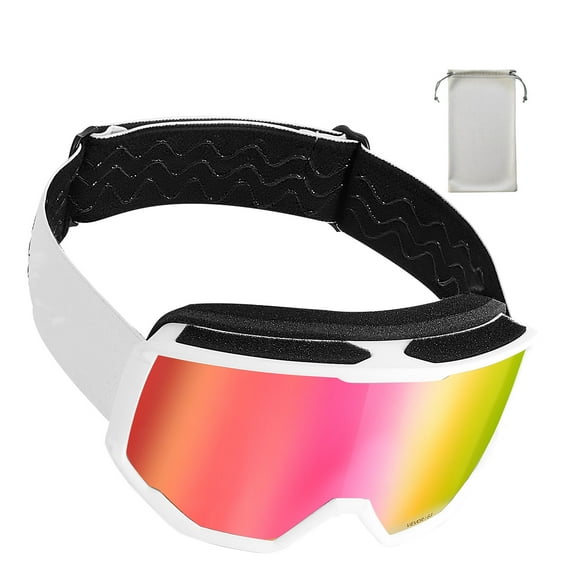
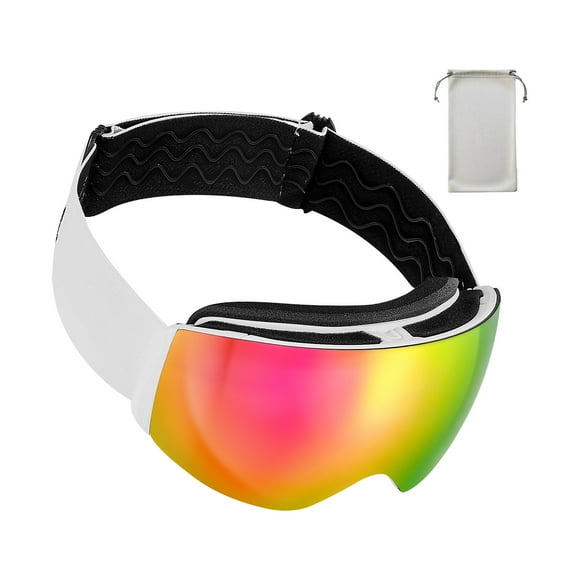
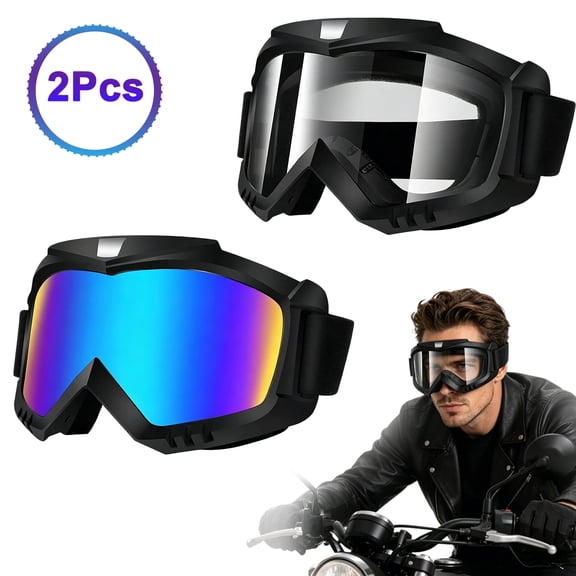
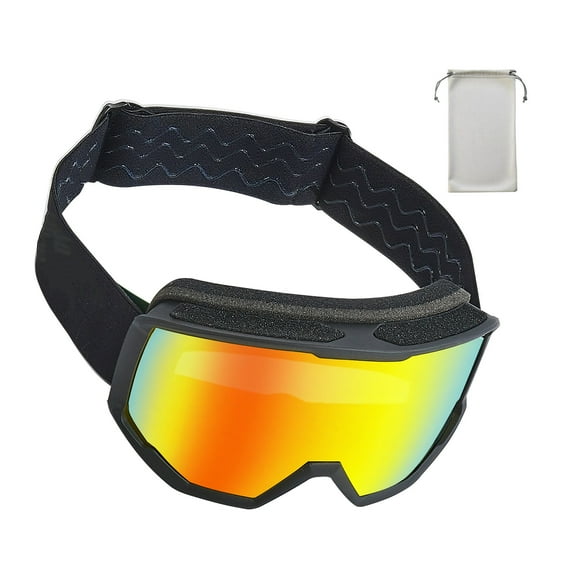
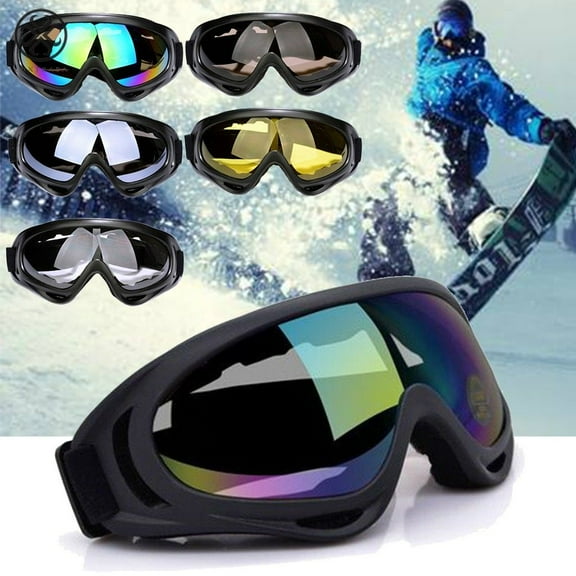
Protective gear also deserves attention when you compare skiing equipment and snowboarding accessories. You should look for helmets, goggles, wrist guards, or padded options that match your sport and your fit.
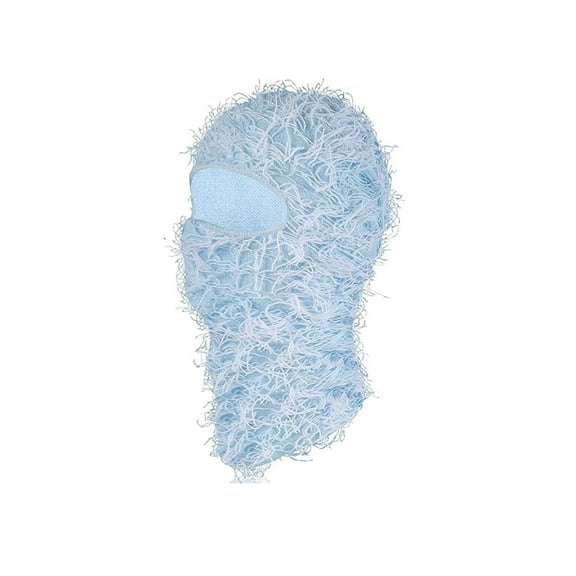
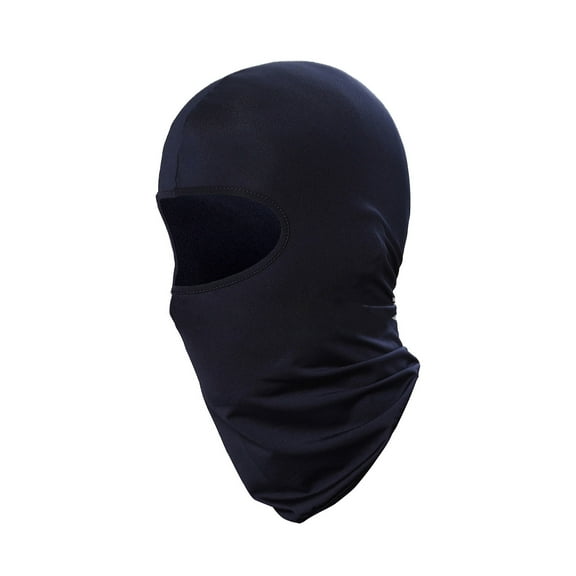
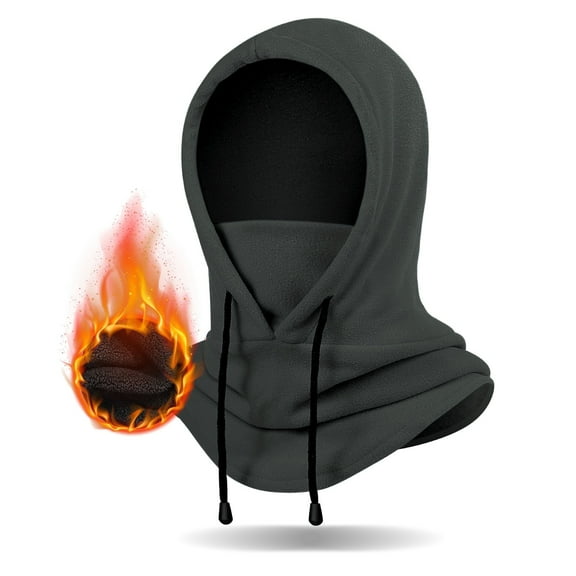
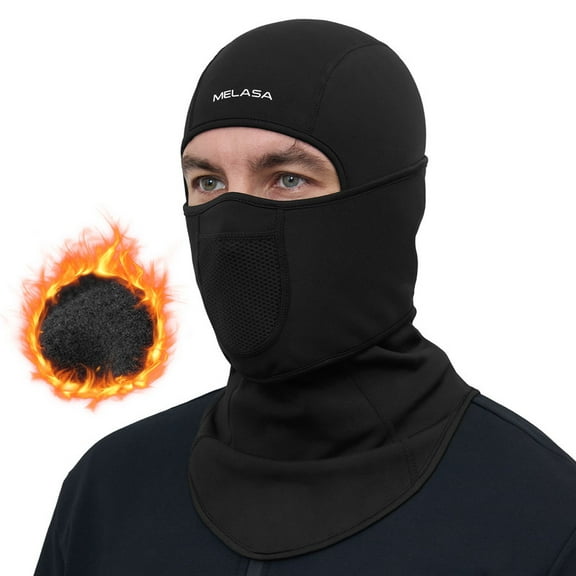
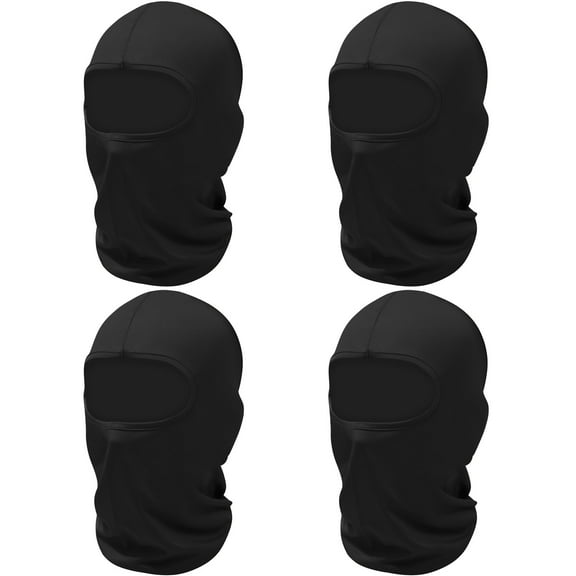
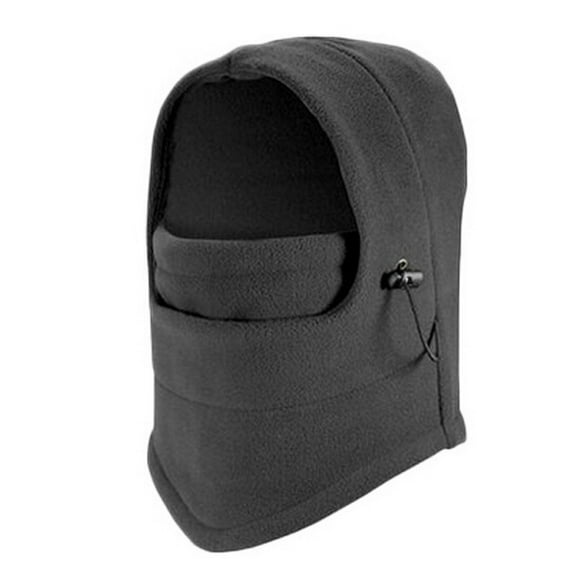
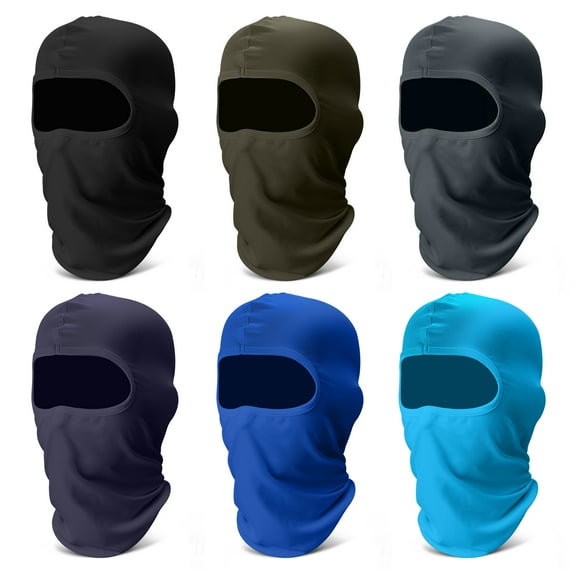
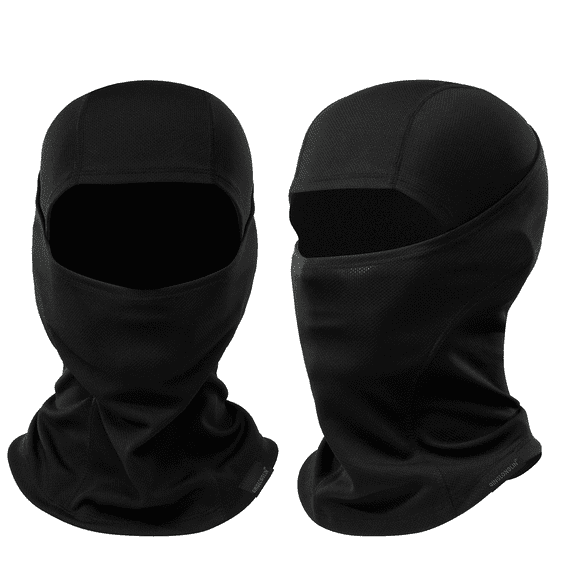
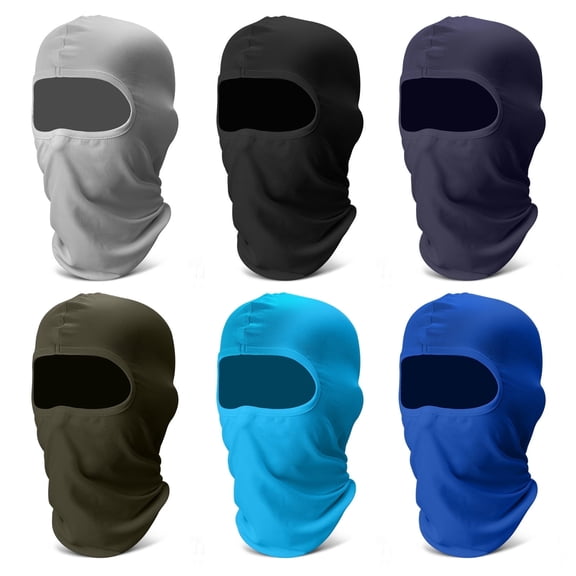
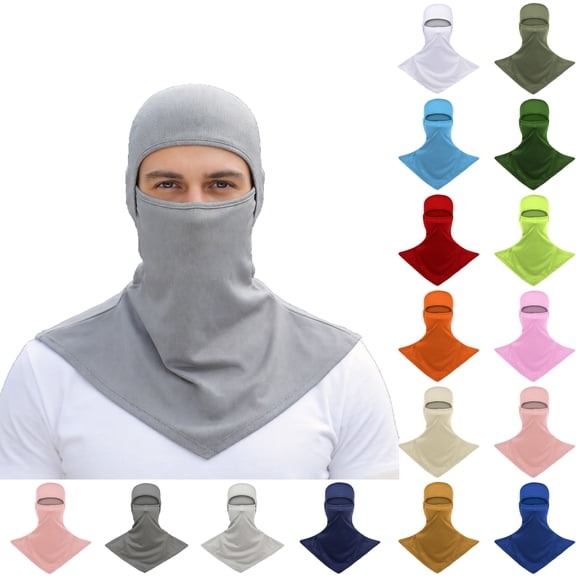
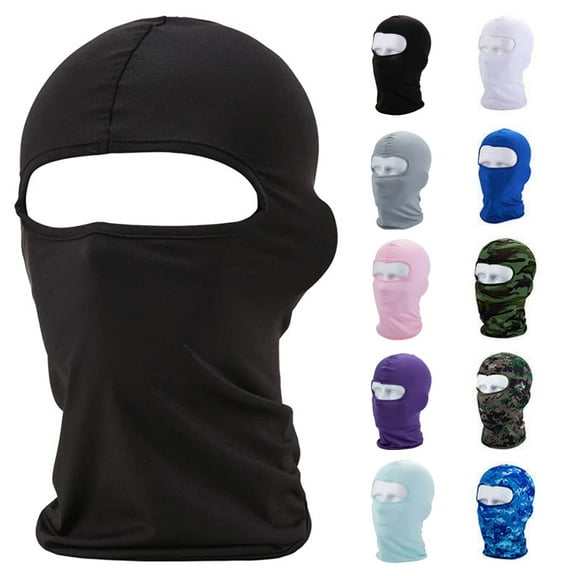
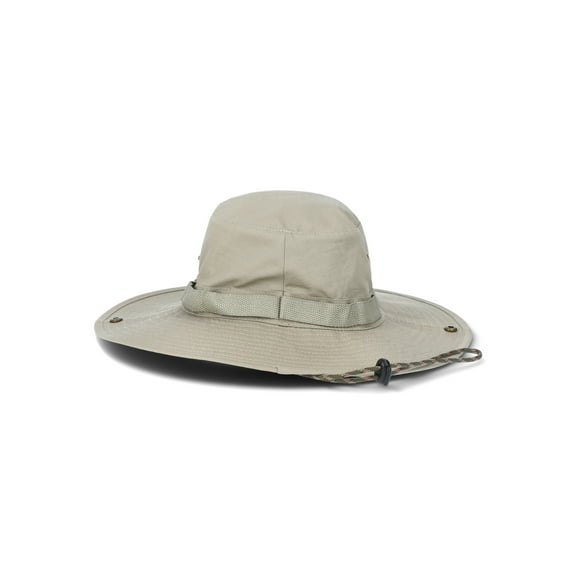
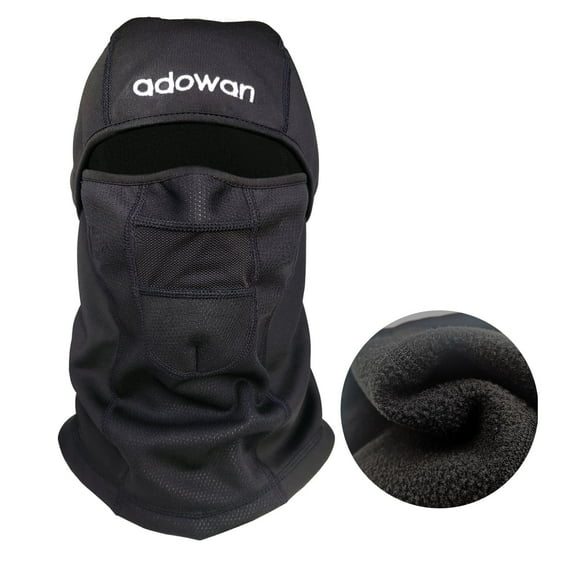
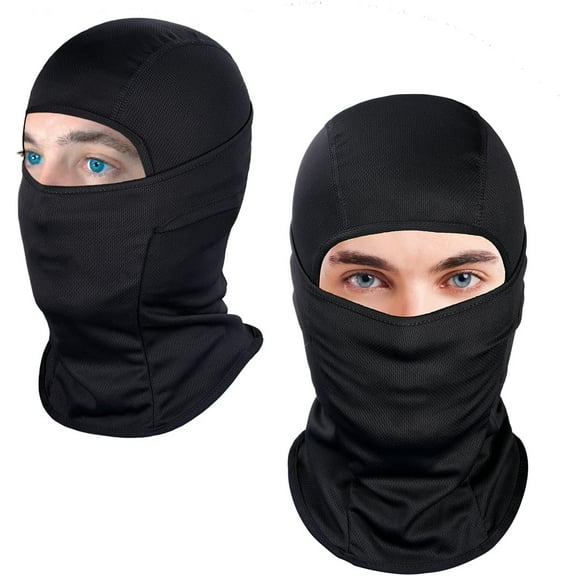
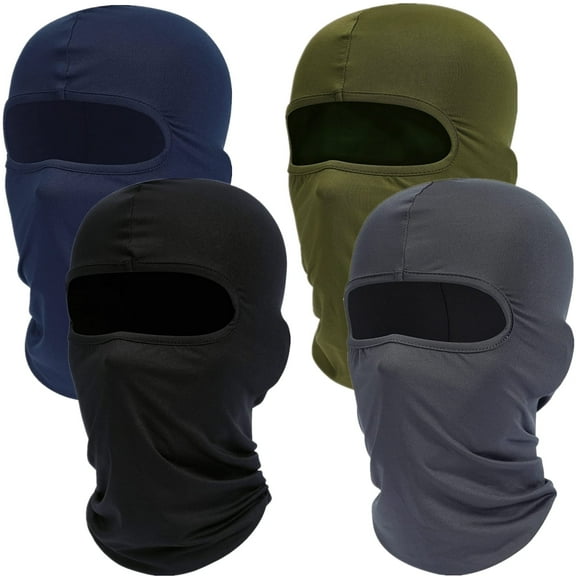
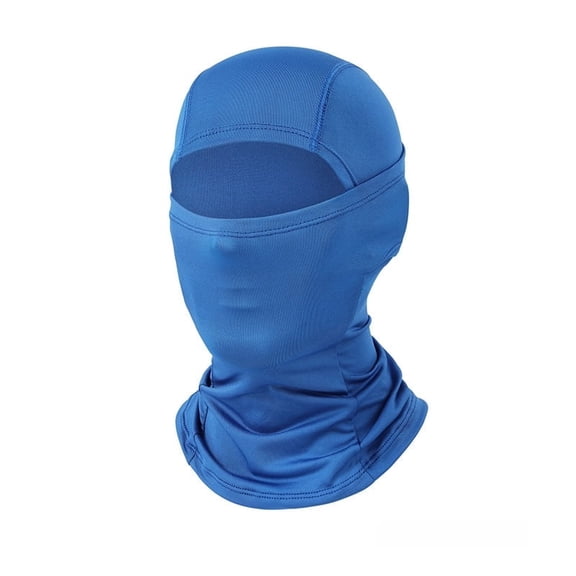
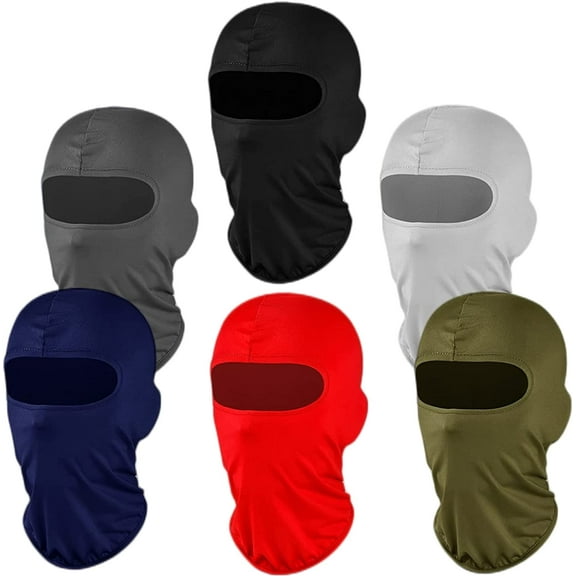
Accessories can shape the day just as much as larger equipment pieces. You may want boot bags, face coverings, socks, handwear, and storage options that keep your setup organized between trips.
Matching snowboarding gear and skiing equipment to skill level
Your skill level should guide your choices, because beginner, intermediate, and advanced setups can feel very different on snow. You can compare control, flex, shape, and support in plain terms before you commit.
If you're a beginner, you may want forgiving gear that feels easier to turn and easier to manage. If you're intermediate, you may look for more response as your confidence and speed increase.
If you're advanced, you may compare gear built for stronger edging, deeper powder, or more demanding terrain. You should also check whether the design matches groomed runs, backcountry routes, or mixed conditions.
For snowboards, you can compare board length and flex with your height, weight, and riding style. For skis, you can compare length and shape with the terrain you expect and the pace you prefer.
Using snowsports gear for real winter plans
Your use case can narrow the category quickly, especially when you know where and how you'll spend the day. You can build a more practical setup by starting with terrain and session type.
If you're packing for a resort trip, you may center your list on skiing equipment or snowboarding gear for groomed runs. You should also add goggles, helmets, gloves, and layers that work across changing lift conditions.
If your plan is backyard sledding, you may focus on sleds, snow pants, insulated jackets, and boots for repeated trips outside. You can keep the setup simple while still covering warmth, movement, and easy cleanup.
If you're planning a backcountry route or powder day, you may prioritize movement, layering, and terrain-specific support. You should compare apparel features, pack-friendly accessories, and fit details that suit longer outings.
For family trips with mixed ages, you can combine kids' apparel, toddler snow gear, and adult outerwear in one order. You may also coordinate accessories so everyone has gloves, hats, goggles, and extra layers ready.
With snowsports, you can prepare for the slope, the trail, or the hill by comparing activity, fit, weather coverage, and skill level. You end up with winter gear that matches your plans and helps your day feel more organized.