


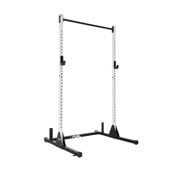
Squat Racks in Home Gym Equipment
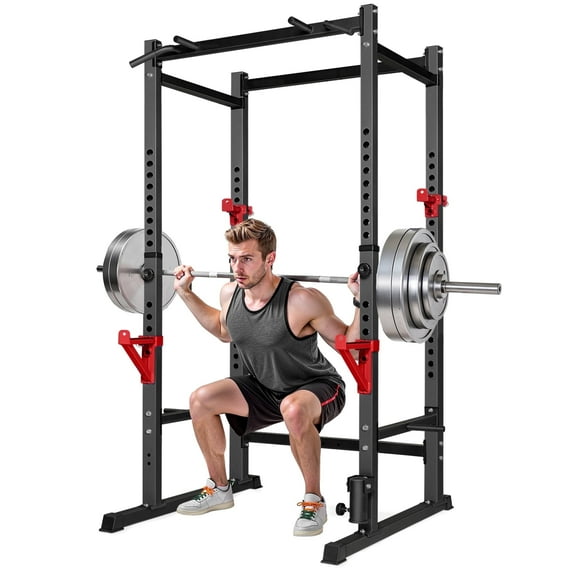

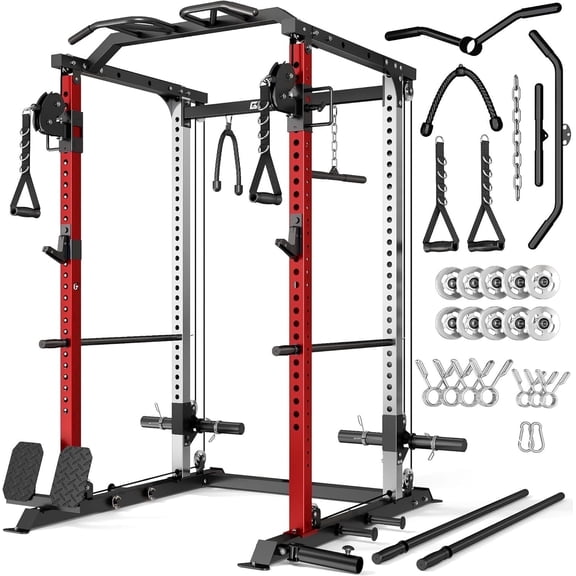
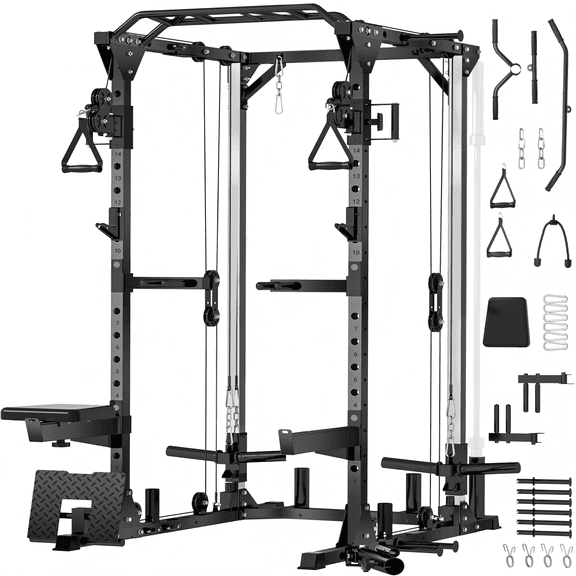
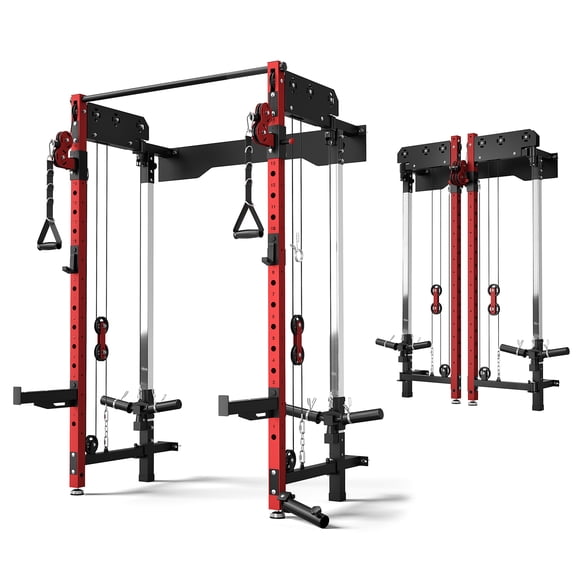


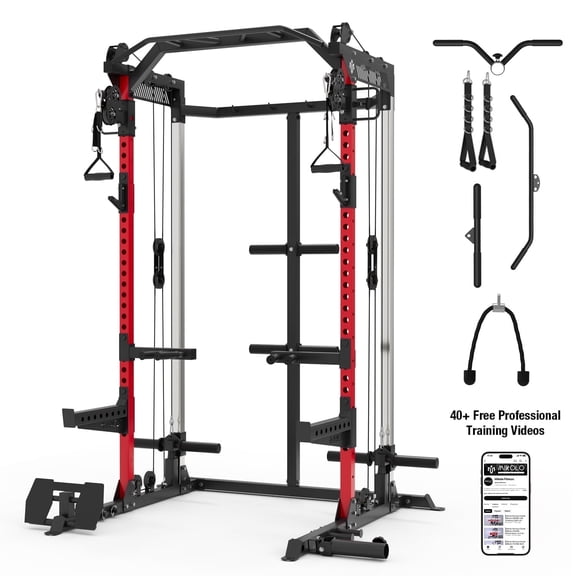


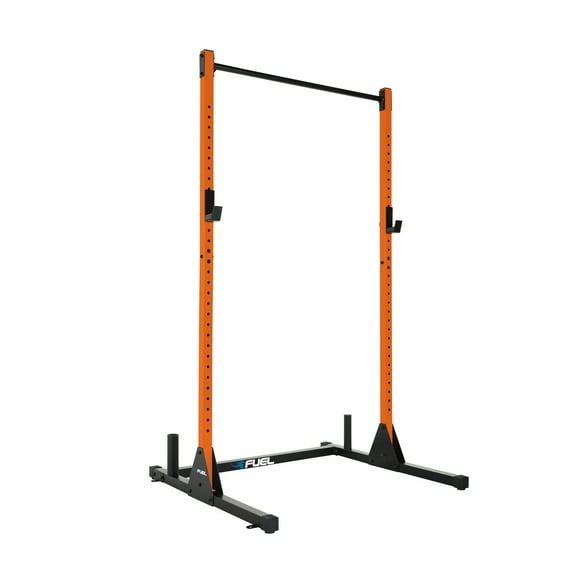


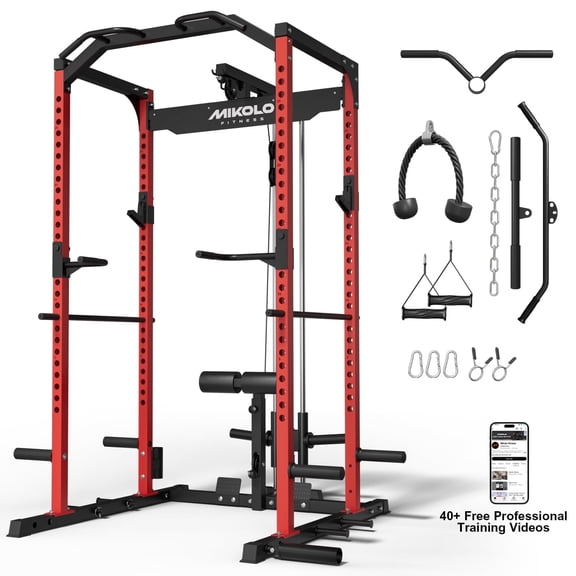




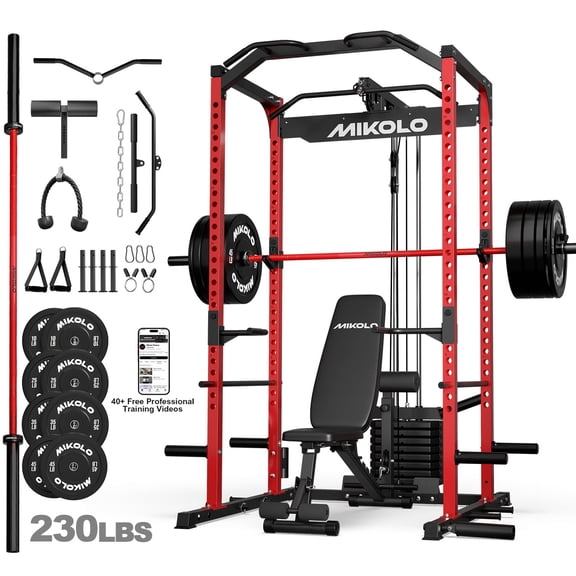


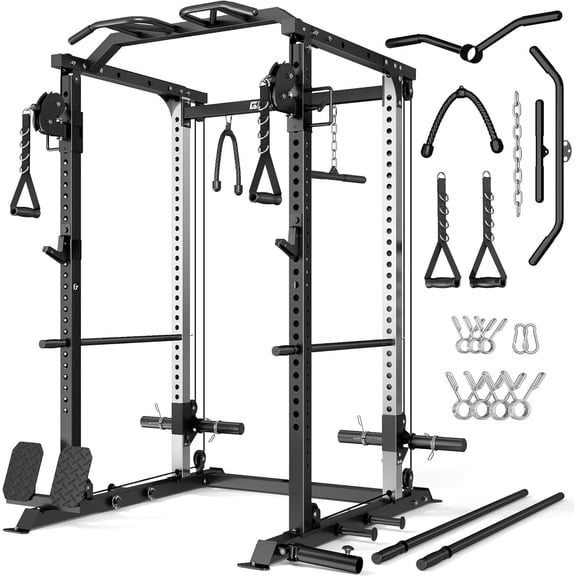


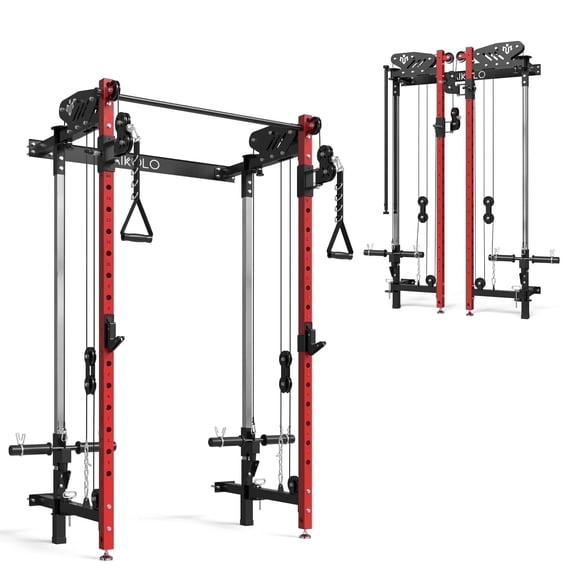


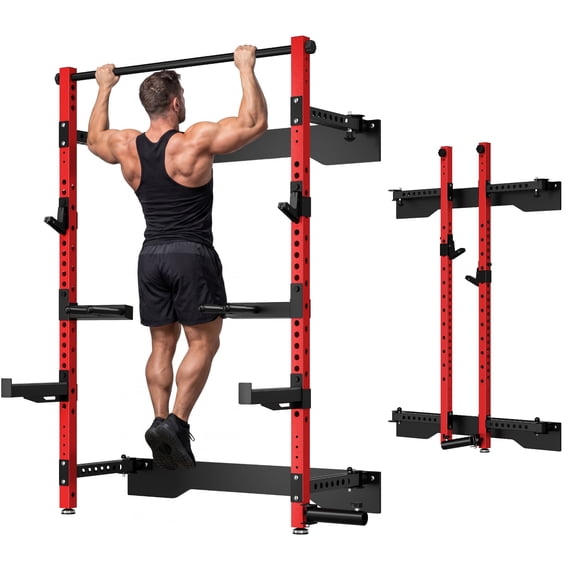





























About Squat Racks in Home Gym Equipment - Walmart.com
If you want a squat rack nearby, you need clear choices for your space and lifting style. You can compare rack types, weight capacities, and pickup or shipping options at Walmart. You can also find guidance for home gyms, garage setups, and serious strength routines.
How to choose a squat rack nearby
When you compare a squat rack near me search result, you should first measure your floor space and ceiling height. You can plan for enough room for plates, bench movement, and your overhead bar path.
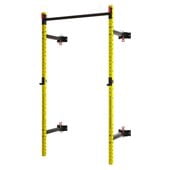
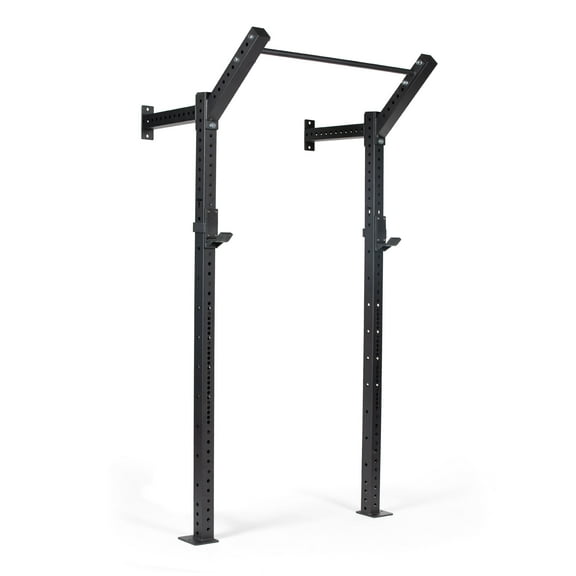
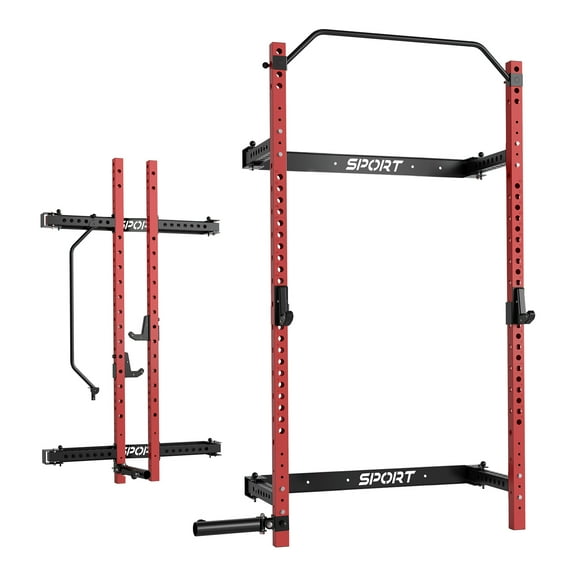
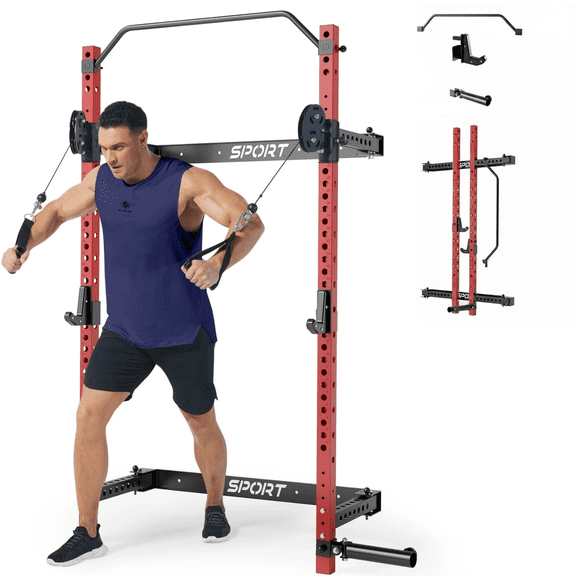
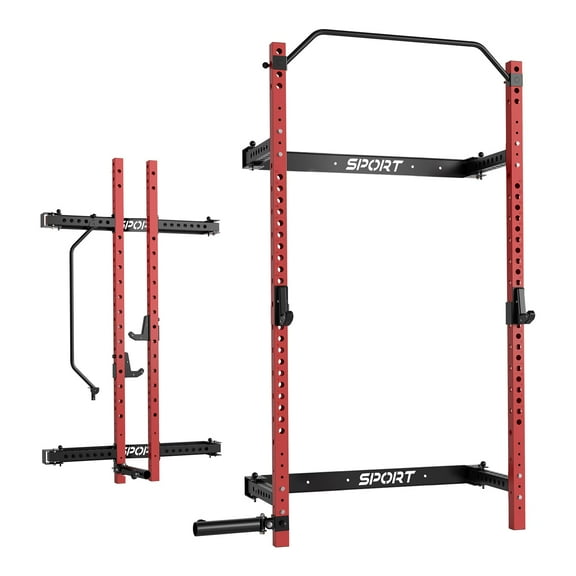
A compact or folding workout rack for home can suit tighter rooms and shared spaces. A full size frame can give you more stability, storage options, and attachment room.
You should also think about how you train now and how you may train later. Your choice can affect whether you add pull-up work, bench presses, or safety arms over time.
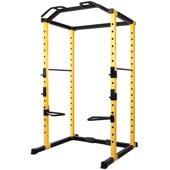
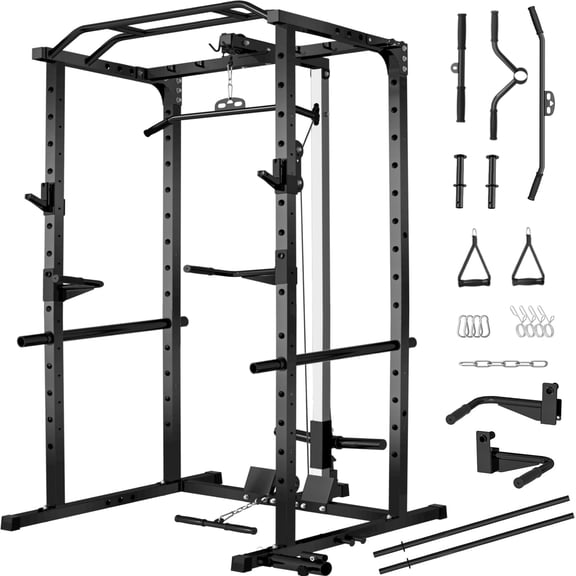
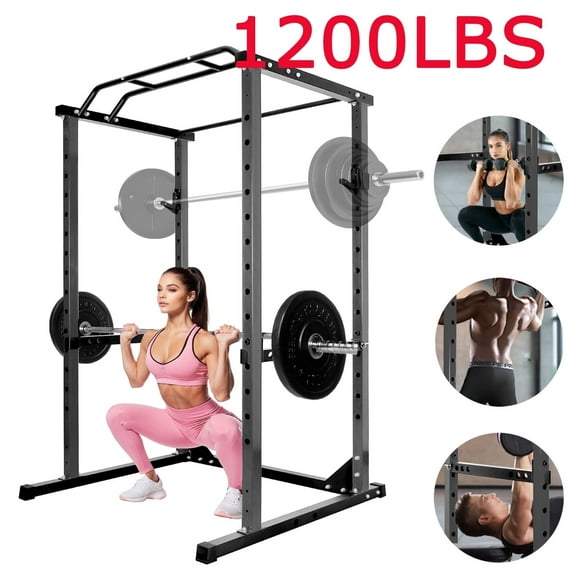
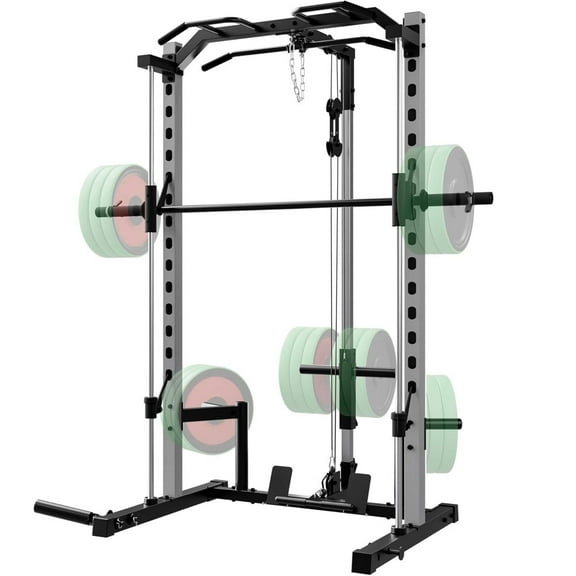
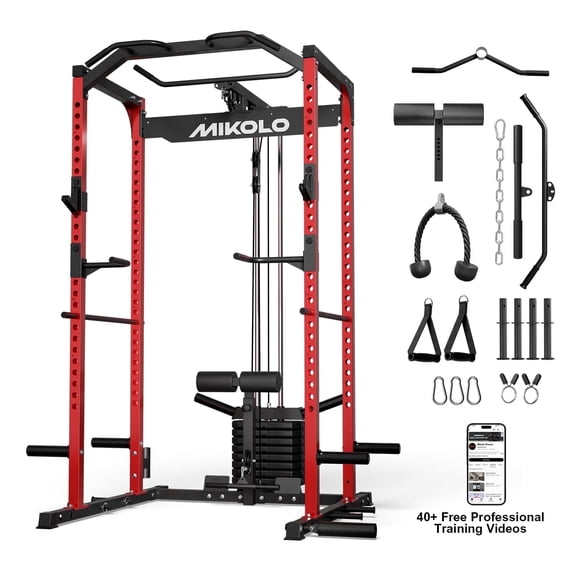
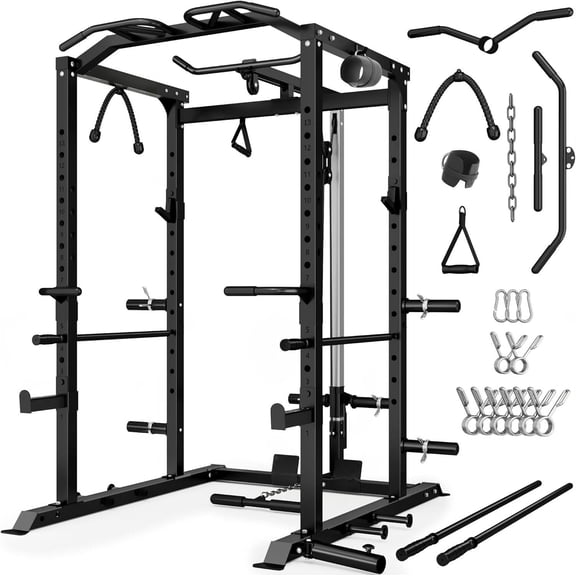
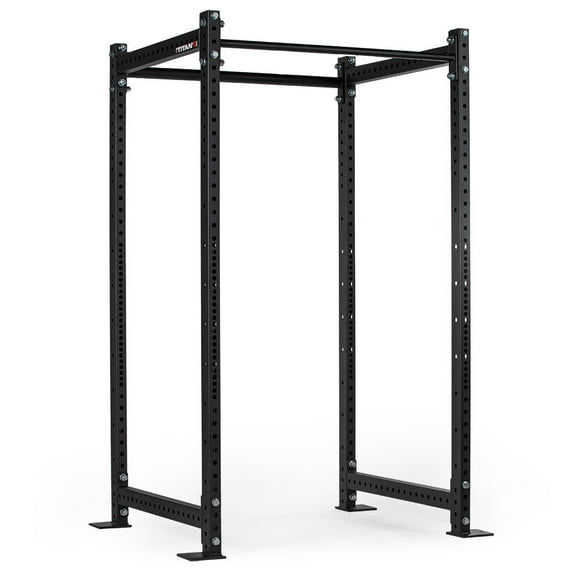
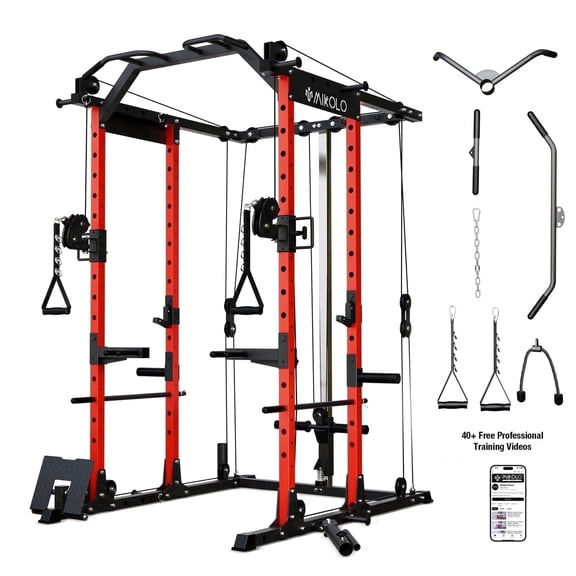
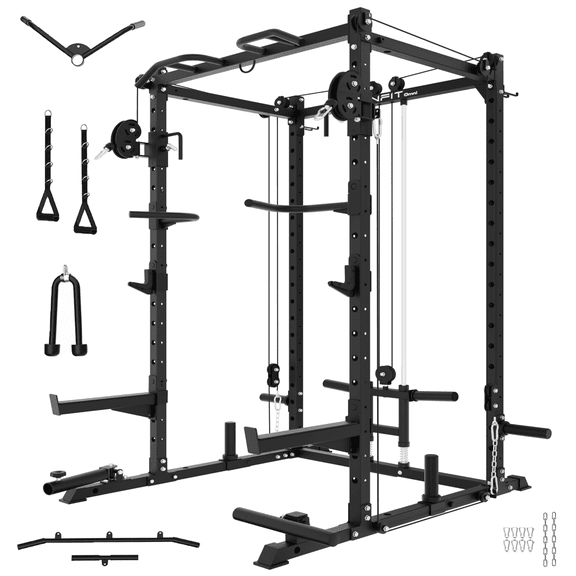
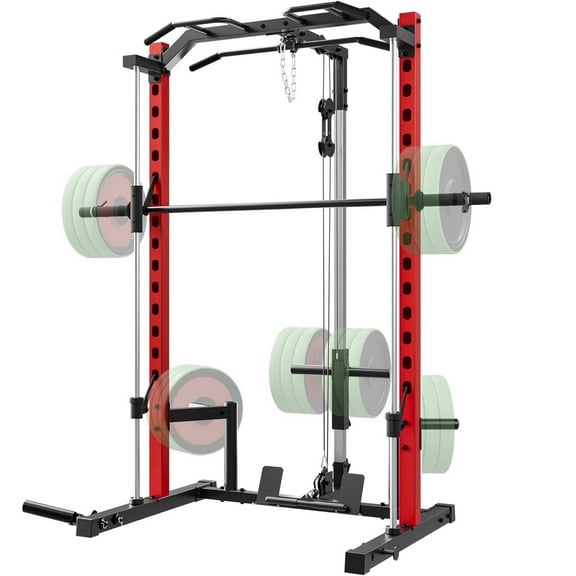
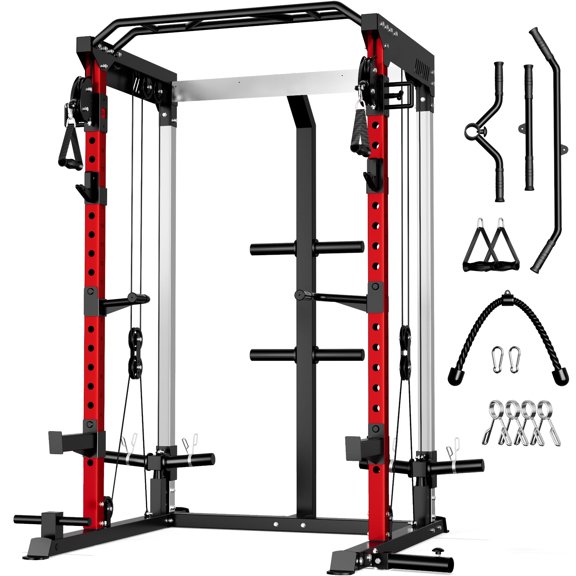
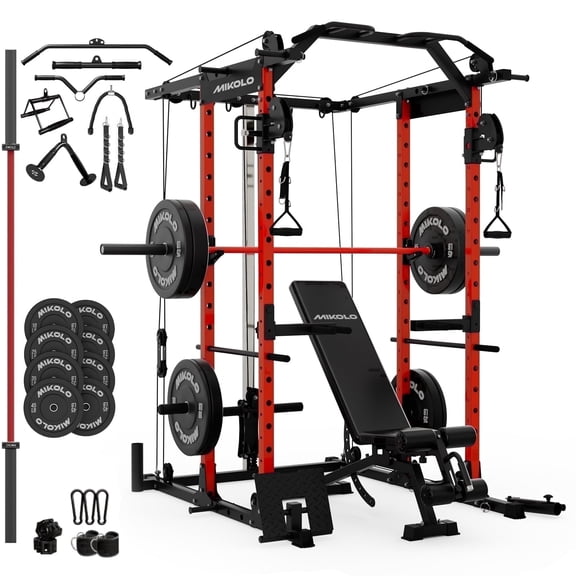
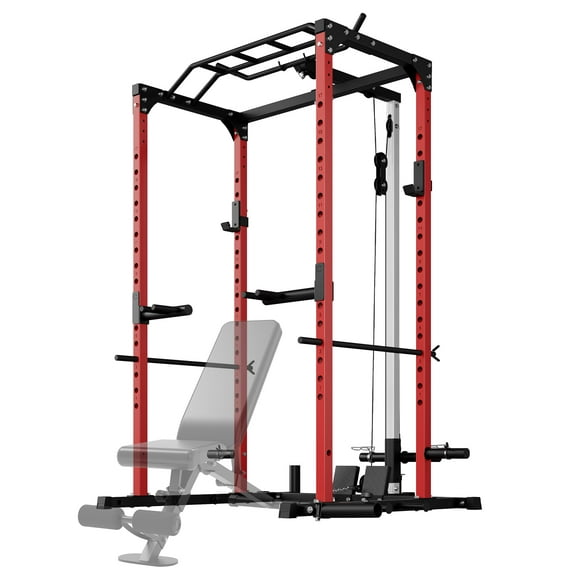
- You can use a power rack for barbell squats, bench presses, pulls, and pull-up attachments.
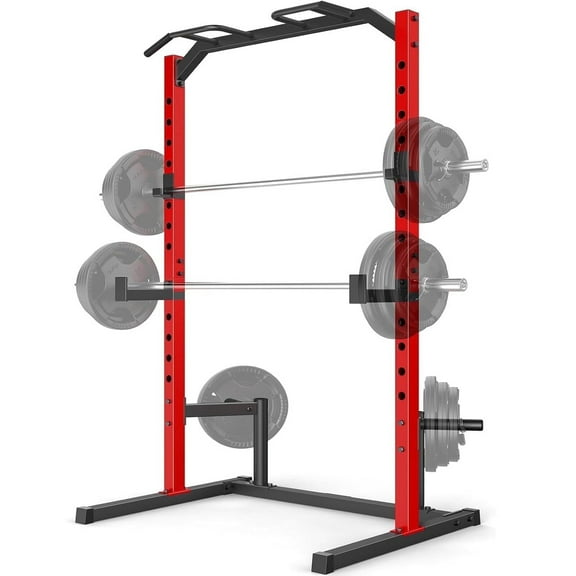
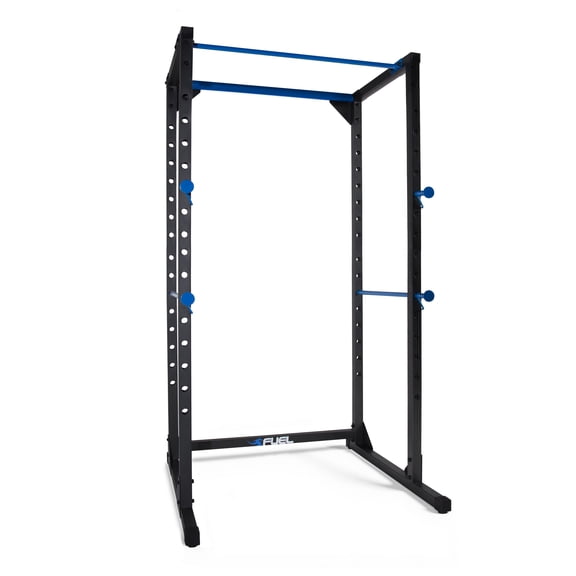
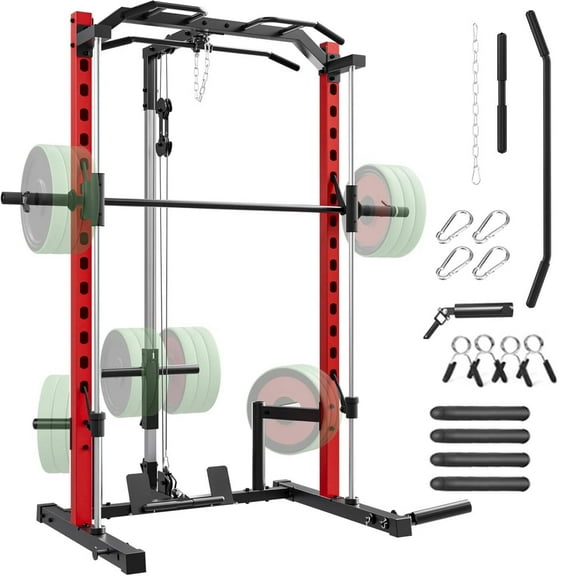
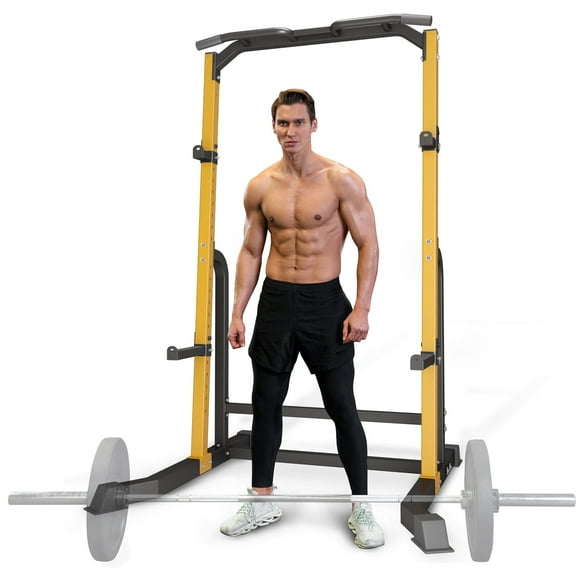
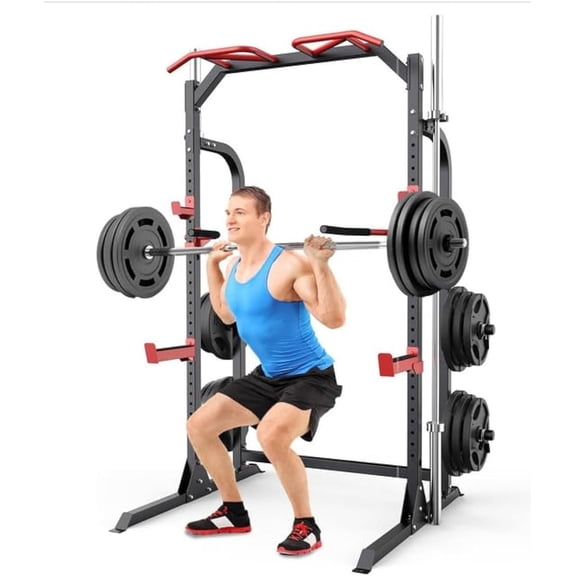
- You can choose a half rack when you want a smaller footprint with front-facing lifting access.
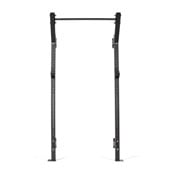
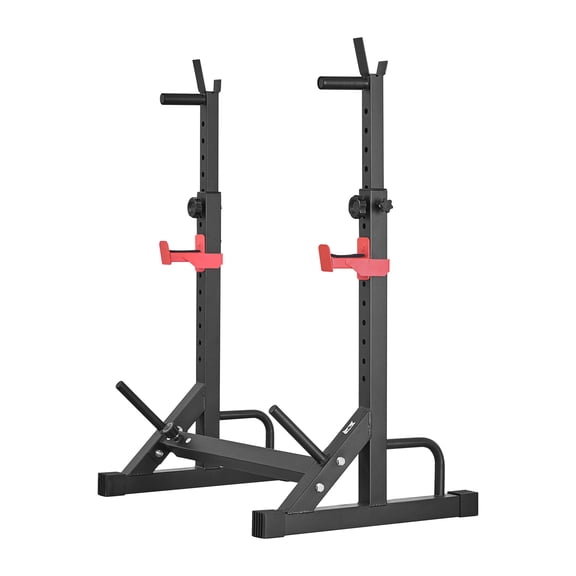
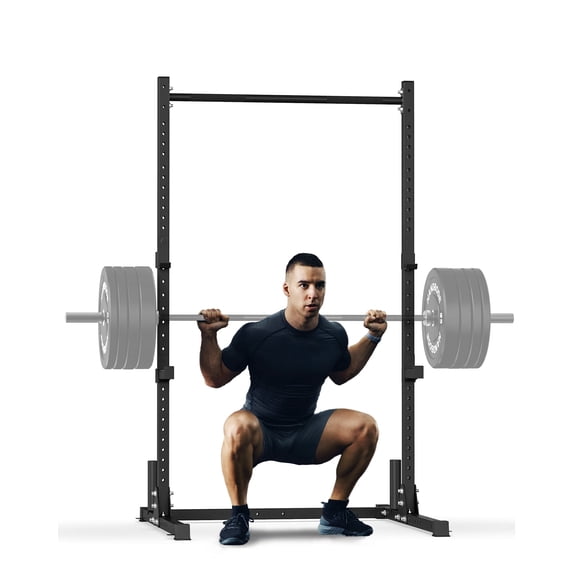
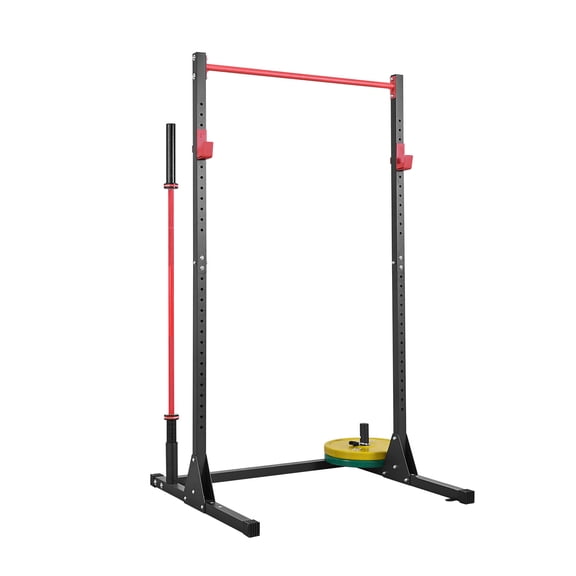
- You can pick a squat stand when you need a simple setup for basic barbell sessions.
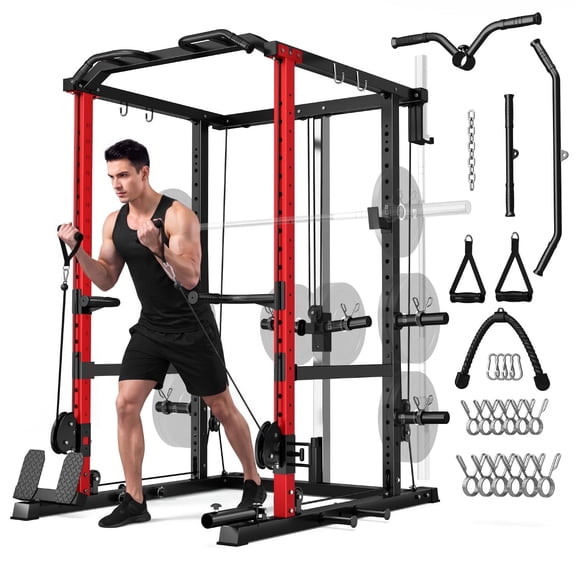
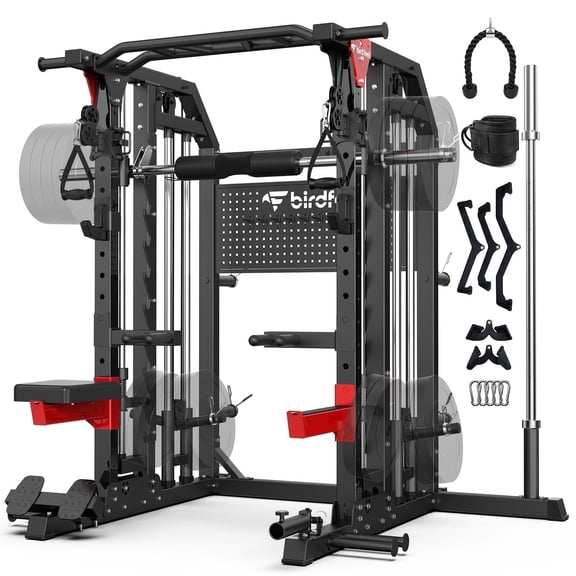
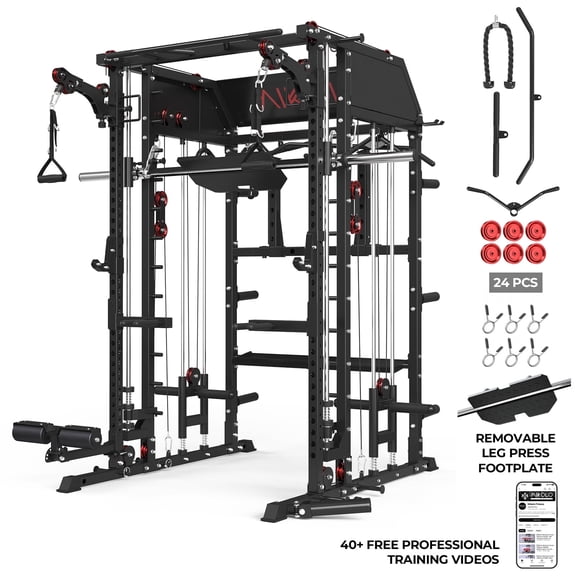
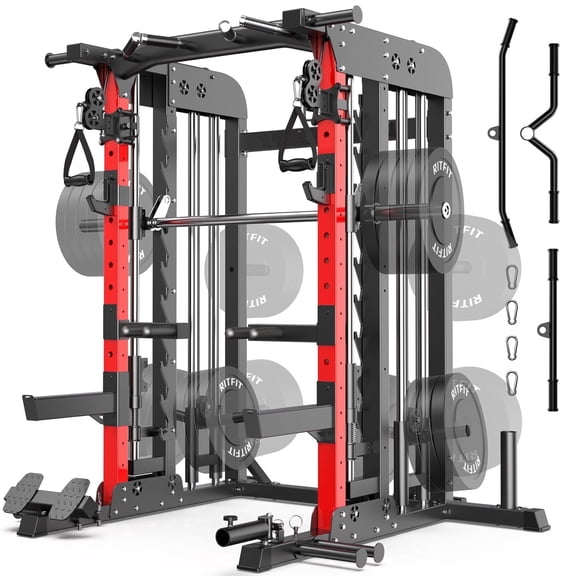
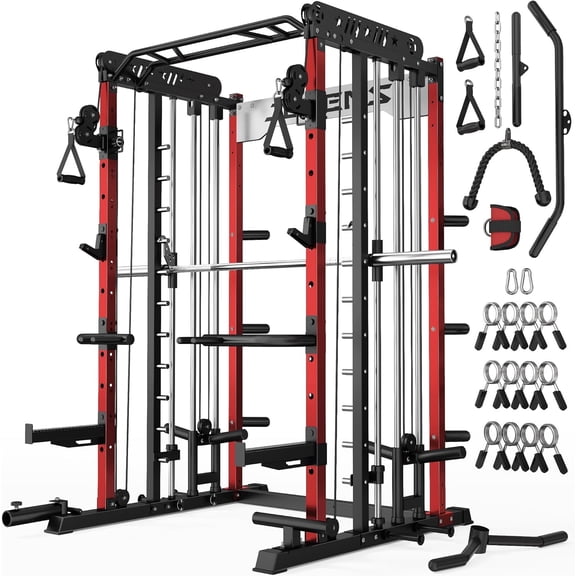
- You can consider a smith machine if you want guided bar movement with an all-in-one training station.
You can narrow your options faster when you compare the main tradeoffs by rack type. Your decision often comes down to enclosure, expansion room, and how much floor space you can give up.
Choosing rack type and weight capacity
Your rack type shapes how much support, enclosure, and accessory flexibility you get. You can usually see power rack, half rack, squat stand, and smith machine options.
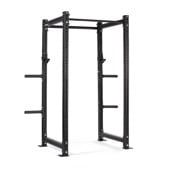
A power rack nearby option can make sense when you want four uprights and a defined lifting area. You can place safeties inside the frame and train with more setup flexibility.
A half rack can work well if you want open access in front of the uprights. You can still get storage or safety features while keeping a lighter visual footprint.
Your weight capacity should match your current lifts and leave room for progression. You may see 500 lbs, 800 lbs, or 1000 lbs+ ratings across a weights cage assortment.
If you lift lighter loads, you can often focus on footprint and attachments first. If your bar, plates, and lifts are heavier, you should check frame thickness and stated limits.
You can also compare upright size and steel gauge before you choose. A 2x2 inch frame and 14-gauge steel can suit lighter home use.
A 3x3 inch upright and 11-gauge steel can support broader attachment compatibility. You can use those specs to judge stability and future upgrade potential.
Choosing attachment compatibility and hole spacing
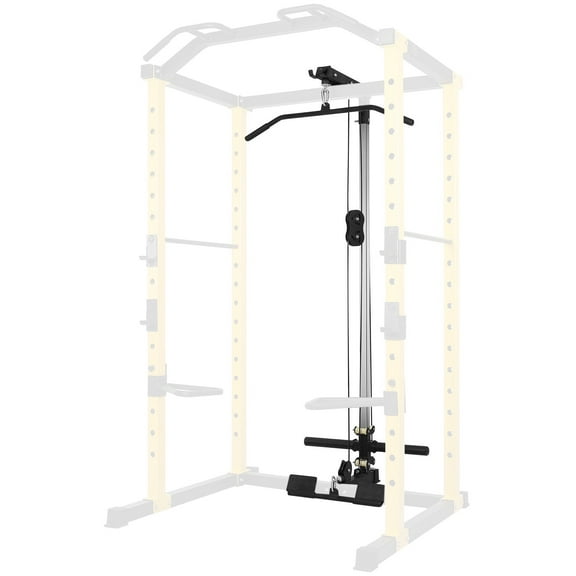
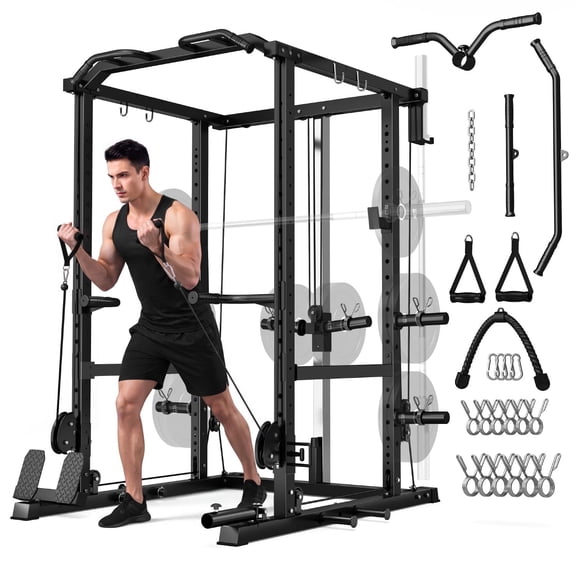
Your attachment ecosystem matters because it changes what your rack can do later. You should check whether your rack supports j-cups, pull-up bars, dip bars, and safety arms.
Hole spacing affects how precisely you can set bar height and safeties. You can notice tighter spacing gives you finer adjustments for bench work and squat setup.
When you compare a workout rack for home, you should confirm accessory fit. Your add-ons need the right hole size, upright dimensions, and rack depth.
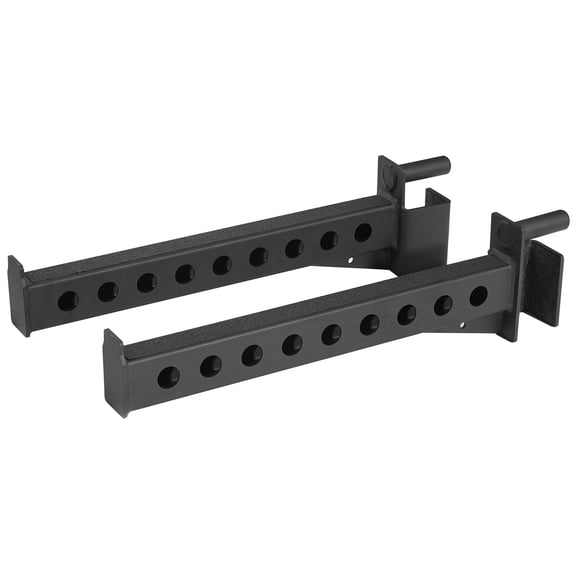
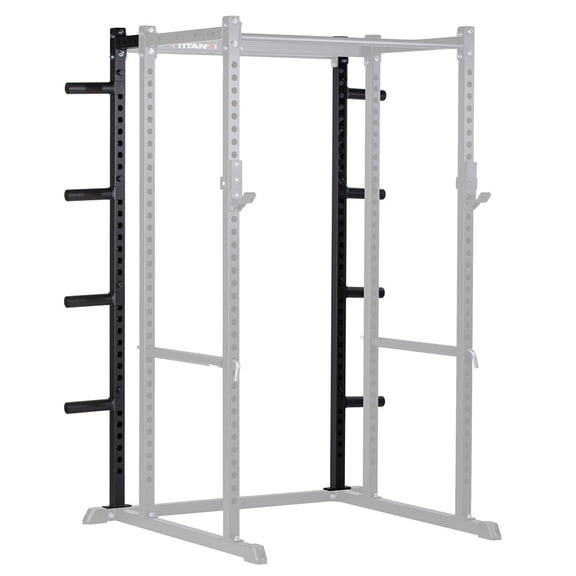
You may want plate storage, band pegs, or spotter arms as your training changes. You can avoid fit issues by checking compatibility notes before you choose accessories.
Your rack should also fit the barbell and bench work you plan to do most. If you train with incline bench moves or pull-ups, you should confirm height and crossmember placement.
Choosing footprint, delivery, and setup plans
Your room layout can decide whether a compact, folding, or full size frame works. You should measure width, depth, and clearance around the rack before you choose.
A folding setup can help if your garage needs open floor space between sessions. You can mount it against a wall and keep room for parking or storage.
A compact frame can suit apartments, smaller home gyms, or corners with lower visual bulk. You should still leave space to load plates and move your bench comfortably.
A full size rack can suit dedicated training rooms and heavier barbell routines. You can often add more storage posts, pull-up options, and attachments with this format.
Your ceiling height matters just as much as floor dimensions. You should check pull-up bar height, plate horn clearance, and overhead press room before ordering.
If you’re comparing where to get power rack with free shipping, you likely care about convenience and setup timing. You can check shipping availability and local pickup choices on Walmart.com.
Using a workout rack for home training
If you’re building a garage gym, you may want a power rack nearby with safeties and plate storage. You can pair it with barbells, weight plates, gym flooring, and a bench.
If you’re outfitting a spare room, you may prefer a compact workout rack for home. You can keep your setup efficient while still handling squats, presses, and rack pulls.
If your training centers on squats and presses, a half rack can offer quick access and simpler movement. You can keep your station open without giving up core lifting functions.
If you want guided bar movement and a multi-use frame, a smith machine can fit that goal. You can combine bar training with accessory stations in one footprint.
You may also want related gear that completes your lifting station. You can pair your rack with barbell and weight plates, weight benches, and gym flooring for a more organized setup.
When your setup matches your space, strength level, and attachment plans, you can train with fewer compromises. You can choose a squat rack nearby at Walmart that fits your room and your routine.