


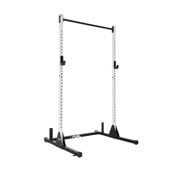
Squat Stands & Power Frames for Home Gyms | Walmart
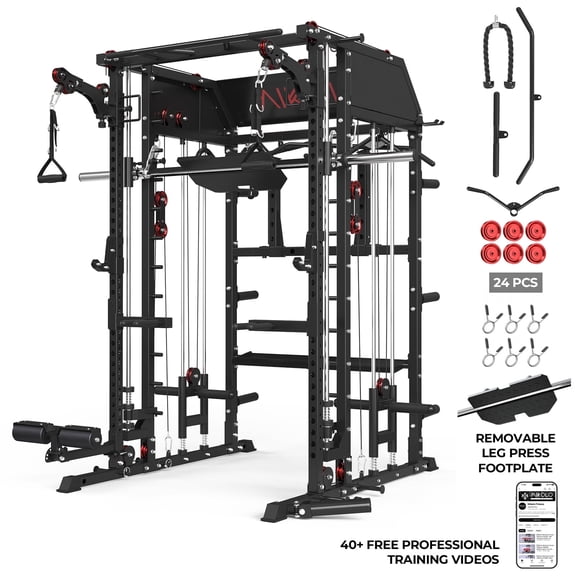
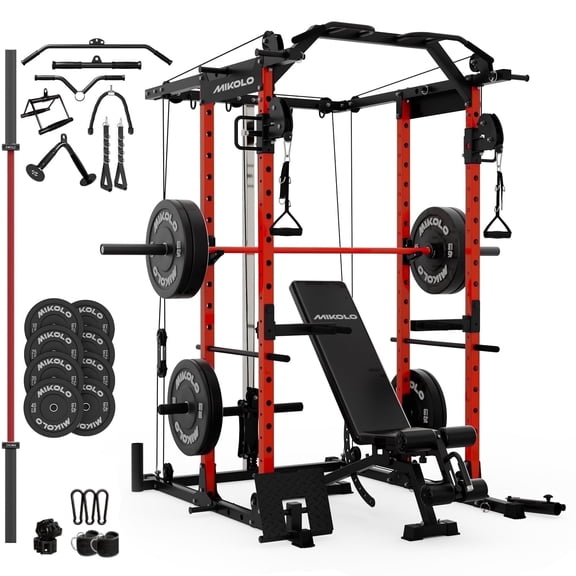
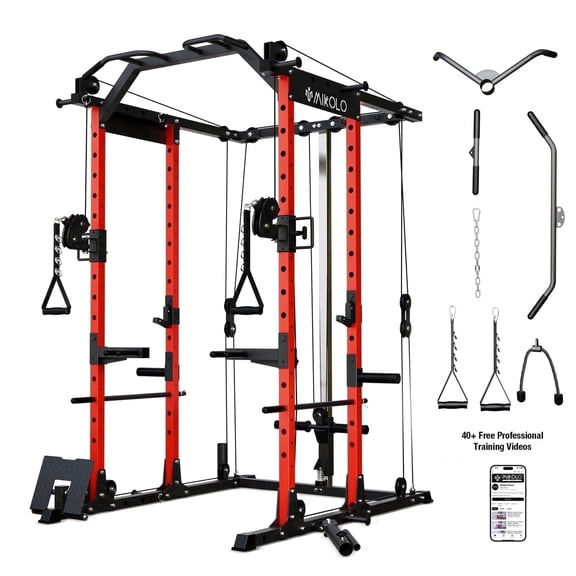








































About Squat Stands & Power Frames for Home Gyms | Walmart - Walmart.com
You can build an organized home gym with the right squat stand for your space, barbell, and training plan. You’ll also find category choices here that fit compact rooms, heavier sessions, and evolving lifting goals.
When you compare this equipment, you should focus on frame type, ceiling clearance, and support options. You can make a clear decision when your room dimensions match your training style and barbell setup.
How to choose a squat stand
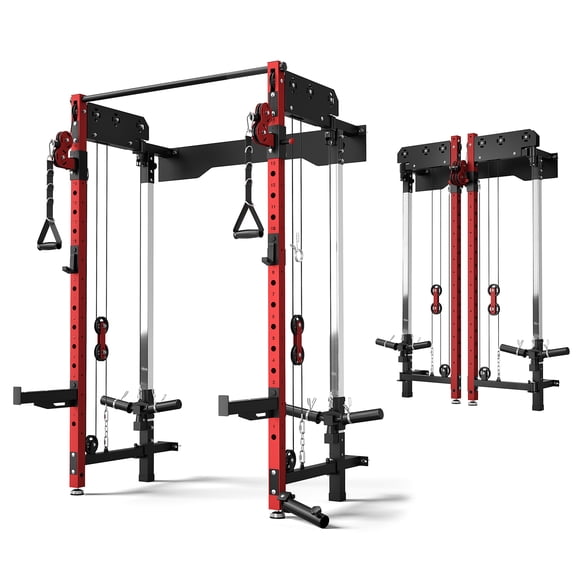
Frame type shapes how much floor space and structure you want in your setup. You’ll usually compare independent stands, a connected half rack, or a power frame.
Independent stands can suit you when you want open floor access and easier repositioning between lifts. A connected home rack can suit you when you want a more fixed station with added structure.
Before you choose, you should measure ceiling height, rack height, and walk-around clearance. You’ll want enough room to unrack the bar, load plates, and press overhead with confidence.
- You can use independent stands when you want a lighter footprint and open floor access.
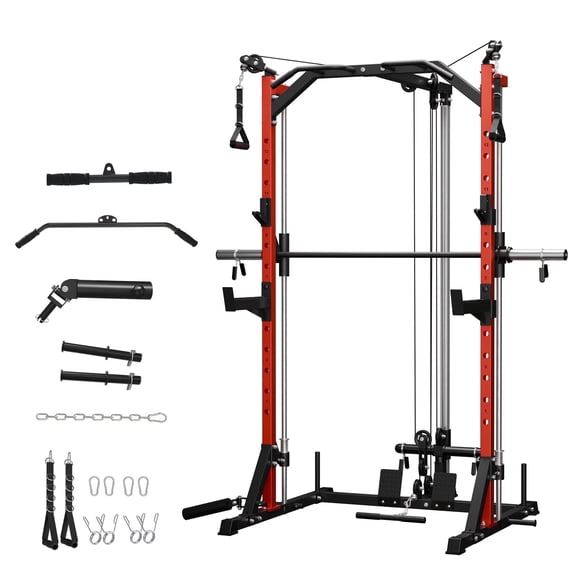
- You may prefer a connected half rack when you want spotter arms and more built-in stability.
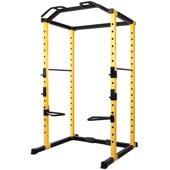
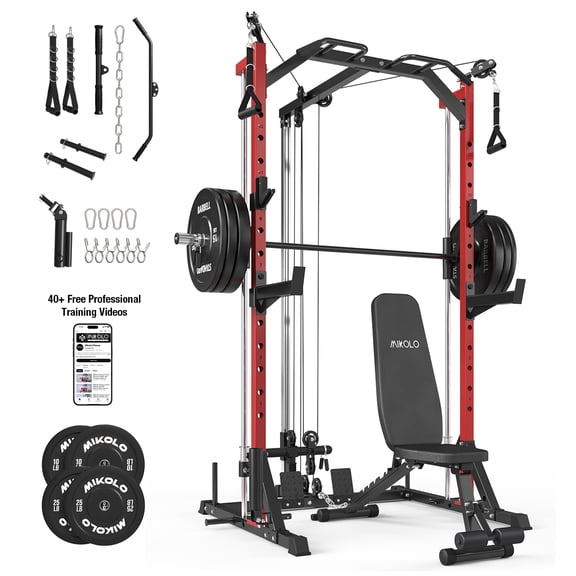
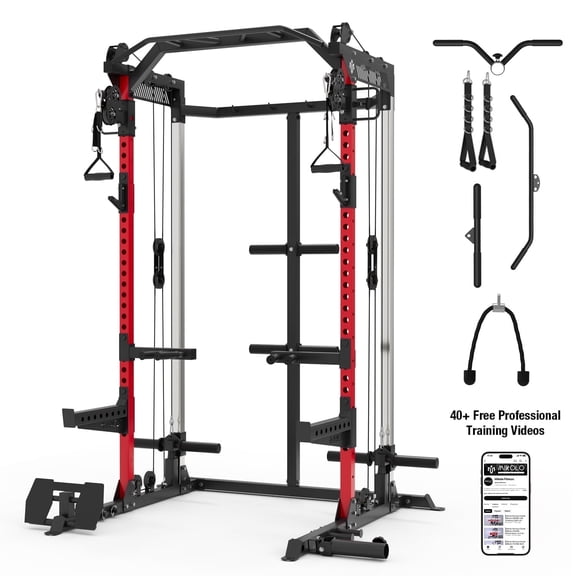
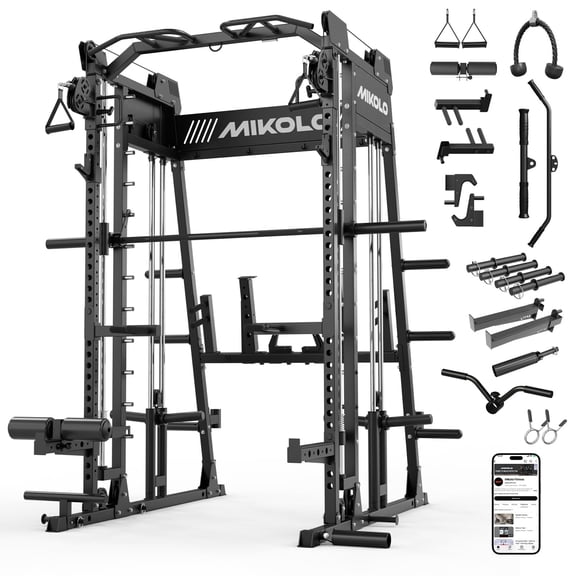
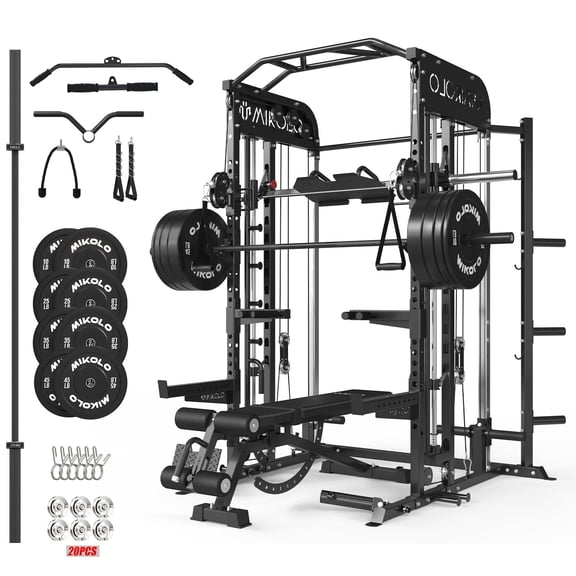
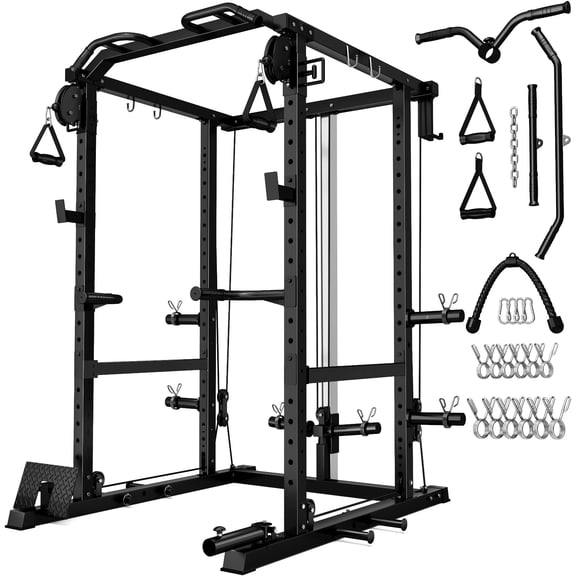
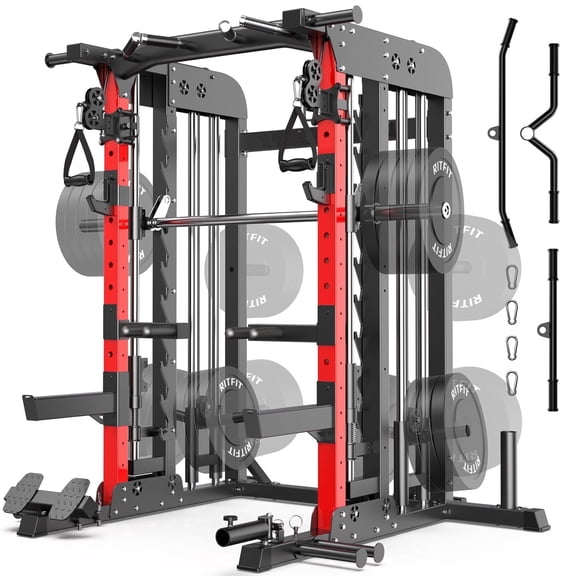
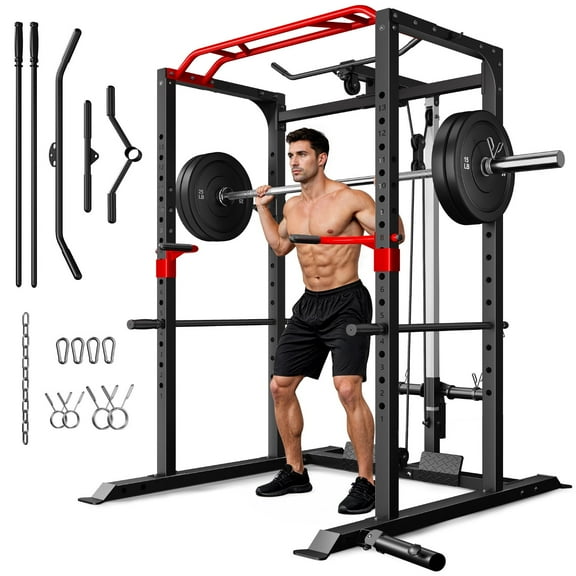
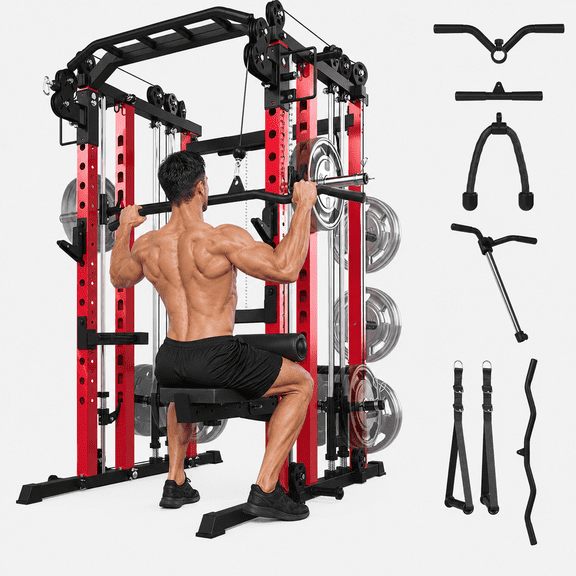
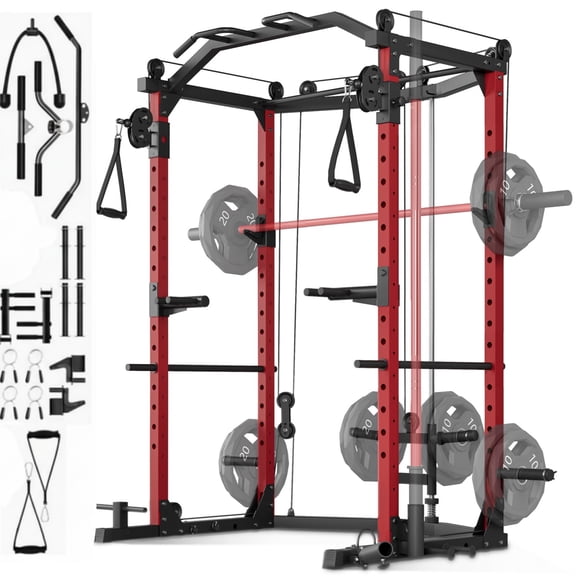
- You can choose a power frame when you want enclosed uprights and more attachment compatibility.
- You should compare height, depth, and width so your setup fits your training room cleanly.
Choosing frame type, capacity, and steel for your home rack
Weight capacity should match both your current lifts and your future plans. You’ll often see 300-pound, 500-pound, or 800-pound-plus ratings that help you compare intended use.
If you’re starting with lighter barbell sessions, you may find a lower rating fits your routine. If your home gym includes heavier power lifting equipment, you may want extra capacity headroom.
Steel gauge also matters because it helps you compare frame rigidity and overall feel. You’ll commonly see 11-gauge, 12-gauge, and 14-gauge tubing across squat stand options.
If you want a more stable feel during repeated heavy sets, you may favor 11-gauge construction. If you want a lighter-duty setup, you may accept 12-gauge or 14-gauge tubing.
Adjustment range is another detail you should read closely before deciding. You’ll notice Westside spacing, 1-inch holes, and 2-inch holes across many home rack designs.
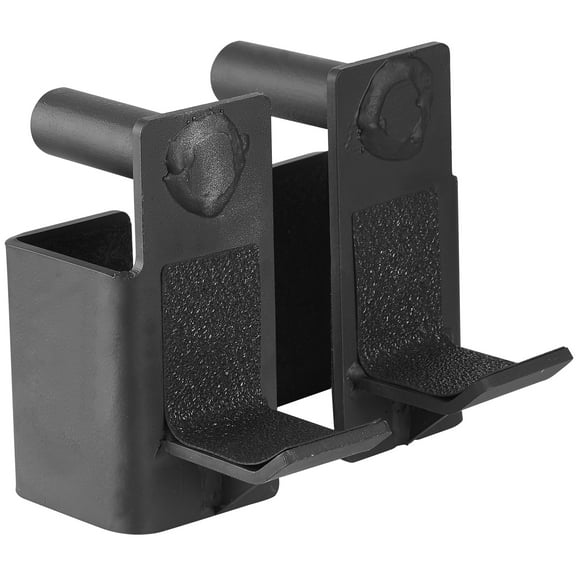
Tighter spacing can help you dial in J-hook or safety placement around bench height. Wider spacing can still work well when you want a simpler setup for main barbell lifts.
What to look for in a power frame
Spotter arm length matters because it changes how much landing room you have during hard sets. You should also compare base design, rear supports, and expansion points for added stability.
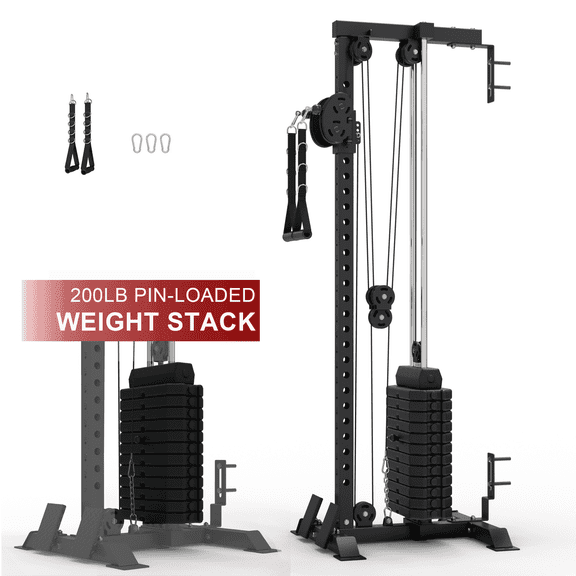
If you train alone, you may prioritize spotter arms, safety pins, or enclosed sides. If you plan to grow your setup later, you should check whether the frame supports attachments and storage posts.
Barbell compatibility deserves a close look before you commit to any frame. You’ll usually want fit for standard 2-inch Olympic bars, especially when your plates already use that format.
If you still use a 1-inch standard bar, you should confirm holder size and overall spacing. This can help you avoid setup headaches when your bar, plates, and rack dimensions align.
Bench-friendly depth and pull-up options can also shape how you use your station. You can get more usable training variety when your frame supports squats, presses, rack pulls, and bench work.
Matching your squat stand to real training spaces
A spare room setup may lead you toward independent stands with a smaller footprint. You can keep more open floor space for lunges, deadlifts, and storage between sessions.
A garage gym may work well with a connected half rack and spotter arms. You can create a dedicated lifting zone that supports squats, bench sessions, and bar storage in one area.
Regular progression with heavier loads may point you toward a power frame. You may appreciate that design when your routine includes rack pulls, pin presses, and repeated bar work.
Shared training spaces call for easier adjustments across different user heights and lift styles. You should compare upright markings and hole spacing when fast changes matter in your routine.
You may also search for squad stand or squad stands while comparing similar results online. You should still focus on frame type, steel gauge, capacity, and barbell fit when narrowing your choice.
With the right measurements and specifications, you can find a squat stand that fits your room and routine. You’ll get an organized setup that supports steady lifts and consistent home training.