

Surfboards & Foam Surfboards | Walmart


















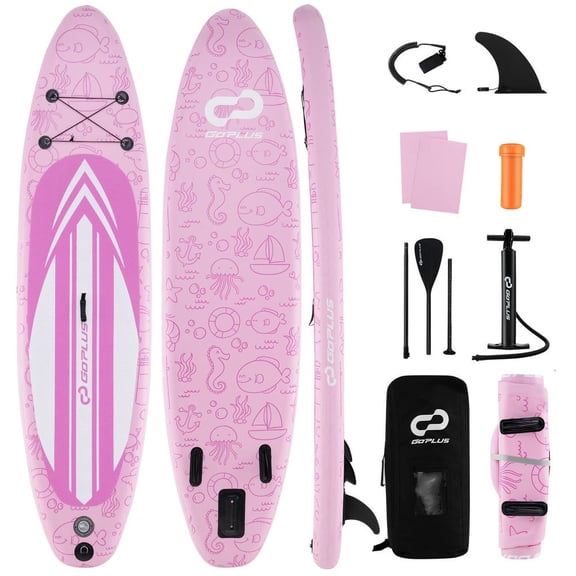
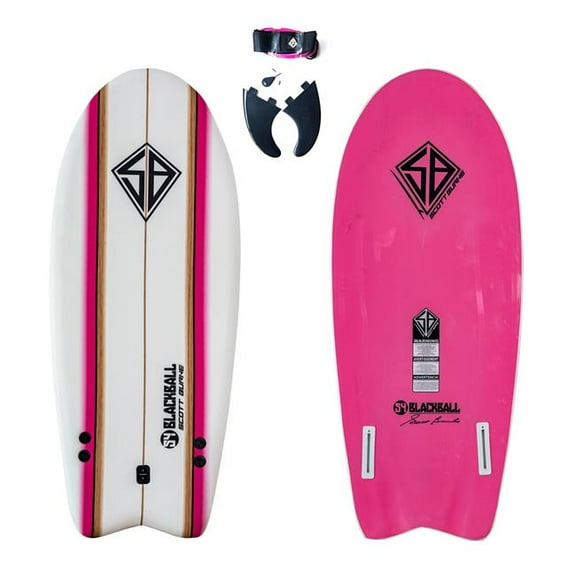


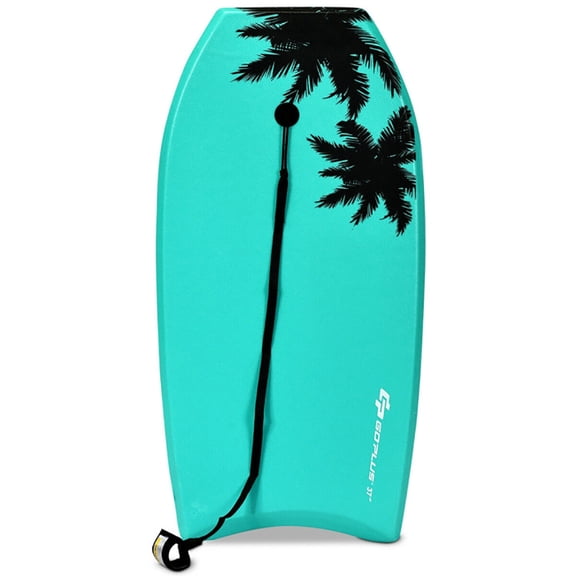


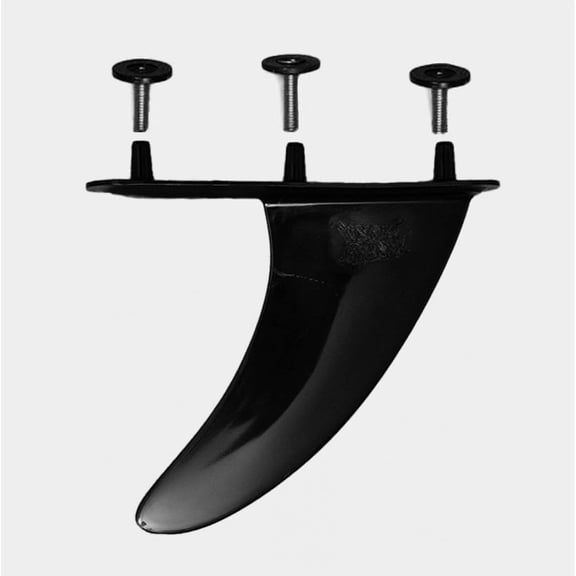

![M Buder Surfboard Accessory PVC Surfing Side Small Water Fin for Paddle Board Stability, High Quality Soft Material for Enhanced Directional Control, 8.27 inches / 21 cm, Black[cite: 1]](https://i5.walmartimages.com/seo/M-Buder-Surfboard-Accessory-PVC-Surfing-Side-Small-Water-Fin-Paddle-Board-Stability-High-Quality-Soft-Material-Enhanced-Directional-Control-8-27-inch_b75857a3-e200-46b7-ae9a-64f683c74b58.8cb62eba56adf425a65ad1c54f23c5b8.jpeg?odnHeight=576&odnWidth=576&odnBg=FFFFFF)


About Surfboards & Foam Surfboards | Walmart - Walmart.com
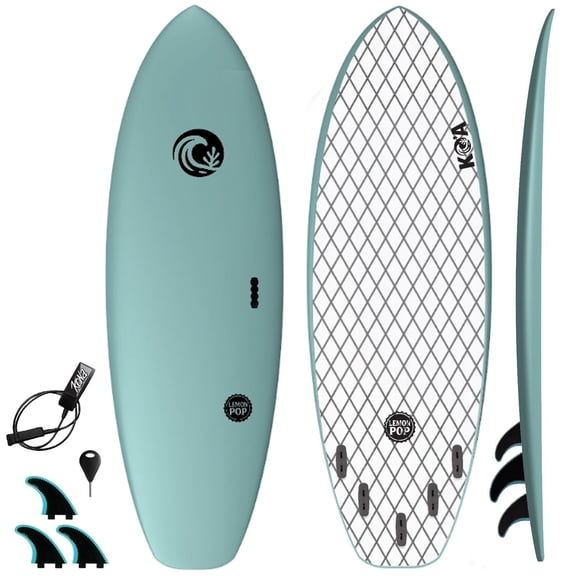
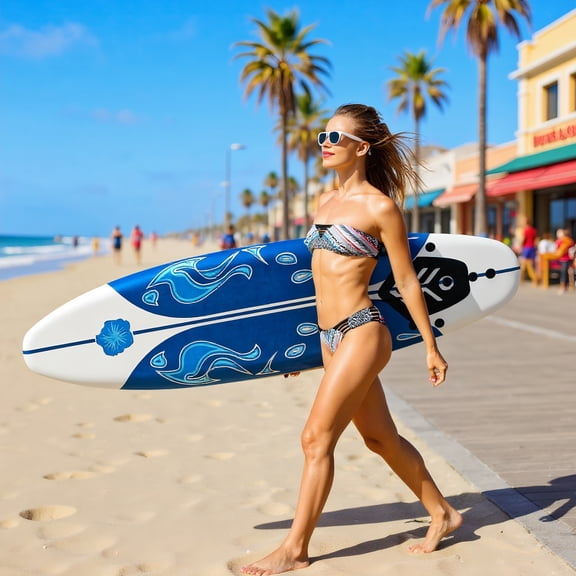
Surfboards help you match wave conditions, rider size, and skill level with more confidence. You can compare shapes, lengths, and materials here, so your next session feels more stable and easier to control.
If you're choosing your first board, you'll usually want more length, more volume, and a softer deck. If you're refining your setup, you'll likely compare turning response, paddling speed, and fin feel.
How to choose surfboards by board type
Board type shapes how you paddle, pop up, and turn across different breaks. You should compare shortboard surfboards, longboard surfboards, funboard surfboards, and fish surfboards based on how you ride.
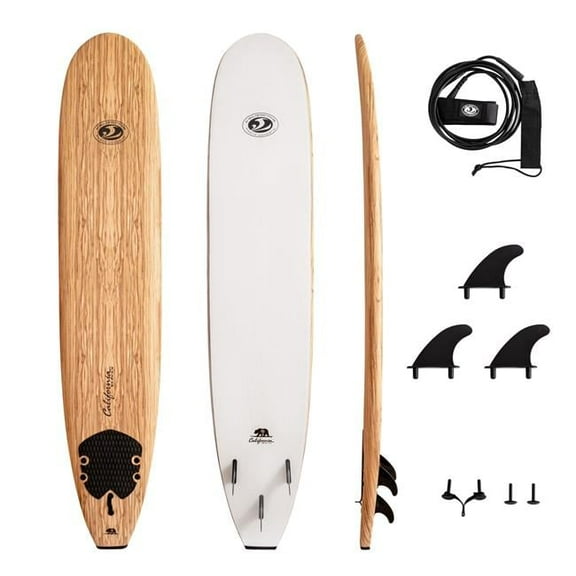
With shortboard surfboards, you get quicker turns and a looser feel on steeper waves. With longboard surfboards, you get more glide, easier wave entry, and a steadier platform under your feet.
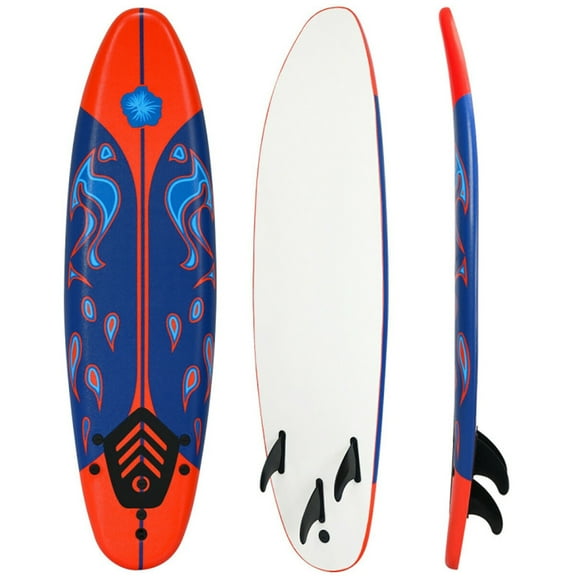
If you want a middle ground, you should consider funboard surfboards in the 6ft to 8ft range. If you want speed in smaller surf, you may prefer fish surfboards with wider outlines and twin or quad fins.
- You can choose longboards when you want smoother paddling and earlier takeoffs.
- You can choose shortboards when you want tighter turns and a more responsive ride.
- You can choose funboards when you want easier handling without the full length of a longboard.
- You can choose fish shapes when you want speed and flow in weaker waves.
Choosing foam surfboards and soft top surfboards
Construction changes how your board feels, wears, and handles everyday use. You should compare foam surfboards, soft top surfboards, epoxy builds, and fiberglass or polyester boards before you decide.
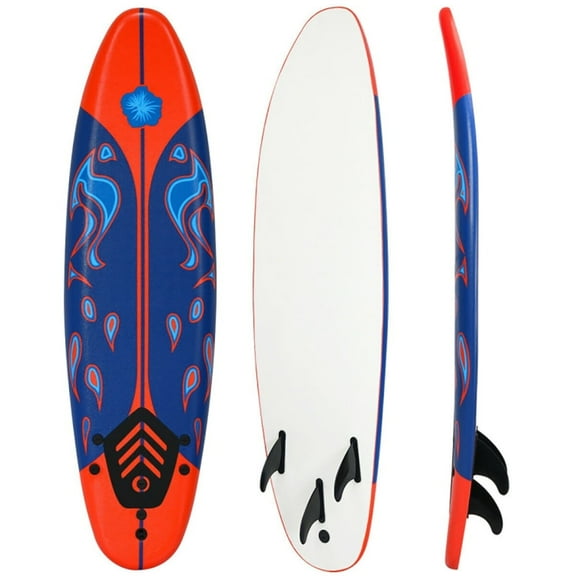
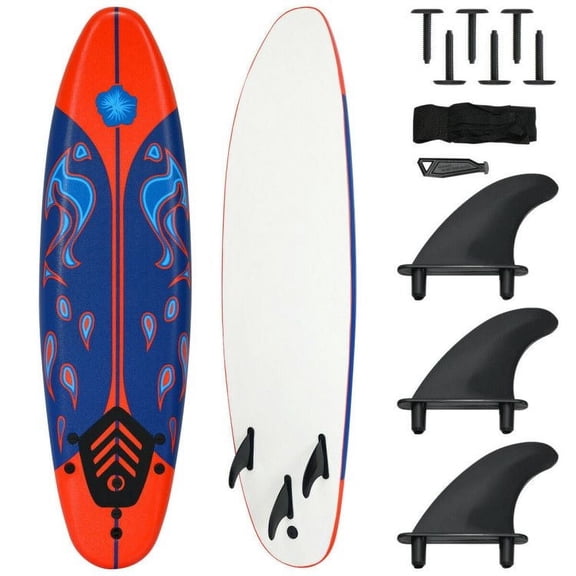
With foam surfboards and soft top surfboards, you usually get a more forgiving feel and extra deck comfort. If you're learning foot placement, you'll appreciate that softer surface during repeated practice.
Epoxy boards often feel lighter in your hands and hold up well to frequent transport. Fiberglass or polyester boards often deliver a classic ride feel, which experienced riders may prefer in cleaner conditions.
You should also check how each construction handles dings, parking lot loading, and beach days. If you carry your board often, you'll notice that weight and surface feel matter every trip.
What to look for in length and volume
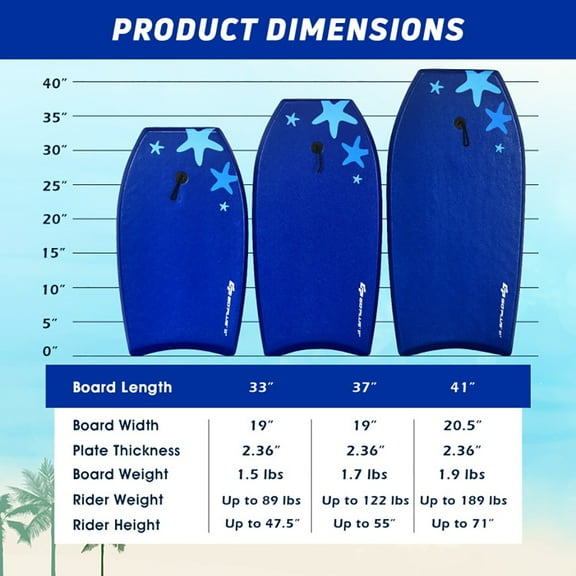
Length and volume in liters are key choices when you compare surfboards for beginners or progressing riders. You should measure these numbers against your size, balance, and wave goals.
Higher volume usually means more float, easier paddling, and steadier takeoffs for your sessions. Lower volume usually means sharper response, but you'll need stronger technique to keep speed and control.
If you're shopping under 6ft boards, you'll usually be looking for quick direction changes and a compact feel. If you're shopping 8ft and over boards, you'll usually be looking for glide, trim, and easier paddling.
You should compare board length with your rider weight, not just your height alone. When you match liters and length more carefully, you'll avoid boards that feel too sinky or too bulky.
Understanding fin setups before you decide
Fin setup affects how your board tracks, pivots, and releases through turns. You should compare thruster, single fin, quad, and twin fin layouts with the waves you ride most.
A thruster, or three-fin setup, gives you a balanced feel that many riders find easy to predict. If you want one board for varied conditions, you'll often start your comparison there.
A single fin gives you a smoother line and a drawn-out turning style on many longer boards. A quad setup can help you carry speed, while a twin fin can feel lively and loose.
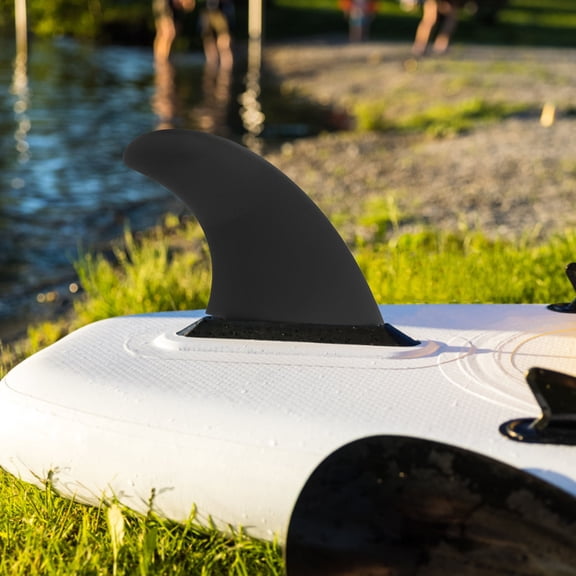
You should also check whether your board includes fins or uses removable fin boxes. If you like to tune your ride, you'll appreciate switching setups for different days and breaks.
Matching surfboards to your skill level and sessions
Your skill level should guide your shape, material, and fin choices from the start. If you're new to surfing, you'll usually want surfboards for beginners with more width, length, and volume.
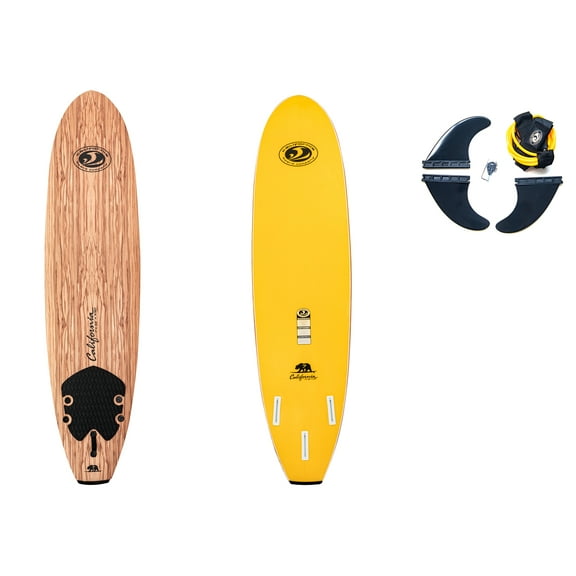
For beginner sessions, you may prefer foam surfboards in the 6ft to 8ft range or longer. You'll get easier paddling, steadier pop-ups, and more time to build confidence between waves.
If you're intermediate, you might compare a funboard against a fish for small to medium surf. You'll balance easier wave catching with a shape that still lets you practice faster turns.
If you're advanced, you may narrow your search to shorter lengths, lower volume, and specific fin setups. You'll be able to fine-tune rail feel, release, and response for the breaks you ride.
You should also think about transport and storage before you choose your board length. If your space is tight, you'll want dimensions that fit your vehicle, rack, and home setup more easily.
Why the right surfboards setup matters
When you compare board type, material, length, volume, and fins together, you make a smarter surfboards choice. You'll end up with a board that fits your sessions, feels more natural, and keeps you focused on the ride.