

Surfing in Water Sports
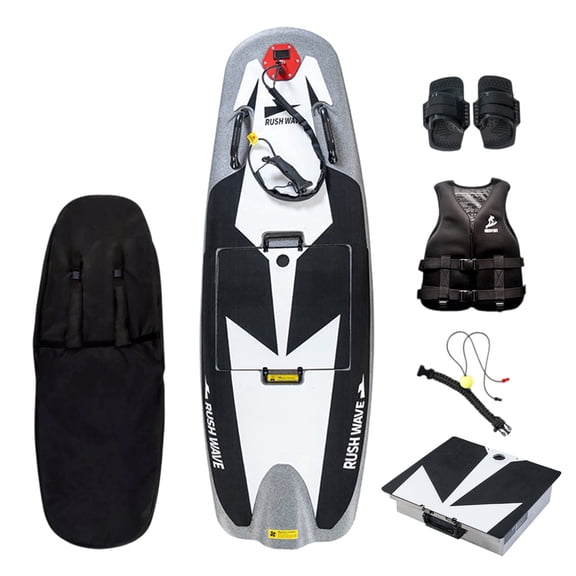


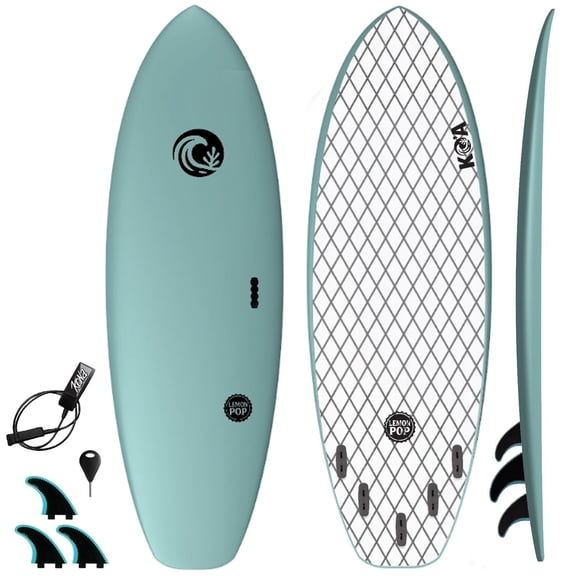


















































About Surfing in Water Sports - Walmart.com
You'll find surfing gear that matches your skill level, wave conditions, and board setup. You can compare surfboards, wetsuits, and surfing accessories with guidance that fits real beach days.
If you're building a first setup or replacing worn essentials, you need clear decision points. You can use board type, board length, fin setup, and leash compatibility to narrow choices fast.
How to choose surfing gear
When you compare surfing equipment, start with the board you can control in the water. You should match your board to your experience, your size, and the waves you expect.
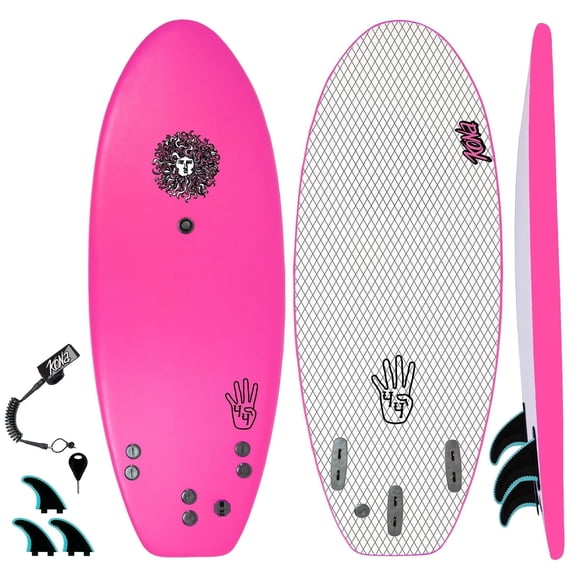
For beginners, you may prefer soft top surfboards because you get a steadier platform. If you're progressing, you may want epoxy or fiberglass boards that feel quicker under your feet.
- You can use a longer board for easier paddling and steadier pop-ups.
- You can use the right fin setup to balance stability and turning response.
- You can match your surfing leash length to your board length for cleaner compatibility.
- You can round out your setup with traction pads, surf wax, and wetsuits for changing conditions.
Another key benefit is consistency across sessions, especially when conditions shift through the season. You can build summer surfing gear around warm-water needs, then add coverage pieces as water temperatures change.
Choosing the right surfboards by type and length
You should begin with board type because each shape changes how your ride feels. You can compare shortboard, longboard, fish, funboard, and soft top designs by control and glide.
If you want quick turns in steeper waves, you may look at a shortboard. If you want smoother paddling and easier trimming, you may choose a longboard.
A fish shape can help you carry speed in smaller surf and softer wave faces. A funboard gives you a middle ground when you want progression without a demanding shape.
Board length matters just as much as shape, so you should measure carefully before you choose. You can compare boards under 6 feet, 6 to 8 feet, 8 to 10 feet, and 10 feet plus.
If you're learning, you may feel more comfortable on longer boards with added volume in liters. You can often get easier paddling and steadier takeoffs from extra length and volume.
If you're smaller or want tighter turns, you may look for less length and lower volume. You should check liters and feet together because both numbers affect flotation and control.
Understanding surfboard fins and construction
You can use surfboard fins to tune how your board tracks, releases, and turns. You should think about stability first, then choose the setup that matches your wave conditions.
A single fin can give you a smooth, classic feel with drawn-out turns. A thruster, or 3 fins, can help you balance hold, control, and everyday maneuverability.
A quad, or 4 fins, can help you carry speed down the line in quicker sections. A 2+1 setup can give you a blend of straight-line stability and more responsive turning.
Construction also shapes how your board feels during practice and regular use. You can compare epoxy, fiberglass or poly, and foam or soft top builds by durability and ride feel.
If you're starting out, you may prefer foam or soft top boards for learning sessions. If you want a more rigid feel, you may look at epoxy or fiberglass or poly construction.
You should also compare deck traction before you head out. You can add traction pads and surf wax to help your footing feel more secure during pop-ups and turns.
Picking surfing accessories for real sessions
You can complete your setup with surfing accessories that match your board and your conditions. You should start with a surfing leash because compatibility matters every time you paddle out.
A useful rule is simple and practical when you compare leash sizes. You should match your surfboard leash length to your board length for a cleaner fit.
If you're riding a longboard, you may need a longer leash than a shortboard setup. If you're packing a beginner board, you should also check whether the leash suits the board's intended size range.
You'll also want to compare surfboard fins when you replace damaged pieces or test a new feel. You can keep a spare fin set ready if you switch between smaller surf and punchier waves.
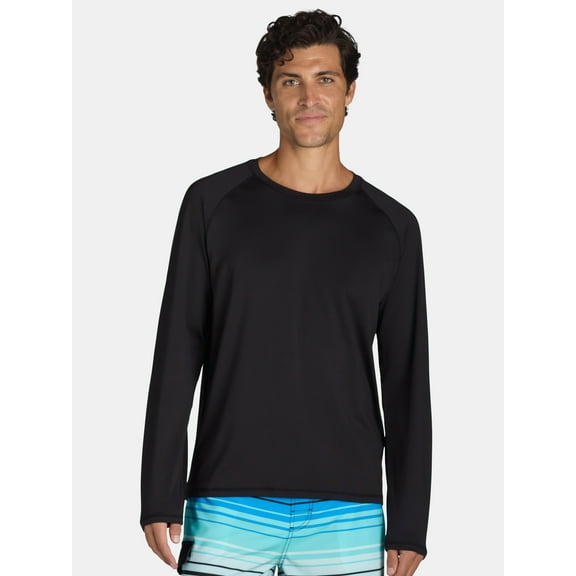
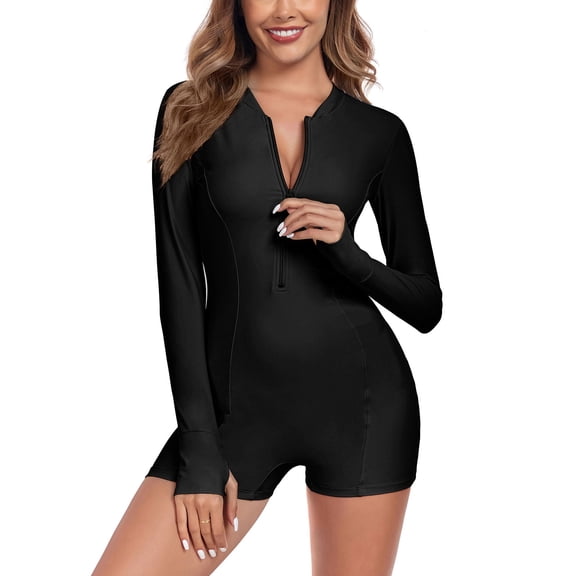
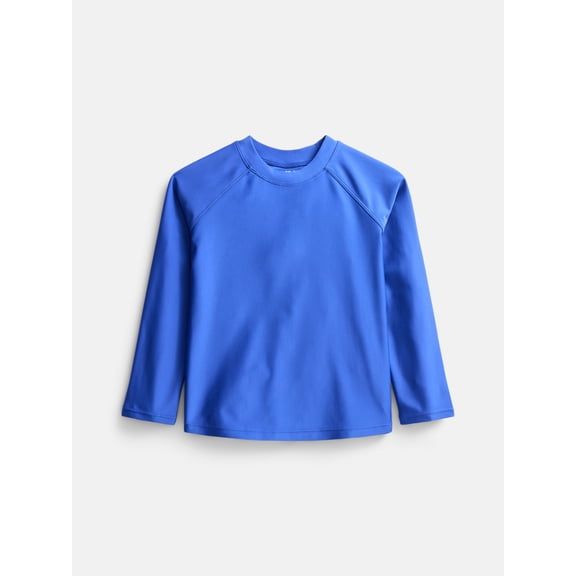
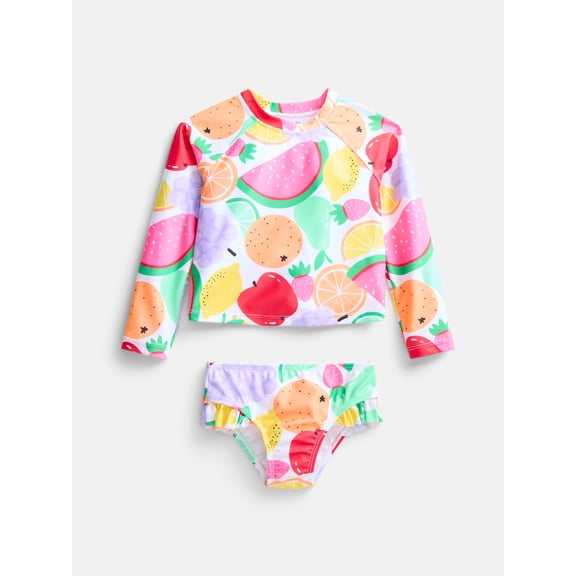
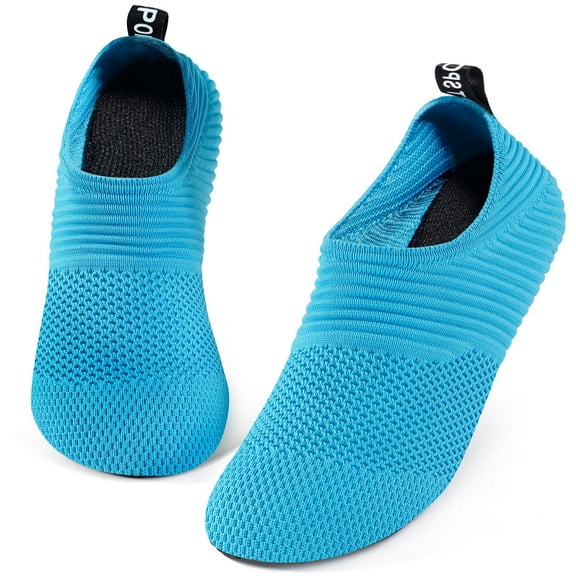
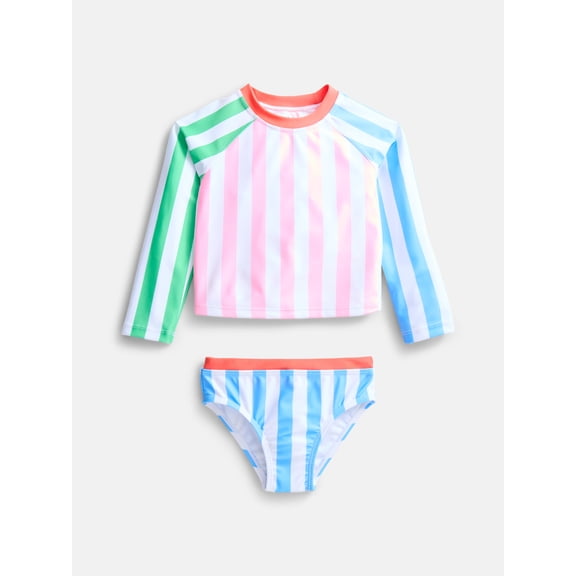
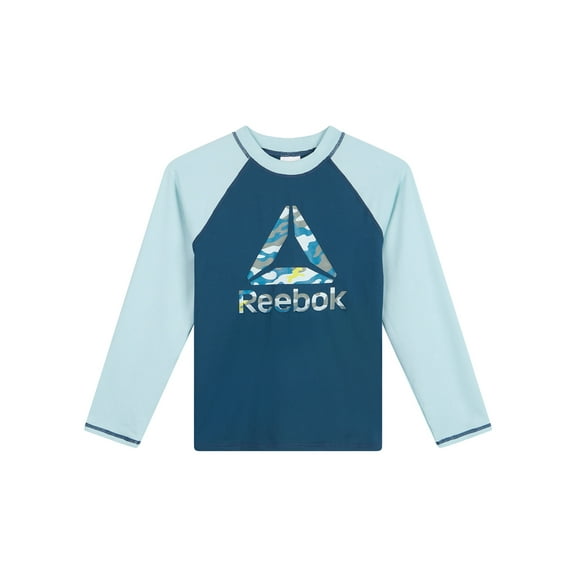
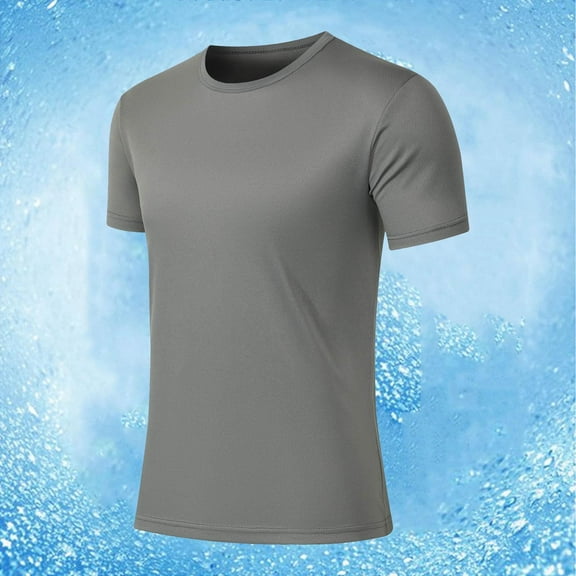
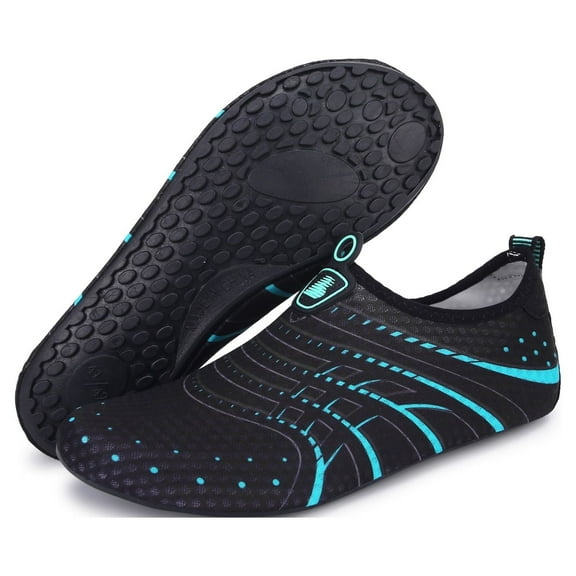
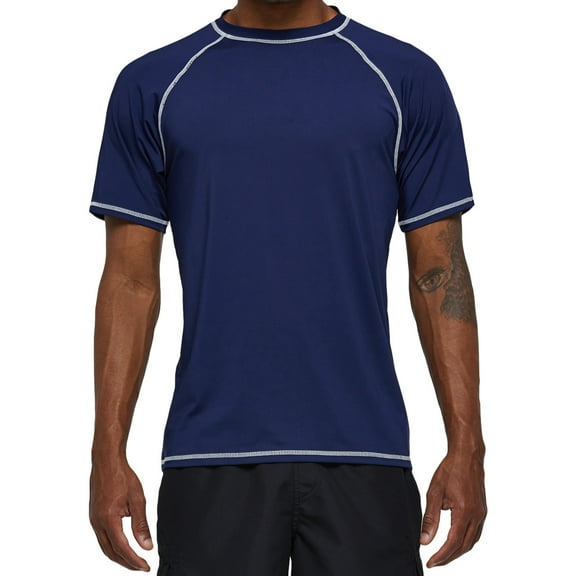
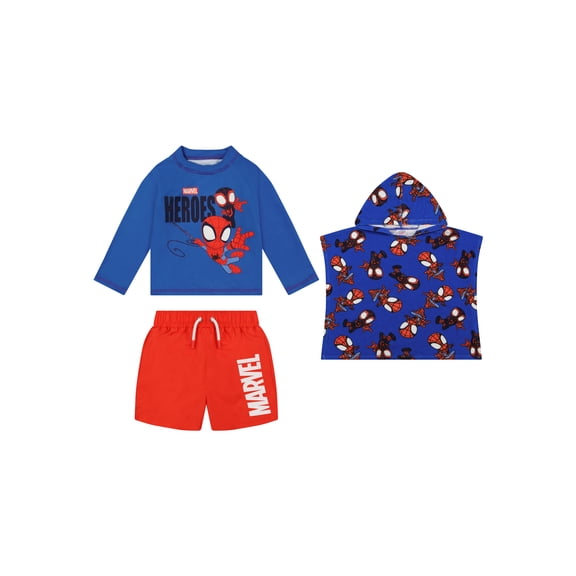
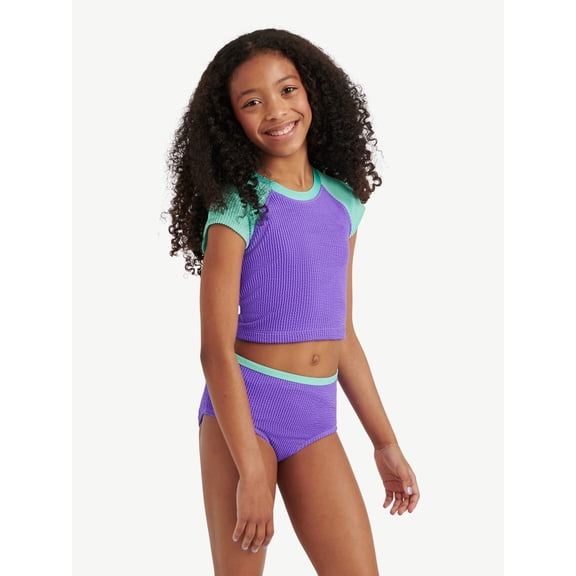
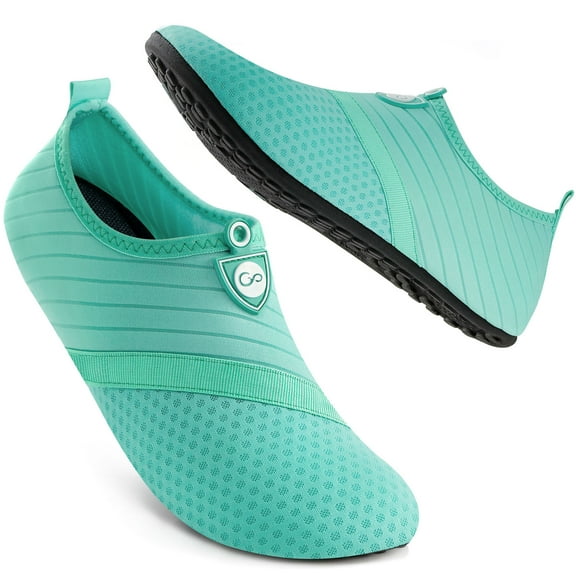
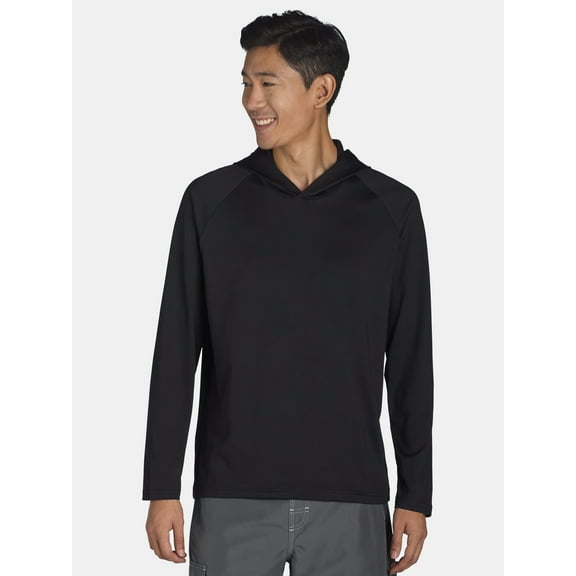
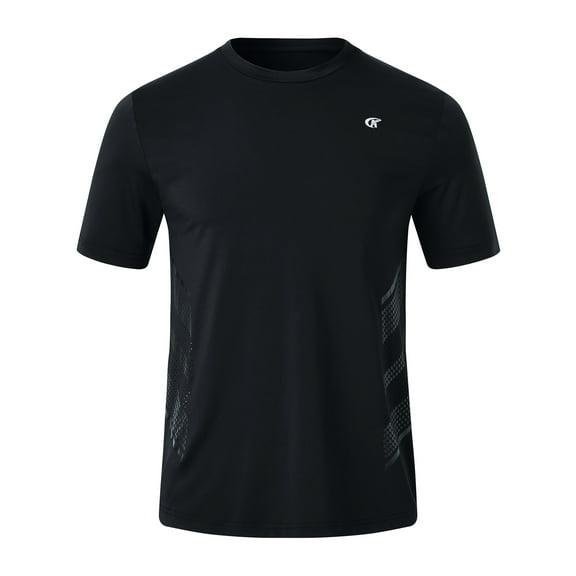
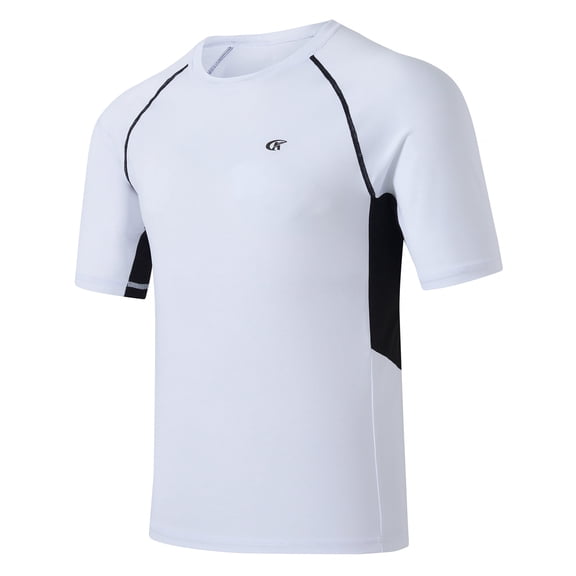
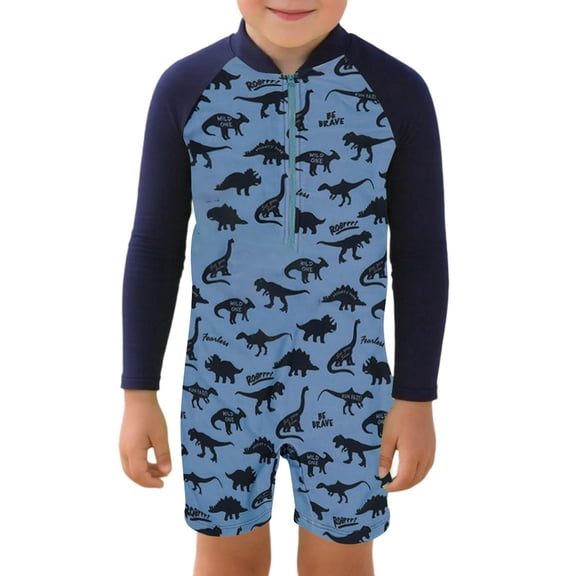
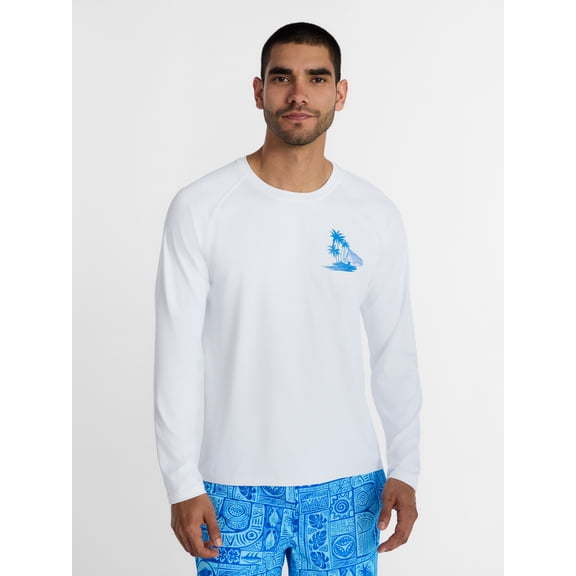
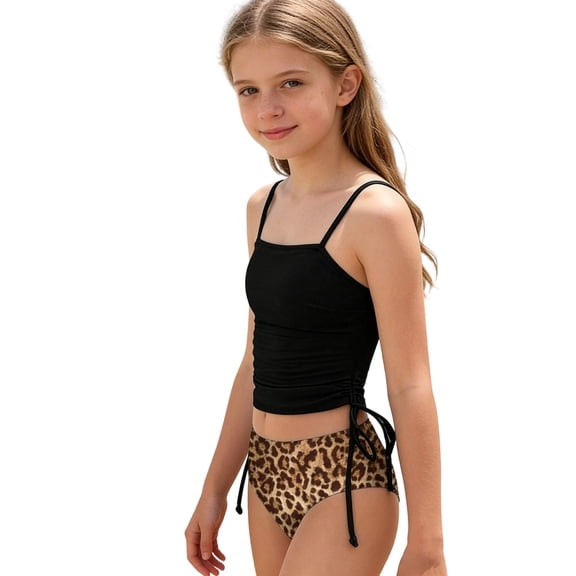
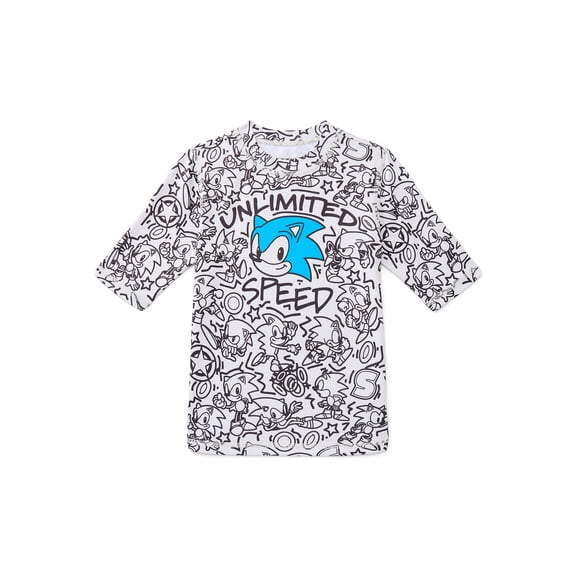
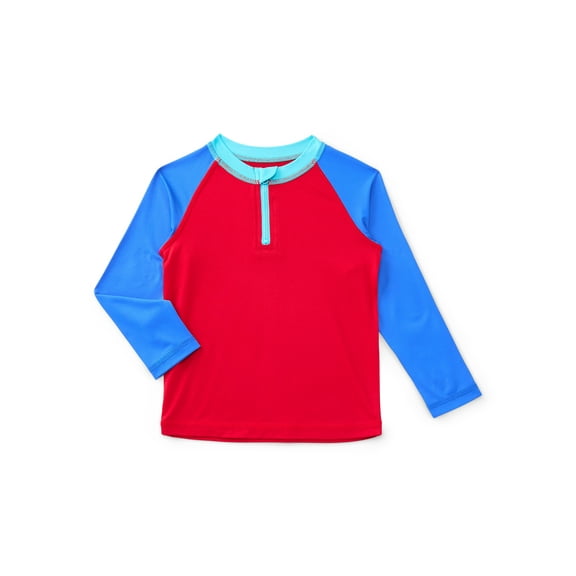
For changing weather, you may add wetsuits to extend your comfort across seasons and locations. You can also look for rash guards and other water sports equipment when you want a more complete kit.
If you're planning warm-weather sessions, you can focus on summer surfing gear like lighter coverage and traction essentials. If you're traveling, you should prioritize compact accessories that fit easily into your beach bag.
Using skill level to narrow surfing equipment
You can simplify your search by sorting surfing equipment by beginner, intermediate, or advanced use. You should treat skill level as a shortcut for board shape, construction, and fin preferences.
If you're a beginner, you may look for soft top boards, longer lengths, and stable fin setups. If you're intermediate, you may compare funboards, fish shapes, and epoxy builds for more responsiveness.
If you're advanced, you may focus on shorter lengths, lower volume, and fin choices for specific waves. You should also check whether your accessories support quick changes between boards and conditions.
With the right surfing gear, you can build a setup that feels matched to your progress and your local surf. You can move from paddle-out to pop-up with equipment choices that make each session feel more dialed in.