

Swingline Laminators in Laminators & Laminating Supplies
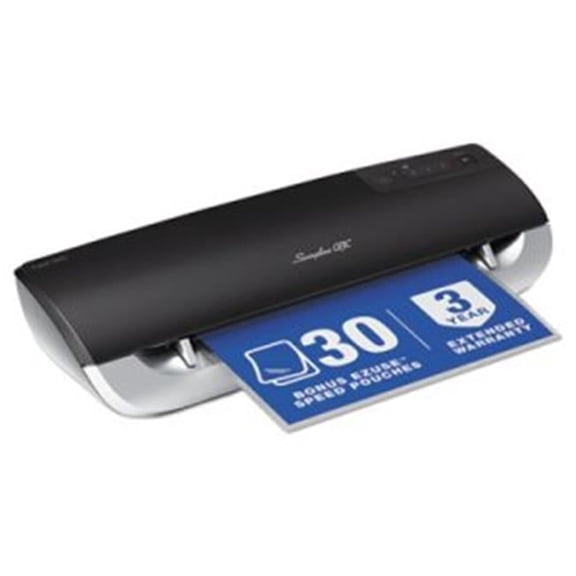


About Swingline Laminators in Laminators & Laminating Supplies - Walmart.com
Swingline laminators help you protect school papers, office handouts, and display signs with clean, sealed edges. You can compare laminating width, pouch thickness, warm-up time, and lamination type before you choose.
If you need a document laminator for regular use, you’ll want clear guidance that matches real tasks. You can use this page to sort thermal laminators, home office laminators, and matching laminating pouches with confidence.
How to choose Swingline laminators
You should start with laminating width because document size affects every project you run. You can use a 9-inch model for letter sheets, while wider formats handle signs, menus, and teaching materials.
When you compare 12-inch and 12.5-inch options, you can allow more room around larger pages. You can get cleaner placement when your documents need a border or centered finish.
You should also compare lamination type before you narrow your options. You can choose thermal lamination for heat-activated pouches, or cold lamination when you want a pressure-based process.
- You can match 9-inch laminating width to everyday letter-size pages.
- You can choose 12-inch or 12.5-inch width for menus, signs, and larger classroom materials.
- You can use 3 mil pouches when you want flexible coverage for routine documents.
- You can move to 5 mil or 7 mil pouches when you want a firmer feel.
- You can pick a 1 minute warm-up when you need faster starts for repeat jobs.
- You can consider thermal laminators when you want sealed pouch laminating for office or home projects.
Choosing the right thermal laminating machine
You should look at warm-up time early because it changes how quickly you can start each batch. You can find thermal laminators that are ready in 1 minute, 3 minutes, or 5 minutes.
If you laminate often, you may prefer shorter warm-up times for lesson plans, ID cards, and meeting materials. If you laminate occasionally, you may find a longer warm-up acceptable for smaller runs.
You should also check pouch thickness support because it affects flexibility and stiffness. You can use 3 mil for lighter everyday papers, while 5 mil and 7 mil create a more rigid finish.
When you compare pouch thickness in plain terms, you’re really choosing how firm the final sheet feels. You may notice thinner pouches bend more easily, while thicker pouches feel sturdier in frequent handling.
You may also want jam prevention details if you handle several items in one sitting. You can look for a release lever or auto-reverse support to keep your workflow moving smoothly.
What to look for in laminating pouches and sheets
You should match laminating pouches and laminating sheets to your machine’s supported thickness and width. You can avoid fit issues when you check both dimensions before starting a project.
If you’re covering handouts, schedules, or reference pages, you may prefer pouches that align with standard documents. If you’re preserving signage or classroom visuals, you may want wider coverage and firmer thickness.
You can use a lighter pouch for papers you handle, file, or update often. You can choose thicker laminating pouches when your pieces stay on counters, bulletin boards, or shared workstations.
Another useful check is finish consistency across multiple pages in the same set. You can get a more uniform look when your laminating sheets match the machine settings you use most.
Matching laminating machines to your space
You can narrow laminating machines by thinking about where and how often you’ll use them. You may want home office laminators for occasional projects, or a faster setup for shared office tasks.
At home, you might laminate chore charts, recipe cards, tax records, or school calendars. In a classroom, you can preserve flash cards, visual schedules, and reusable activity sheets.
In an office, you may need a document laminator for badges, notices, training materials, or front-desk signs. You may appreciate faster warm-up times when several people need finished pages during the day.
If you prepare menus or display signs, you should consider wider entry sizes and thicker pouch support. You can create pieces that feel more structured when you handle or post them repeatedly.
You should compare machine size with your available desk or storage space before deciding. You can keep your setup practical when the laminator fits your routine and your work area.
Key differences between widths, thicknesses, and speed
You can think of width as your fit decision, thickness as your feel decision, and warm-up as your pace decision. That simple approach helps you compare models without getting lost in technical details.
If your projects stay close to standard paper sizes, you may not need the widest machine. If your projects include signs or teaching displays, you may benefit from extra width.
You should choose 3 mil when you want everyday flexibility for frequently updated materials. You should choose 5 mil or 7 mil when you want a firmer finish for posted or shared documents.
When your day moves quickly, you may want a machine that’s ready in 1 minute. When your laminating happens less often, you may be comfortable waiting 3 minutes or 5 minutes.
By focusing on these four decisions, you can choose Swingline laminators that fit your document size, workflow, and pouch preferences. You can end up with smoother runs and more polished finished pages.