



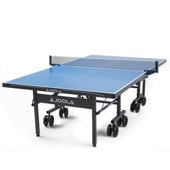
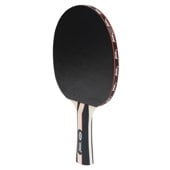

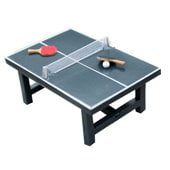
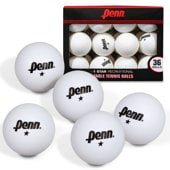
Ping Pong Tables




















About Ping Pong Tables - Walmart.com
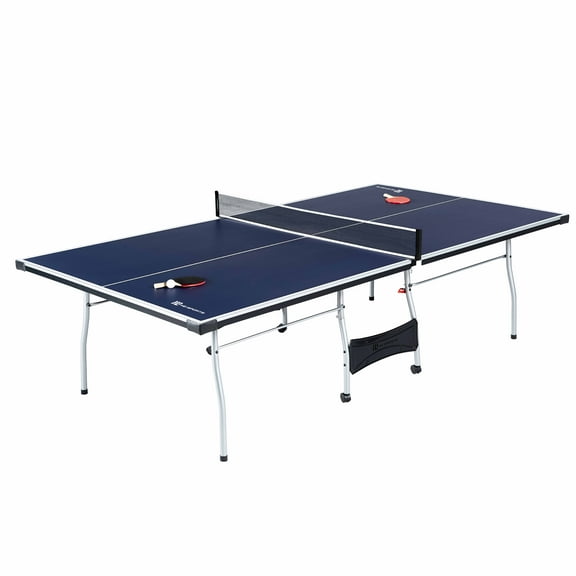
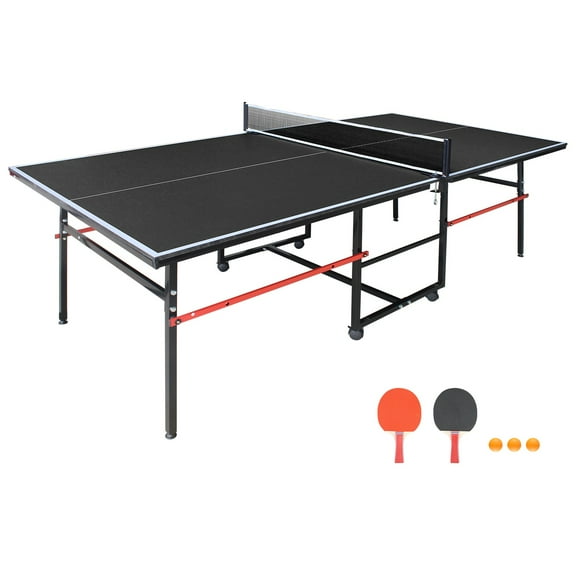
Table tennis helps you build a game room that keeps players moving, competing, and coming back for another round. You can compare full-size tables, compact options, and accessories that fit casual rallies or more serious practice.
How to choose table tennis for your space
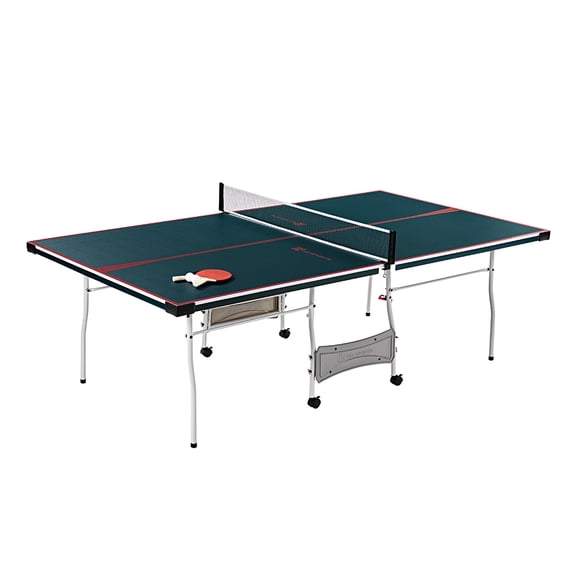
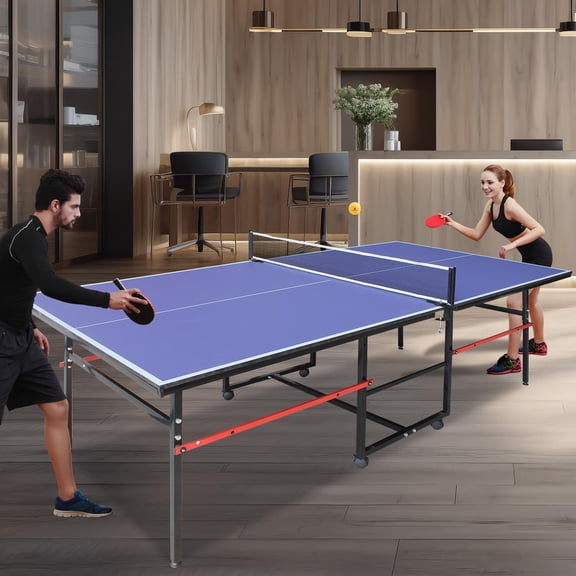
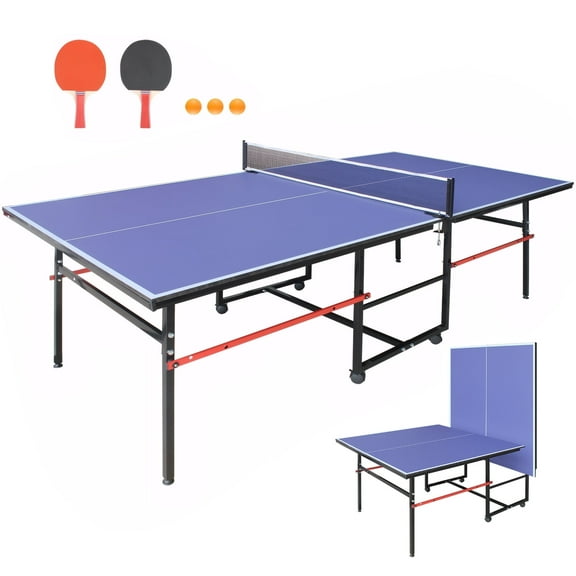
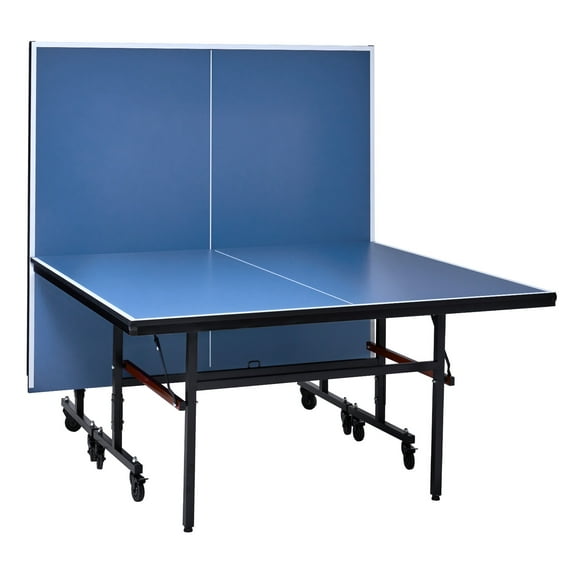
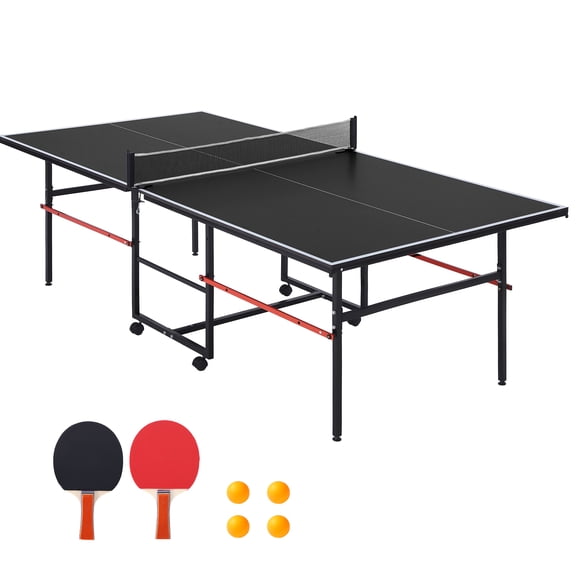
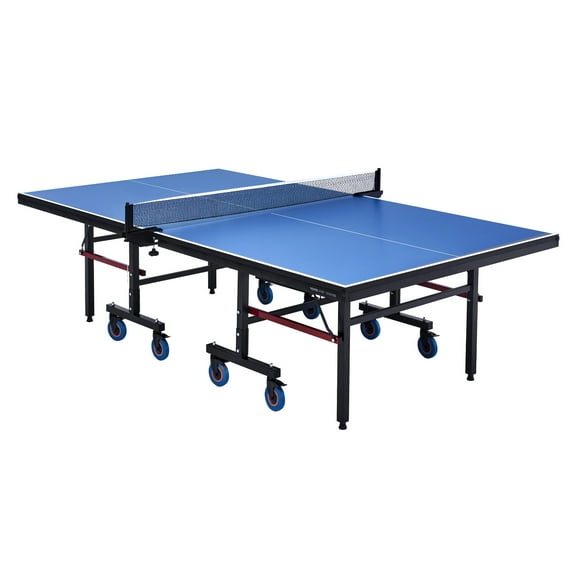
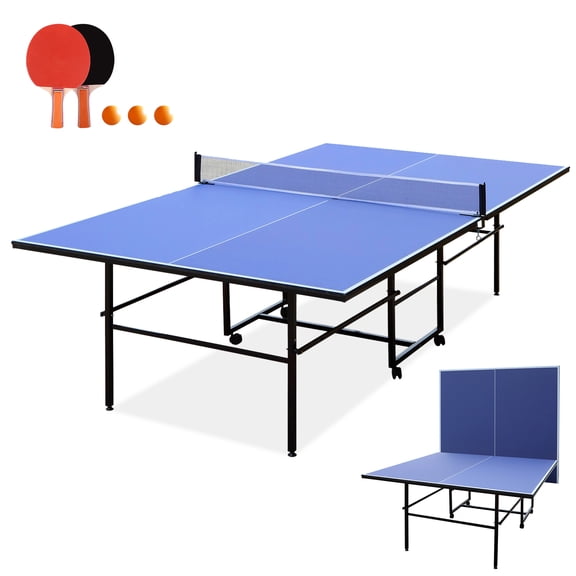
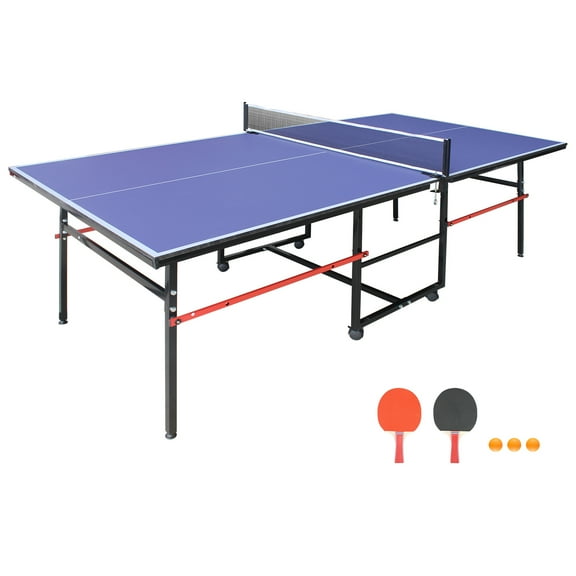
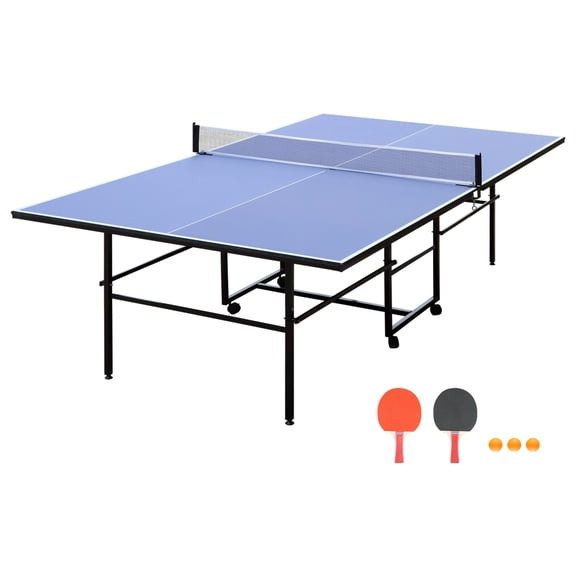
You should start with the table type that matches your space and routine. You can choose an indoor ping pong table for basements, rec rooms, and other climate-controlled areas.
If you plan to play on a patio or in a garage, you should compare an outdoor table tennis table with weather-ready surfaces. You’ll also want frames and legs designed for changing conditions and easy cleanup.
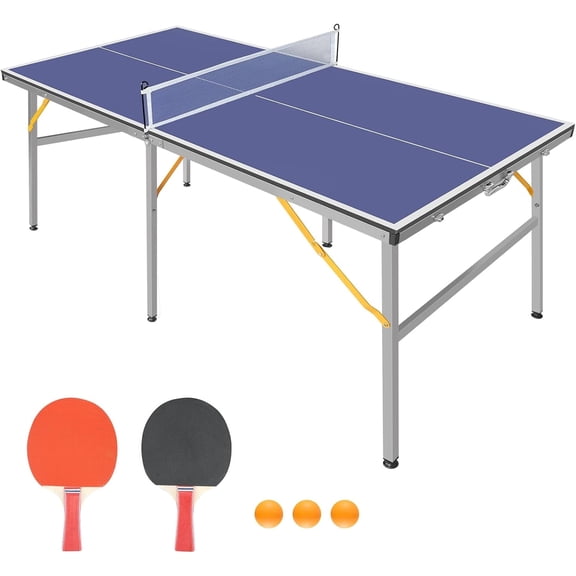
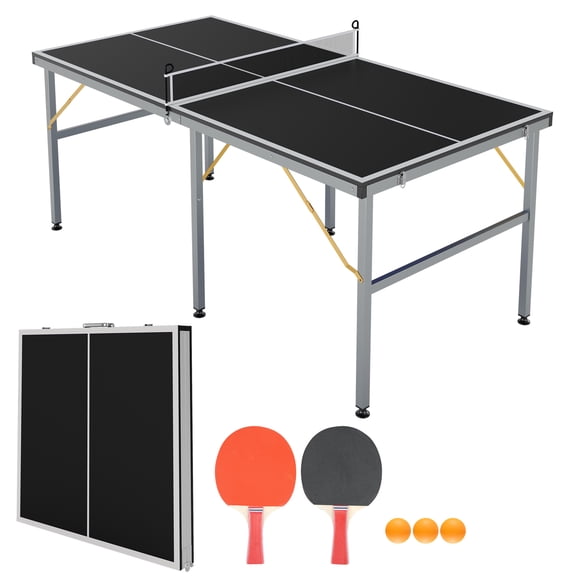
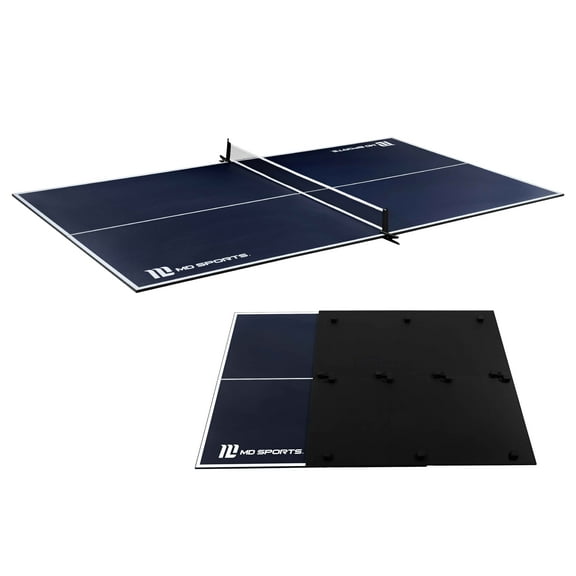
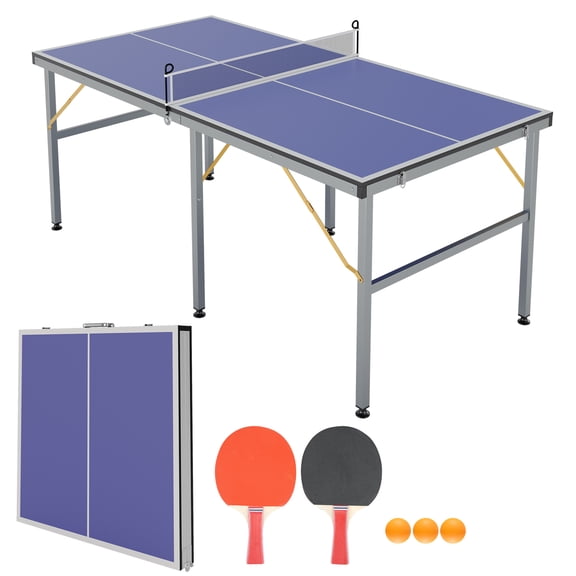
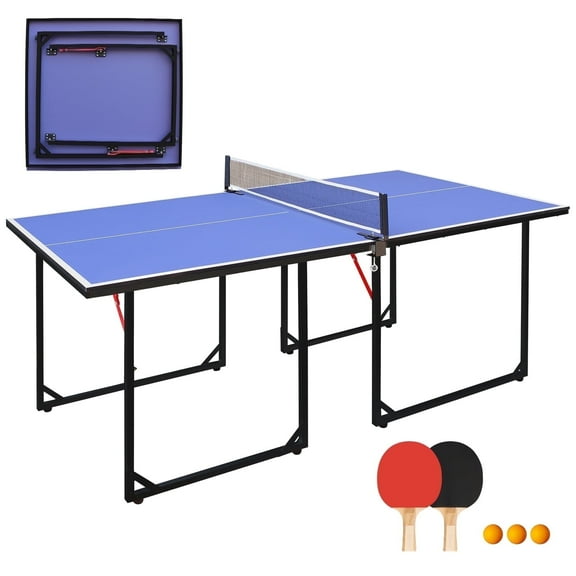
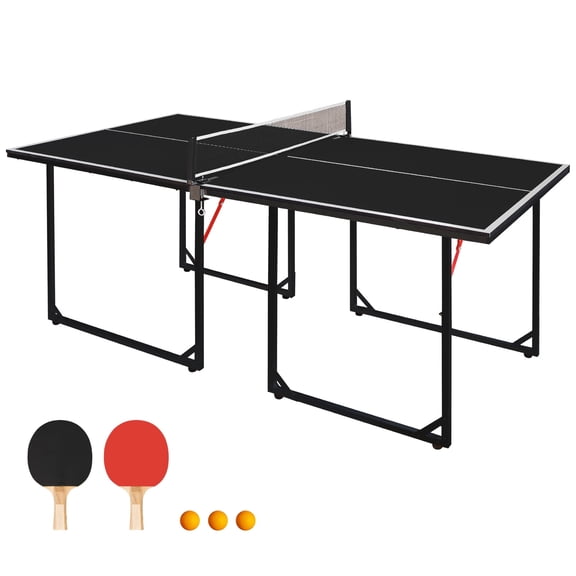
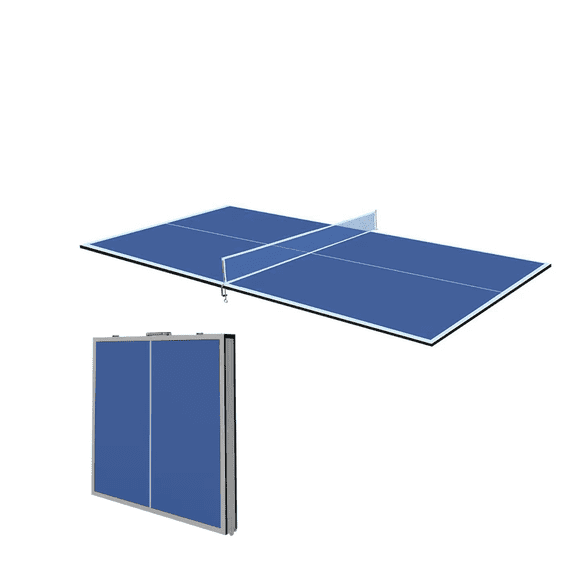
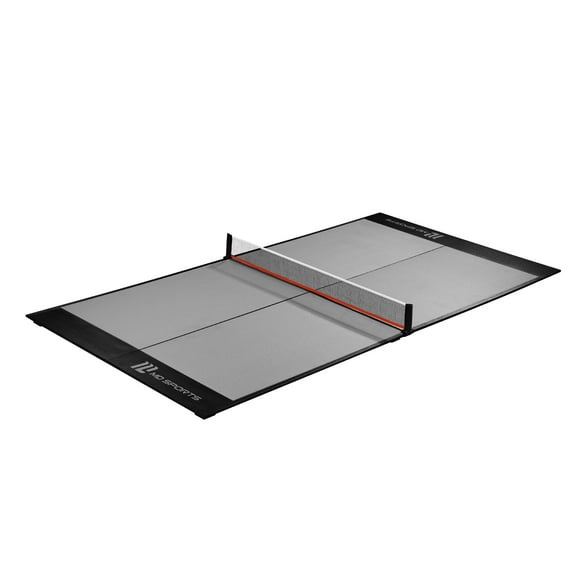
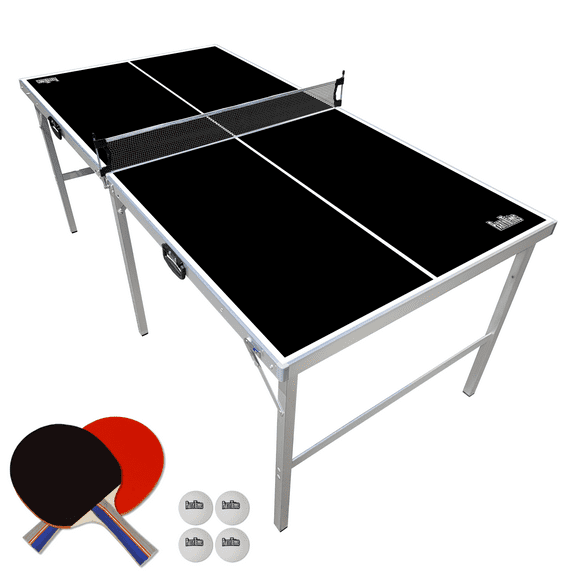
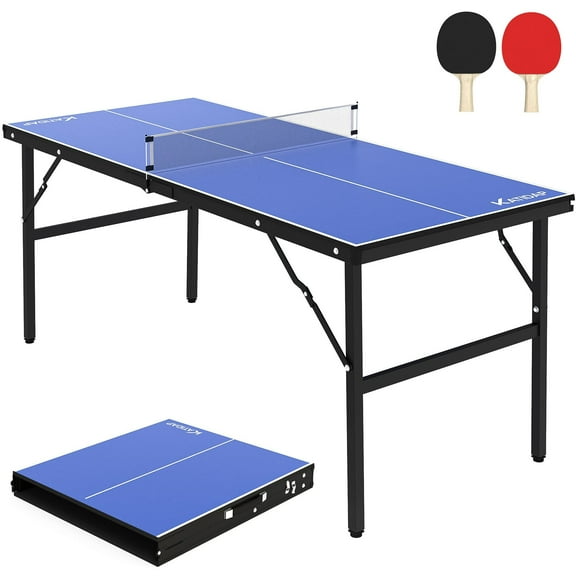
You may prefer a table tennis conversion top when you want to turn another table into a playing surface. You can also pick a mini table when you need a compact setup for younger players or tighter rooms.
Key benefits of ping pong tables and accessories
You get a category that supports quick setup, repeat play, and easy storage in many homes. You can create a game zone for family nights, friendly matches, or solo drills without complicated equipment.
With the right setup, you can match your purchase to how often you play and who joins you. You can keep things simple with starter accessories or build a more dialed-in setup over time.
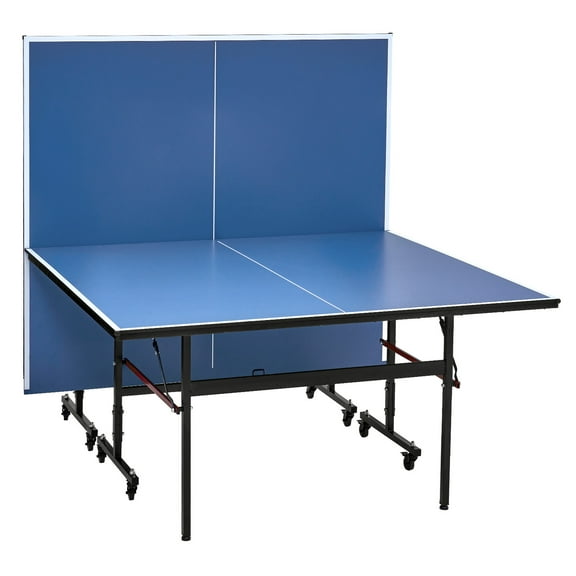
- You can choose folding designs that make storage easier between matches.
- You can use playback mode on select tables when you want solo practice.
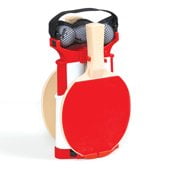
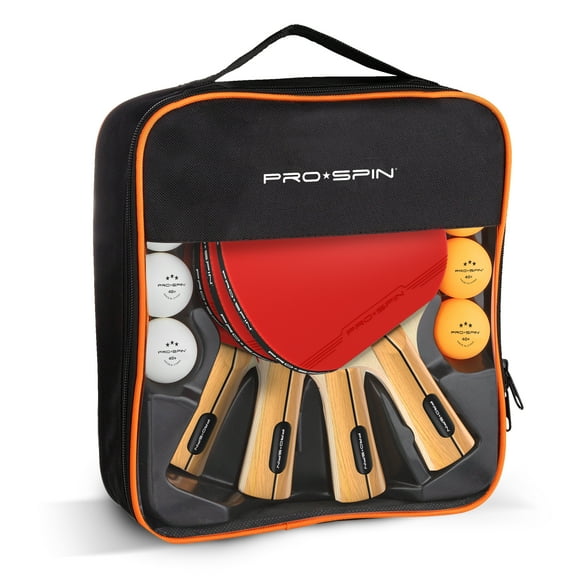
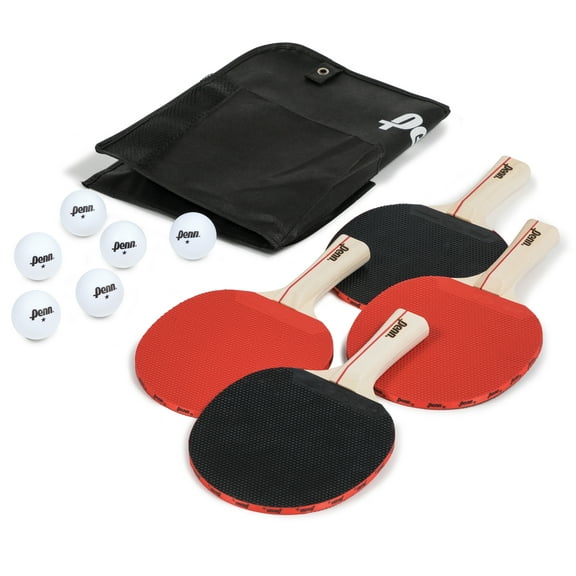
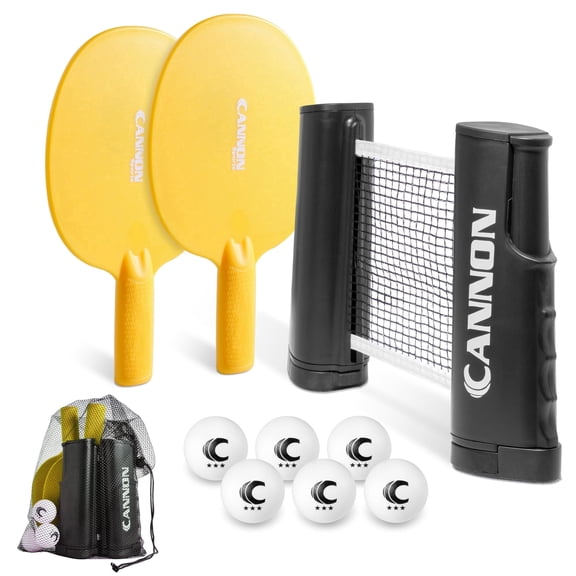
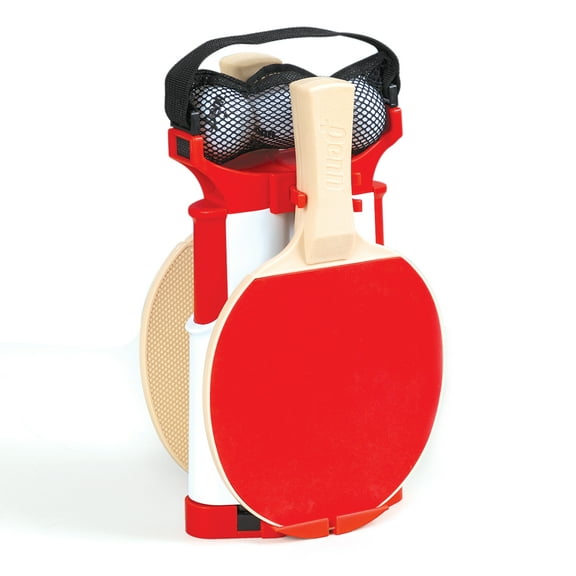
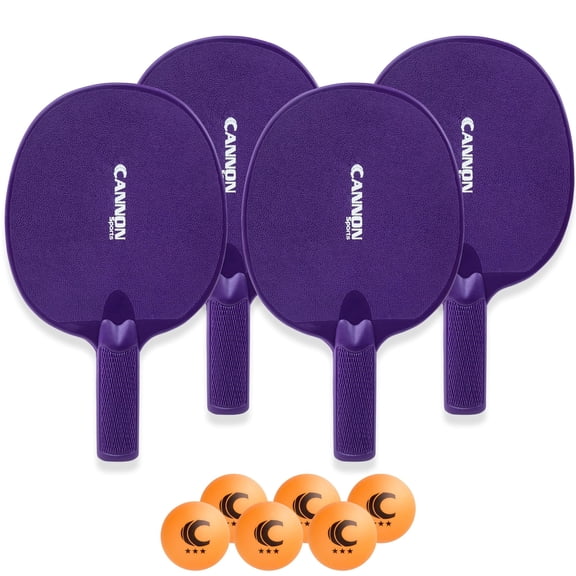
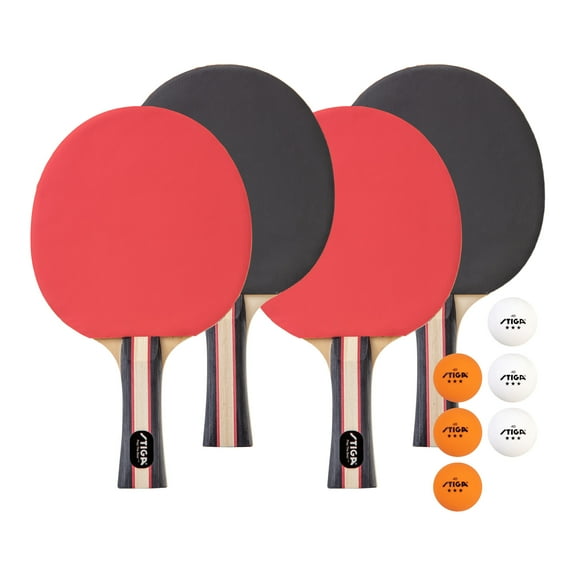
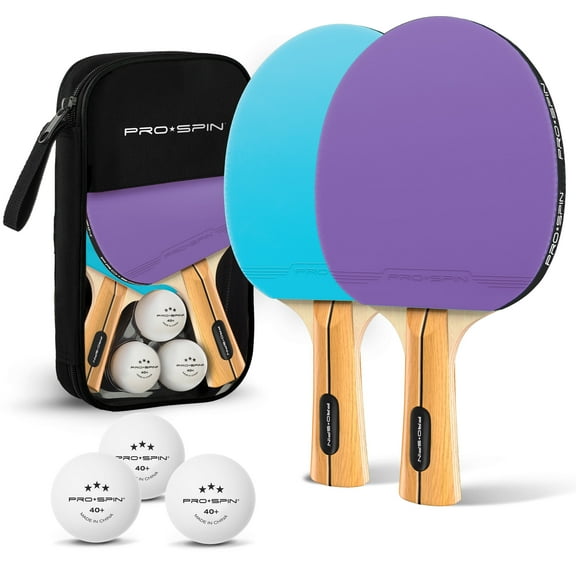
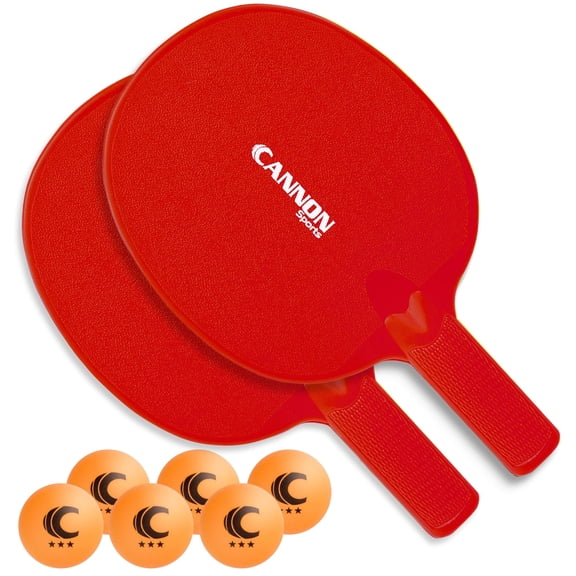
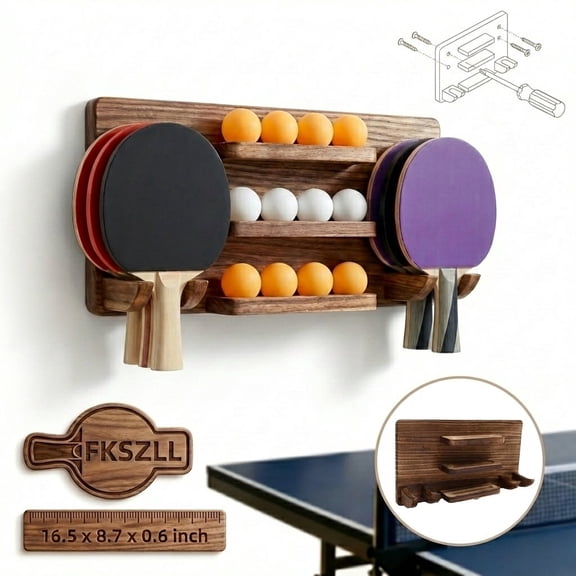
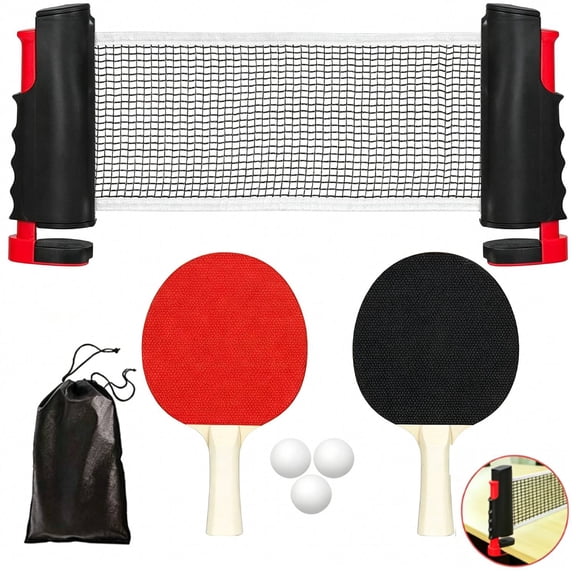
- You can compare paddles, nets, and ping pong balls to refresh your setup fast.
- You can pick surfaces and frames that match indoor rooms or outdoor spaces.
You’ll notice that table tennis works for different ages and play styles. You can move from casual rallies to faster exchanges by adjusting your table, paddles, and ball supply.
Choosing the right table thickness and build
You should compare table thickness because it affects how the ball rebounds across the surface. You’ll usually notice that thicker tops deliver a more consistent bounce during longer rallies.
If you’re shopping for recreational play, you may find 12mm or 15mm tops fit your needs. If you want steadier bounce for sharper shot placement, you can look at 18mm or 25mm options.
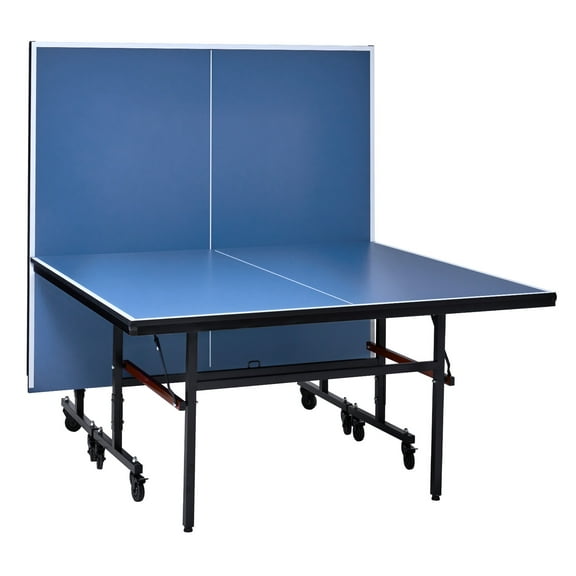
You should also check whether the table folds, locks, and rolls smoothly into storage. You can make setup easier by comparing wheel size, leg supports, and locking mechanisms.
When you measure your room, you’ll want clearance around both ends and sides of the table. You can keep gameplay more comfortable when you leave enough space for serves, returns, and footwork.
How to compare table tennis paddles and accessories
You should treat accessories as part of your playing experience, not as an afterthought. You can shape control, spin, and convenience by comparing table tennis paddles, nets, covers, and ball packs.
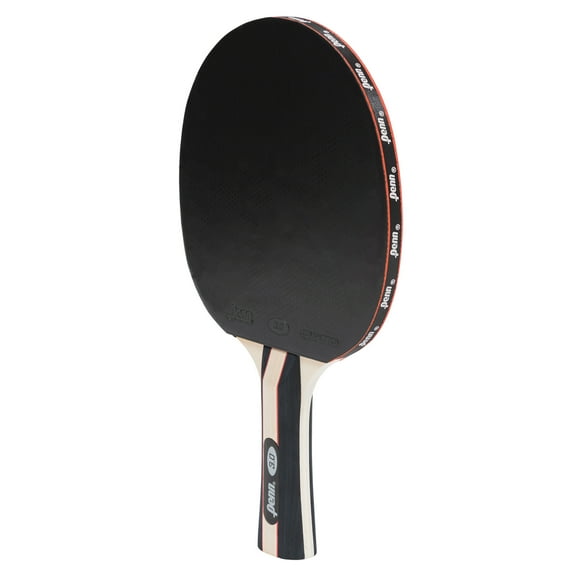
When you compare paddles, you’ll want to check grip style and surface feel. You can choose shakehand grips for an all-around hold, or penhold styles for a different hand position.
You may also compare control and spin ratings when you review table tennis rackets. You can lean toward control for learning placement, or choose added spin when you want more shot variety.
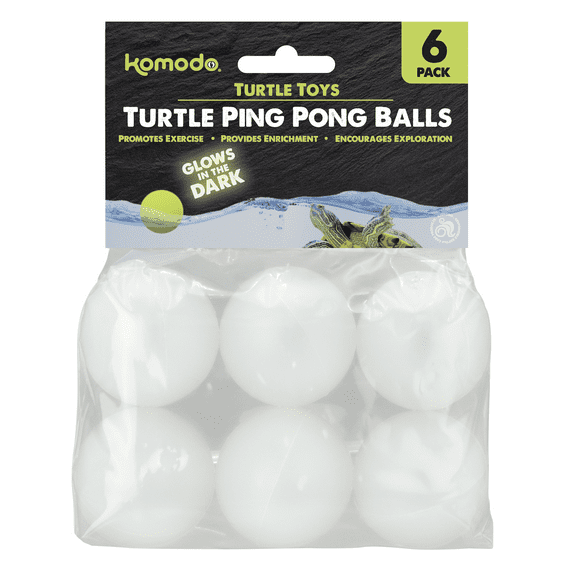
Ping pong balls matter too, because you’ll want enough on hand for steady practice and longer sessions. You can add nets and covers when you need a complete setup with easier storage.
Matching table tennis gear to skill level and use
You should match your gear to the way you actually play. You can focus on recreational, intermediate, or tournament-oriented choices instead of guessing from looks alone.
For family rooms and casual games, you may want a simple table with straightforward assembly and reliable bounce. You can pair it with paddles that emphasize control for easier returns.
If you practice regularly, you may want thicker surfaces, sturdier frames, and playback capability. You can also compare table tennis paddles with rubber styles that support faster pace and more spin.
When you’re setting up for organized competition, you’ll want dimensions, bounce response, and stability that feel more precise. You can narrow your options by checking thickness, frame design, and accessory compatibility.
What to look for in everyday setup details
You should check how a table moves through doorways, fits your room, and stores after play. You can avoid frustration by measuring your space before you choose a full-size or compact option.
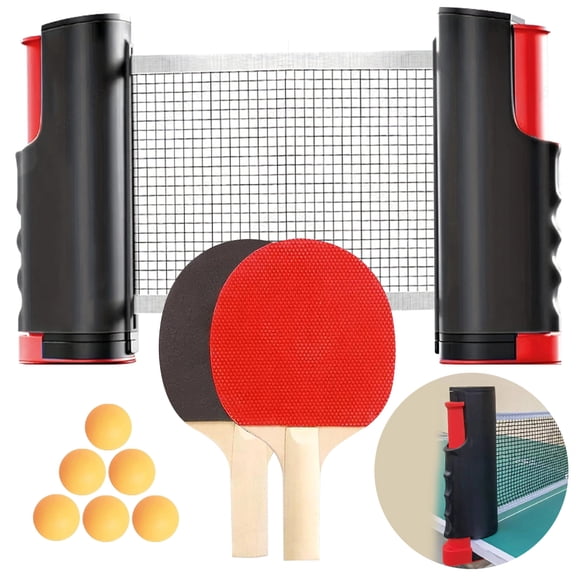
You’ll also want to compare net systems, wheel locks, and folding sections for day-to-day convenience. You can keep your game room more flexible when your table stores neatly between matches.
With the right table type, thickness, and accessories, you can build a setup that fits your space and playing style. You’ll get more consistent rallies, smoother setup, and equipment that supports every match.