

Tennis String in Tennis Racquet Accessories























About Tennis String in Tennis Racquet Accessories - Walmart.com
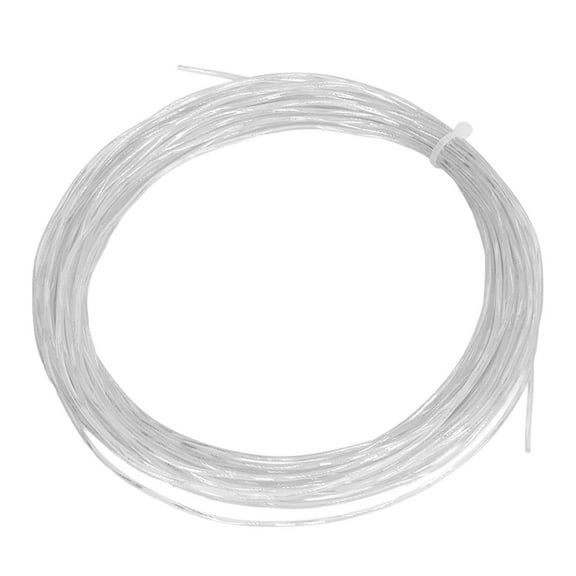
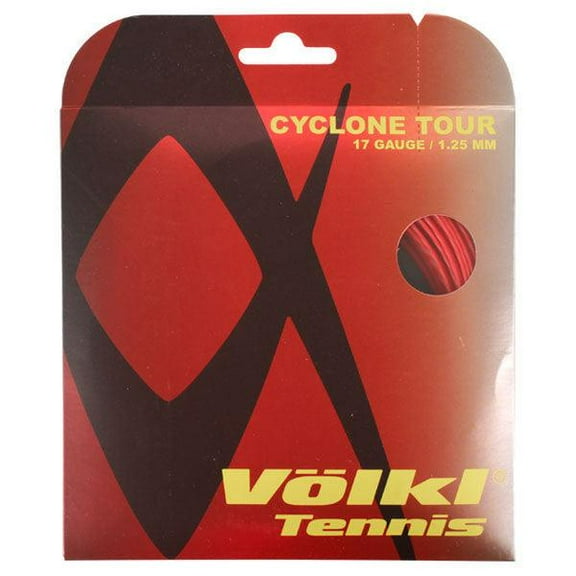
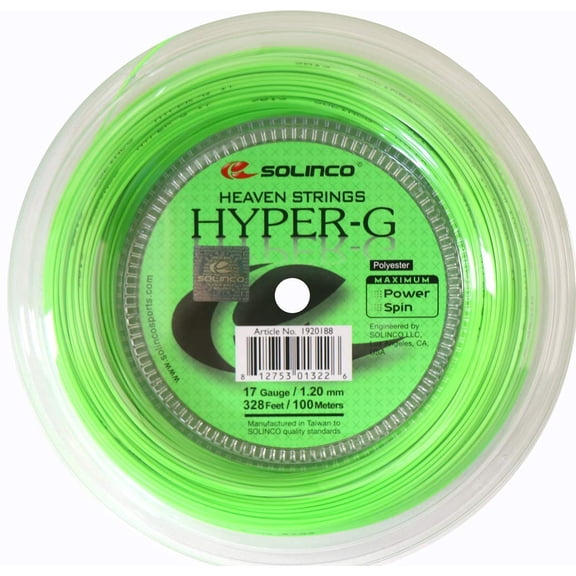
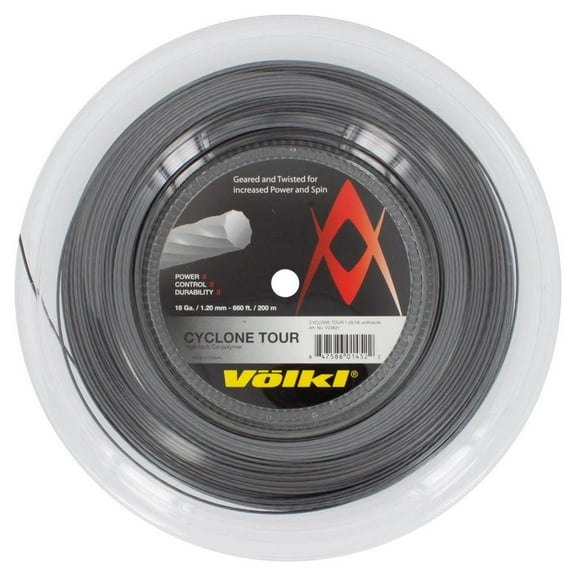
Tennis string helps you tune spin, control, power, and feel before you change your racquet setup. You can compare materials, gauges, and packaging formats to match your swing, restringing habits, and court schedule.
Choosing the right tennis string material
You should start with material type because it shapes how your shots launch and how your string bed responds. You can narrow your options quickly when you compare polyester, synthetic gut, multifilament, and natural gut.
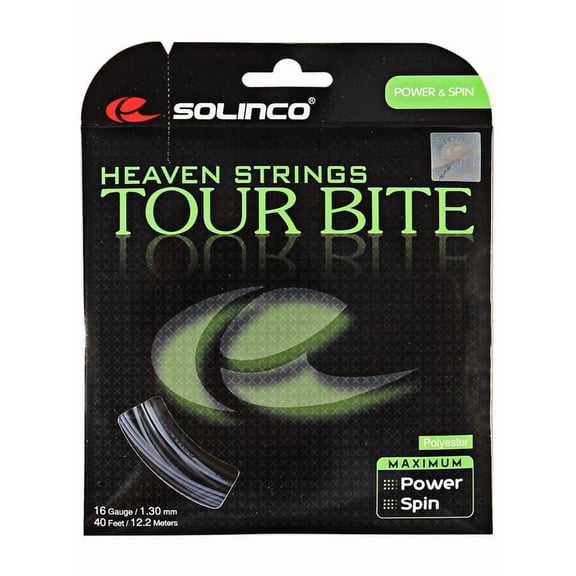
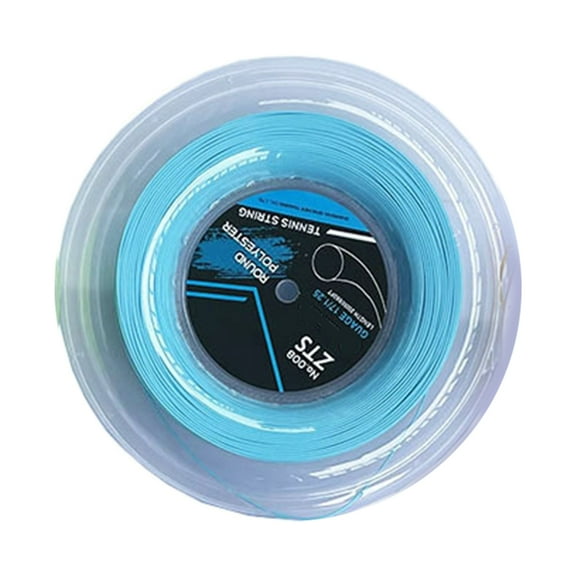
If you want firmer response and added control, you may prefer polyester tennis string for bigger swings. You may notice polyester handles frequent practice and match play with a consistent feel.
If you want a balanced starting point, you may look at synthetic gut tennis string for all-around playability. You can get a crisp feel that fits casual rallies, lessons, and mixed court time.
When you want a softer response, you may compare multifilament options for a cushioned feel at contact. You can use that construction when you want added depth and a forgiving string bed.
If you’re comparing natural gut, you should look for lasting playability and reliable touch on finesse shots. You can use it when you want lively response and steady pocketing across long sessions.
Key benefits you can compare with tennis string
You can shop tennis string with more clarity when you match the string to how you actually play. You can reach optimal results when you choose for spin, control, power, comfort, or durability.
- You can choose polyester when your quick swing needs extra control and a firmer response.
- You can choose multifilament when your priority is comfort and added depth from the baseline.
- You can choose synthetic gut when you want a versatile feel for lessons, practice, and recreational play.
- You can choose thinner gauges when you want more bite on the ball and added feel.
- You can choose thicker gauges when you want longer wear during frequent string-breaking sessions.
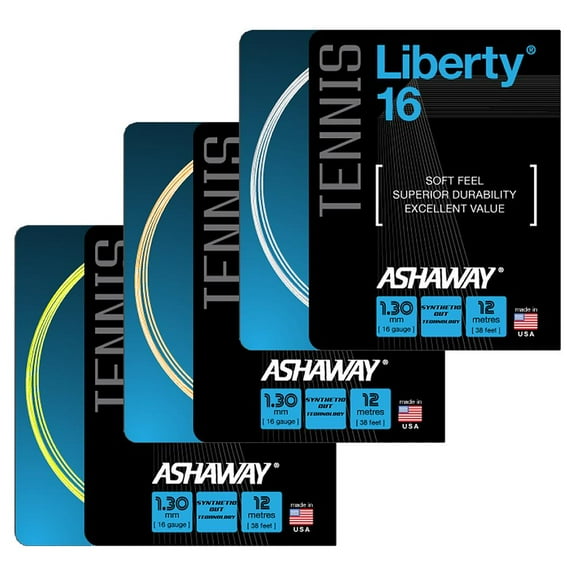
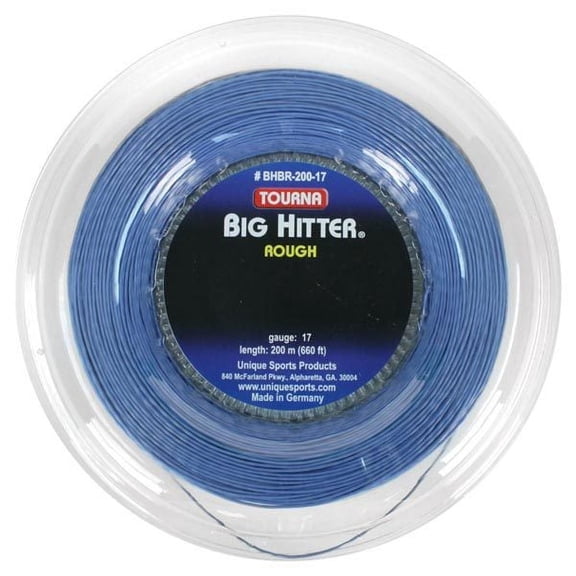
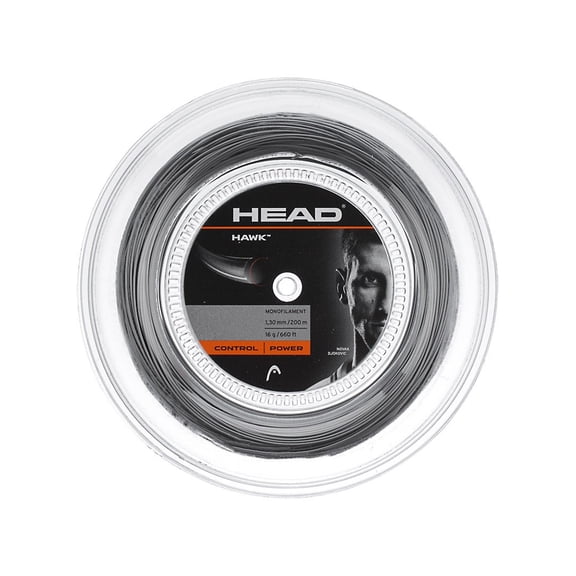
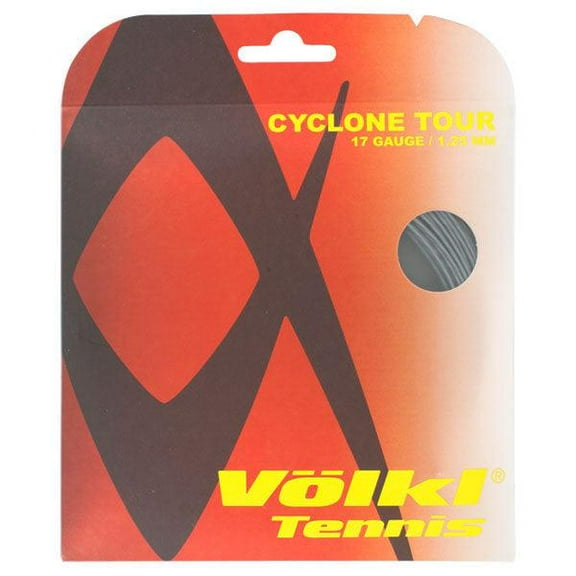
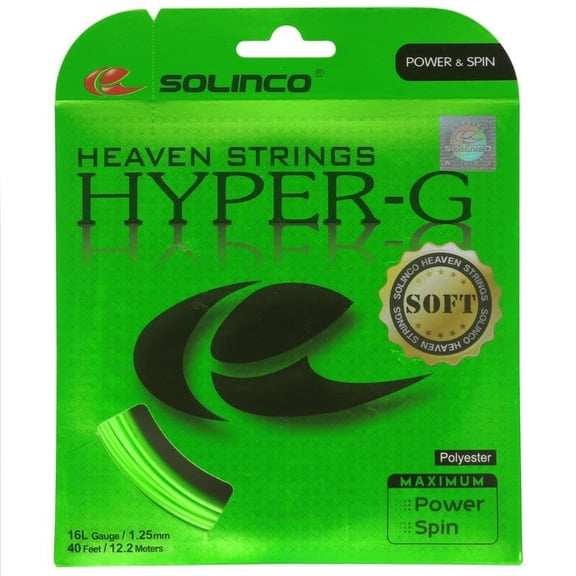
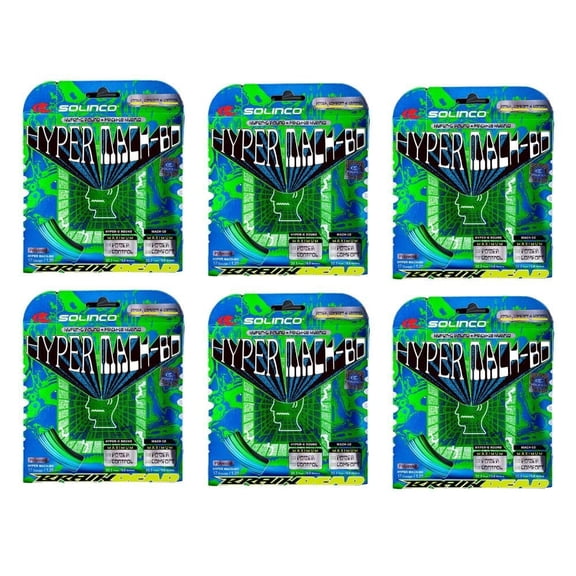
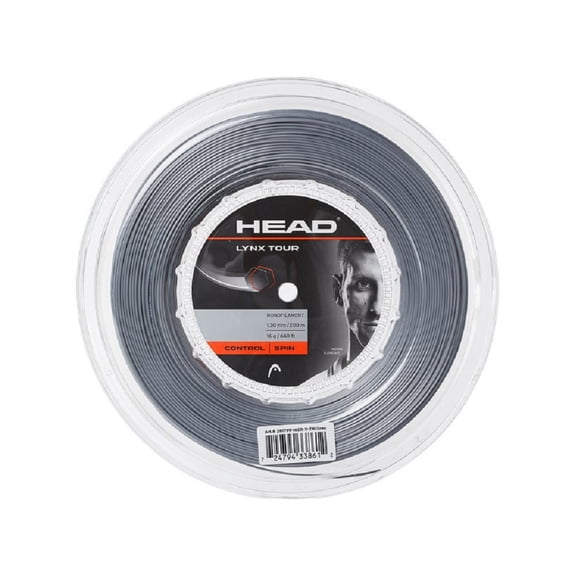
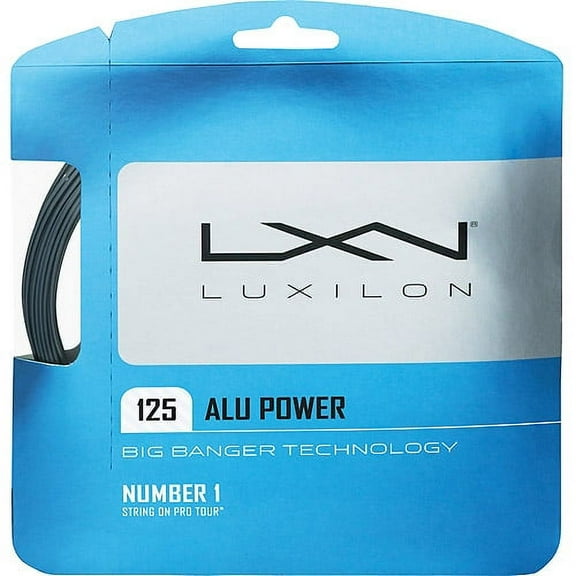
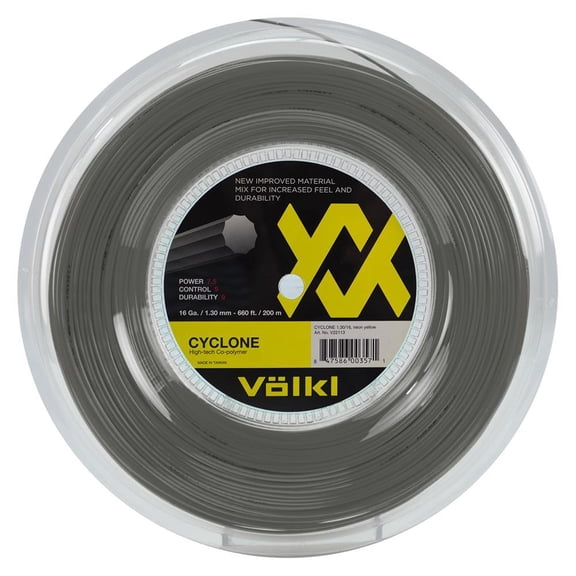
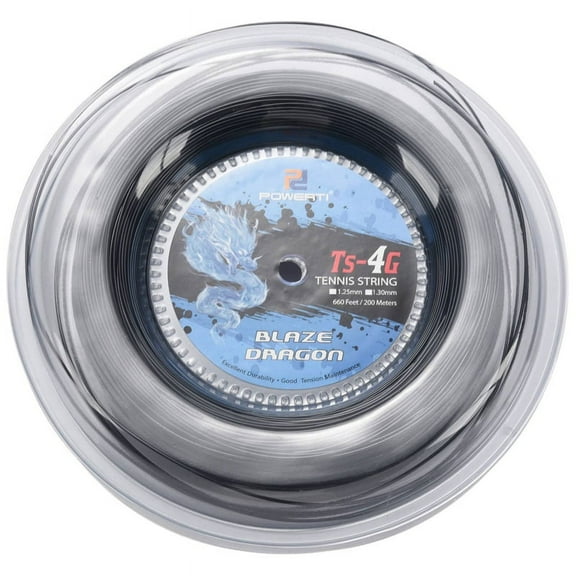
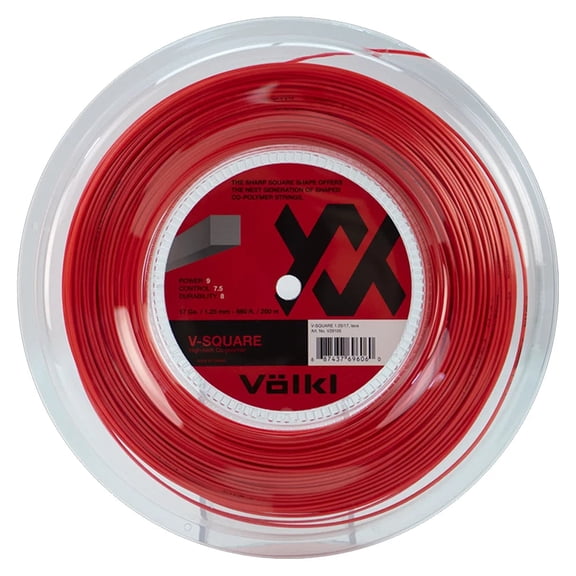
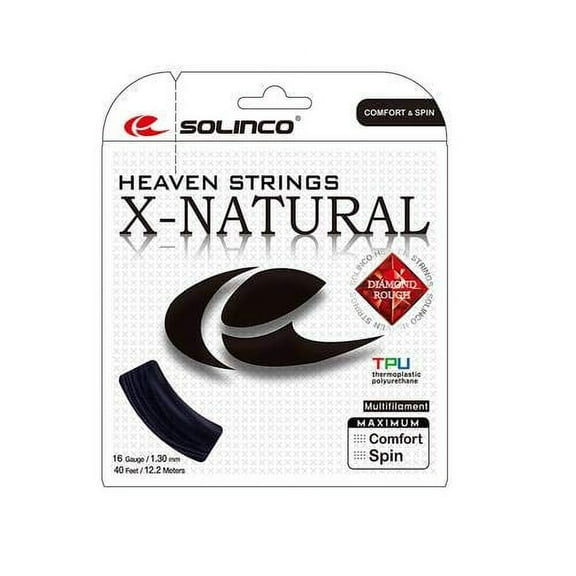
- You can choose an individual set or a tennis string reel based on how often you restring.
You may also notice that the right setup supports your serving style and return game. You can build a setup that feels predictable when your string choice matches your stroke speed.
Choosing tennis racket string gauge and tension
You should compare gauge thickness next because it affects feel, spin potential, and durability. You can often spot the difference once you understand how 15, 16, 17, and 18 gauge options play.
If you want longer-lasting wear, you may start with 15 gauge or 16 gauge tennis string. You may trade some feel for a thicker construction that handles repeated impact.
If you want more touch and ball bite, you may compare 17 gauge or 18 gauge choices. You can get added feel from thinner strings, though you may restring frequently.
You should also check recommended tension ranges before you choose your next tennis racket string setup. You can string lower for added power, while you can string higher for added control.
When you’re unsure, you can begin near the middle of your racquet’s suggested tension range. You can then adjust upward or downward after you learn how your shots launch.
Comparing packaging formats and restringing habits
You should think about packaging format based on how often you restring and who strings your racquet. You can often choose between an individual set and a tennis string reel.
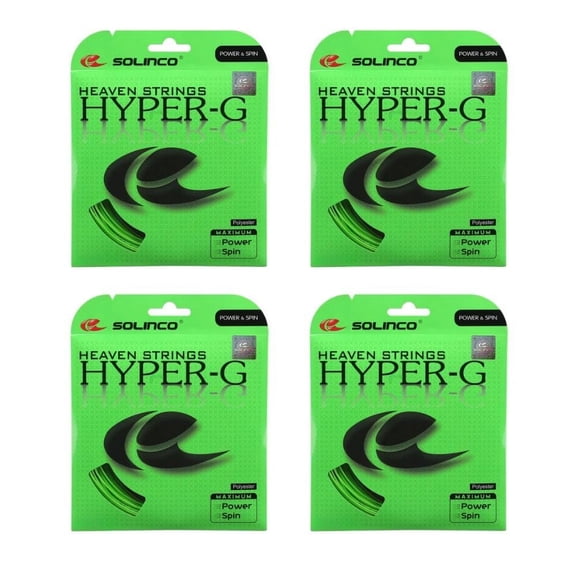
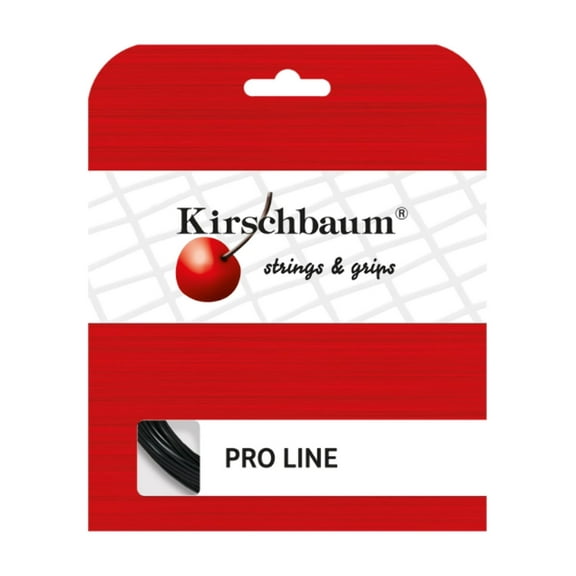
If you restring only when needed, you may prefer an individual set for straightforward replacement. You can keep one on hand for match prep, lessons, or seasonal play.
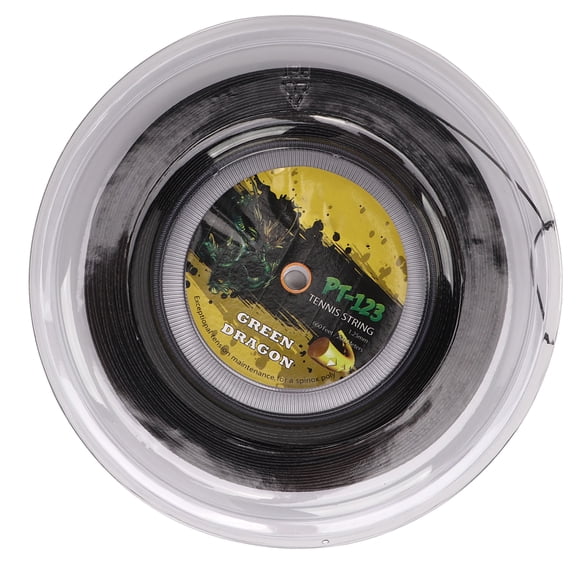
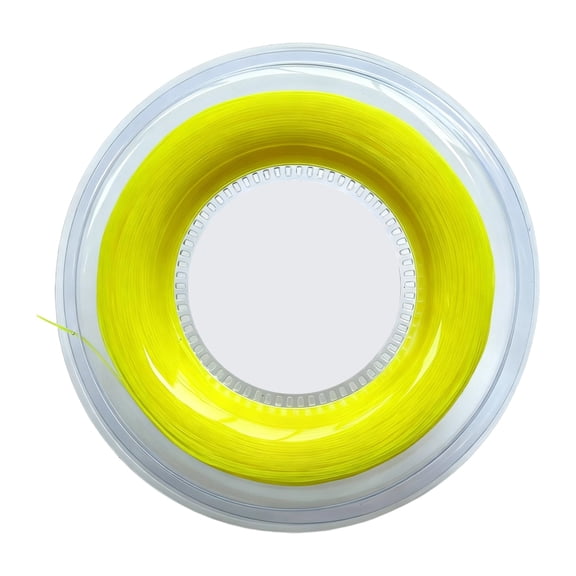
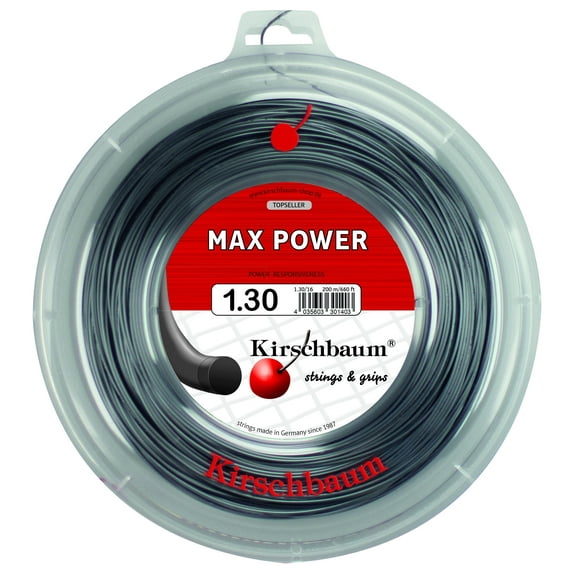
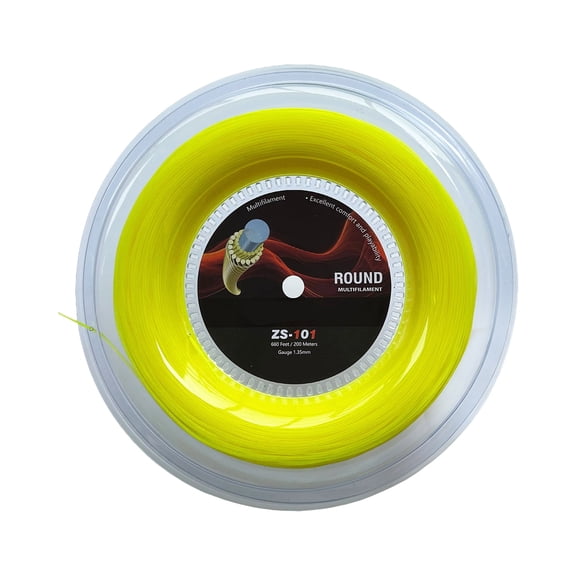
If you play often or string for multiple racquets, you may consider a tennis string reel. You can use bulk packaging to keep the same setup ready for repeat restringing.
You should also compare set length and reel quantity with your regular stringing routine. You can avoid guesswork when your purchase matches how often you rotate racquets.
Matching tennis string to how you play
If you hit with heavy topspin, you may look for polyester, a thinner gauge, and a control-focused tension. You can create a setup that helps the ball dip back into the court.
If you’re building a dependable all-around setup, you may choose synthetic gut in 16 gauge. You can get balanced response for school practice, clinics, and weekend matches.
When touch and added depth are your priority, you may compare multifilament with a moderate tension range. You can get a smooth response for volleys, doubles, and extended hitting sessions.
If you break strings often, you should compare thicker gauges and durable constructions first. You can reduce frequent restringing by choosing a setup built for repeated play.
You may also keep different setups for practice and competition if your schedule changes each week. You can use one string for everyday court time and another for sharper match control.
Tennis string becomes straightforward to choose when you compare material, gauge, tension, and format together. You can land on a setup that matches your racquet, your swing, and your time on court.