

Wall Calendars: Hanging & Paper Calendars | Walmart
















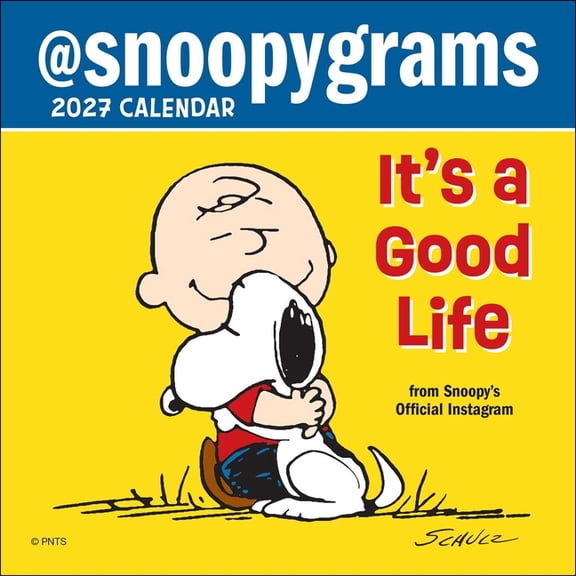


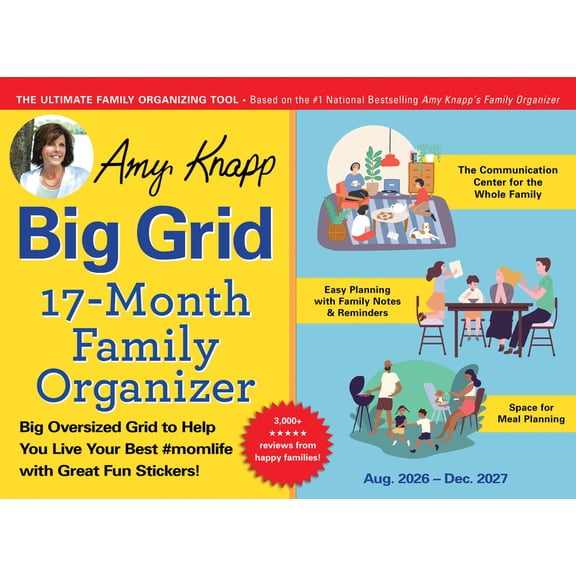
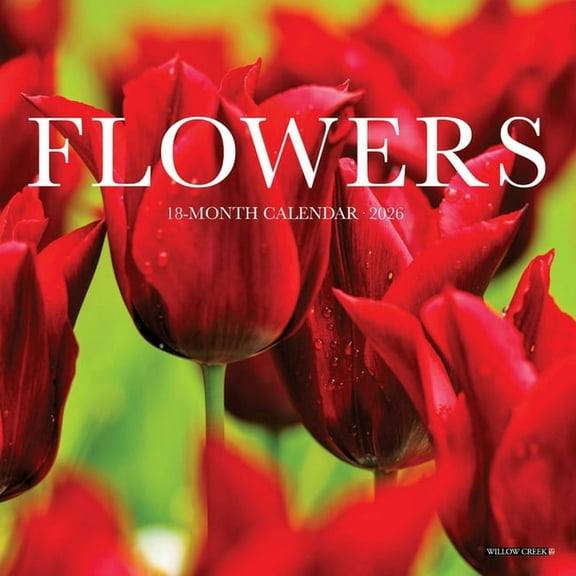

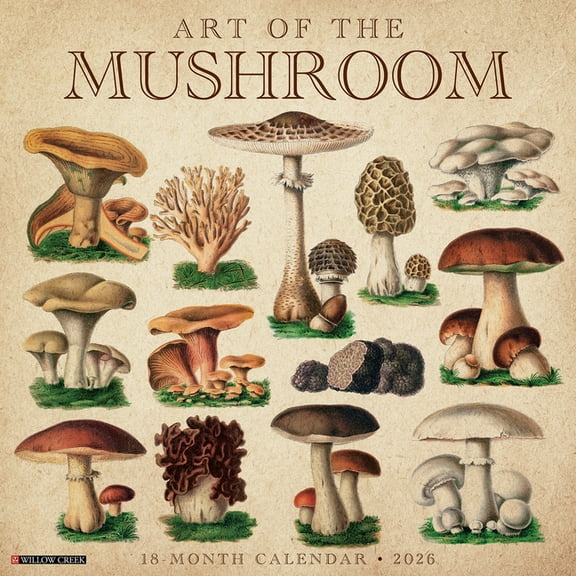



About Wall Calendars: Hanging & Paper Calendars | Walmart - Walmart.com
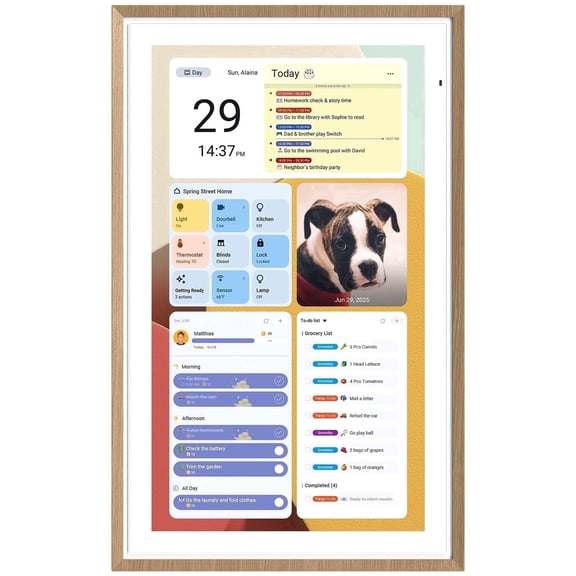
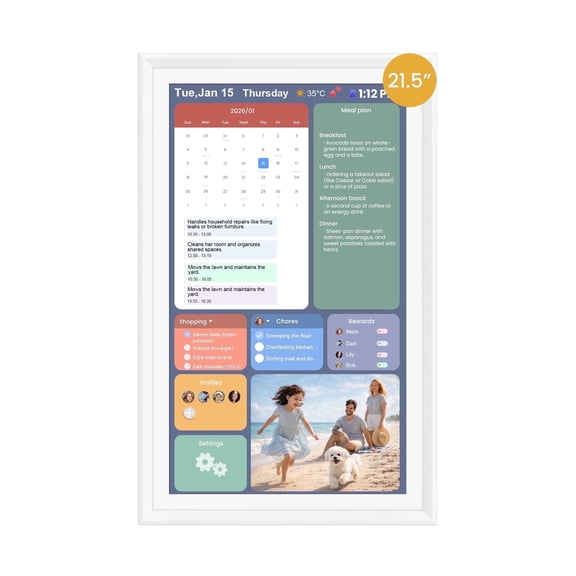
Calendars help you organize school, work, and home routines with clear layouts and flexible planning formats. You can compare wall calendars, desk calendars, and academic calendars to match your space and schedule.
How to choose calendars for your space
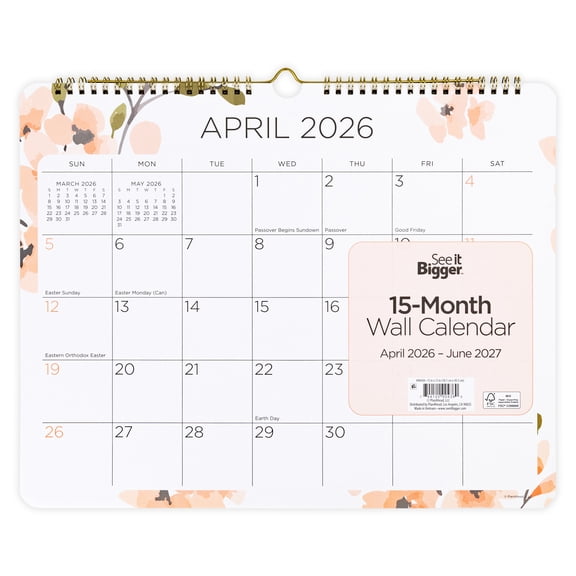
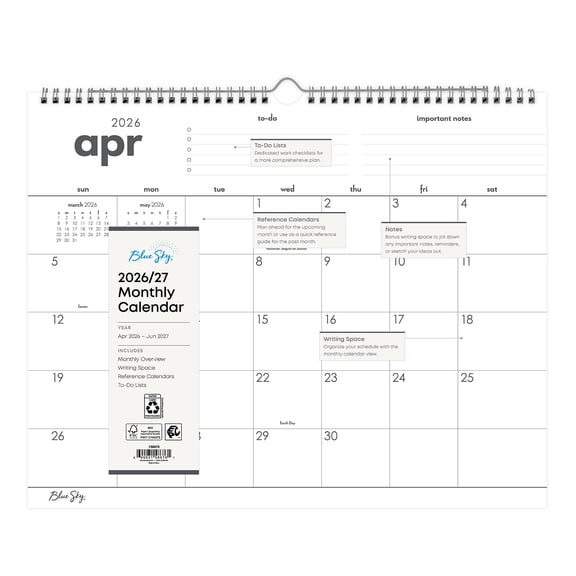
When you choose calendars, you should start with where you’ll place them each day. You may prefer wall calendars when you need at-a-glance dates from across the room.
If you plan at a workstation, you may want desk calendars that sit flat and keep appointments visible. You can also choose a desk blotter style when your writing area needs a larger monthly view.
For smaller bags or shared spaces, you might compare pocket and magnetic formats. You can keep a pocket calendar close, or place a magnetic option on a file cabinet.
- You can use wall calendars to track family events, deadlines, and monthly goals.
- You can use desk calendars to keep meetings, tasks, and notes visible while you work.
- You can use pocket formats when you want a compact schedule you can carry easily.
- You can use magnetic styles when you need quick date checks in a shared area.
Choosing between wall calendars, desk calendars, and layouts
You should compare layout before you choose a design or theme. You may want a monthly planner layout when you like seeing the full month at once.
If your schedule changes often, you might prefer weekly sections with more writing room. You can also choose a daily calendar when each day needs its own detailed space.
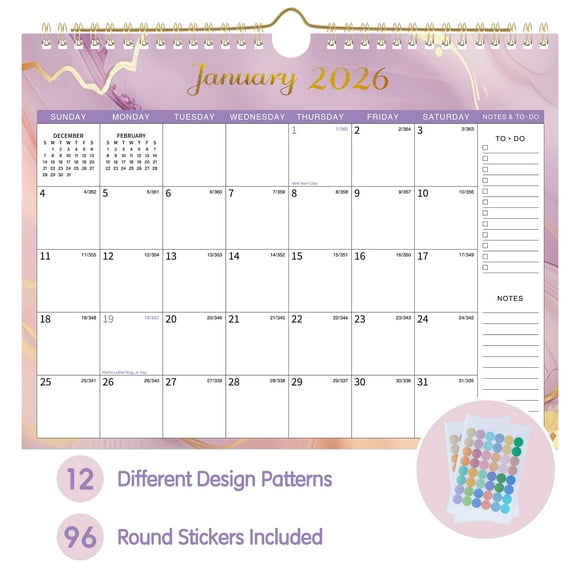
Many shoppers also check note areas before choosing calendars for work or school. You may want extra margins, weekly breakdowns, or lined boxes for reminders and to-do lists.
What to look for in timeframe and paper details
You should check whether your calendar matches your planning season. You may need 12-month options for January starts, or academic calendars for school-year schedules.
An 18-month format can help you plan farther ahead without changing formats midyear. You may also compare multi-year styles when you want a long-view reference for milestones.
Paper quality matters when you write with pens, markers, or highlighters. You should look for thicker pages if your notes are heavy, because thinner paper may show more ink.
You can also compare page size and box depth before choosing a format. Larger boxes usually give you more room for appointments, project notes, and household reminders.
Matching calendar styles to your routine
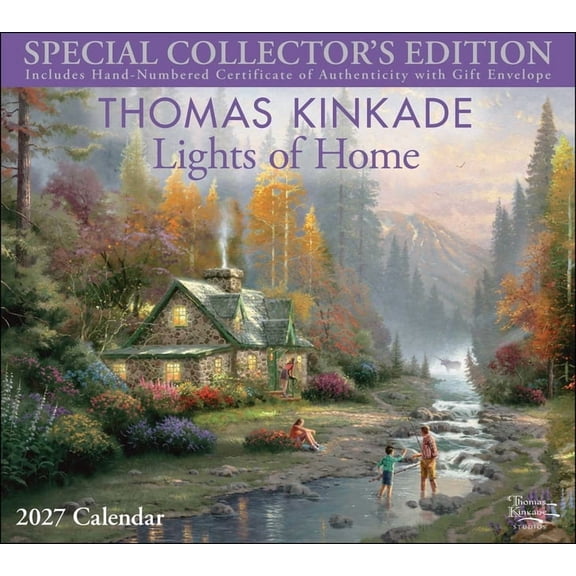
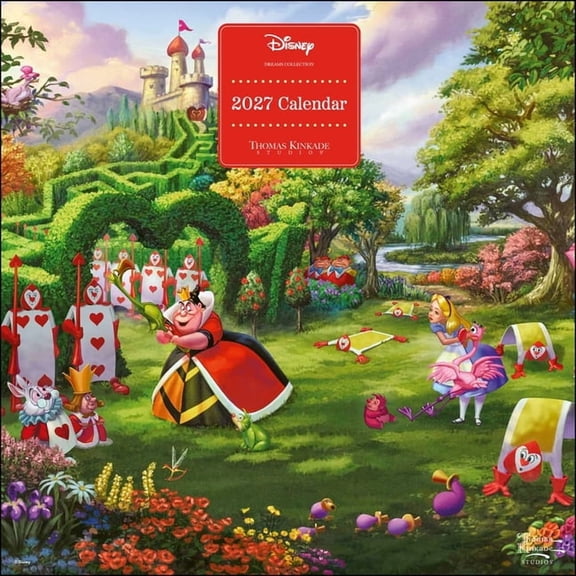
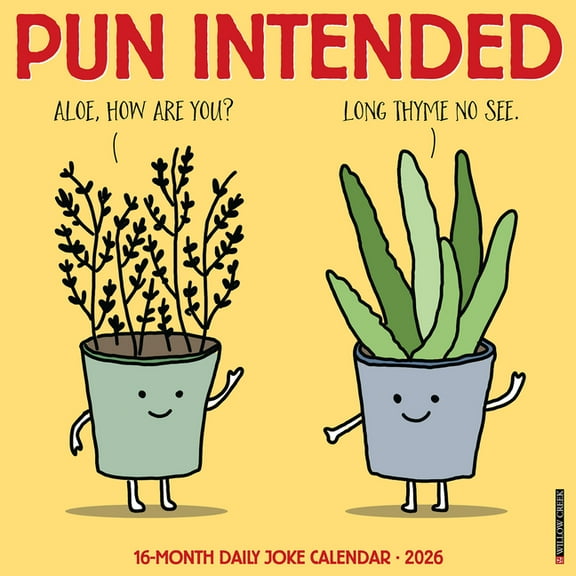
You may want calendars that fit the look of your office, kitchen, dorm, or study area. You can compare floral, minimalist, scenic, and animal themes to suit your room.
A minimalist design can help you keep the page clean and easy to scan. A scenic or floral design can add visual interest while still keeping dates easy to read.
If you share the calendar with others, you may want bold numbers and uncluttered boxes. You can make quick updates when the dates stay clear from a distance.
How you might use calendars every day
You can use calendars for class schedules, meal plans, project timelines, and family activities. You may also pair a monthly planner with a daily calendar for broader planning.
At work, you might use desk calendars to track meetings, follow-ups, and billing cycles. At home, you may prefer wall calendars for birthdays, chores, and school events.
If you shop for students, you should compare academic calendars with weekly note space. You can align semester dates, assignment deadlines, and breaks without rewriting your system.
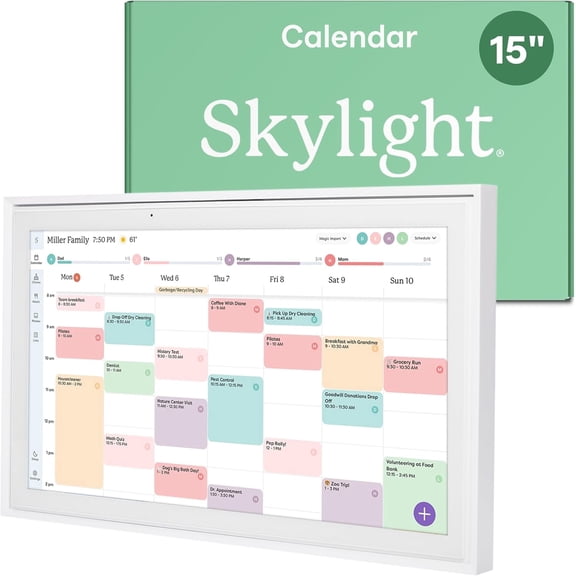
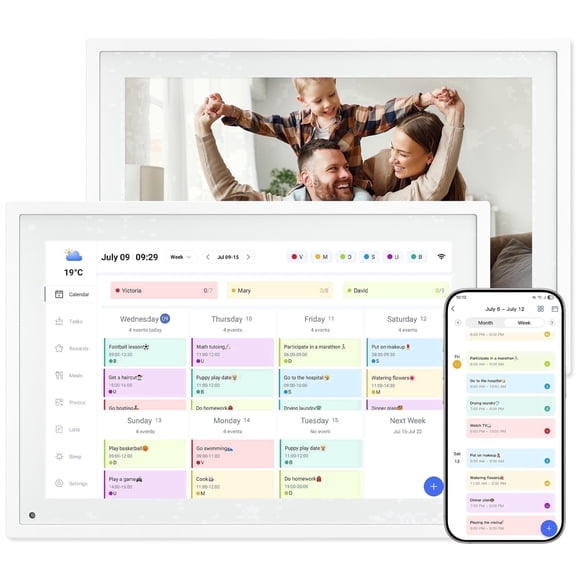
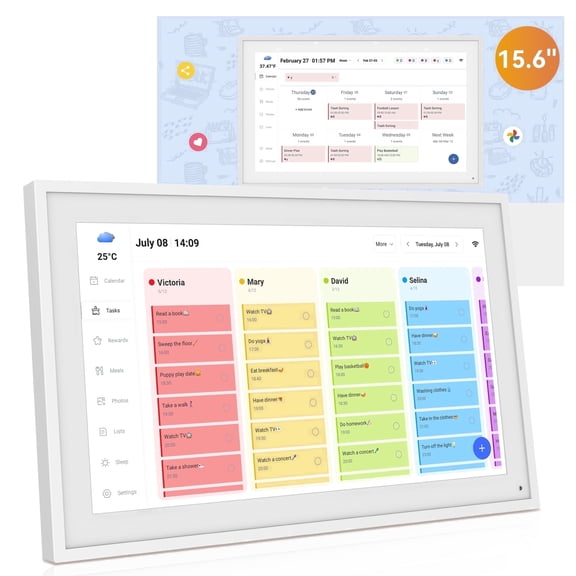
For shared households, you may want larger calendars with roomy date blocks and simple layouts. You can assign activities, write reminders, and keep everyone on the same page.
Seasonal planning also matters when you shop early for 2025 calendars or yearly calendars. You can set up future travel, work goals, and school deadlines before the year begins.
With the right format, timeframe, and layout, you can keep your plans visible and your days easier to manage. You can choose calendars that support clear scheduling, readable notes, and steady organization through the year.