

Walmart Custom
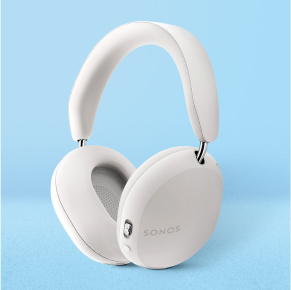
Headphones by Brand
- Apple Airpods
- Beats by Dr. Dre
- Sony Headphones
- JLab Headphones
- onn. Headphones
- JBL Headphones
- Skullcandy Headphones
- JVC Headphones
- Samsung Headphones
- Senheiser Headphones
- Soundcore by Anker Headphones
- LG Headphones
- Panasonic Headphones
- Jabra Headphones
- Shokz Headphones
- Bose Headphones
- Sonos Headphones



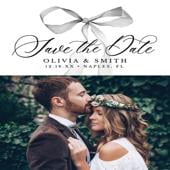
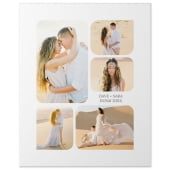



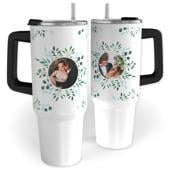
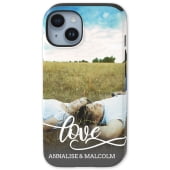
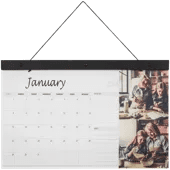
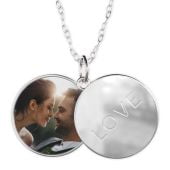
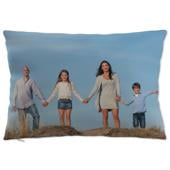
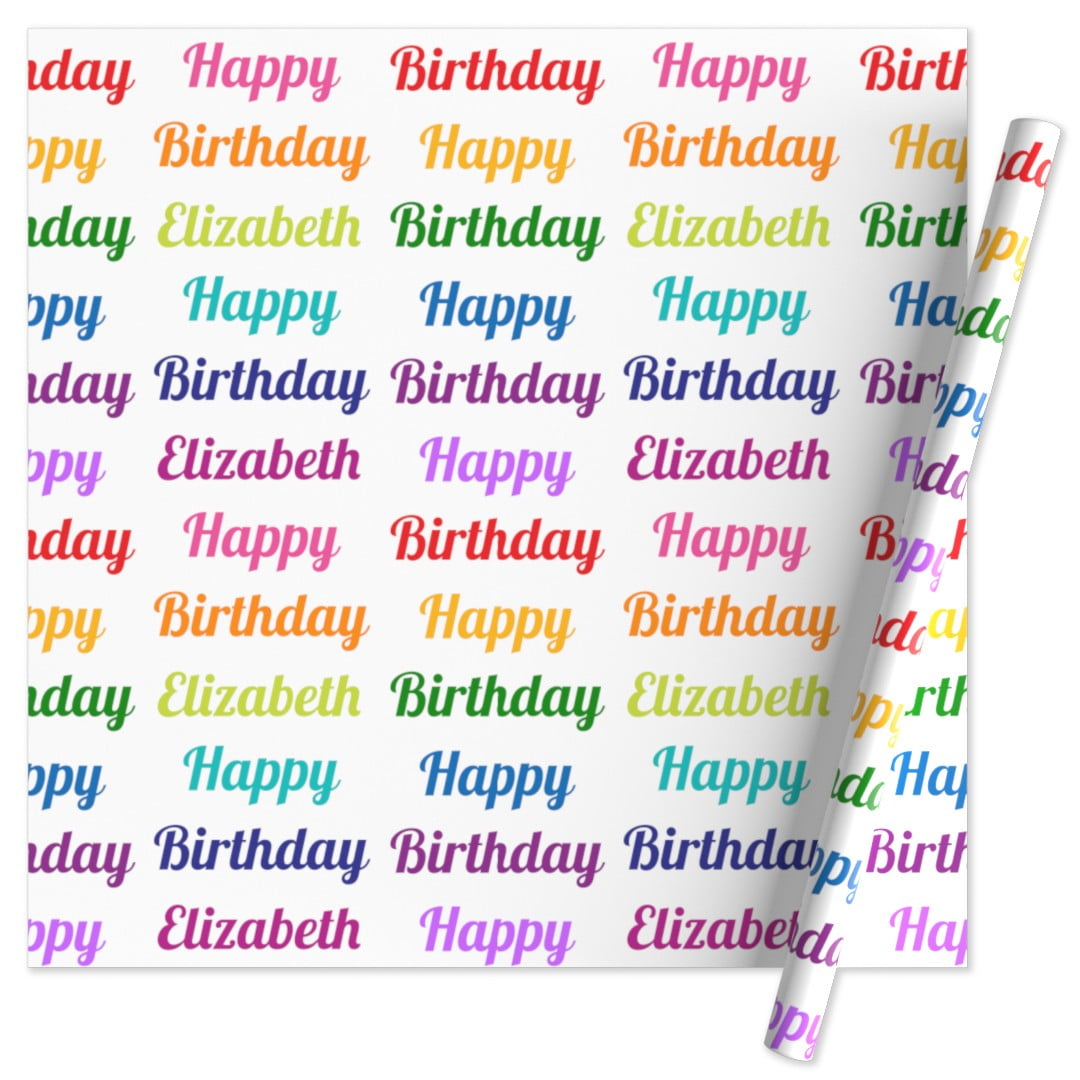

Custom Photo New Arrivals































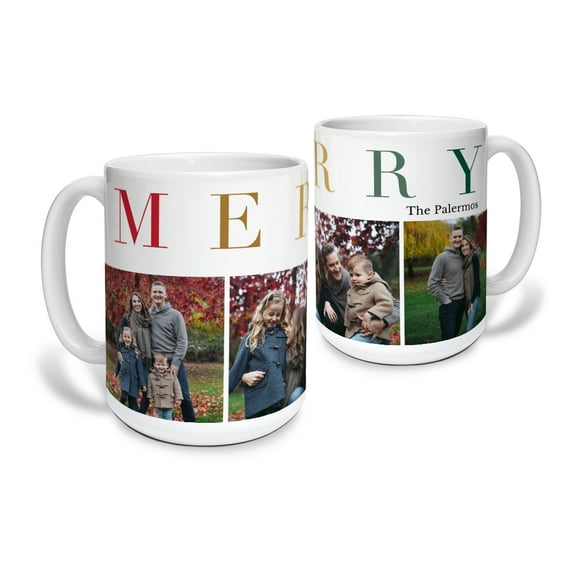
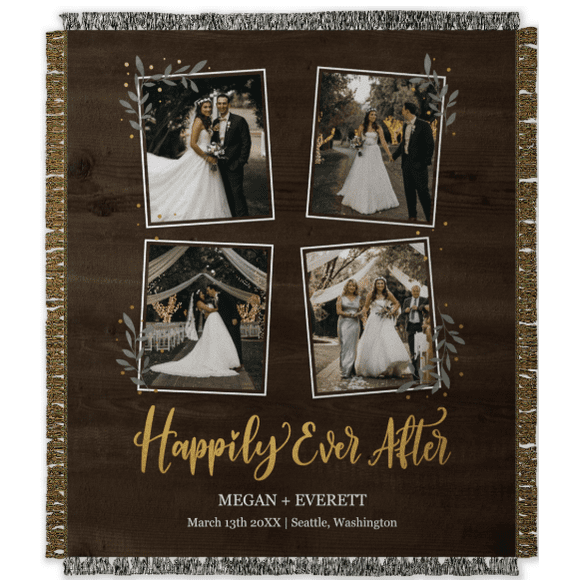

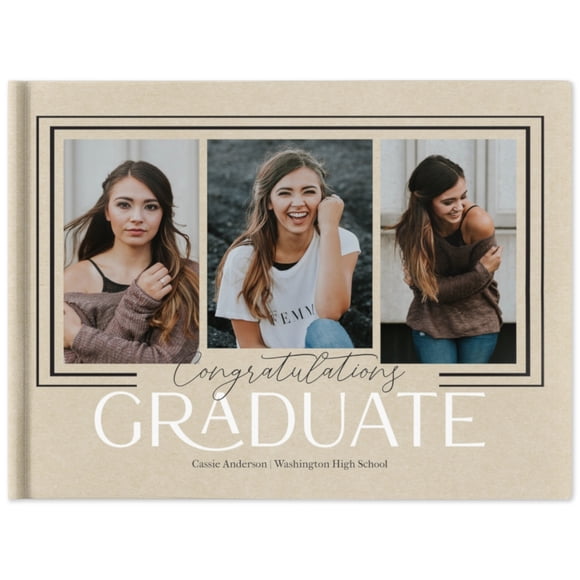




FAQ
About Walmart Custom - Walmart.com
Custom items help you turn everyday products into personalized gifts for events, teams, and everyday use. You can compare customization types, materials, and occasions in one place, so your order feels intentional from the start.
How to choose custom items for your project
When you shop custom items, you should first decide how your design can appear on the product. You can compare engraved, embroidered, printed, and monogrammed options based on the look you want.
Engraved styles give your order a clean, lasting look on materials like leather or hard plastic. Embroidered details add texture to apparel and labels, while printed designs help you show photos, logos, or colorful artwork.
Monogrammed options work well when you want initials or names to feel polished and personal. You can use that approach for weddings, birthdays, holidays, or office gifting that needs a tailored touch.
Key differences between personalized labels, apparel, and tech
You should match the product category to how you can use the item after customization. Apparel, electronics, home decor, and labels each support different design goals and different kinds of messages.
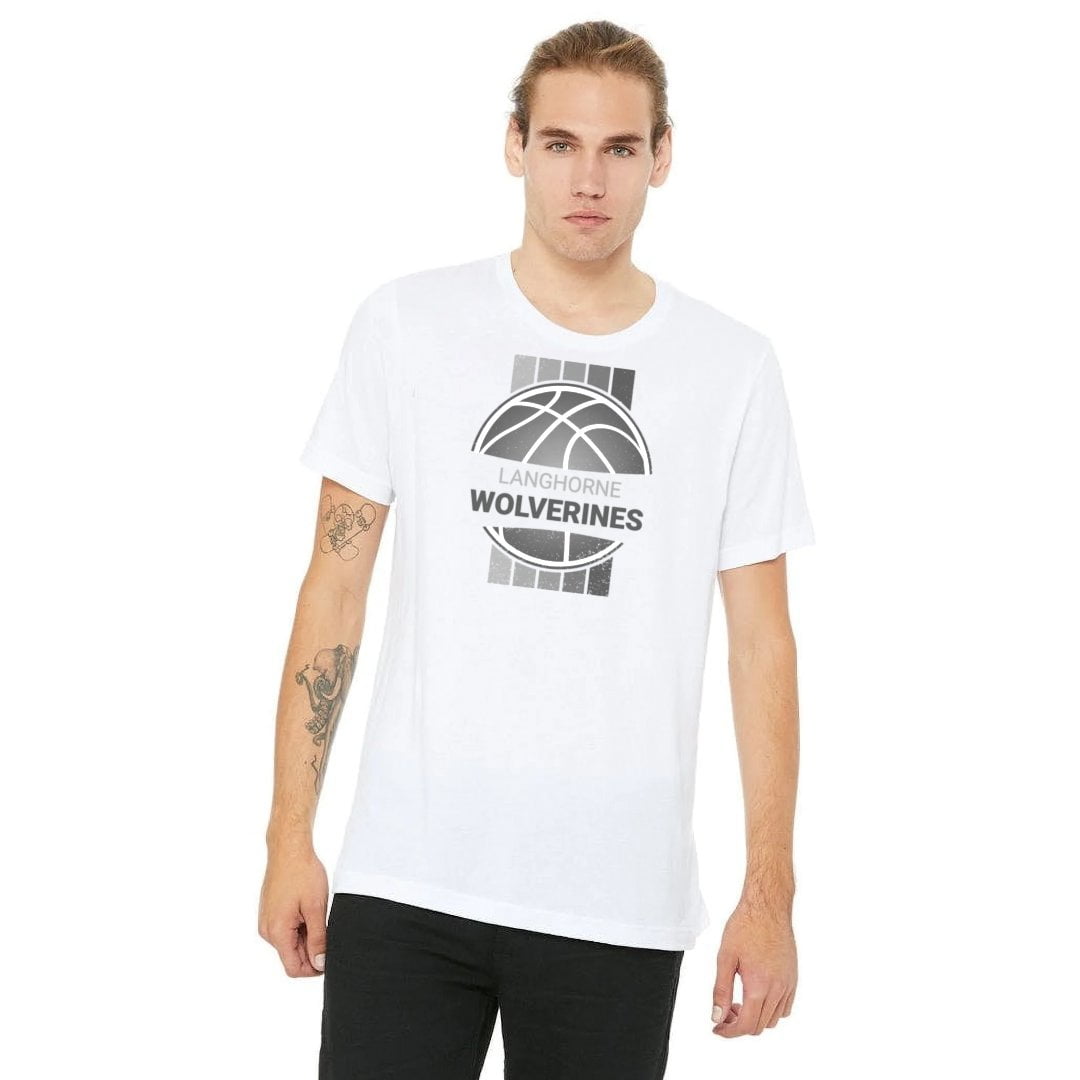
- You can use custom apparel for team events, reunions, and branded staff wear.
- You can choose personalized labels when names, ownership, or handmade branding matter.
- You can pick home decor when you want keepsakes, display pieces, or seasonal accents.
- You can select tech accessories like custom speakers or custom camera straps for practical gifts with personality.
With apparel, you should consider placement, fabric feel, and whether your design needs stitching or print detail. With electronics, you should check available imprint areas and keep your artwork simple and readable.
For home decor, you may want names, dates, or short messages that fit the room and occasion. For labels, you should think about font size, spacing, and how often you handle the label.
What to look for in materials and finish
You should compare materials early because they affect appearance, feel, and daily use. Cotton works well for soft apparel, while canvas often suits totes, patches, and sturdy printed surfaces.
Leather can give your custom items a classic look for tags, straps, and engraved accents. Plastic may suit labels, cases, and accessories when you want a smooth surface for printed or etched details.
You should also think about how your chosen finish works with each material. Embroidery stands out on cotton and canvas, while engraving often looks crisp on leather and select hard surfaces.
If your design includes small text, you should check whether the material supports clear readability. If your design uses a photo or many colors, you may prefer printed formats that show more visual detail.
How to review artwork, file setup, and preview details
You should upload artwork that looks clear before you personalize any item. Higher image resolution usually gives you cleaner results, especially when you add photos, logos, or small design elements.
You should check accepted file types before you begin, since some custom pages support common image or design formats. A simple preview can help you confirm placement, spacing, and text before production starts.
If you want sharp text, you should keep your wording short and easy to read. If you plan to use a logo, you should review edges, contrast, and background space in the preview window.
You should also compare the imprint area with your design size before submitting. That step helps you avoid crowded layouts on personalized labels, custom apparel, and smaller tech accessories.
How to match custom items to occasions
You can narrow your options faster when you shop by occasion instead of by product alone. Weddings often suit monogrammed keepsakes, embroidered apparel, and personalized labels for favors or welcome bags.
For corporate events, you may want custom apparel, custom speakers, or branded accessories with logos and clean text. For birthdays, you can use printed graphics, names, and bright colors that feel playful and personal.
Holiday gifting often works well with home decor, engraved accents, or custom camera straps for hobby-focused presents. You should choose items that fit how the recipient can use them, not just how they look online.
If you run a small business, you can use personalized labels to strengthen packaging and handmade presentation. If you plan a group event, you can coordinate colors, names, and materials across several product types.
What to know about production times and personalized order policies
You should review production timing before you finalize your design, especially for event dates and group orders. Personalized items often need extra time because your text, image, or layout needs preparation before shipping.
You should look for clear timing details on the product page so your schedule stays realistic. If your design needs approval or careful placement, you may want extra lead time for peace of mind.
You should also read the return policy for personalized goods before ordering. Because your item includes your chosen name, message, or artwork, return rules may differ from non-personalized products.
That policy matters most when you order for weddings, business events, or holiday deadlines. When you confirm details carefully, you reduce edits and help your order move through production smoothly.
With custom items, you can create gifts, event pieces, and branded products that reflect your exact message. When you compare customization type, material, and timing carefully, you get a finished piece that feels personal and ready to use.