


Weight Benches in Home Gyms





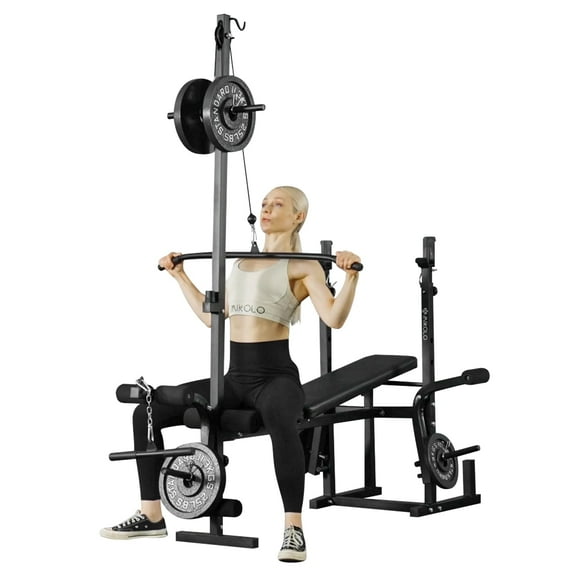


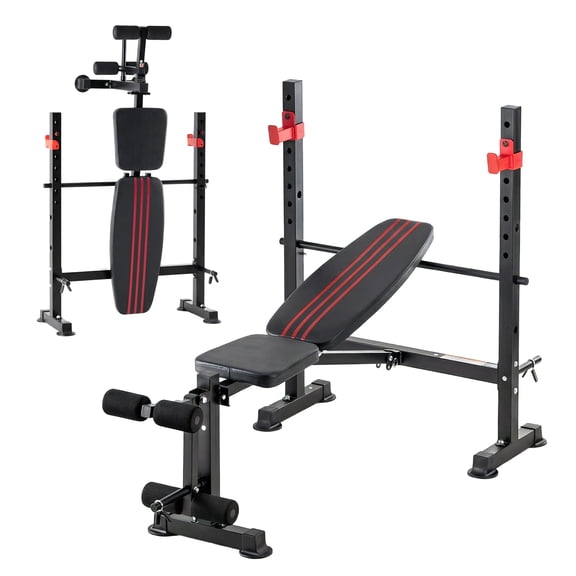



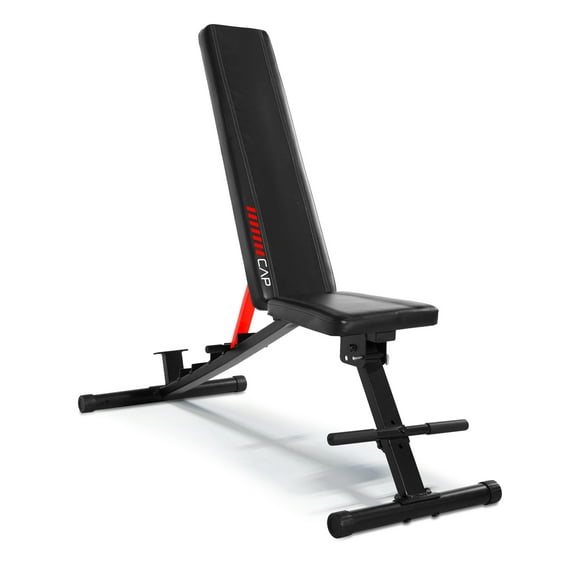

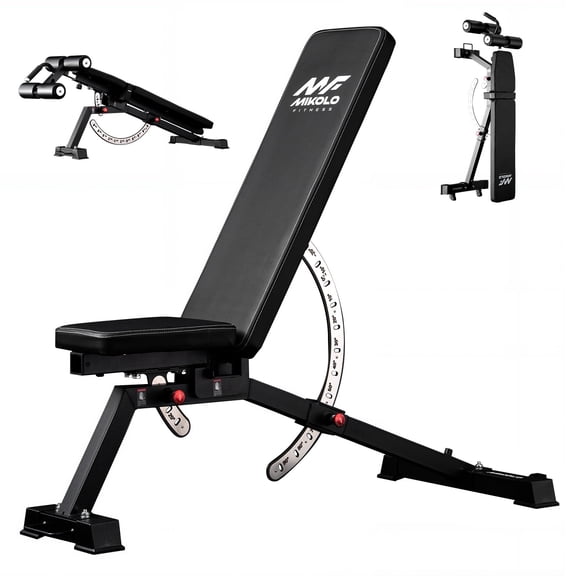
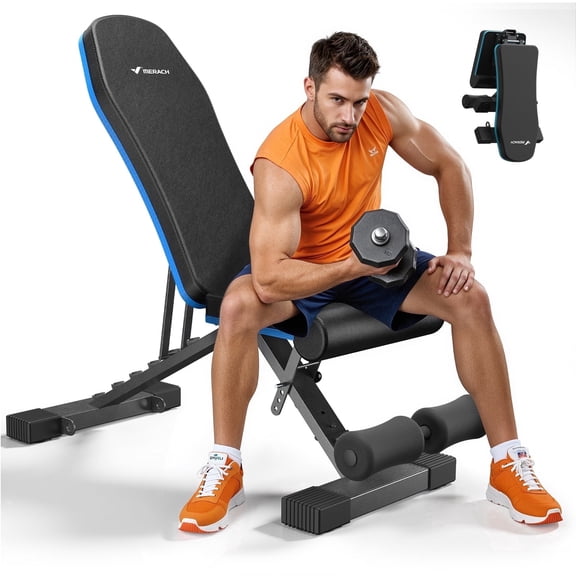

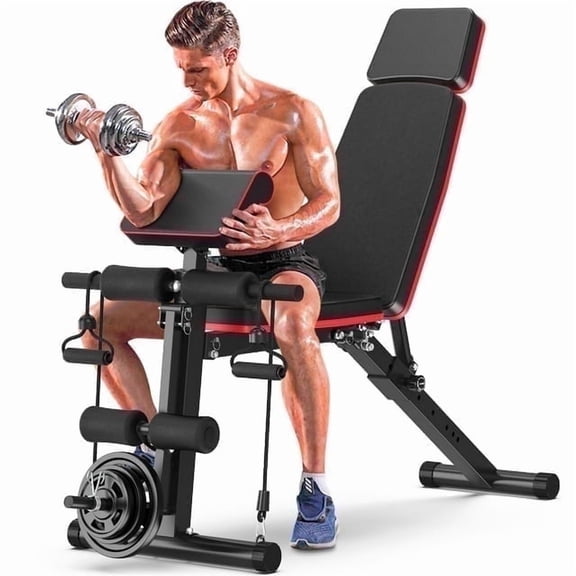


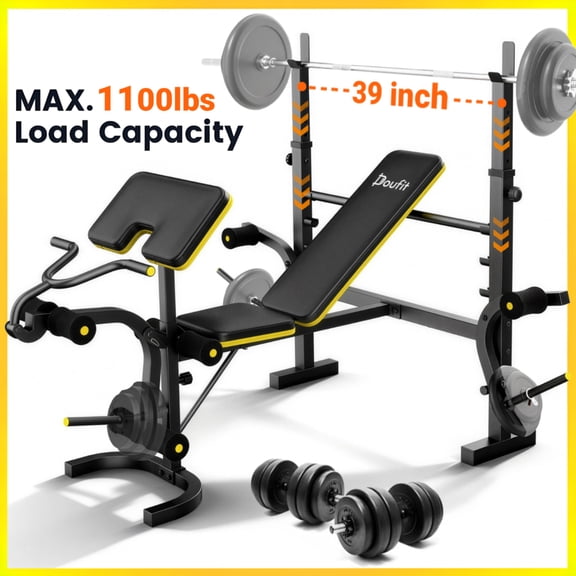
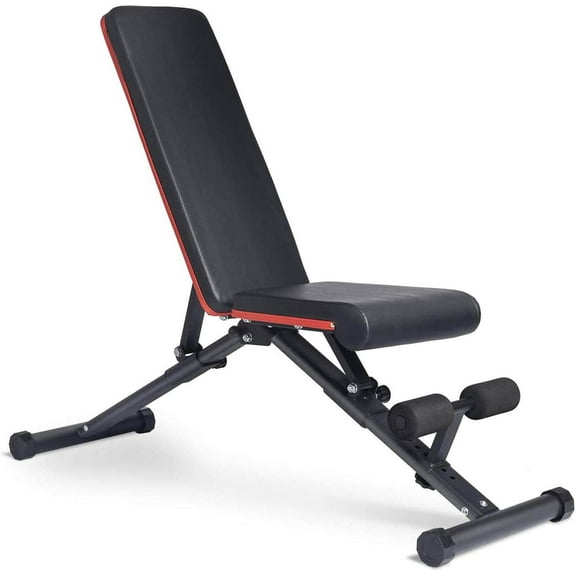





















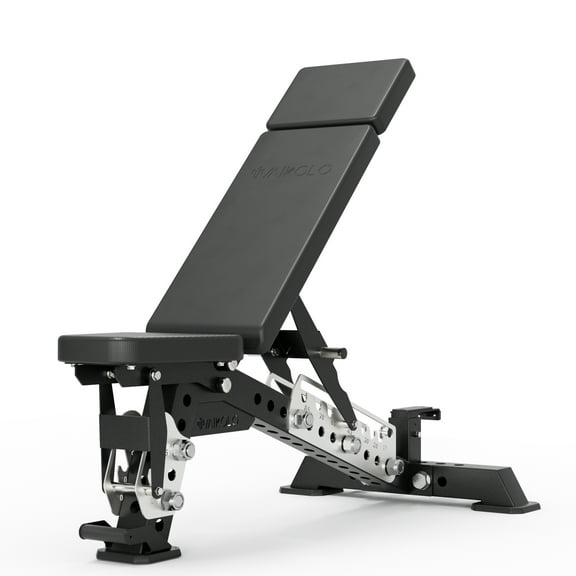
About Weight Benches in Home Gyms - Walmart.com
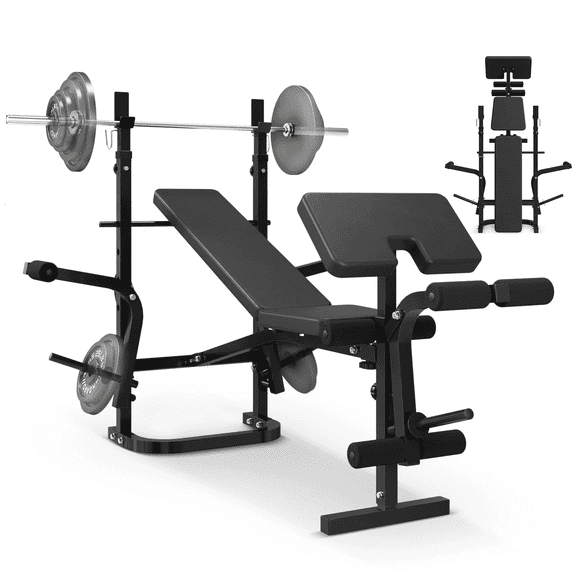
Weight benches help you set up a home gym for presses, rows, and core work. You can compare bench type, capacity, adjustment range, and storage design to match your training style.
How to choose weight benches for your space
When you shop weight benches, you should start with how you train and where you place your bench. You may want a fixed frame for steady setups or a folding design for shared rooms.
Your room size matters because a long bench changes how you move around racks, dumbbells, and flooring. You should measure your open workout area and your storage area before you choose.
You can also compare padding thickness and cover material when comfort matters during longer sets. Your bench surface should feel supportive without shifting when you press or row.
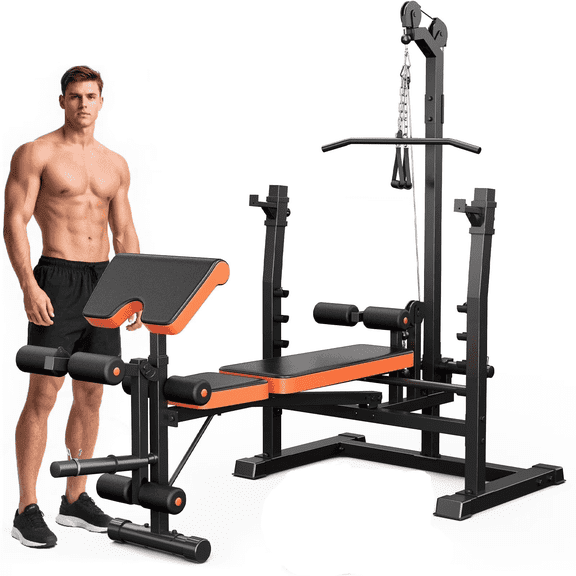
- You can use adjustable designs for incline, decline, flat, and shoulder-focused positions.
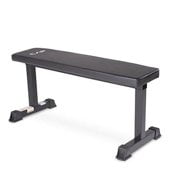
- You can choose flat styles when your routine centers on presses, flyes, and simple strength work.
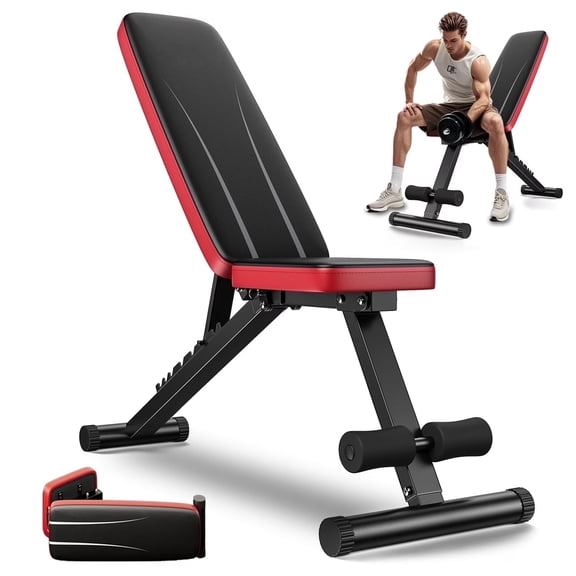
- You can pick folding frames when your workout area doubles as a bedroom, office, or garage bay.
- You should check total capacity ratings to match your body weight and the weight you lift.
Choosing an adjustable weight bench or flat weight bench
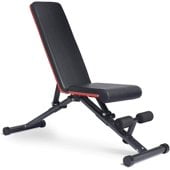
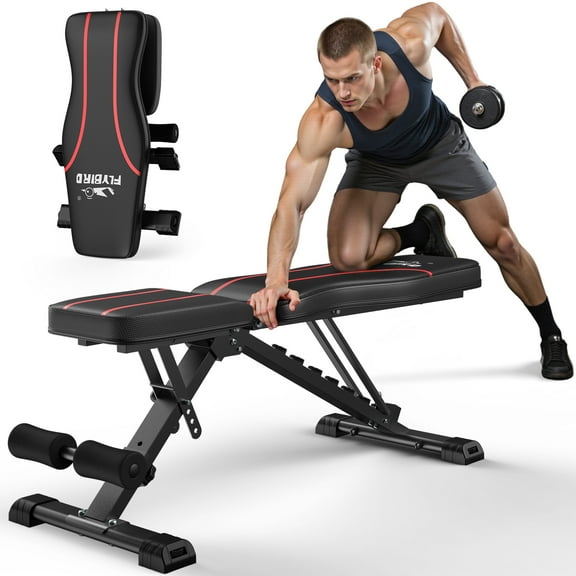
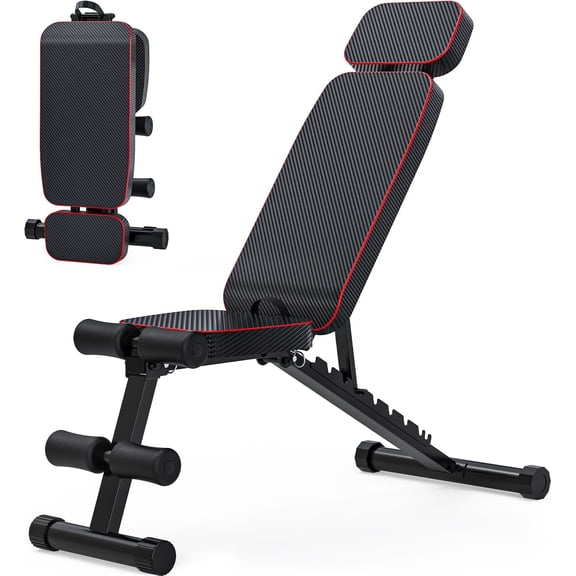
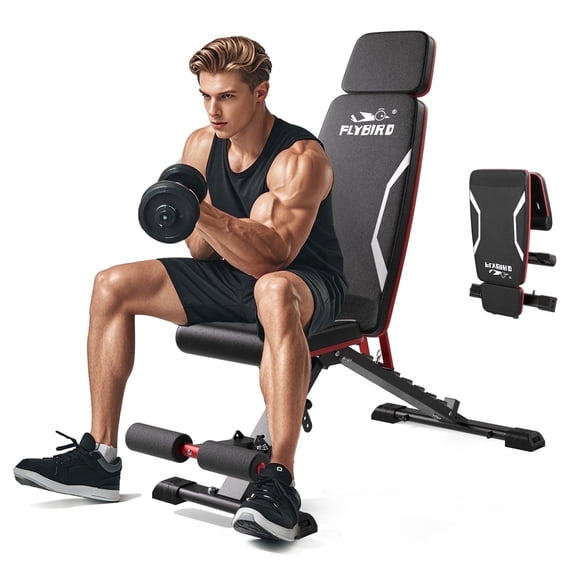
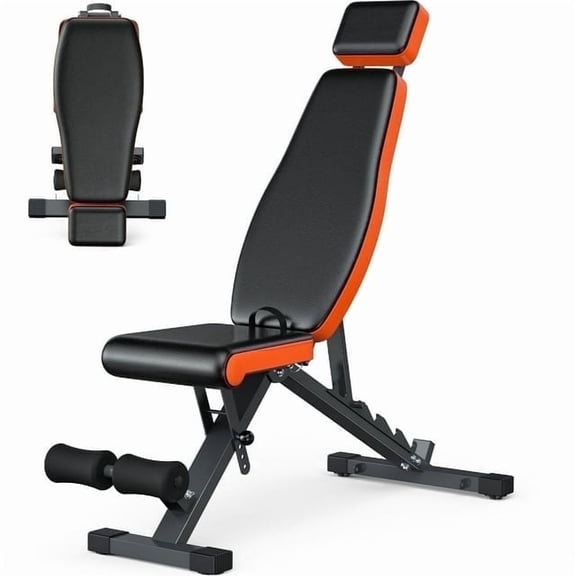
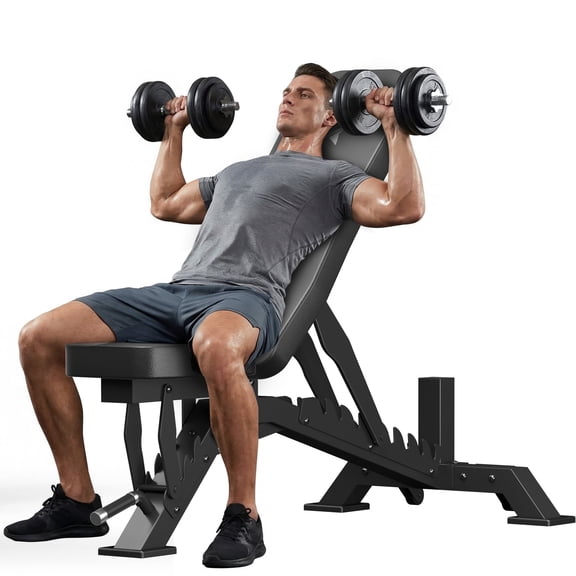
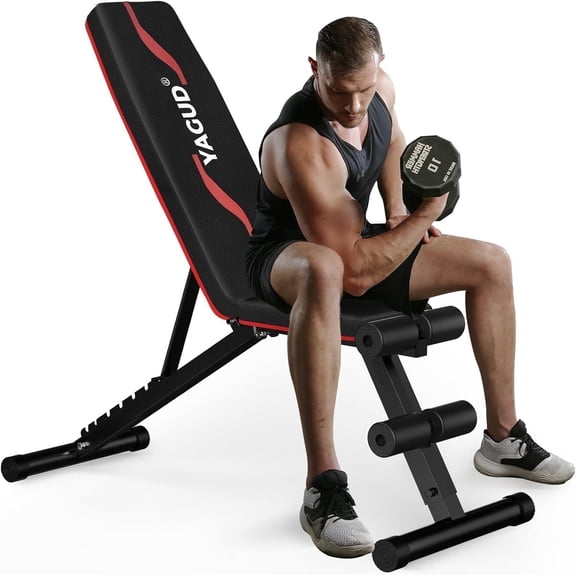
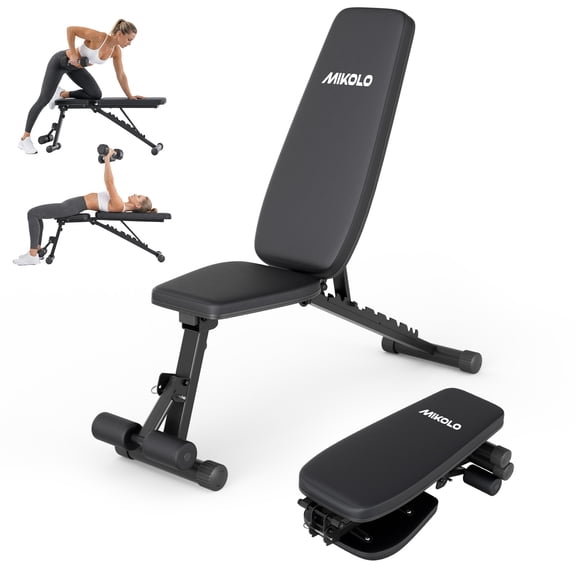
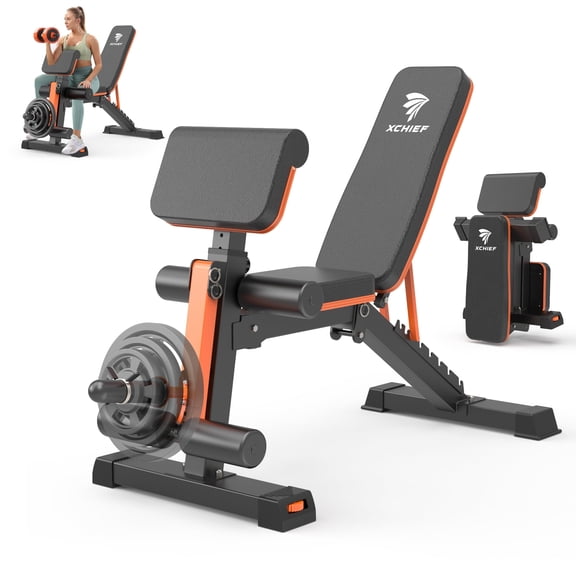
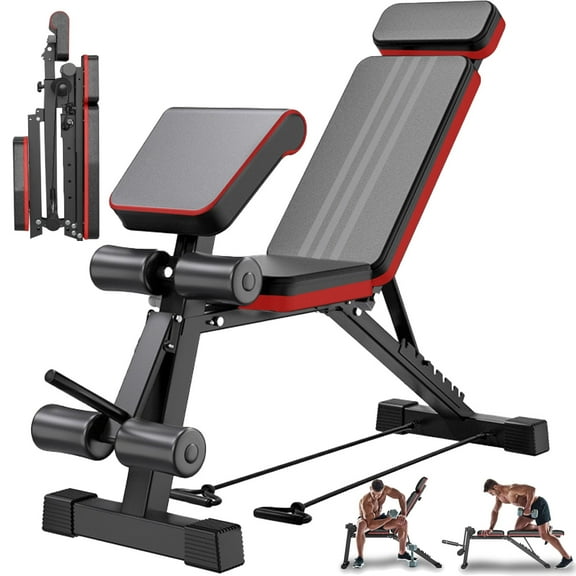
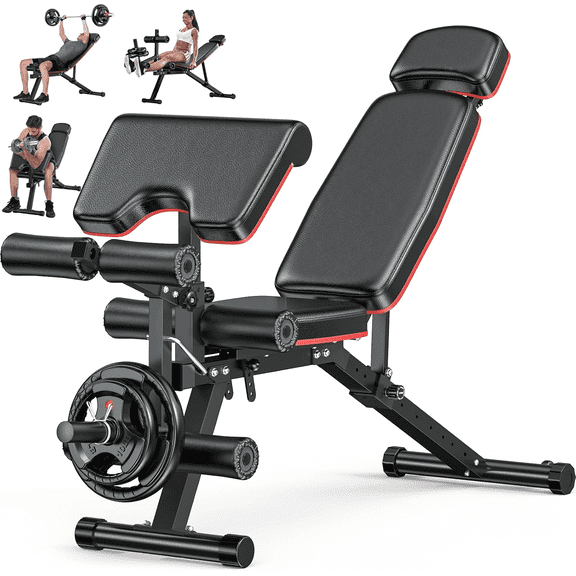
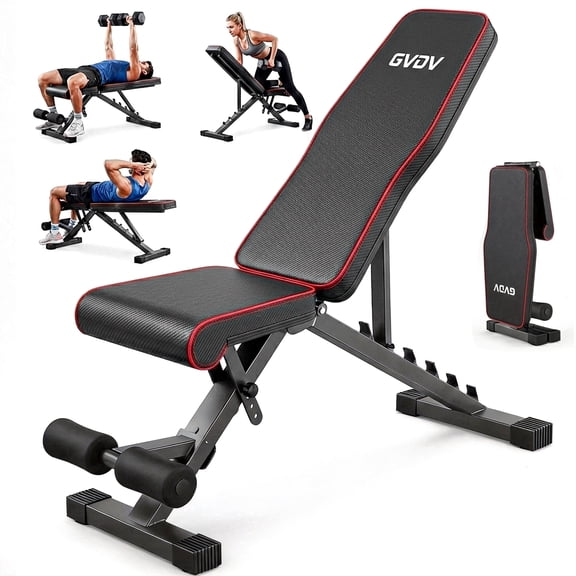
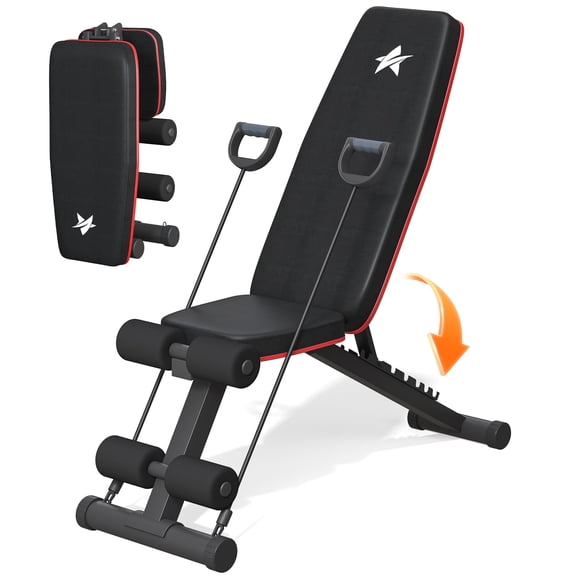
An adjustable weight bench gives you added exercise variety in one footprint. You can move from flat presses to incline dumbbell work without changing stations.
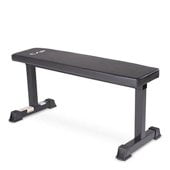
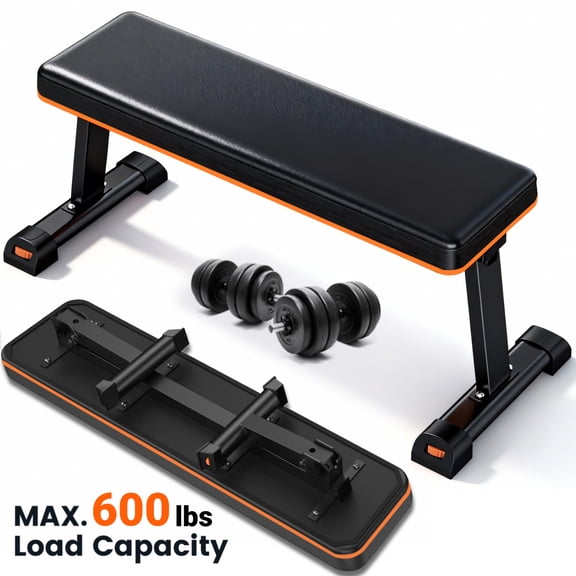
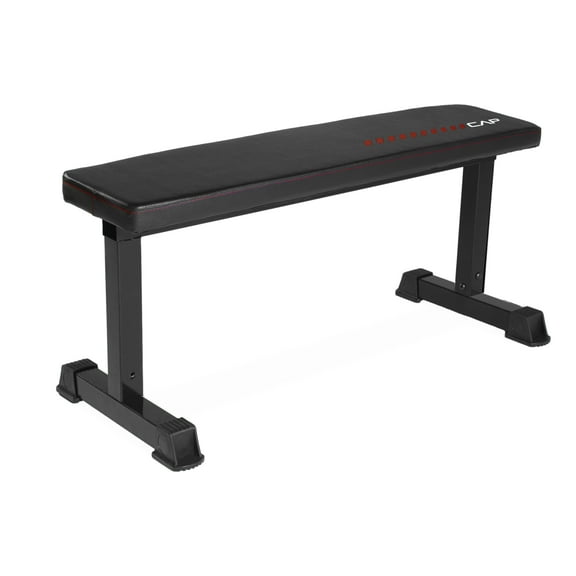
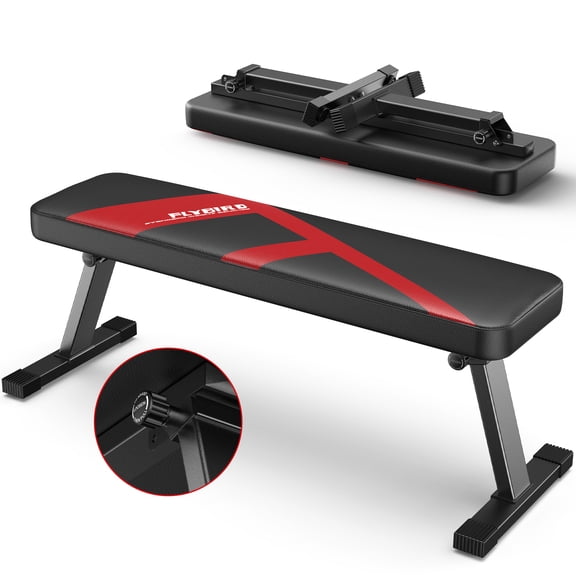
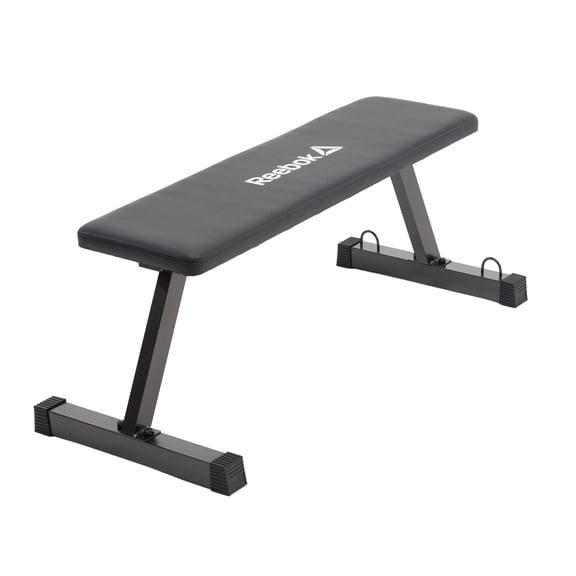
A flat weight bench keeps your setup simple and consistent for foundational lifts. You may prefer that steady surface when your workouts focus on presses, step-ups, and dumbbell rows.
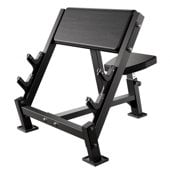
If you train shoulders often, you should compare benches with military or upright back positions. You can use those angles for seated presses and controlled arm work.
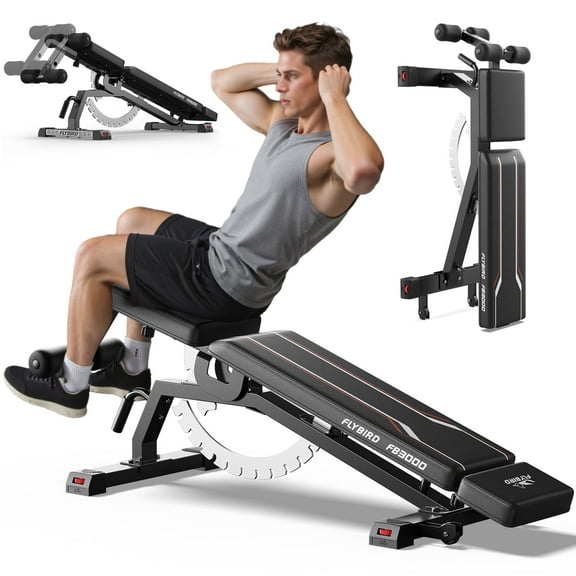
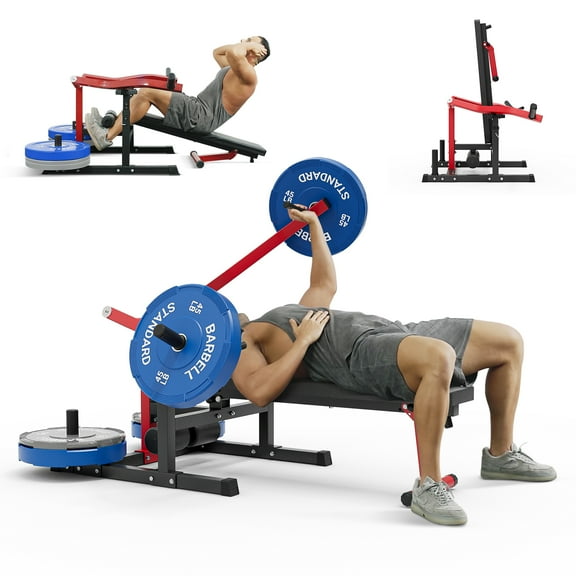
For ab work and decline pressing, you may want an incline decline bench with several lock points. You should look for easy-to-read adjustment ladders or pop-pin settings.
What to look for in weight capacity and frame design
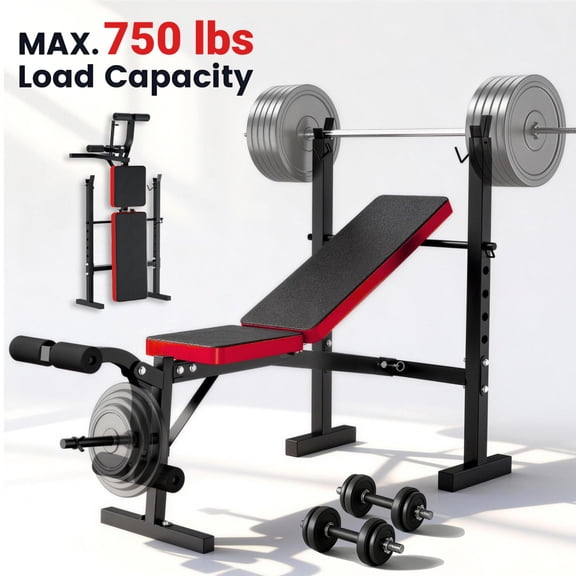
Your total capacity rating is a key decision point because it combines your body weight and lifted weight. You should leave room for progression instead of choosing only for your current routine.
If you lift moderate dumbbells, you may compare benches rated around 300 lbs or 500 lbs. If you train heavier, you should consider a heavy duty weight bench rated 800 lbs or higher.
You can also compare steel frame shapes, base width, and rear support placement for a steady feel. Your bench should stay planted during presses, split squats, and hip thrust setups.
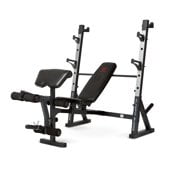
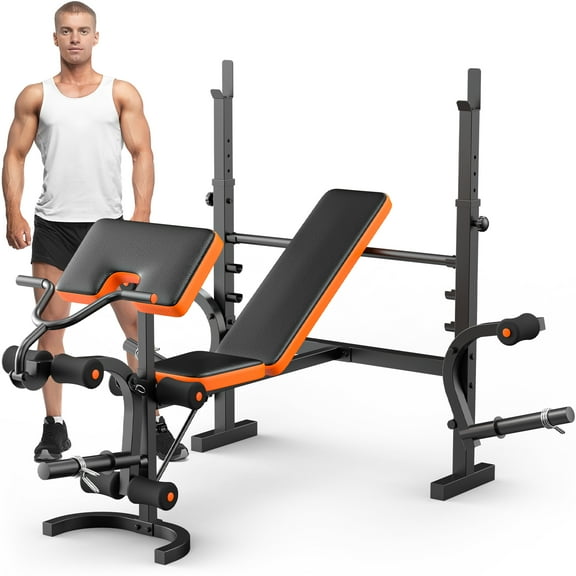
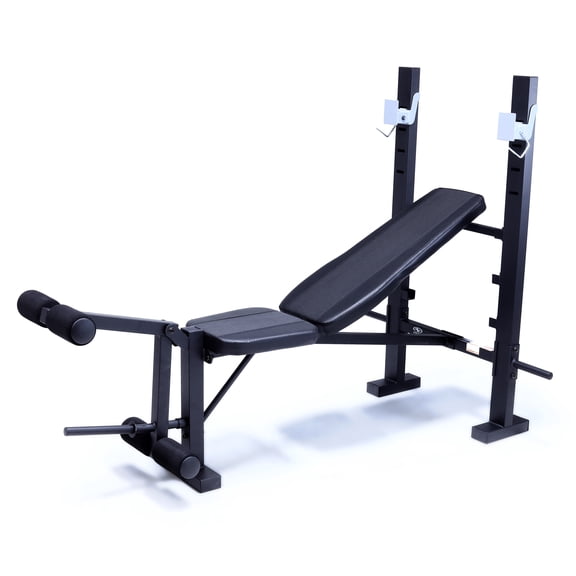
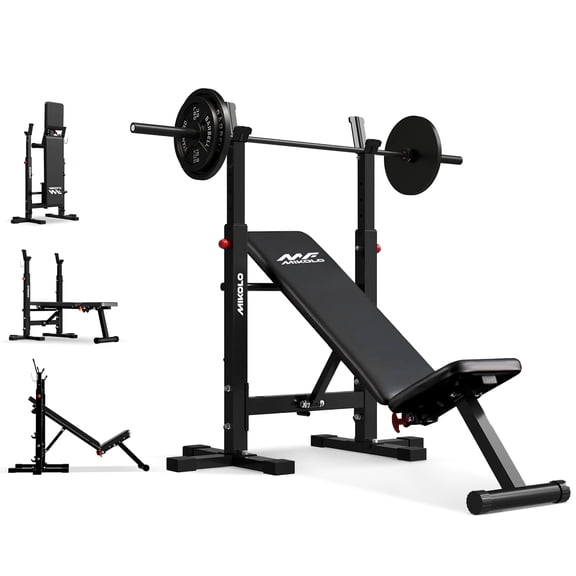
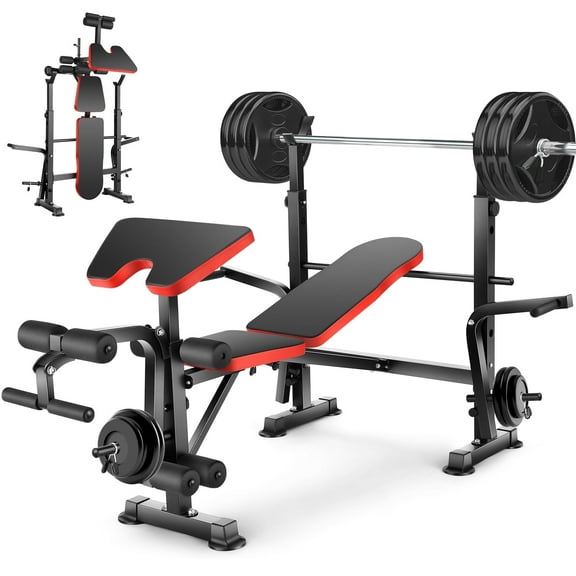
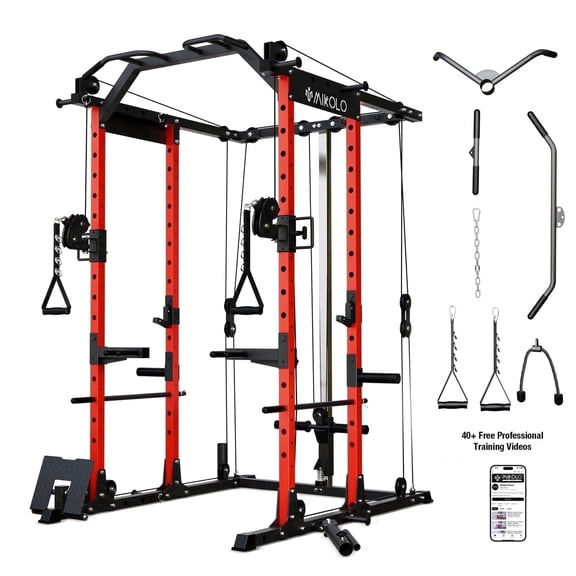
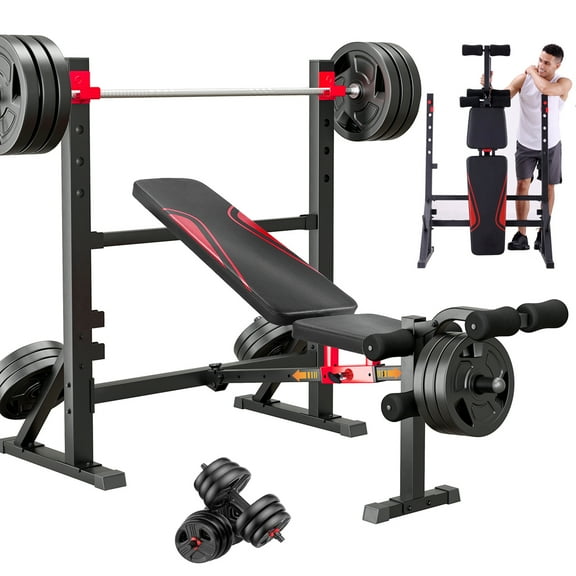
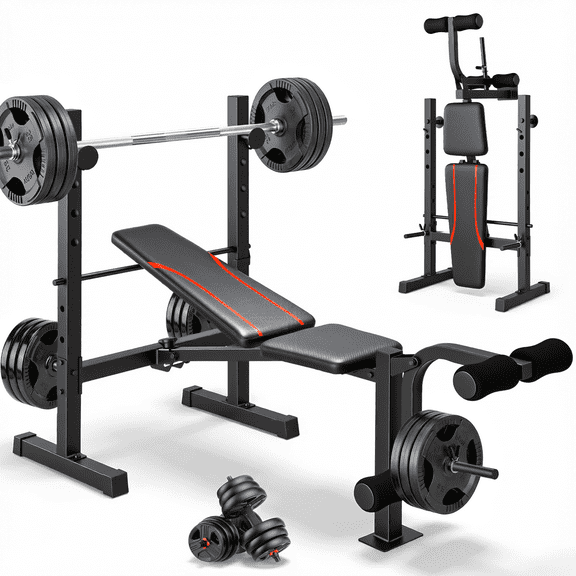
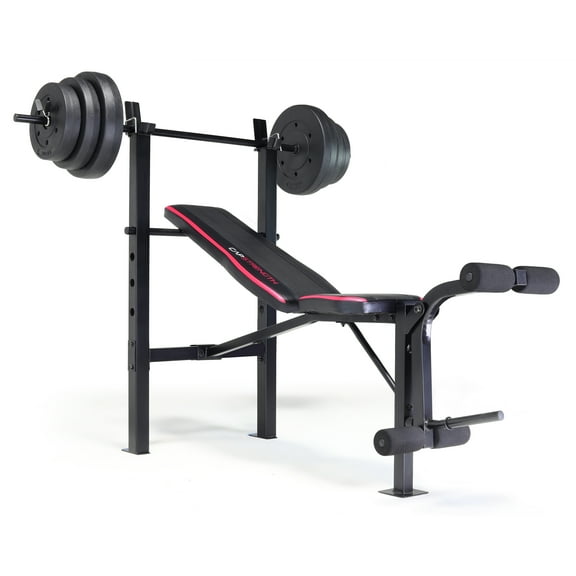
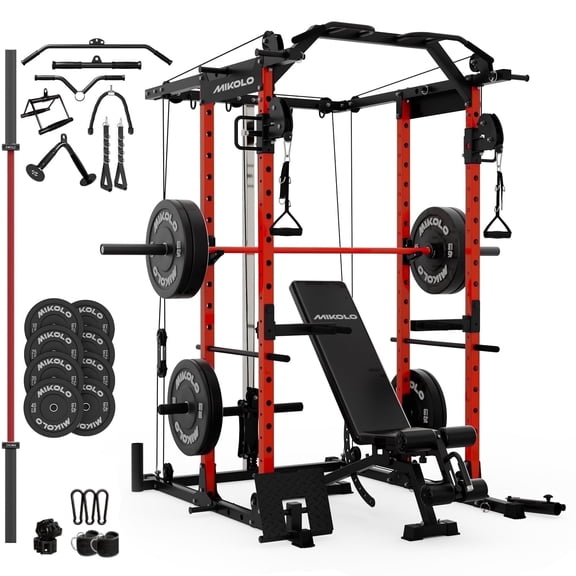
Olympic bench styles can help you pair a bench with a bar holder setup for chest-focused training. You should confirm whether you want a standalone utility bench or an olympic format.
Comparing incline decline bench positions
Your adjustment range affects how many movements you can do without extra equipment. You can use flat positions for presses, incline positions for upper chest work, and decline positions for varied angles.
Multiple adjustment points can help you fine-tune comfort and form across different lifts. You should compare seat settings too, because a stable seat can reduce sliding during pressing movements.
If you share equipment, you may appreciate quick angle changes between users and workouts. You can move faster through circuits when the back pad locks in place smoothly.
Your workout bench should also support controlled transitions between exercises in smaller spaces. You can keep one station active for dumbbells, resistance bands, and bodyweight training.
Deciding on a folding weight bench and storage design
A folding weight bench makes sense when your training area changes throughout the day. You can fold some designs after use and reclaim floor space in apartments or multipurpose rooms.
Compact frames help when you need shorter overall length or convenient placement beside storage shelves. You may also want wheels if you move your bench between a rack, wall, and closet.
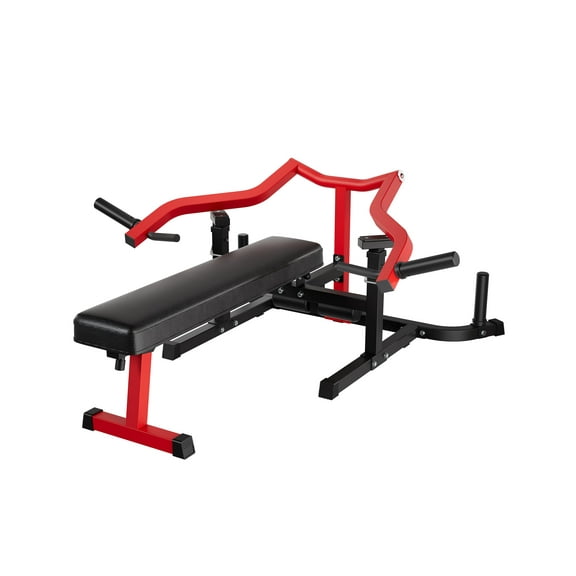
Fixed benches can suit dedicated gyms where your layout stays set all week. You can leave your bench in place for faster transitions between presses, rows, and bench-supported leg work.
If your home gym lives in a garage, you should compare folded dimensions as closely as open dimensions. You can avoid awkward storage by checking height, width, and wheel placement.
Matching bench features to your training routine
You may want thicker padding for longer sessions with presses, pullover work, and seated movements. You should also compare cover material for simple wipe-downs and daily wear resistance.
A home gym weight bench can support beginner routines and advanced split training alike. You can use one bench for chest day, shoulder day, arm accessories, and core circuits.
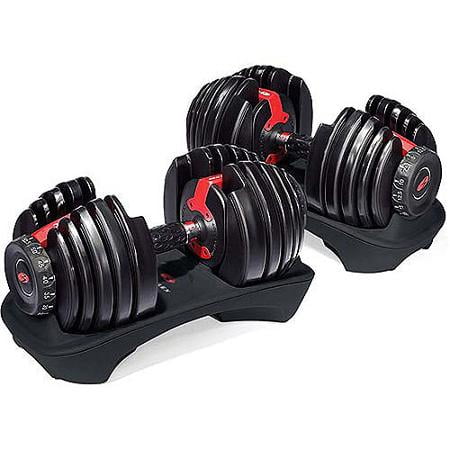
If you train with dumbbells, you may want a utility bench that moves easily around your floor plan. You can pair your bench with dumbbells, barbells, squat racks, and other home gyms gear.
When you choose by bench type, capacity, adjustment positions, and storage design, your setup becomes simpler to use every week. You can train with more consistency and make efficient use of your home gym space.