

Yoga Accessories & Yoga Gear





























About Yoga Accessories & Yoga Gear - Walmart.com
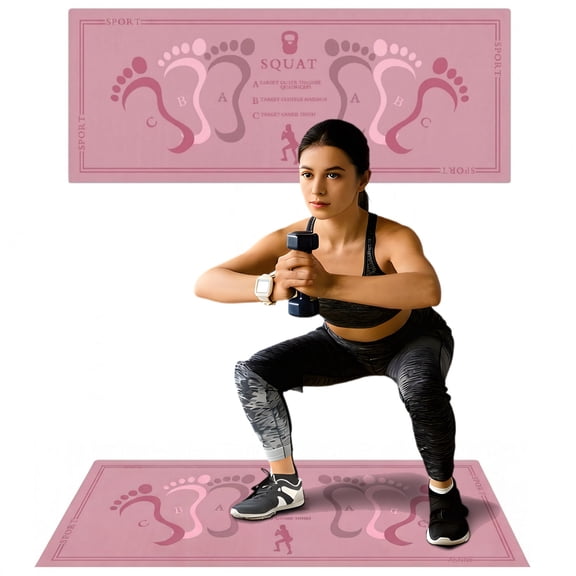
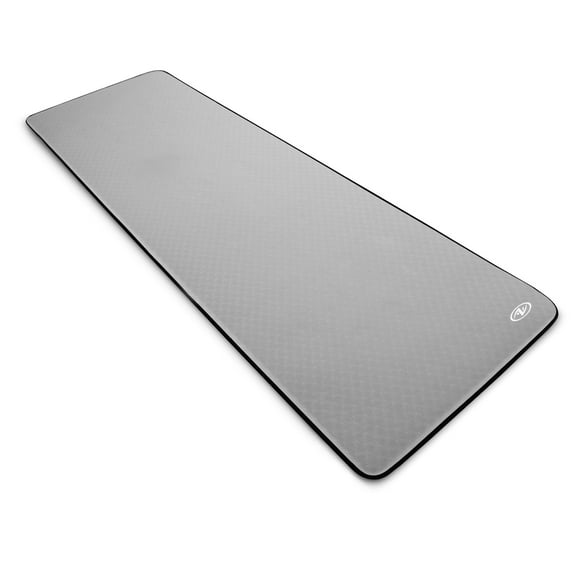
You can build a steadier routine with yoga mats that match your space, practice style, and comfort needs. You’ll find options for home flows, studio classes, and floor workouts in materials, textures, and thicknesses that suit your movement.
How to choose yoga mats for your practice
When you compare yoga mats, you’ll want to start with thickness, grip, material, and portability. You can use those four choices to narrow options quickly and avoid a mat that feels awkward in class.
If you practice balance poses often, you’ll usually prefer a thinner surface with closer floor contact. If you kneel often, you may prefer thick yoga mats that add more cushion under knees and wrists.
- You can use thinner mats for firmer footing during standing poses and transitions.
- You can choose thicker cushioning for floor work, stretching, and longer recovery sessions.
- You can look for textured surfaces when you want more grip during faster flows.
- You can compare materials like TPE, cork, rubber, PVC, and jute by feel and care needs.
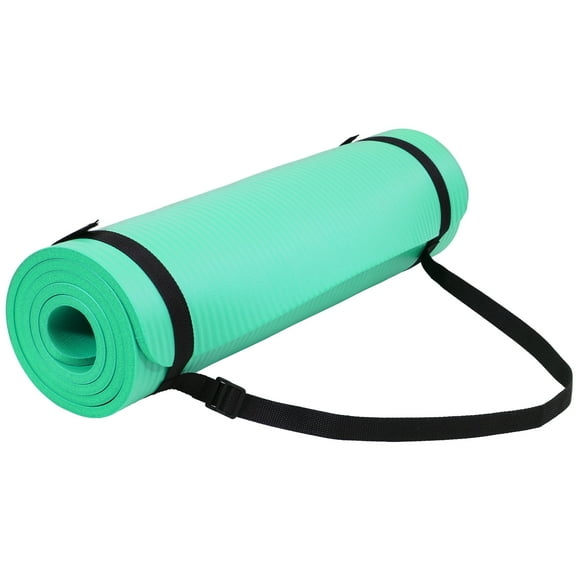
- You can pick travel yoga mats or strap-ready designs when you commute to class.
Because your routine may change through the week, you may want one mat for stability and another for comfort. You’ll notice that exercise mats in this category cover yoga, Pilates, mobility work, and bodyweight sessions.
Choosing the right thickness: thick yoga mats and thin mats
You should measure thickness first because it changes how your mat feels under every pose. You’ll usually see options like 1/8 inch, 1/4 inch, 1/2 inch, and ultra-thick designs.
If you want a grounded feel, you may lean toward 1/8 inch mats for balance work. If your knees need more padding during lunges, you may prefer 1/4 inch or 1/2 inch mats.
Ultra-thick styles can suit gentle stretching, meditation, and floor-based routines in your home gym. You may notice that extra cushioning can feel softer, which can affect your footing in tree pose.
For mixed routines, you can compare how often you stand, kneel, or lie down during practice. You’ll make a smarter choice when you match thickness to your most common movements, not just your first class.
Comparing non slip yoga mats by texture and moisture handling
You should check surface texture carefully because grip can change your confidence during fast transitions. You’ll often see non slip yoga mats with sticky, ribbed, or double-sided texture patterns.
If you practice hot yoga, you may want to compare open-cell and closed-cell construction. You’ll find that open-cell surfaces tend to absorb more moisture, while closed-cell surfaces usually wipe clean more easily.
When you sweat heavily, you may prefer a texture that keeps your hands from sliding during planks. If you do slower sessions, you may focus more on overall feel and easier cleanup.
Cork yoga mats can appeal to you when you want a natural-feeling surface with steady traction. Rubber mats can also feel dense and grounded, which may help you stay planted during stronger flows.
What to look for in eco friendly yoga mats and materials
You can narrow materials by thinking about texture, weight, and how you plan to use your mat. You’ll often compare TPE, rubber, cork, PVC, and jute when shopping eco friendly yoga mats.
If you want a lighter mat, you may start with TPE for easier carrying between home and class. If you want a denser feel, you may prefer rubber for a more anchored practice setup.
Cork can give you a smooth top layer with a distinct feel under bare feet. Jute can offer a textured surface that may suit you if you like a more natural touch.
PVC options can work for you when you want a familiar feel and broad style variety. You should also check whether your mat is latex-free if that detail matters in your household.
Choosing travel yoga mats and portability features
If you carry your gear to class, you should compare weight, foldability, and storage accessories. You’ll find travel yoga mats, lightweight designs, and options with carrying straps for easier commuting.
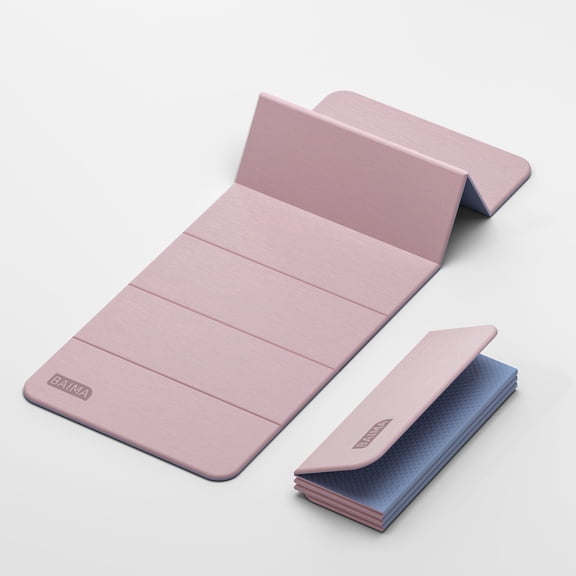
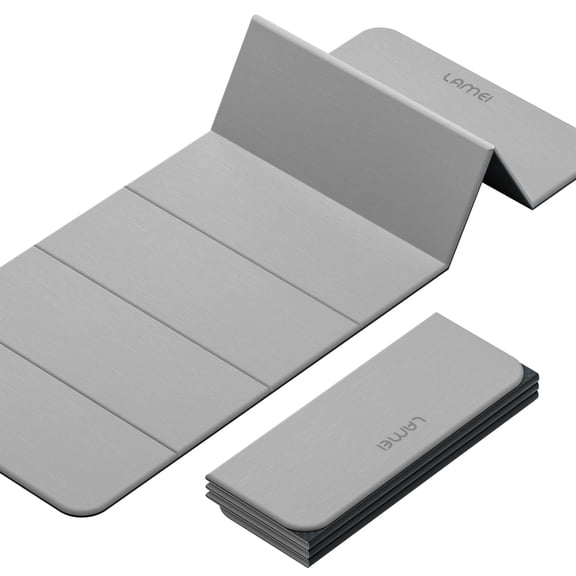
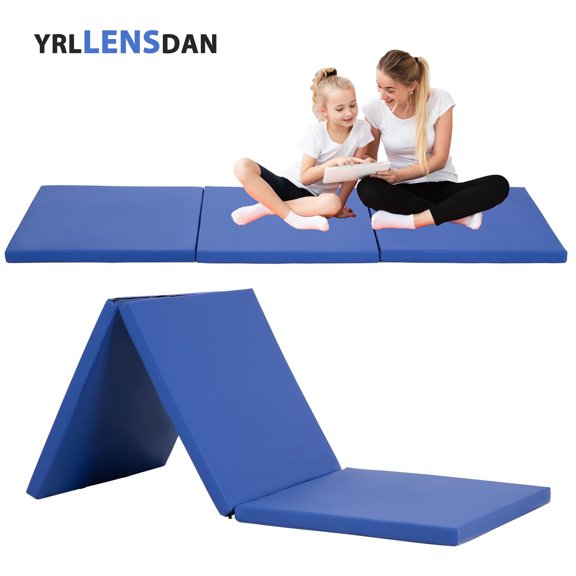
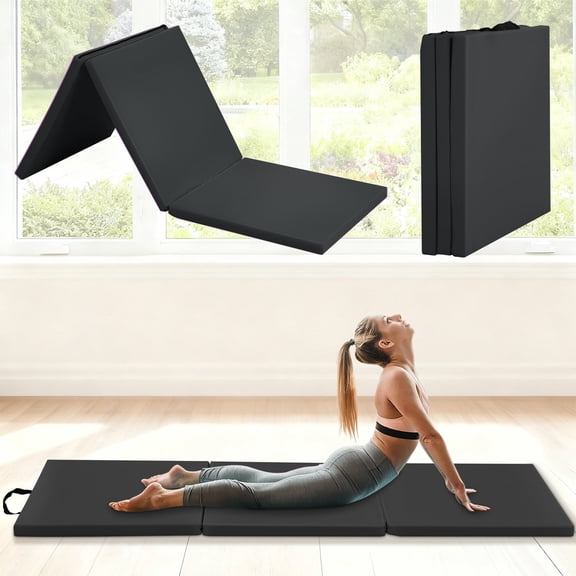
Fold-up mats can fit more easily into your tote or suitcase for trips and compact storage. Rolled mats with straps can work well when you head to the studio several times a week.
You should also consider how much floor coverage you want once your mat is unrolled. A lighter mat can be easier to carry, but you may want more thickness for longer sessions away from home.
For shared spaces, you may want a mat that stores neatly in a closet or car trunk. You’ll appreciate portability features when your practice happens in apartments, offices, parks, or studio classes.
Matching yoga mats to real routines
If you practice gentle flows at home, you may want more cushioning for seated stretches and floor poses. You’ll likely appreciate 1/4 inch or 1/2 inch mats that feel comfortable on hard flooring.
For hot yoga classes, you should focus on grip, texture, and moisture handling before color or pattern. You may prefer non slip yoga mats with surfaces that stay dependable as your session heats up.
If you commute often, you may choose lightweight travel yoga mats with a strap or fold-up design. You’ll make setup easier when your mat fits your bag, locker, or back seat.
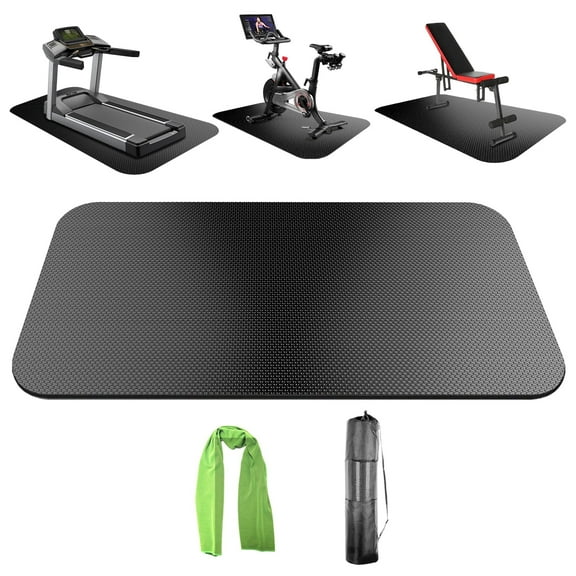
For Pilates, core work, and mobility training, you can also compare broader exercise mats in similar sizes. You’ll get more from your setup when your mat supports stretching, planks, and recovery work in one place.
You can shop with more confidence when you understand how thickness, texture, material, and portability shape your practice. The right mat helps your footing feel steadier, your setup feel simpler, and your routine feel easier to repeat.