

Yonex Tennis Rackets & Sports Equipment | Walmart






















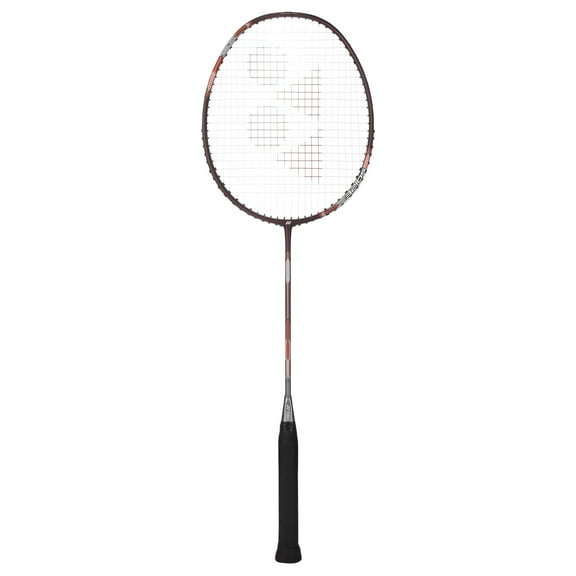


About Yonex Tennis Rackets & Sports Equipment | Walmart - Walmart.com
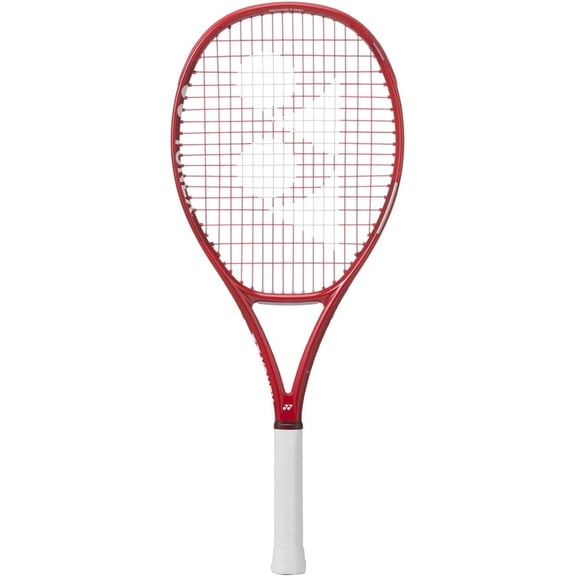
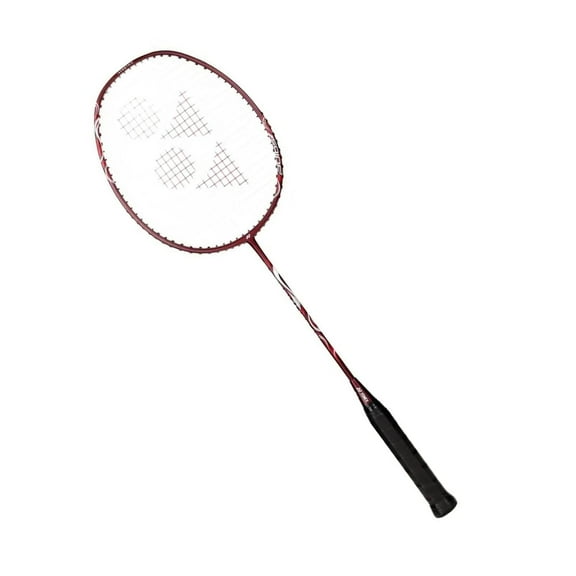
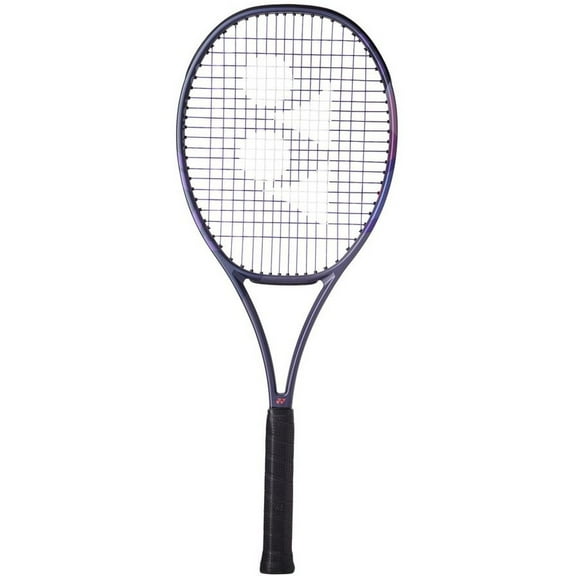
Yonex tennis racquets help you compare Isometric head shapes, series options, and fit details with a clearer path to your next frame. You can narrow your choice by head size, balance, grip, and string pattern before you step on court.
How to choose Yonex tennis racquets
When you compare Yonex tennis racquets, you should start with your playing style and experience level. You may notice swing weight and stiffness change how fast your racquet moves and how crisp contact feels.
If you’re building confidence on groundstrokes, you may prefer a more forgiving head size and easier swing. If you create your own pace, you may lean toward tighter control and steadier balance.
Yonex stands out because you can shop distinct series with clear on-court personalities. You can compare EZONE for easy depth, VCORE for spin, and ASTREL for a smoother, more relaxed response.
Key benefits for your game
You can use series differences as a shortcut when you narrow your choices. You can save time by matching your goals to power, spin, control, and comfort-focused designs.
- You can choose an EZONE frame when you want easier power and a lively response on serves and baseline shots.
- You can choose a VCORE frame when you want stronger spin potential and faster whip through topspin rallies.
- You can choose an ASTREL option when you want a more relaxed feel and a generous sweet spot.
- You can look for a lightweight tennis racquet when you want quicker preparation at the net.
The Isometric head shape also gives you a brand-specific reason to compare these frames. You may notice a broader effective hitting area, which can help you feel steadier on off-center contact.
Your setup becomes easier to personalize when you compare grip size, head size, and string pattern together. You can narrow faster when you treat those details as connected decisions, not separate specs.
Choosing between EZONE, VCORE, and ASTREL
If you’re deciding between model lines, you should match the frame to your shot shape. A Yonex EZONE tennis racquet often fits when you want accessible pace and a clean, modern response.
If you hit with heavy topspin, a Yonex VCORE tennis racquet may fit your style more closely. You can expect design choices that support spin-friendly launch and faster racquet head speed.
ASTREL deserves a look when you want easier depth and a more forgiving feel. You may find it useful when you play doubles, rally for fitness, or prefer a calmer response.
Your choice becomes clearer when you compare how each line supports your habits. You should consider whether you flatten shots, brush up for spin, or want extra help on defensive swings.
Choosing the right head size and weight
You should compare head size first because it changes the feel of every swing. A 105 sq in frame usually gives you easier power, while 97 sq in often gives you sharper control.
If you want a middle ground, you can start with a 100 sq in option. You can often get a blend of forgiveness, pace, and directional confidence that suits many all-court players.
Weight and balance matter just as much when you’re comparing frames. A lightweight tennis racquet can help you react faster, while a heavy frame can feel steadier through the ball.
If you want easy maneuverability, you should check whether a frame feels light enough for long sessions. If you want firmer plow-through, you may prefer more mass and an even balance.
You can also use swing weight as a practical guide when you compare advanced frames. A lower swing weight feels easier to accelerate, while a higher swing weight can drive through contact.
How to choose your Yonex tennis racquet grip size
Your Yonex tennis racquet grip size affects how secure and natural the handle feels in your hand. You can start with common options like 4 1/4, 4 3/8, and 4 1/2.
If you’re measuring at home, you can use your hand length and usual racquet feel as a guide. You should look for a grip that feels secure without making your hand feel overstretched.
A smaller grip can help you adjust hand position and add wrist action on spin shots. A larger grip can feel fuller in your hand and steadier on firm contact.
You should also compare string patterns because they change launch and feel. A 16x19 pattern often gives you easier spin and livelier response, while 18x20 usually feels more controlled.
Some performance frames may arrive unstrung, which is common in advanced player models. You should check whether your racquet is pre-strung so you can plan your setup before match day.
Matching your frame to real play situations
If you’re a newer player, you may want a 100 or 105 sq in frame with a lighter build. You’ll usually get easier depth, friendlier timing, and less effort on everyday rallies.
If you play aggressive baseline tennis, you may prefer a 97 or 100 sq in frame with a focused response. You can pair that choice with a 16x19 pattern for spin or 18x20 for flatter precision.
If doubles is your main format, you should consider a maneuverable frame with a comfortable grip size. You may appreciate quicker reactions on volleys, returns, and fast exchanges at the net.
If you’re replacing an older frame, you should compare your current head size and balance before switching. You can make a smoother transition when your new setup keeps familiar dimensions.
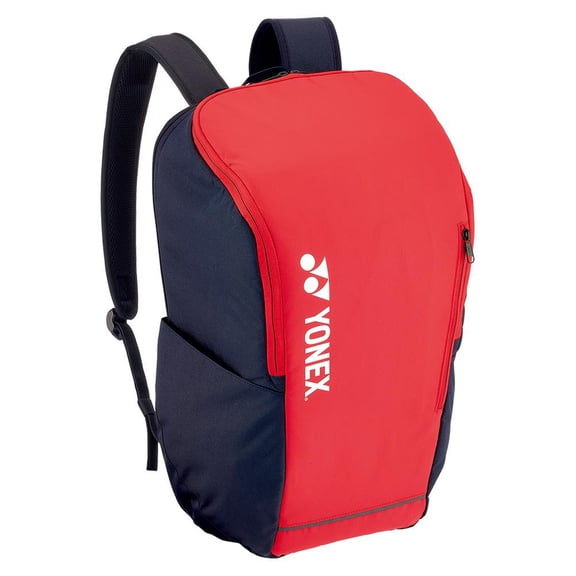
You can also complete your setup with related gear that supports your routine. Your racquet choice may pair naturally with tennis strings, tennis bags, and other tennis racquets for side-by-side comparison.
With Yonex tennis racquets, you can make a more informed choice by comparing series, head size, weight, grip, and string pattern together. You can end up with a frame that fits your swing, your court habits, and your match-day feel.