


Weight Lifting Accessories & Gym Gear - Walmart


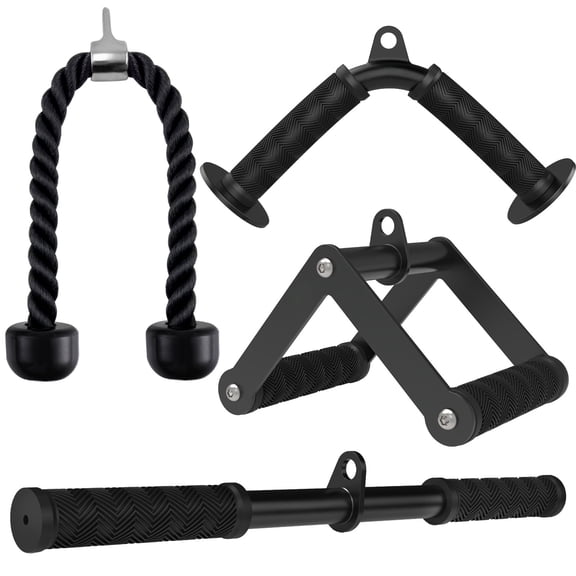
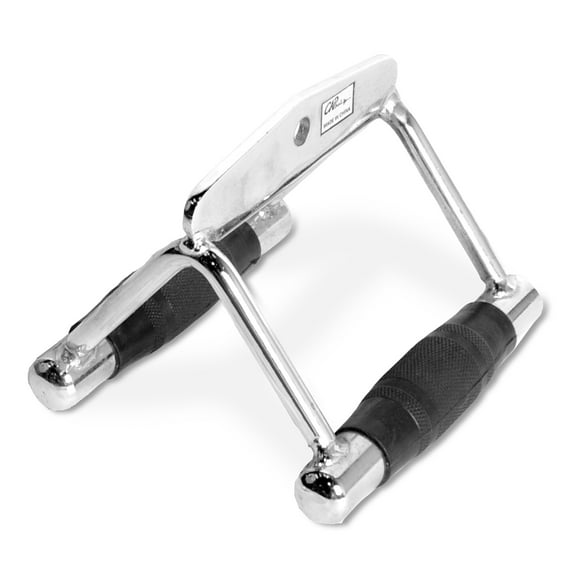
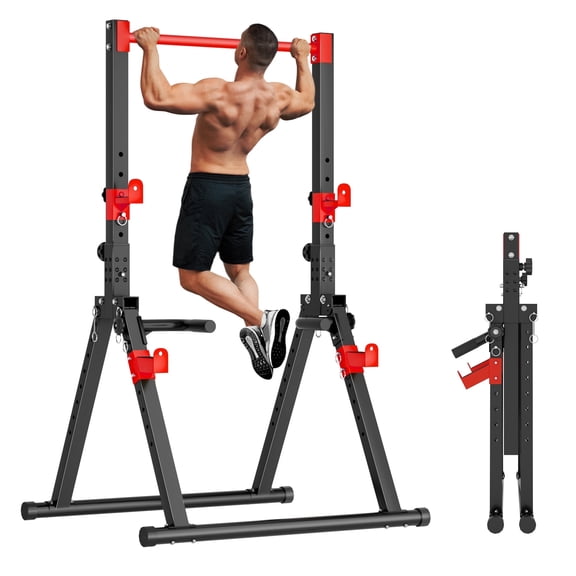


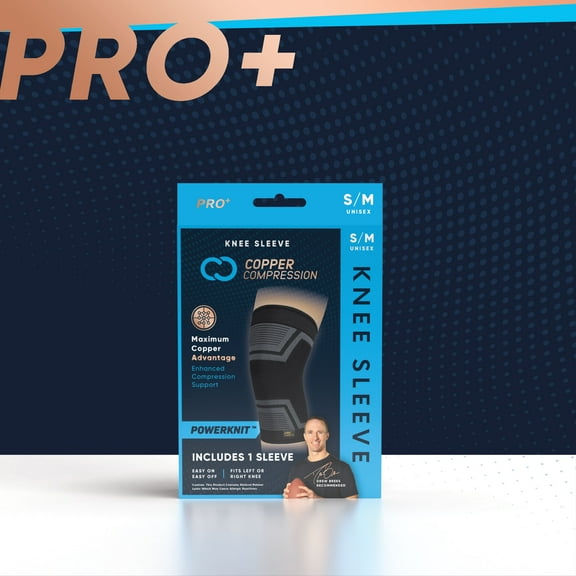









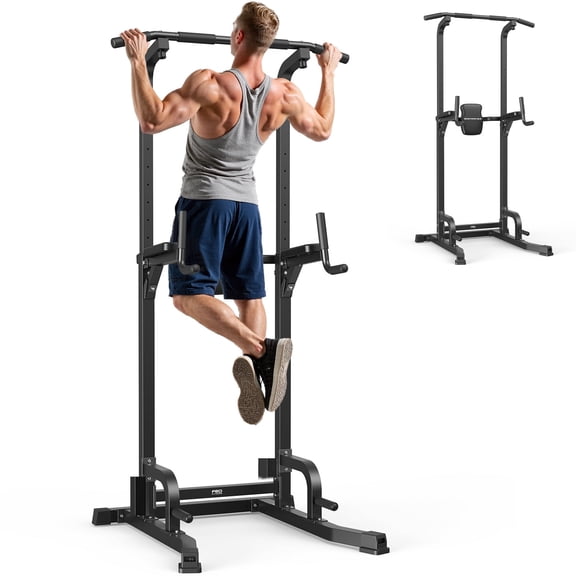
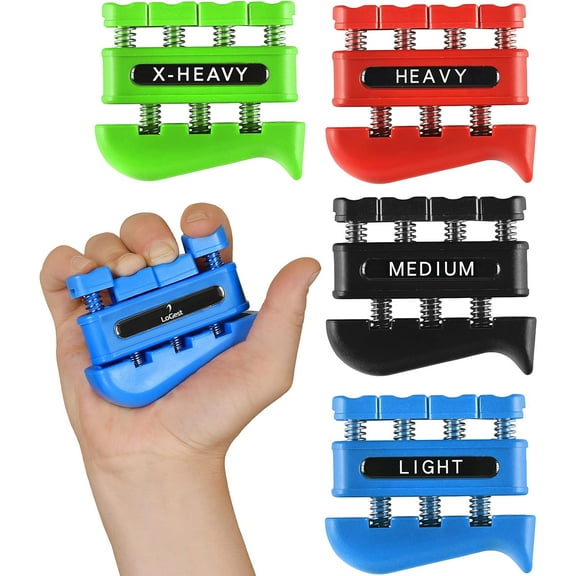


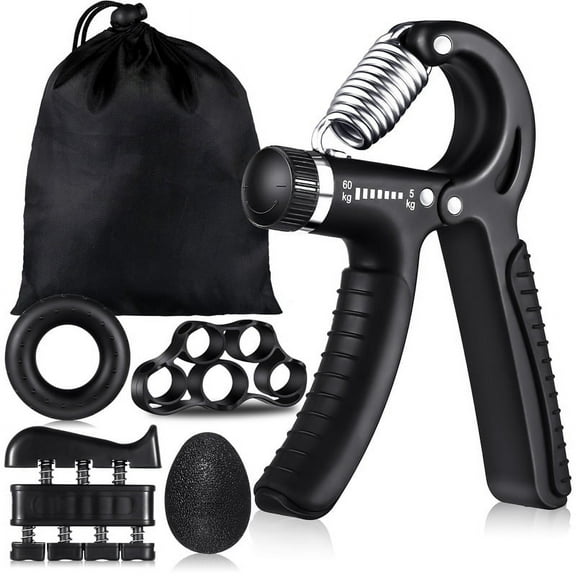










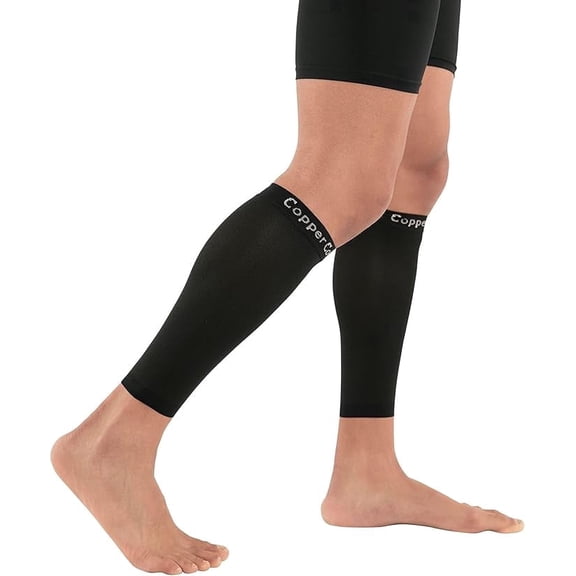











About Weight Lifting Accessories & Gym Gear - Walmart - Walmart.com
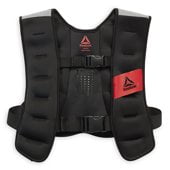
Weight lifting accessories help you train with steadier support, firmer grip, and more confident setup before each lift. You can compare belts, straps, wraps, gloves, and chalk in one place, so your gear matches your training style.
If you're building a home gym or refining your gym bag, you need accessories that match your goals. You can focus on support level, fit, material, and competition details instead of guessing from product photos alone.
How to choose weight lifting accessories
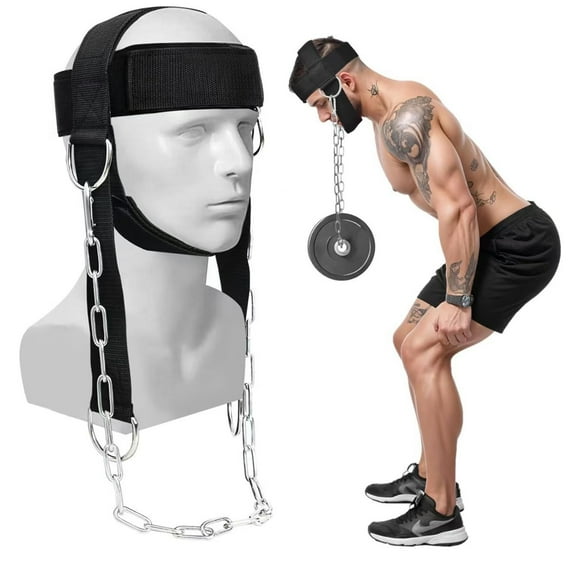
You should start with the accessory type that matches your main lifts and your training volume. You may want a belt for bracing, straps for pulling, wraps for wrist support, gloves for grip comfort, or chalk for a drier hold.
When you compare weight lifting equipment accessories, you should think about how each item changes your setup. You can use a belt during squats, straps during rows, and wraps during pressing sessions.
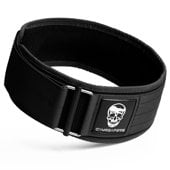
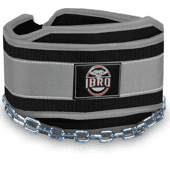
- You can use belts to create a firmer brace during squats, deadlifts, and overhead work.
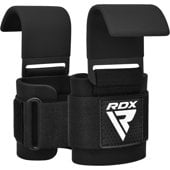
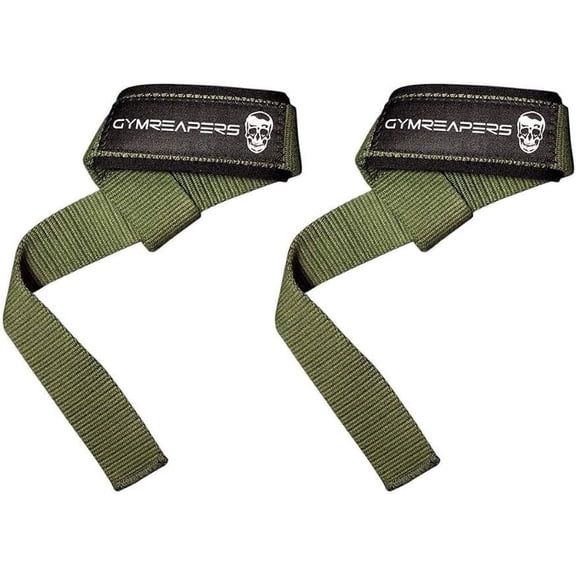
- You can use straps when your grip fades before your back and legs do.
- You can use wraps to add wrist structure during presses and front rack positions.
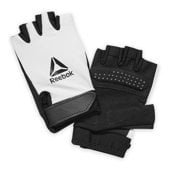
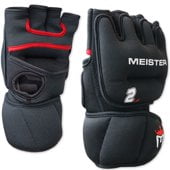
- You can use gloves if you want palm coverage and a more cushioned feel on knurling.
- You can use chalk when you want a drier grip on bars, dumbbells, and pull-up handles.
You should also match support level to your movement pattern and comfort preference. You may prefer light support for dynamic training, medium support for mixed sessions, or heavy-duty support for heavier sets.
Choosing support, size, and material
You should choose support based on how rigid you want your gear to feel under load. You can pick lighter options for flexibility, while heavier-duty designs usually feel stiffer and more locked in.
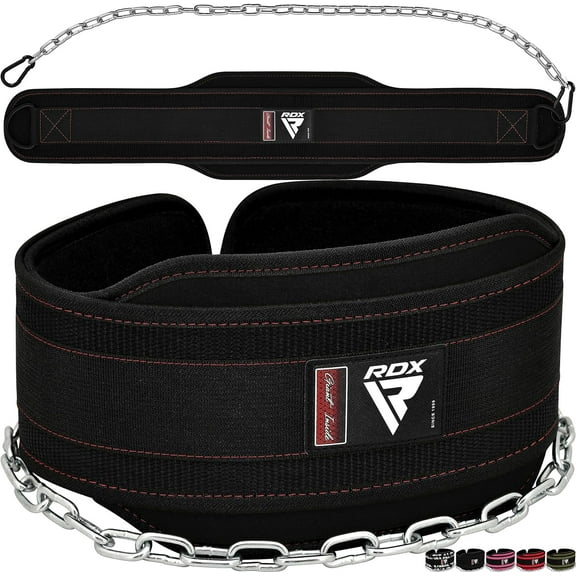
For belt sizing, you should measure your waist where the belt will sit, not your pant size. You should also check the sizing chart and overlap range, because a proper closure affects fit and adjustability.
If you're deciding between leather and nylon, you should compare structure against comfort. You may notice leather feels firmer and more traditional, while nylon often feels lighter and easier to adjust between lifts.
You can also compare neoprene and suede when comfort and finish matter in your routine. You may like neoprene for softer contact, while suede can offer a different hand feel and surface texture.
When you evaluate weight lift accessories, you should check closure style, width, thickness, and stitching. You can use those details to judge how the gear may feel during setup, bracing, and repeated training sessions.
Weight lifting accessories for men and unisex training
You may search for weight lifting accessories for men when you want a straightforward starting point for heavier training. You should still compare unisex options too, because fit, adjustability, and support level matter more than label language.
If your training includes powerlifting movements, you should check whether a belt lists federation approval details. You may look for IPF or USAPL approval when your meets or gym standards require specific equipment rules.
You can use slimmer wraps or flexible straps for mixed conditioning and strength sessions. You may prefer wider, stiffer belts when your focus stays on low-rep barbell work and deliberate bracing.
What to look for in belts, straps, wraps, gloves, and chalk
You should think about your main lifts before narrowing accessory type. You can use belts for squat and deadlift days, straps for pulling volume, wraps for bench sessions, gloves for machine circuits, and chalk for repeated bar work.
If you're comparing belts, you should look at width, thickness, buckle style, and break-in feel. You can also check whether the design suits general training or a gym reaper belt style search intent.
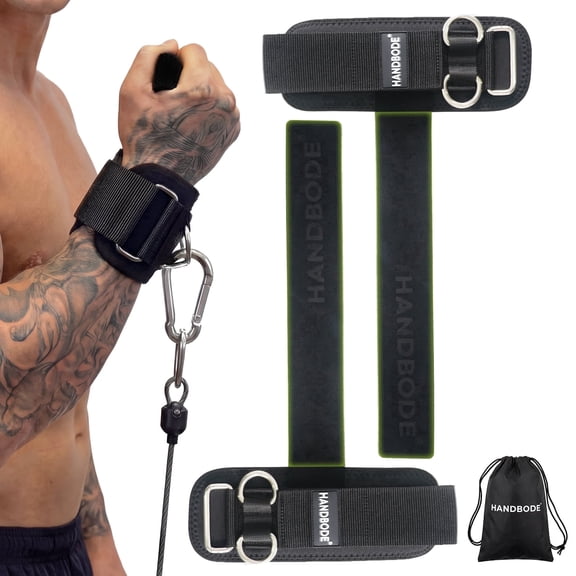
When you're reviewing straps, you should compare length, loop style, and material feel in your hands. You can use cotton or blended styles when you want a secure wrap around the bar without bulky bulk.
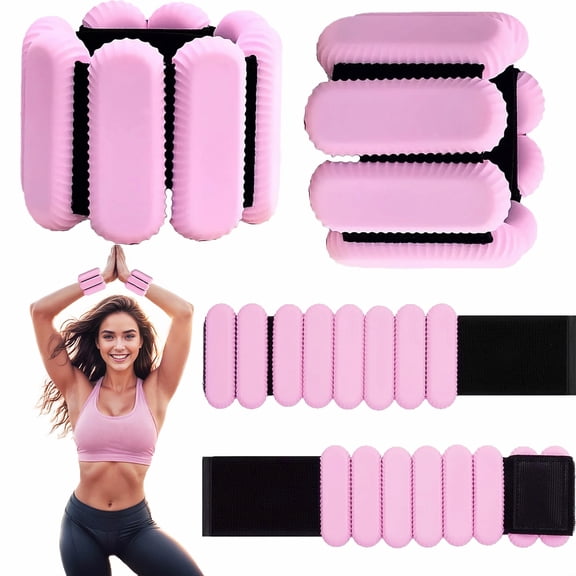
For wraps and gloves, you should compare closure security, palm coverage, and overall flexibility. You may want less bulk for fast transitions, or more structure for repeated pressing sets.
If you use chalk, you should consider form and cleanup preferences before choosing. You may prefer blocks, balls, or liquid formats depending on your gym rules and how you pack your bag.
Faja para levantar peso and competition-focused choices
If you search faja para levantar peso, you're usually looking for a lifting belt with clear support details. You should compare heavy-duty and medium-support options based on your brace style and lift selection.
You can narrow your choice by checking material, width, closure, and intended training use. You should also confirm sizing instructions, because waist measurement gives you a more reliable fit than casual clothing size.
For meet prep, you should verify rule compliance before you commit to a specific belt. You can look for federation listings, approved dimensions, and allowed closure types if you compete regularly.
If your sessions vary across strength, bodybuilding, and general gym work, you may want more than one accessory. You can pair a structured belt with straps or wraps, so your setup changes with the movement.
You should choose weight lifting accessories that match your lifts, your fit needs, and your training environment. You can train with gear that feels more consistent, more supportive, and easier to trust from warmup through your final set.