

Drones in Electronics
























About Drones in Electronics - Walmart.com
You can compare dji drones more efficiently when you focus on weight, camera detail, flight time, and series fit. You’ll see clear differences between Mini, Air, Mavic, and Inspire models as you narrow your shortlist.
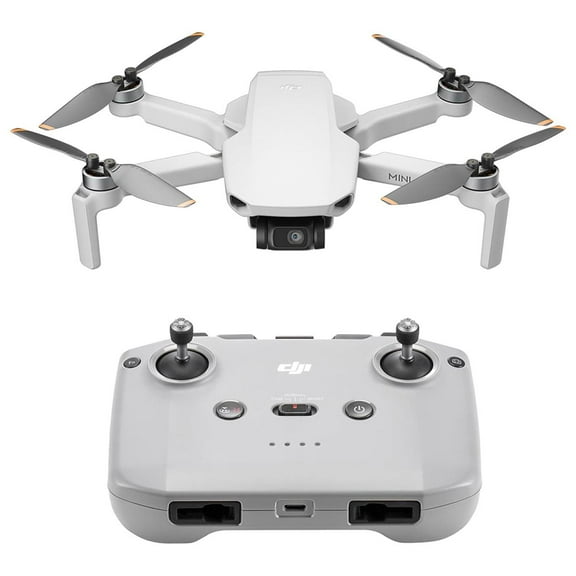
If you want a travel-ready flyer, a dji mini drone can simplify packing and takeoff planning. If you want advanced imaging tools, you may compare larger frames, stronger sensing, and longer battery performance.
Choosing dji drones by weight class
You should start with weight class because it affects portability and flight rules. If you choose an under 249g model, you’ll often prefer easier carrying for day trips and quick setups.
You may notice under 249g options appeal to first-time flyers and frequent travelers. You can pack them into smaller bags, and you can launch with less gear on hand.
If you compare standard and professional sizes, you’ll usually trade compact storage for added stability and imaging hardware. You may prefer that balance when your shoots need stronger wind handling.
- You can choose under 249g models for lighter packing and flexible travel days.
- You can compare standard sizes when you want a balance of portability and added camera capability.
- You can step up to professional sizes when your projects need larger sensors and advanced flight tools.
You should also check whether your planned flying falls under recreational rules or FAA Part 107 work. If you’re considering commercial projects, you’ll want to review the requirements before you choose.
How to compare a dji camera drone
You can narrow your options by deciding how much image detail your footage needs. If you shoot casual trips, 4K may cover your needs with sharp everyday video.
If you edit heavily, you may want 5.1K capture for extra room in post-production. You’ll also want to compare 12MP and 48MP photo output for still images.
You should check sensor size because a 1-inch CMOS sensor often supports richer detail and cleaner low-light scenes. You can use that spec to compare travel models and advanced creators’ models.
When you review camera specs, you should match them to your actual projects. If you film hikes, family events, or real estate views, your resolution and sensor needs may differ.
Choosing flight time and battery setup
You can compare dji drones by minutes per charge because that number shapes your time in the air. If you want quick clips, under 30 minutes may be enough.
If you plan longer sessions, you may look for 30 to 40 minutes or over 40 minutes. You’ll spend less time swapping batteries when your flights run longer.
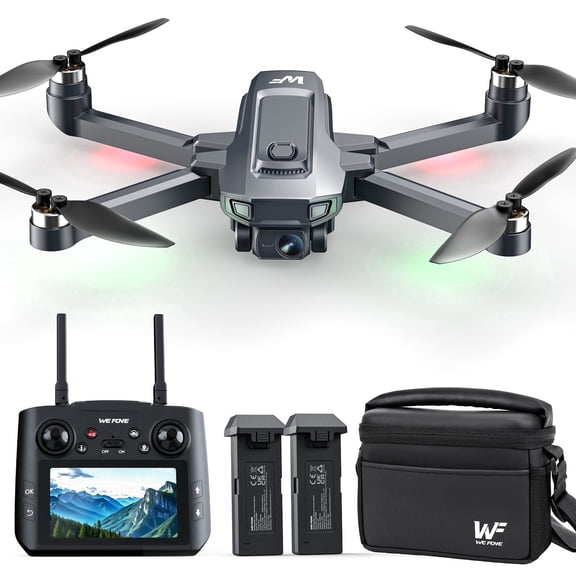
You should also check whether a fly more combo fits your routine. If you want extra batteries, a charging hub, and spare propellers, you can build a smoother shooting day.
When you compare battery setups, you should think about location changes and repeat takes. You may need extra power for scenic routes, practice flights, or several filming stops.
Comparing Mini, Air, dji mavic, and Inspire series
You can use product series as a quick filter when you know your goals. If you want compact travel use, the Mini line often fits lighter carry needs.
If you want a step up in features, the Air line can bring stronger imaging and flight assistance. You may compare it when you want more control without moving into the largest frames.
If you’re focused on advanced aerial imaging, a dji mavic model may match your workflow. You can look there for stronger camera options, longer flight performance, and more robust sensing.
If your work involves larger productions, you may compare Inspire models for specialized filming setups. You’ll usually evaluate them when your projects need a more advanced platform.
Key flight features to check before you choose
You should compare transmission systems because they affect how confidently you monitor your aircraft. If you see O3+ transmission, you’re reviewing a spec tied to stronger video feed performance.
You can also compare obstacle sensing because it shapes how much environmental awareness your drone provides. If you notice omnidirectional sensing, you’re looking at broader coverage around the aircraft.
When you read these terms, you should connect them to your flying style. If you capture moving scenes or complex paths, you may want stronger sensing and steadier transmission tools.
You should also think about where you fly most often. If you record open landscapes, your needs may differ from tighter routes with trees, signs, or structures.
Matching your drone to real shooting plans
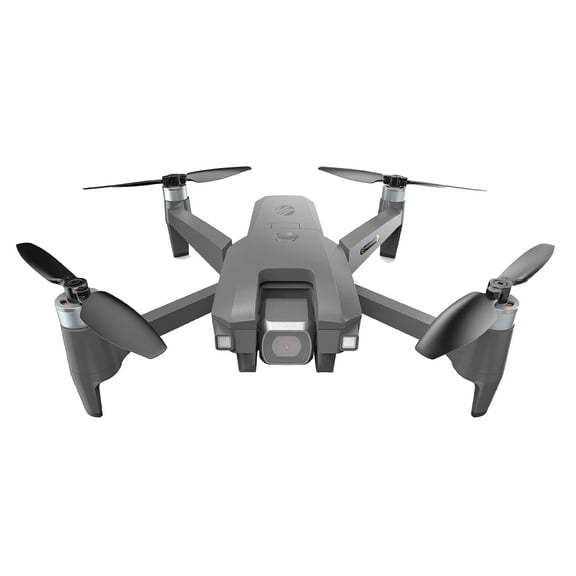
You can make a quick decision when you match specs to your usual outings. If you travel often, you may want a foldable dji quadcopter with a lighter frame.
If you film vacations and social clips, you may prefer an under 249g model with 4K video. You’ll get easier carrying and footage that fits everyday sharing.
If you create polished content, you may compare larger sensors, 5.1K recording, and longer battery times. You can use those features for landscape work, client shoots, and detailed edits.
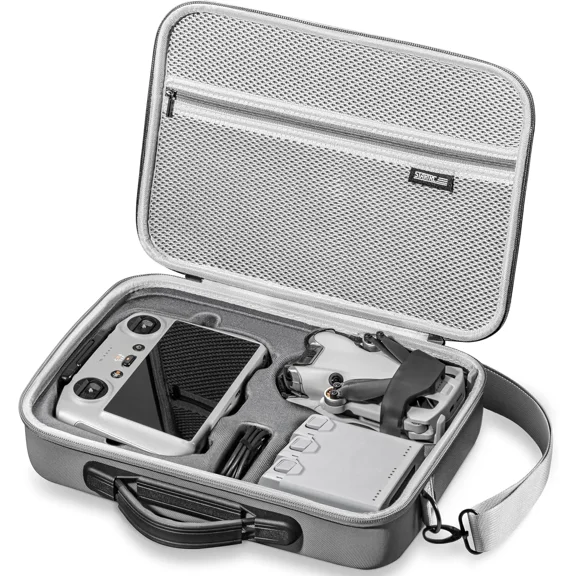
If you want a complete setup, you should also review accessories that support your flights. You may add memory cards, extra batteries, and carrying cases to keep your sessions organized.
You can choose with more confidence when you compare series, weight, imaging, and flight tools together. You’ll land on the right fit quickly when your drone matches your travel plans, footage goals, and flying routine.