




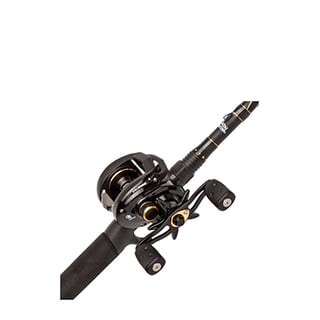





Casting Rods & Baitcasting Poles





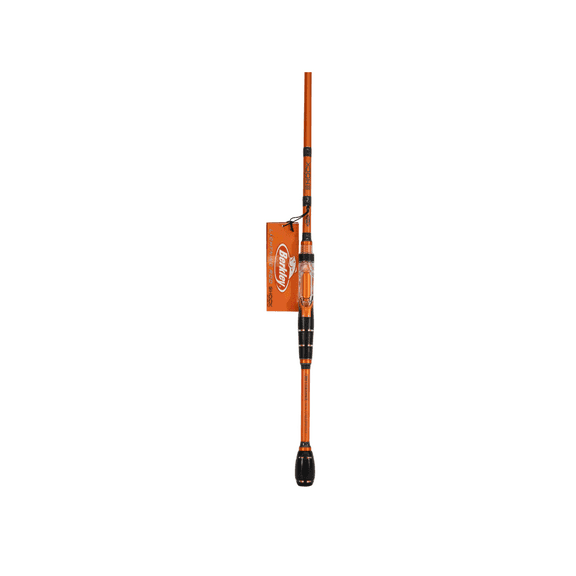
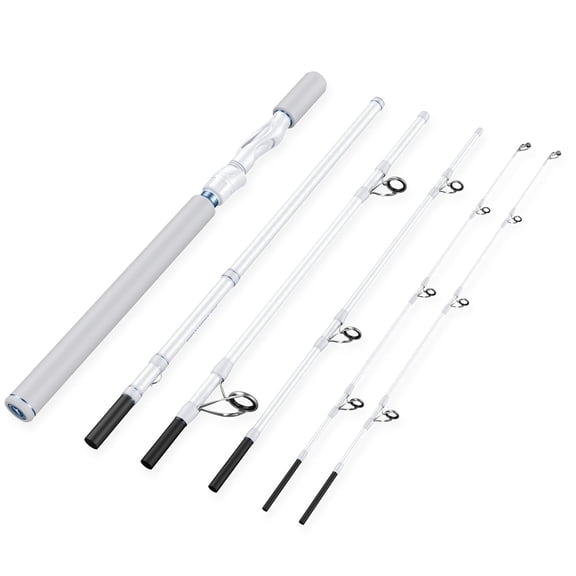


![Shimano Fishing SOLARA 60 M 2PC CST A Freshwater Multi-Species Casting [SLC60M2A]](https://i5.walmartimages.com/seo/Shimano-Fishing-SOLARA-60-M-2PC-CST-A-Freshwater-Multi-Species-Casting-SLC60M2A_9da013cf-1eb5-4723-8a97-6bff51a420af.591c12a2e82e16cd54a0d60830ff3cff.jpeg?odnHeight=576&odnWidth=576&odnBg=FFFFFF)


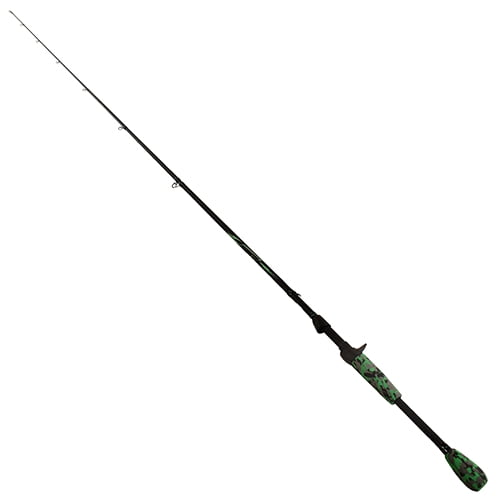

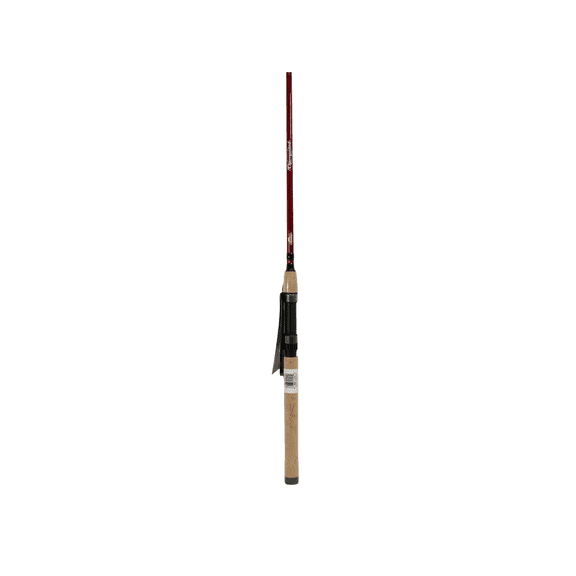







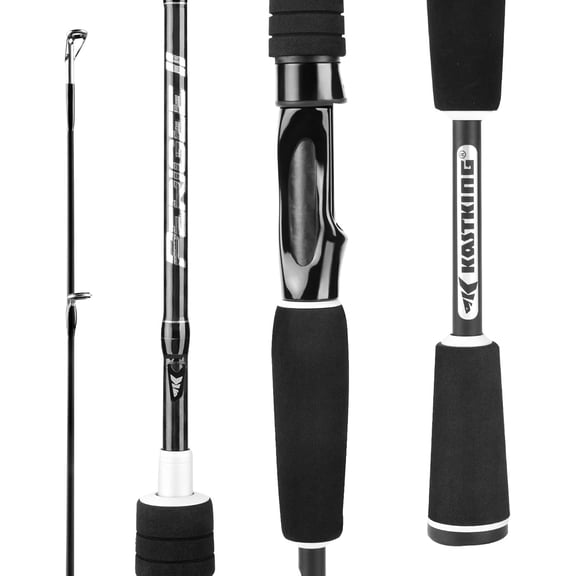


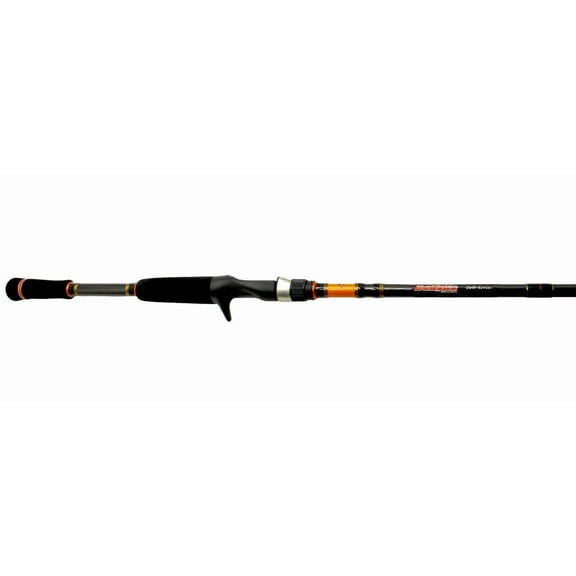


About Casting Rods & Baitcasting Poles - Walmart.com
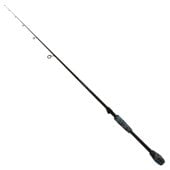
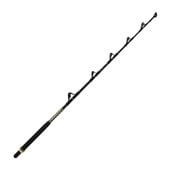
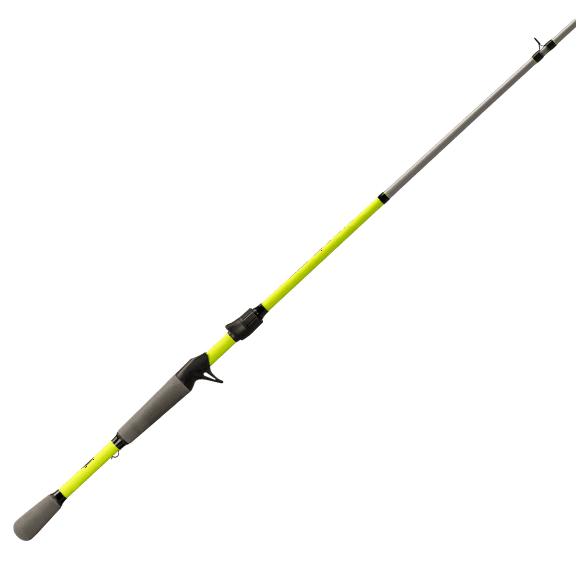
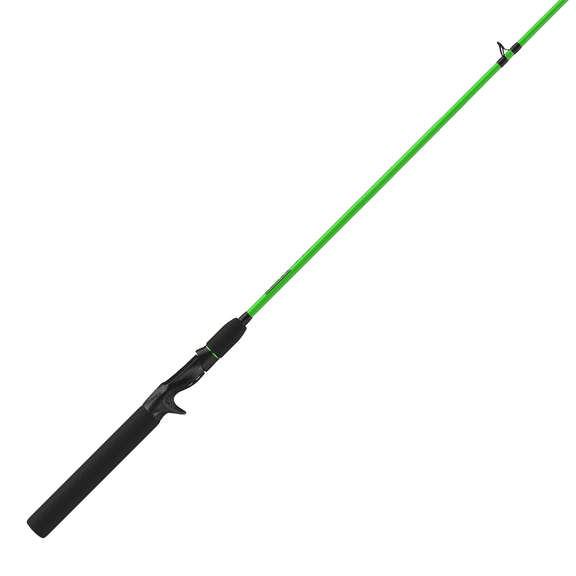
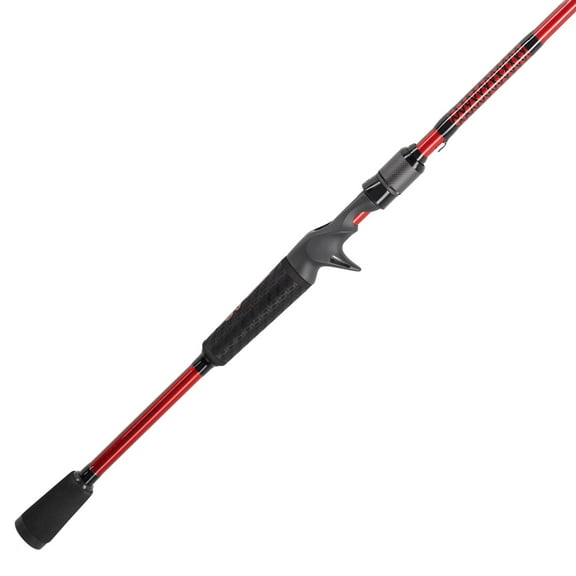
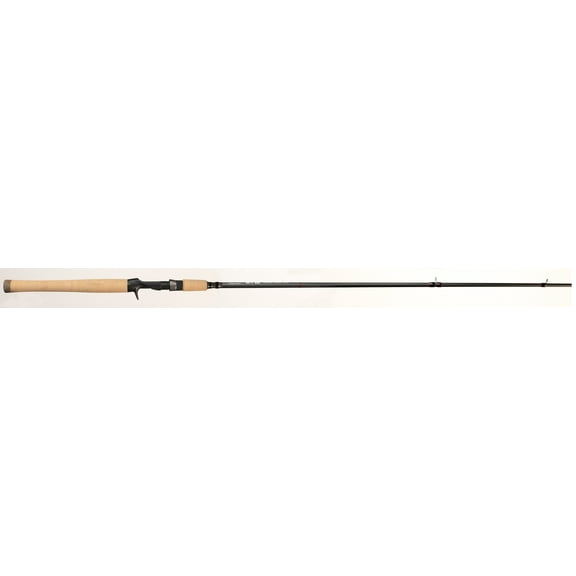
Casting rods help you cast heavier lures with control and accuracy. You can compare power, action, material, and length to match the fish, water, and reel setup you use.
How to choose casting rods for your setup
When you shop casting rods, you should start with rod power. You’ll want the power rating to match your target species, lure weight, and line size.
Ultra light options suit smaller presentations and lighter lines in calm water. Medium choices give you an easy balance for everyday freshwater fishing, while heavy action casting rods fit thicker cover and larger baits.
You should also compare the lure range and line rating listed for each rod. Those numbers help you choose a blank that loads correctly during your cast and feels steady during retrieve.
- You can use lighter power for finesse techniques, smaller fish, and smaller hard baits.
- You can choose medium power when you want one rod for worms, jigs, and moving lures.
- You can step into heavy power when you fish around grass, wood, docks, or thicker line.
- You can compare line weight limits to keep your reel, lure, and rod working together.
Choosing between baitcasting rods and fishing casting rods
Baitcasting rods and fishing casting rods usually refer to rods built for casting reels. You’ll notice they’re designed with guides and handle layouts that pair with low-profile or round casting reels.
You can use this style when you want stronger hooksets, better lure control, and a direct feel. You may also prefer this category when you throw jigs, spinnerbaits, frogs, swimbaits, or larger crankbaits.
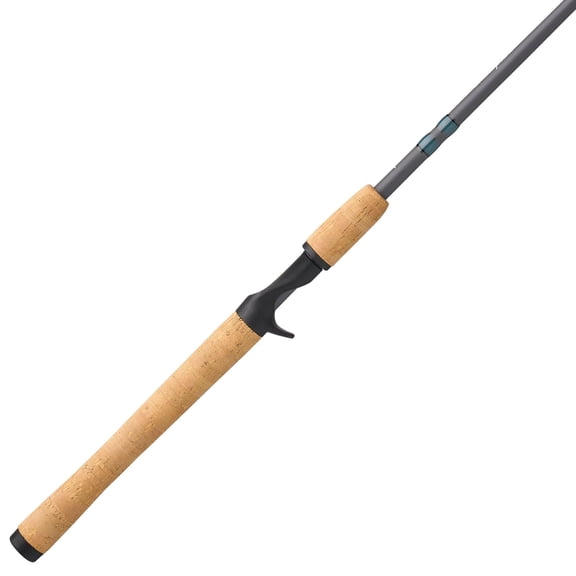
Handle shape matters during longer trips, so you should compare grip materials too. Cork can feel classic and light in hand, while EVA foam can give you a secure grip in wet conditions.
What to look for in graphite casting rods and other materials
Material changes how your rod feels during the cast and retrieve. You should compare graphite, fiberglass, and composite blanks based on sensitivity, flex, and overall feel.
Graphite casting rods usually feel lighter and more responsive in your hands. You may prefer graphite when you want to feel bottom contact, light bites, or subtle lure movement.
Fiberglass choices often bend deeper through the blank, which can help you keep treble-hook lures pinned. You might choose fiberglass when you throw crankbaits or other moving lures that benefit from smoother flex.
Composite rods blend graphite and fiberglass traits for a middle-ground feel. You can consider composite builds when you want some sensitivity with a more forgiving bend.
Comparing rod action for lure control
Rod action describes where your rod bends most during pressure. You should compare fast, moderate, and slow actions based on the lures and presentations you use most.
Fast action casting rods flex more near the tip, so you get quicker response. You may like fast action for jigs, worms, and single-hook techniques that need crisp control.
Moderate action bends farther down the blank and can feel smoother through the cast. You can choose moderate action for crankbaits and reaction lures when you want steadier pressure.
Slow action options bend deeper and can help with lighter presentations or a softer casting rhythm. You should match action with lure style so your rod loads well and tracks the bait naturally.
Choosing the right rod length
Rod length changes your casting distance, leverage, and close-range accuracy. You should think about where you fish and how much space you have before choosing a length.
A 6 foot casting rod can feel easier around docks, brush, and tighter boat positions. You may prefer shorter rods when you need precise target casts and quick rod movement.
Many anglers choose 7 foot casting rods for all-around versatility on lakes and ponds. You can get a useful balance of casting distance, hooksetting leverage, and lure control with that length.
An 8 foot model can help you launch larger baits farther and move more line quickly. You might choose longer rods when you fish open water, heavy cover, or presentations that need extra reach.
How your choices fit real fishing situations
If you fish shallow grass with frogs or jigs, you should look at heavy power and fast action. You may also want a longer rod to move fish away from cover with steady control.
If you throw crankbaits along points or riprap, you can compare moderate action and fiberglass or composite materials. You’ll often get smoother casts and a more forgiving bend for treble-hook lures.
For general freshwater use, you can start with medium power and a 7 foot length. You’ll have a flexible setup for plastics, spinnerbaits, chatterbaits, and many everyday techniques.
If you fish smaller waters or tighter spaces, you may want a shorter rod with lighter power. You can make more accurate casts around cover and keep your presentation easy to manage.
When you compare casting rods by power, action, material, and length, you can narrow the field quickly. You’ll end up with a rod that matches your reel, your lure style, and the water you fish most.