




Turkey Decoys in Decoys
















About Turkey Decoys in Decoys - Walmart.com
You can improve your setup with turkey decoys that match bird behavior, terrain, and carry needs during spring turkey decoys season. You’ll find category options that focus on posture, motion, and realistic finishes for more convincing field presentations.
When you compare this category, you should look beyond color alone and study decoy type, body shape, and transport design. You’ll make a clearer choice when you match hen, jake, tom, or gobbler profiles to the response you want.
How to choose turkey decoys by type
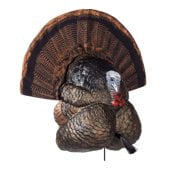
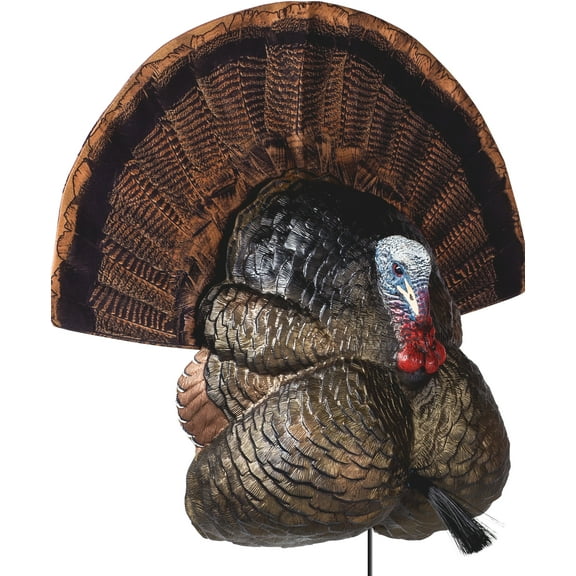
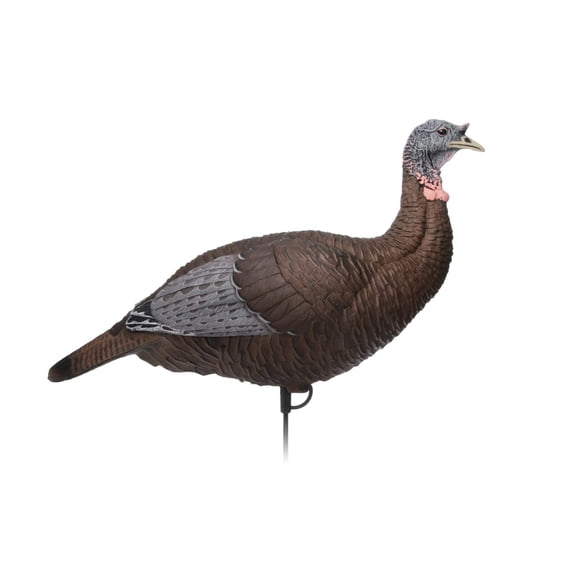
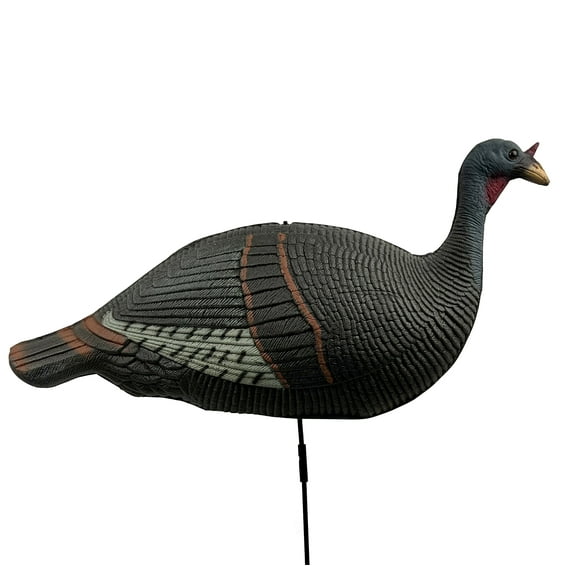
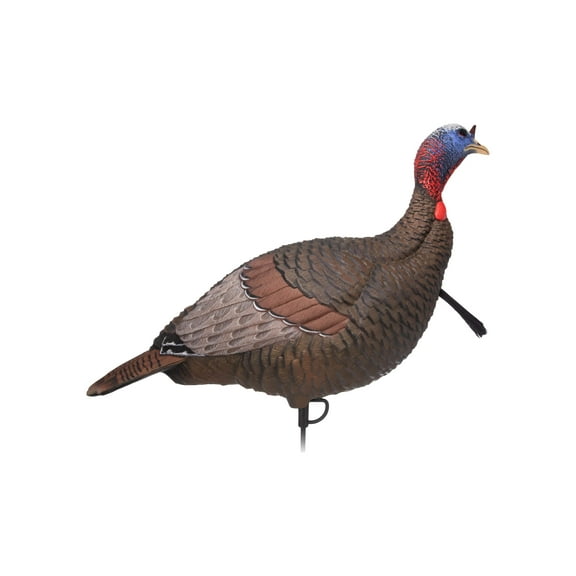
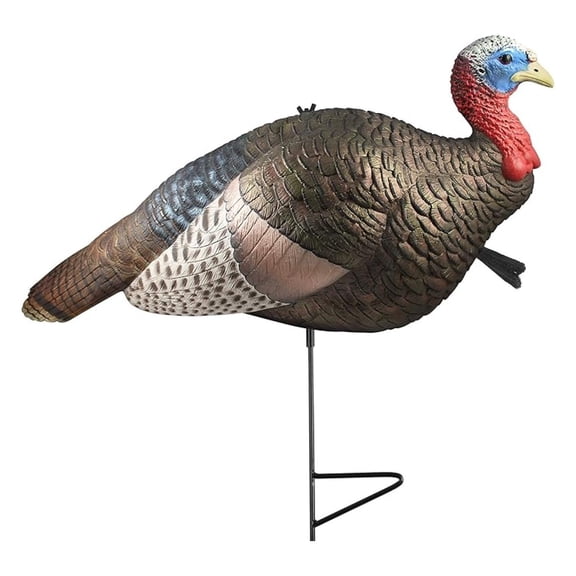
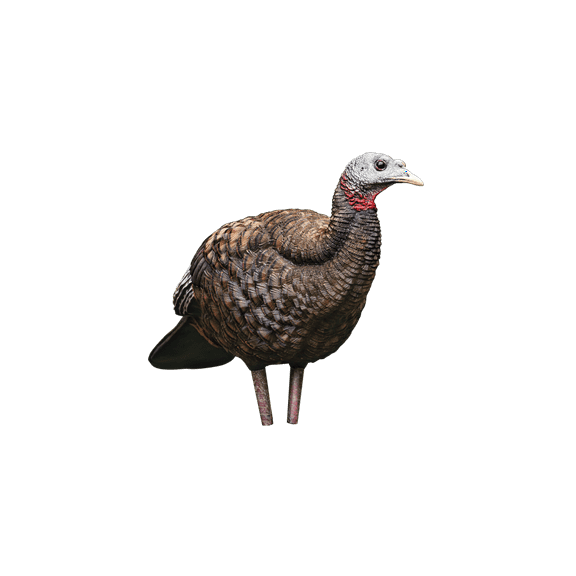
You should start with decoy type because a hen turkey decoy, jake turkey decoy, or tom turkey decoy creates a different scene. You’ll often use those differences to suggest feeding, breeding, or dominance activity in the field.
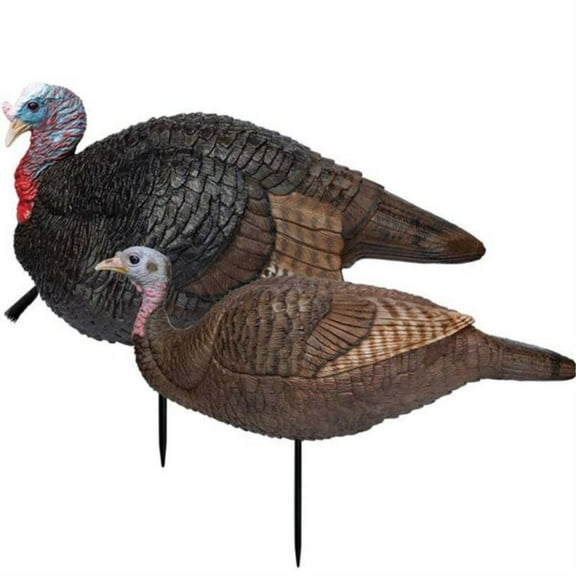
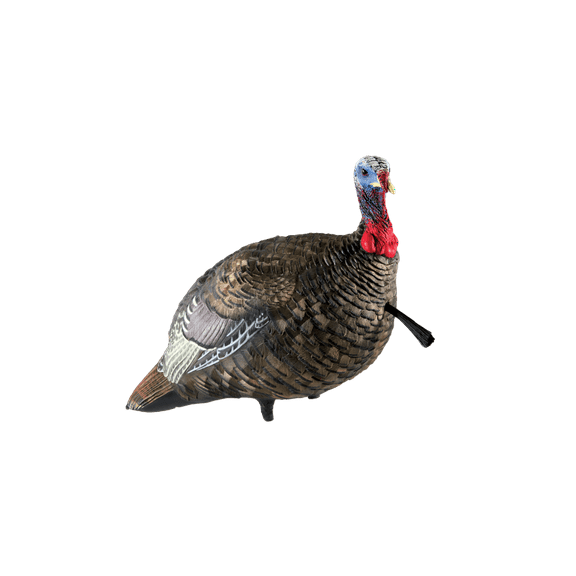
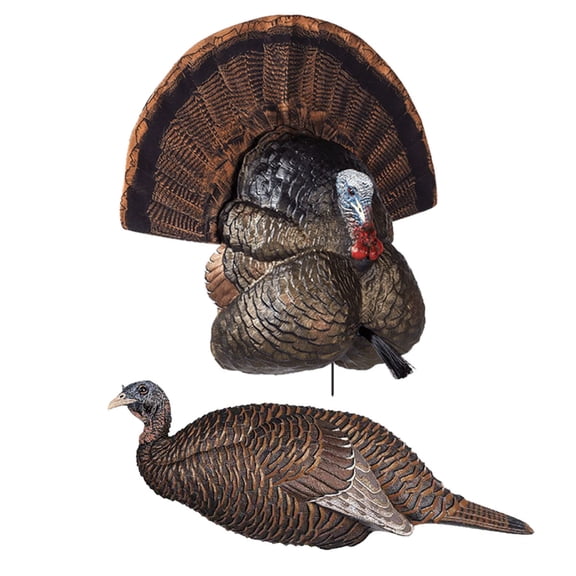
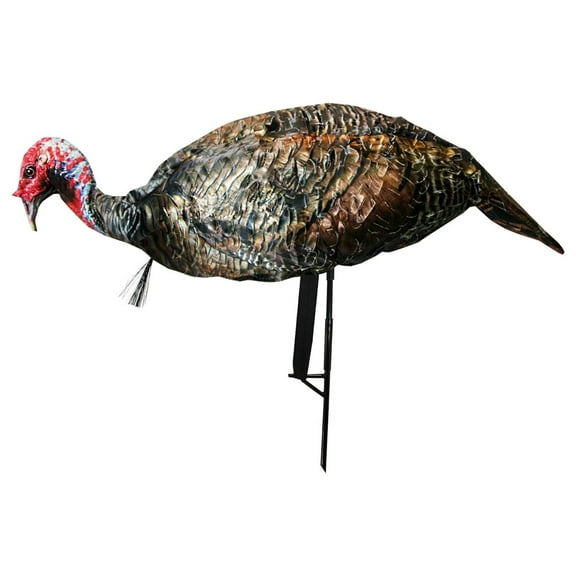
If you want a softer invitation, you may choose a hen shape in feeder or upright posture. If you want added challenge, you might pair a jake profile with a hen. You can also use a tom or gobbler style when you want a bold visual statement.
You’ll usually compare these category benefits before picking a setup for your hunt. You can use them to narrow your choice faster.
- You can build a more believable spread by matching hen, jake, tom, or gobbler body language to the scene.
- You’ll carry gear more easily when you choose collapsible turkey decoys for longer walks and tighter pack space.
- You can create added visual interest with motion turkey decoys that move slightly with wind or attached components.
- You’ll refine realism by comparing flocked finishes, high-definition paint, and feather-flex details.
Choosing posture and motion turkey decoys
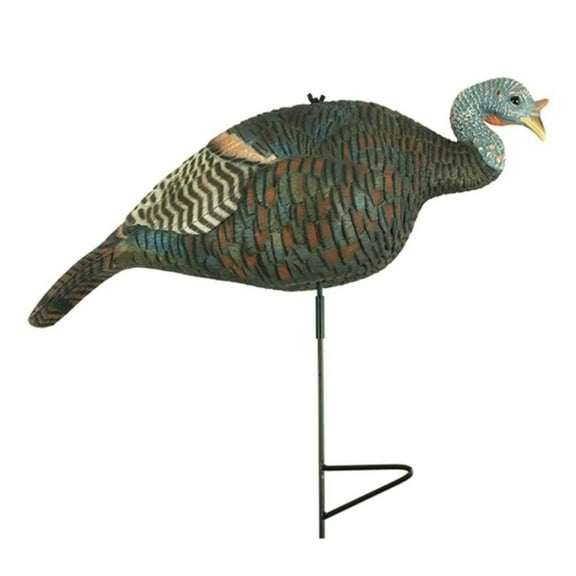
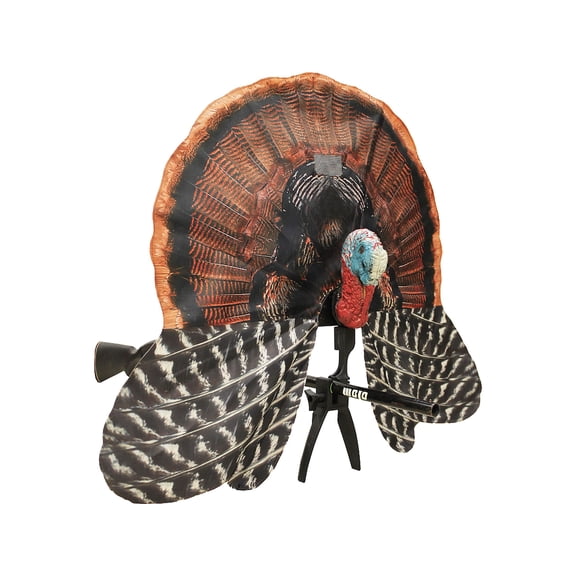
You should compare posture carefully because feeder, upright, strutter, and submissive positions send very different signals. You’ll notice that posture often matters as much as color when birds are already watching a field edge.
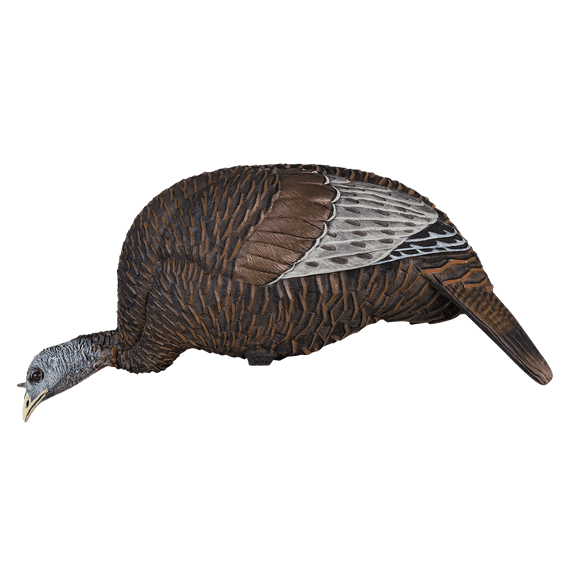
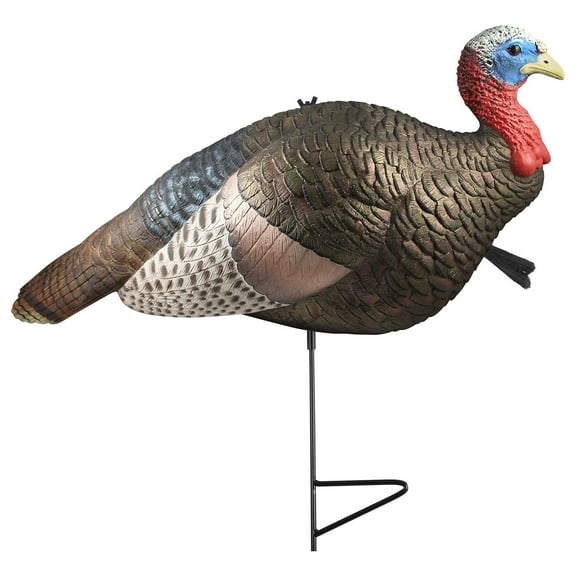
If you want a calm feeding picture, you may prefer a feeding hen decoy with a head-down pose. If you want a challenge setup, you might choose a strutter or submissive pairing. You can create stronger visual storytelling when those poses work together.
You should also consider motion turkey decoys when you want subtle movement without a complicated setup. You’ll often see wind-activated parts or flexible attachments that add lifelike action from a distance.
When you compare motion options, you should check how the movement works in open fields or light breeze conditions. You’ll want motion that looks natural and stays easy to manage during setup.
What to look for in realistic turkey decoys
You should inspect realism features closely because realistic turkey decoys rely on shape, finish, and feather detail. You’ll usually compare flocked surfaces, high-definition paint, and feather-flex elements to create a more natural look.
If you want reduced glare in bright light, you may look for flocked areas on the body or fan. If you want bold feather pattern detail, you might prefer painted finishes with clear barring. You can balance finish style with your terrain and hunting light.
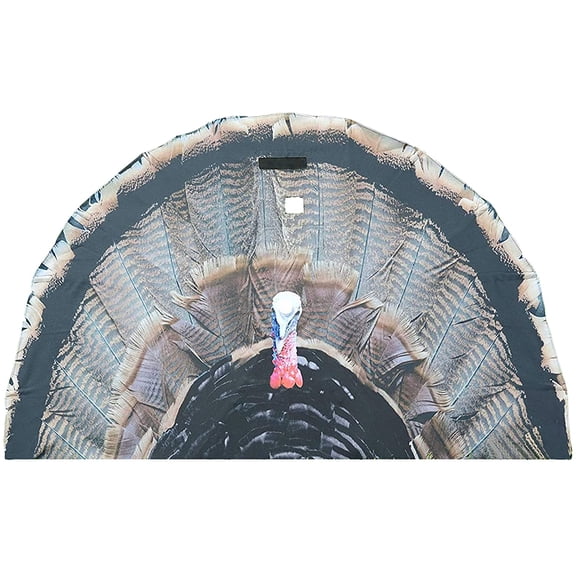
You should also compare head color, beard detail, wing shape, and fan presentation before deciding. You’ll often spot differences that matter when birds approach from the side instead of straight on.
For field edges and open setups, you may want larger profiles that stay visible across distance. For tighter cover, you might prefer lower feeder shapes that blend into grass and uneven ground. You can match realism to visibility instead of choosing by appearance alone.
Comparing collapsible turkey decoys and materials
You should think about weight and packability before you head into longer walks or changing terrain. You’ll usually notice that collapsible turkey decoys take less room in a vest, blind bag, or pack.
If you want easier transport, you may compare collapsible, foam, hard plastic, and inflatable construction. You’ll find that each material changes how the decoy packs, pops open, and holds shape in the field.
Collapsible designs can help you carry more pieces without adding bulk to your load. Foam bodies can feel lighter during longer hikes, while hard plastic shapes can offer a more fixed profile. Inflatable styles can also appeal when you want compact storage.
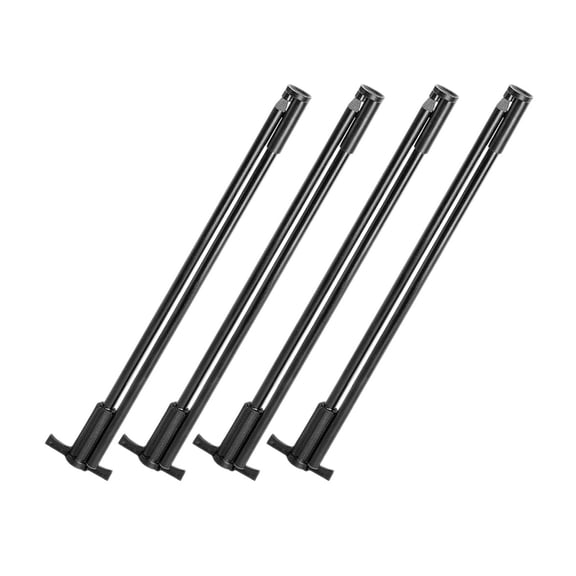
You should check stake style, assembly steps, and packed size before choosing a turkey decoy combo. You’ll want a setup that fits your walk-in distance, your blind space, and your tolerance for field assembly.
Matching turkey decoys to hunting scenarios
You can choose spring turkey decoys differently depending on cover, calling style, and how aggressive you want the setup to look. You’ll often build a spread around one focal bird and then add support pieces.
If you hunt open ground, you may place an upright hen where birds can spot it from farther away. If you hunt near timber edges, you might use a feeder with a lower profile. You can shape the scene around the line of sight.
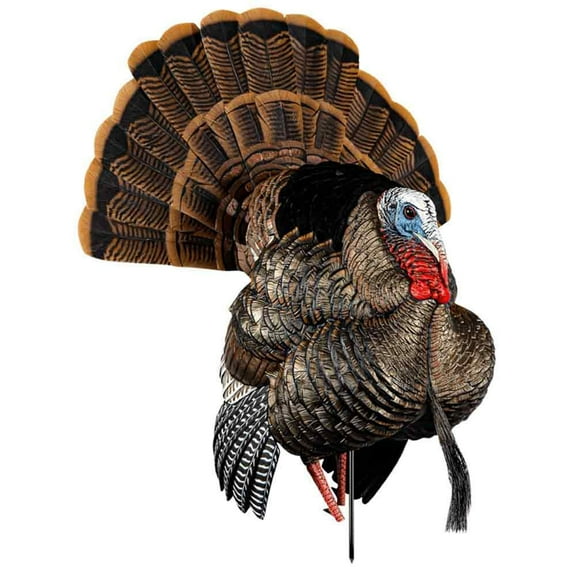
When you want a common pairing, you might use a hen with a jake turkey decoy to suggest competition. If you want a larger display, you may compare a tom turkey decoy or gobbler profile with motion accents. You’ll tailor that choice to space and visibility.
You should also think about transport when you carry several decoys, a vest, and other hunting decoys into one location. You’ll appreciate lightweight or collapsible options when you need a faster setup after a long walk.
If you’re refining a focused spread, you can compare posture, finish, and portability instead of guessing from one photo. You’ll feel more confident when your turkey decoys match your terrain, carry plan, and target reaction.