

Full Coverage Concealers & Under Eye Makeup | Walmart




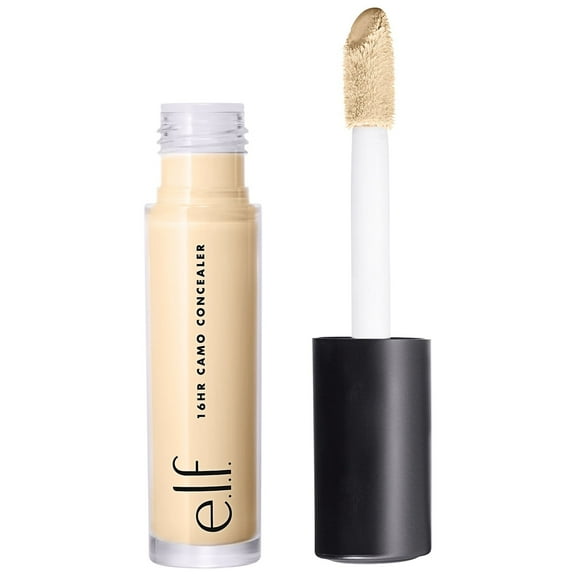


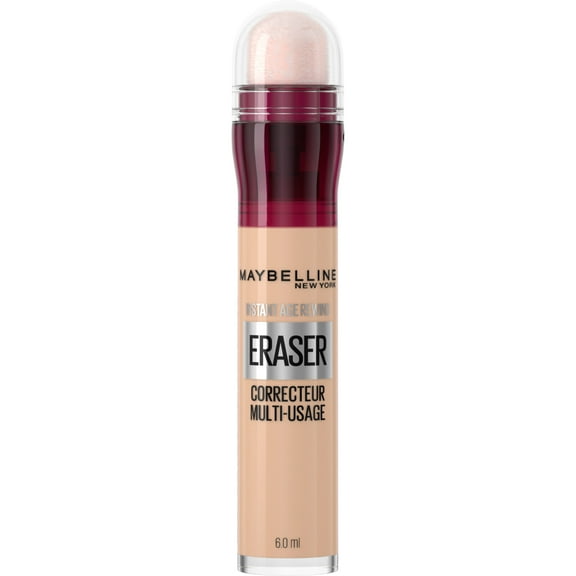


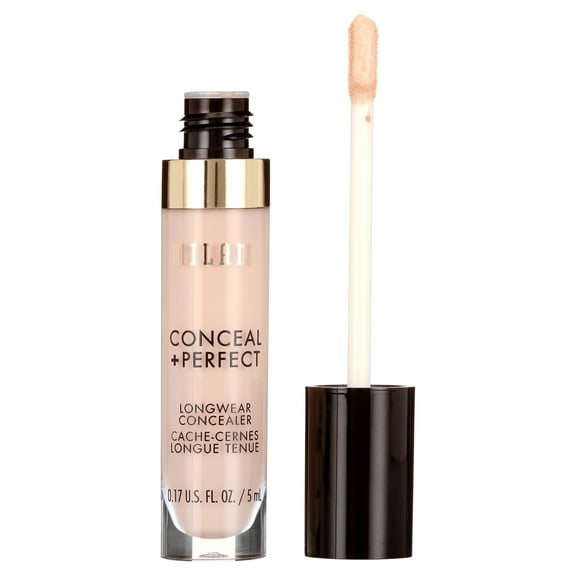


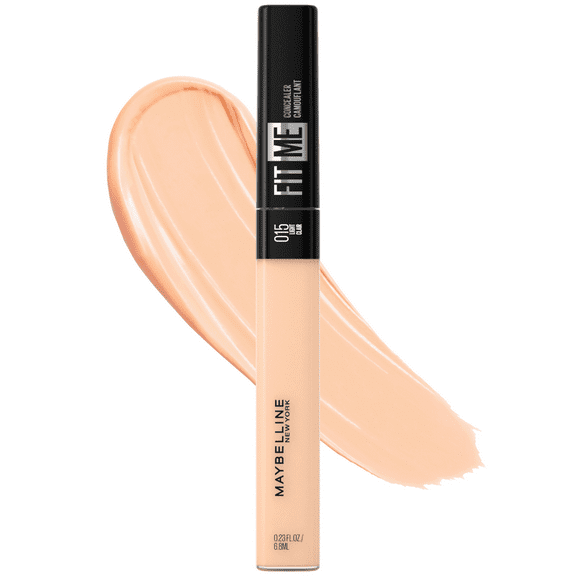


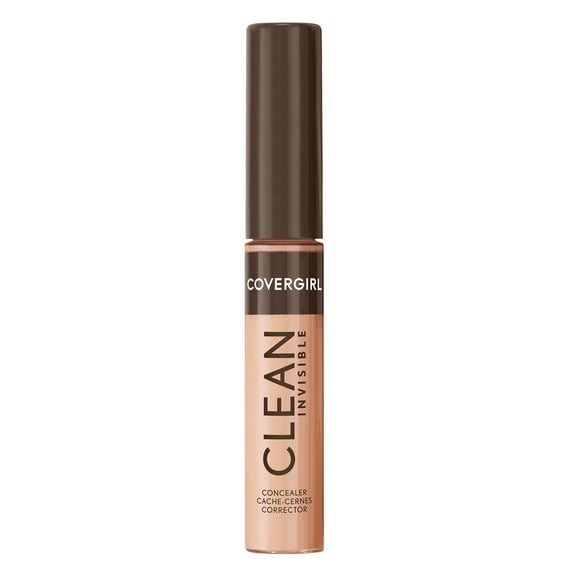





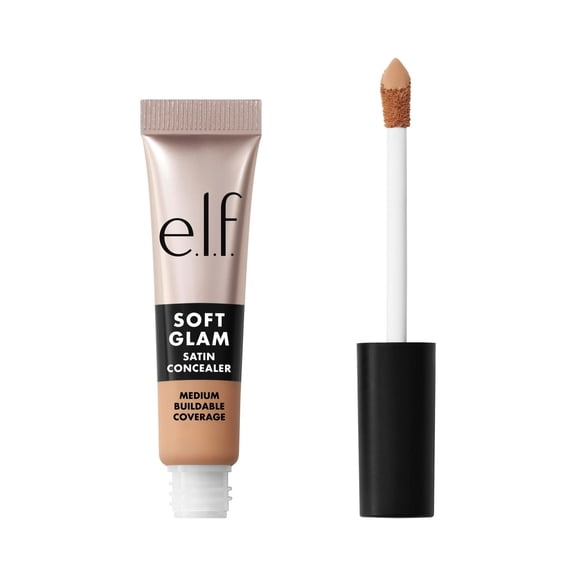










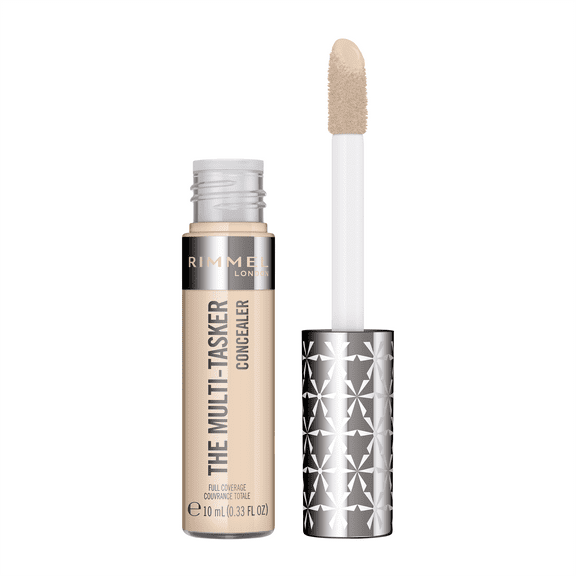


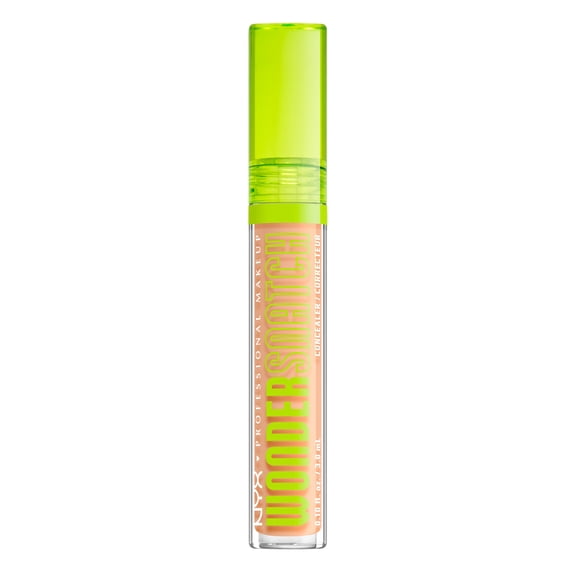


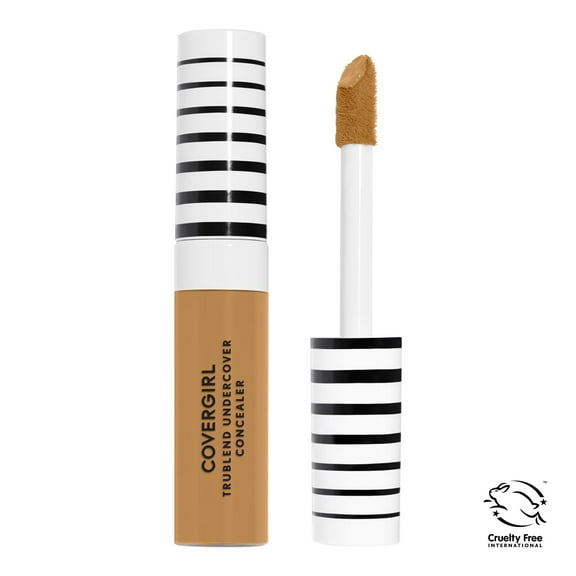


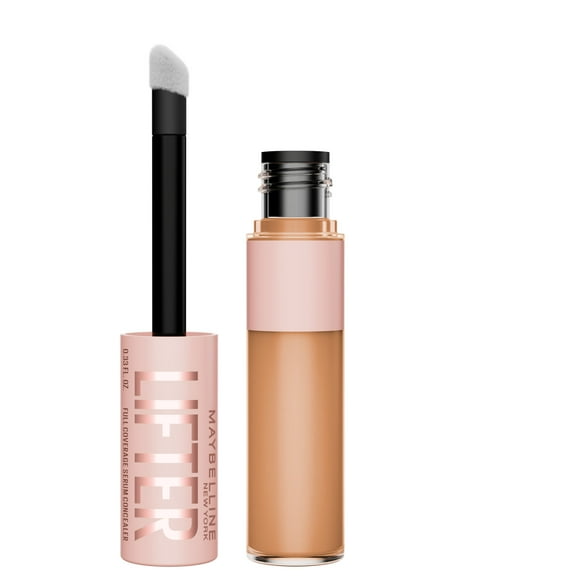


























About Full Coverage Concealers & Under Eye Makeup | Walmart - Walmart.com
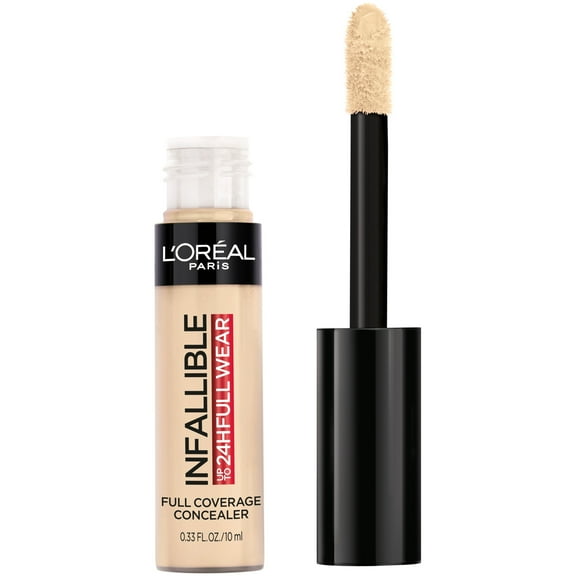
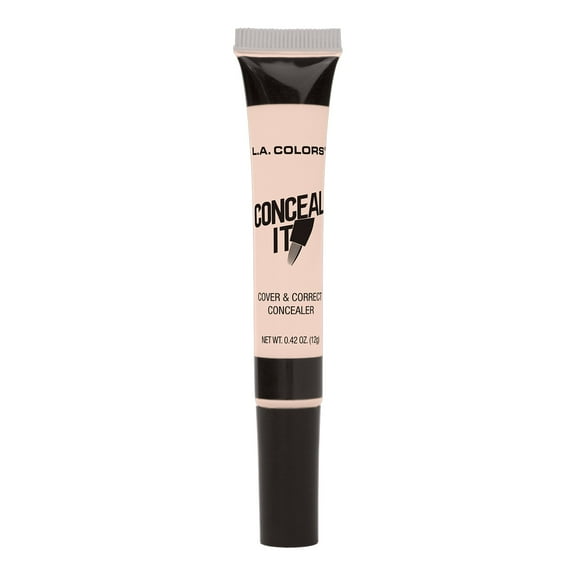
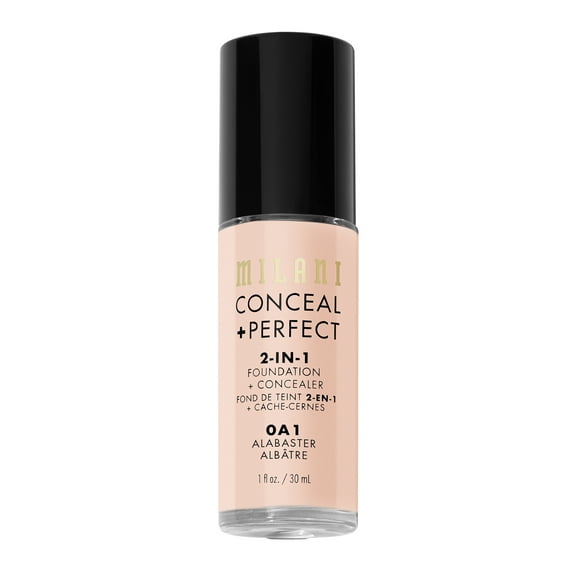
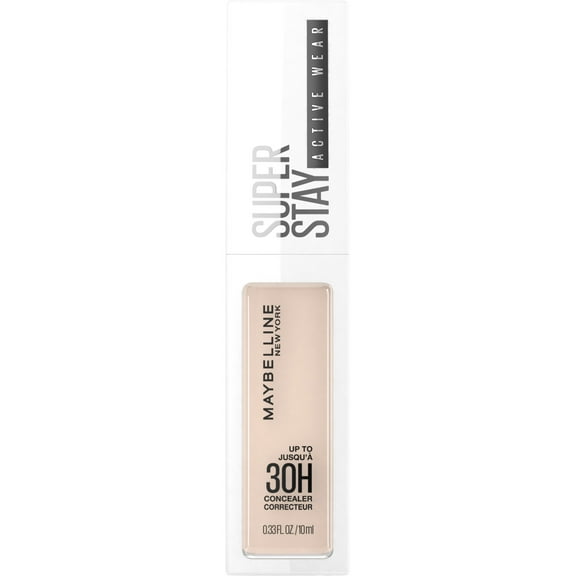
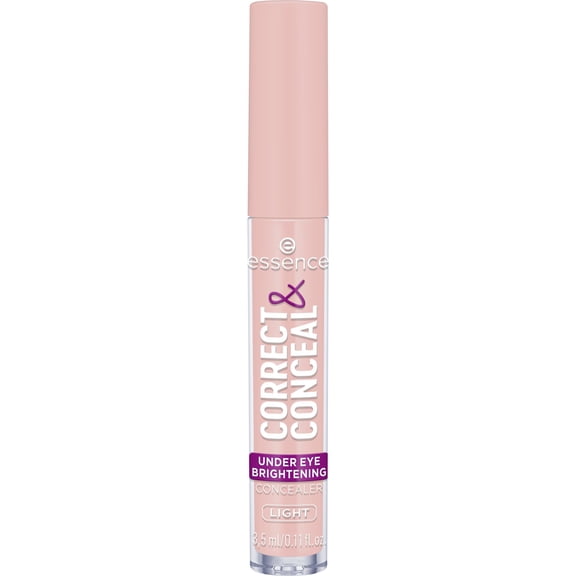
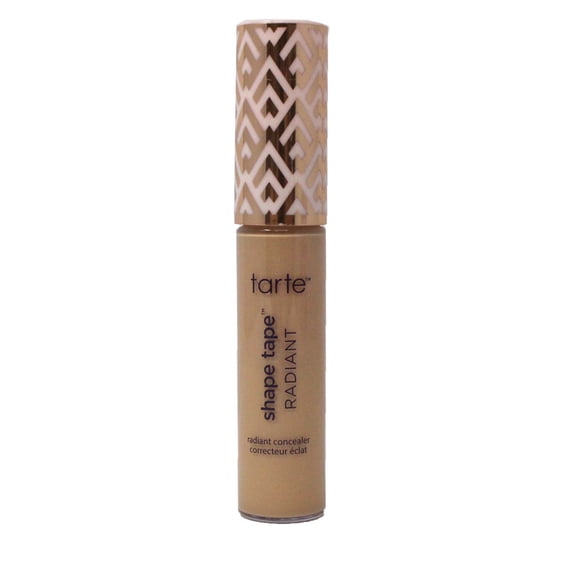
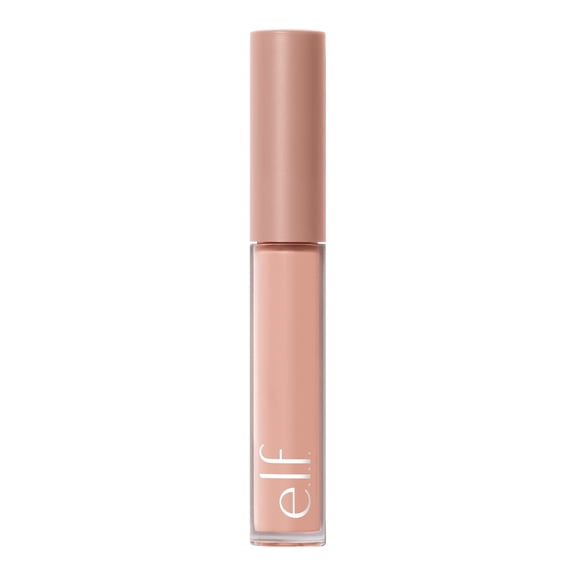
Concealer helps you brighten under eyes, blur blemishes, and even tone with targeted coverage that fits your routine and preferred finish. You can compare coverage, formulation, finish, and color correction options, so your makeup looks smooth in everyday wear.
How to choose concealer coverage
Coverage is your first decision, because it changes how much of your skin shows through. You may want sheer coverage for light brightening, medium coverage for daily touchups, or full coverage concealer for spots that need more payoff.
Under eye concealer often works differently than blemish coverage, so you should match the formula to the area. You may prefer lighter coverage under eyes, while you may want denser coverage on dark spots or redness.
- You can use sheer coverage when you want skin to look fresh and lightly even.
- You can choose medium coverage when you want flexible wear for workdays and quick touchups.
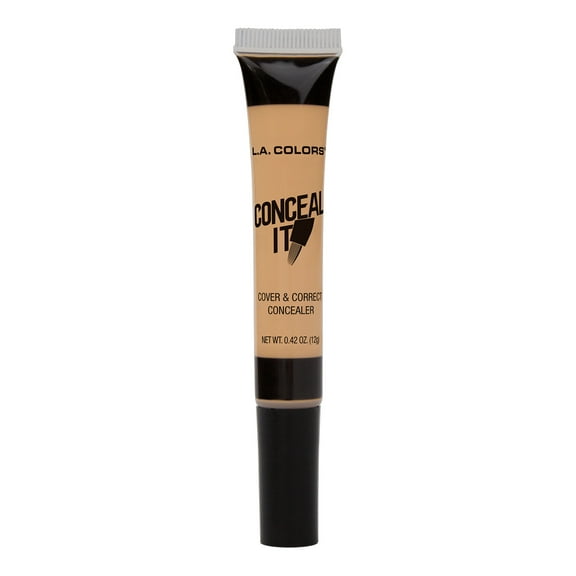
- You can reach for full coverage when you want stronger masking on blemishes, dark spots, or uneven areas.
Shade matching matters just as much as coverage, because your concealer should blend with your skin tone. You should compare undertones closely, so your finish looks natural instead of too warm or too cool.
Choosing liquid concealer and other formulations
Formulation shapes how your concealer spreads, layers, and sets across different parts of your face. You can compare liquid, cream, stick, and pot options by texture, control, and the finish you want.
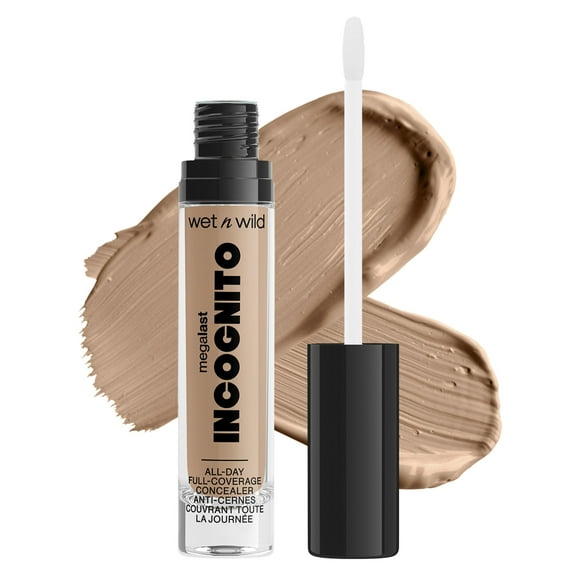
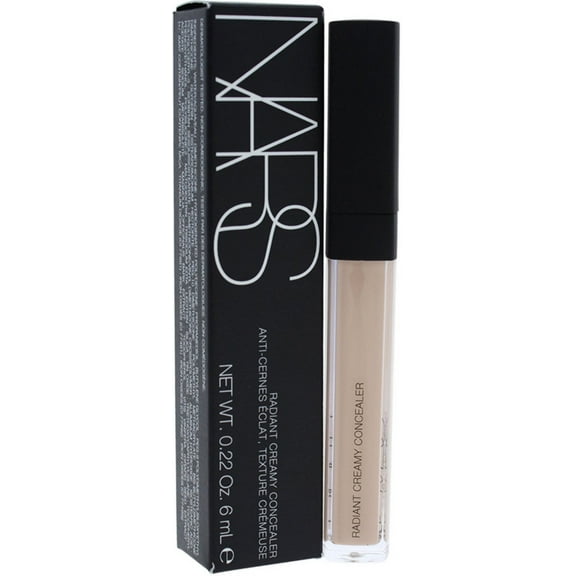
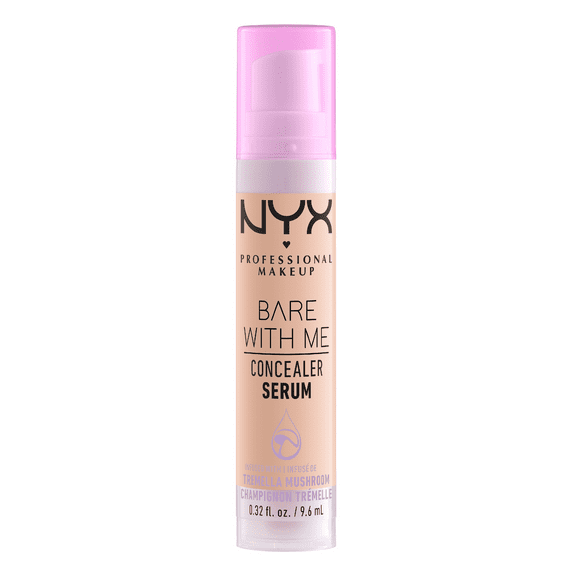
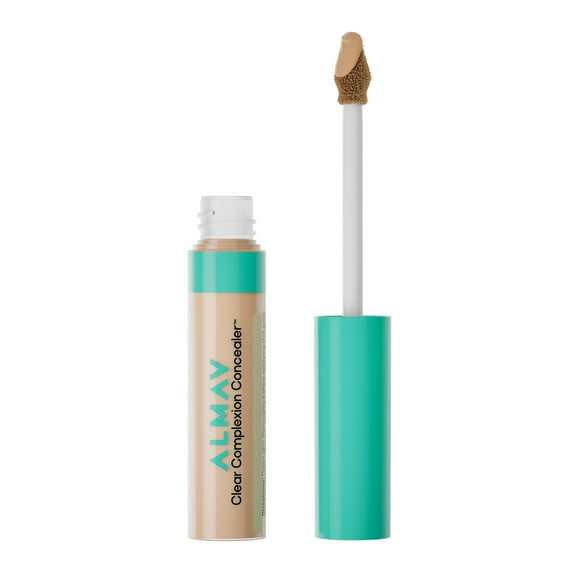
Liquid concealer usually gives you easy blending and flexible layering, which helps when you build coverage slowly. You may like that texture for under eyes or dry areas where you want a smoother look.
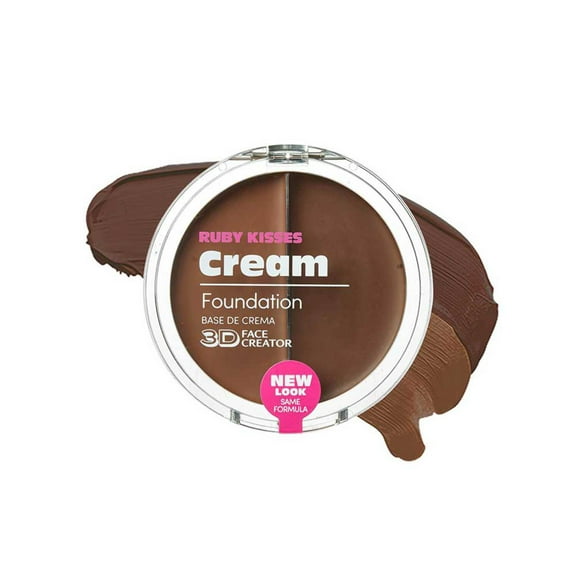
Cream formulas can feel richer and more focused, so you can place coverage exactly where you need it. You may lean toward matte concealer textures when your skin gets shiny and you want a more velvety finish.
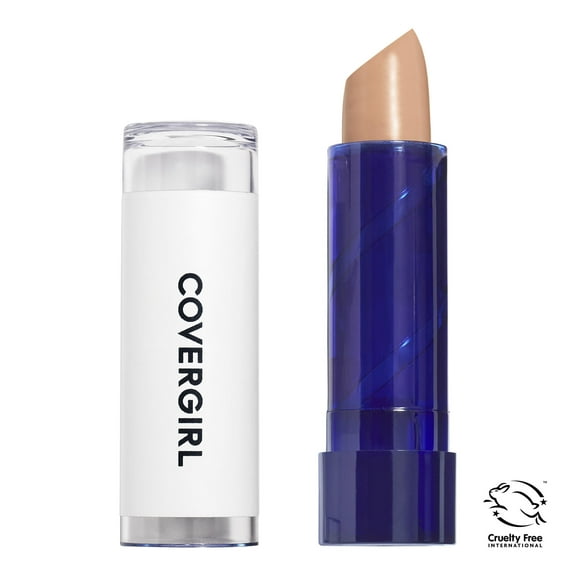
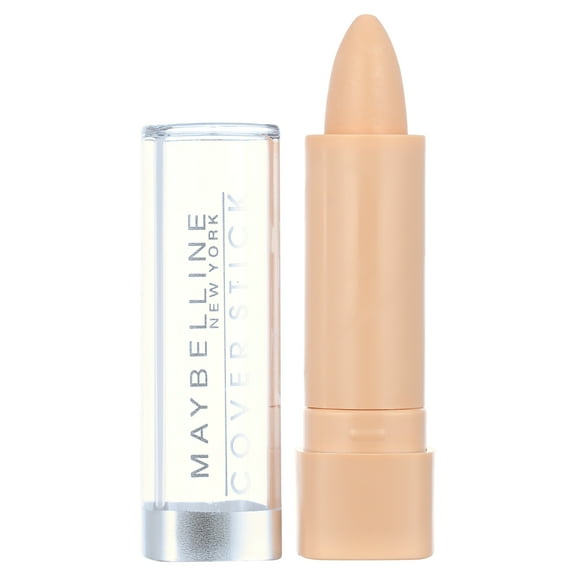
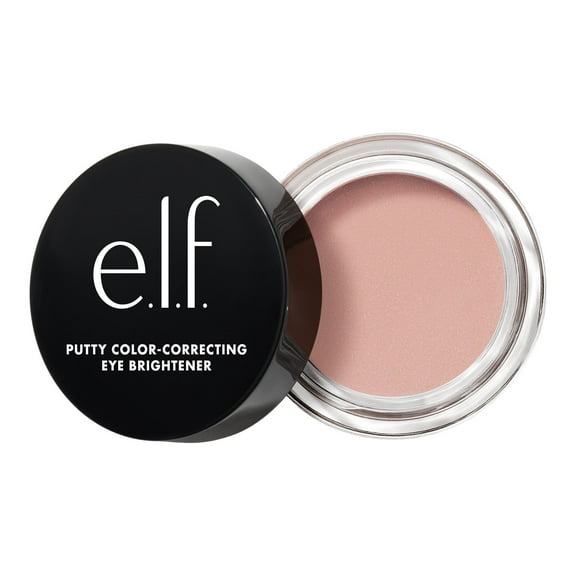
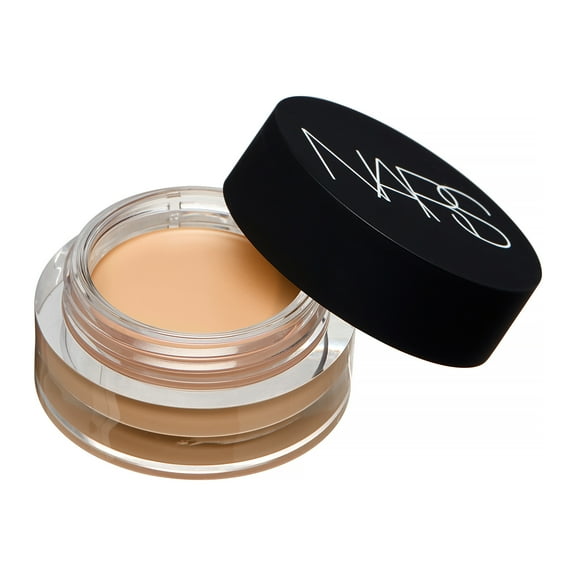
Stick concealers can help you swipe on quick coverage during busy mornings or travel routines. Pot formulas can give you more control for detailed areas, especially when you tap product onto smaller spots.
Comparing finish and target concerns
Finish affects how your concealer looks once it blends into foundation, primer, or bare skin. You can choose matte, dewy, satin, or natural finishes based on the look you want and how your skin behaves.
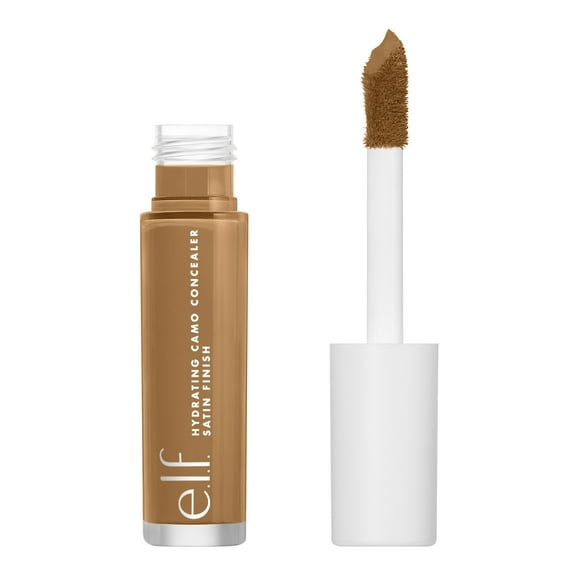
Matte finishes can help your makeup look more soft-focus through long days, especially on oily areas. Hydrating concealer and dewy finishes can look smoother when you want extra comfort around the eye area.
Your target concern should guide your finish, because different areas need different results. You may want under eye concealer with a light-reflective look, while blemishes may call for a more natural or matte finish.
Dark spots often look more seamless when you build in thin layers instead of one heavy swipe. Redness may blend more evenly when you pair steady coverage with a finish that matches the rest of your base.
How to use color correcting concealer
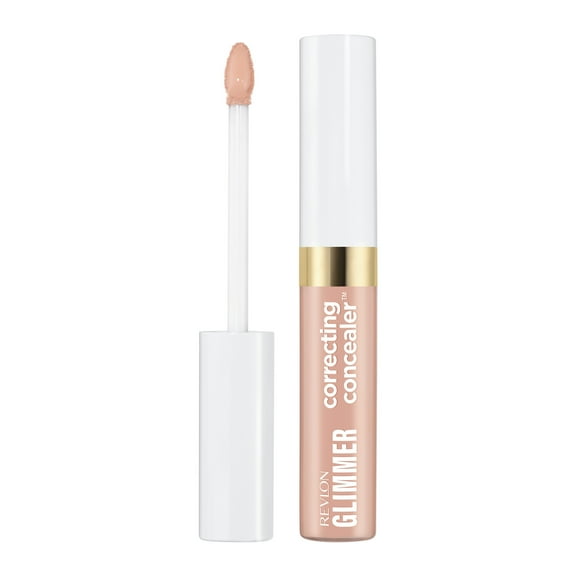
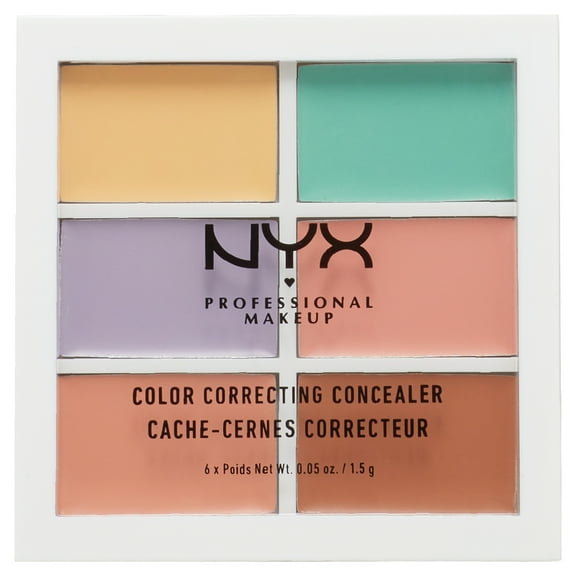
Color correcting concealer helps you adjust visible tones before you apply your skin-matching shade. You can use simple color wheel guidance to choose tones that visually balance the area you want to cover.
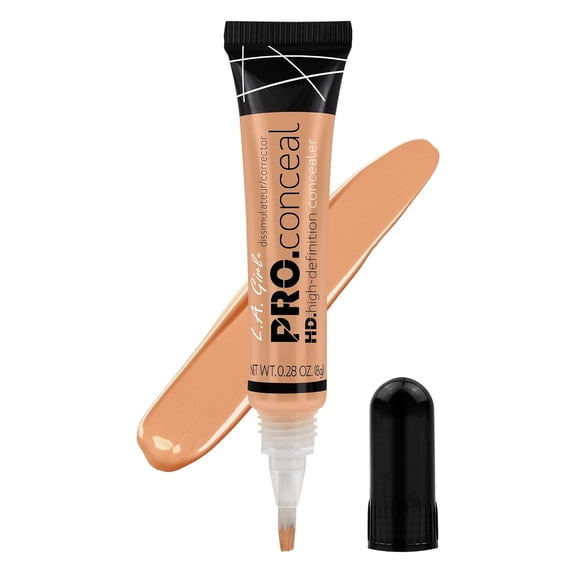
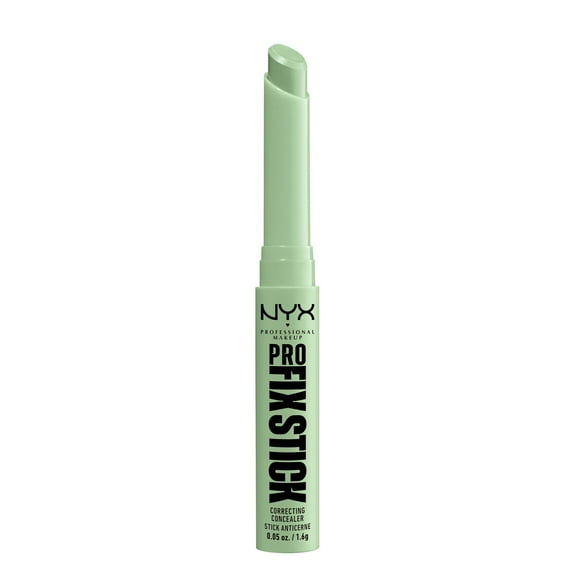
Green tones can help neutralize redness before you layer concealer on top. Peach or orange-leaning tones can help balance blue or purple under eye circles, depending on how deep your skin tone looks.
You should use thin layers when you color correct, because too much product can look heavy. You can tap on correction first, then add your regular concealer shade for a more even result.
This approach can work well when you want coverage without stacking too many thick layers. You may notice a smoother finish when you correct tone first, then refine coverage only where needed.
Matching concealer to your routine
You might want a fast everyday routine, a polished full-face look, or touchups that fit in your bag. You can choose formulas and finishes that match how much time you spend blending and layering.
If you wear foundation, your concealer should blend smoothly with that base and keep your tone consistent. If you skip foundation, your shade match matters even more, because your concealer sits directly against bare skin.
You may also pair concealer with related face makeup steps to refine your overall look. You can coordinate it with foundation, face primer, and setting powder when you want more even layering and smoother wear.
With the right concealer choices, you can target under eyes, blemishes, dark spots, and redness with coverage that looks balanced on your skin. You’ll get a more natural-looking finish when your shade, formula, and correction method work together.