


Up to 35% off FSA/HSA picks
So many choices: baby, wellness & more.

Savings on FSA & HSA



































About
FSA HSA eligible items help you use tax-free health savings on everyday essentials. With clear eligibility guidance, you can sort options by category, account type, and checkout method.
How to choose FSA HSA eligible items
Start with account compatibility before you compare sizes, formats, or brands. You can look for FSA eligible, HSA eligible, or dual eligible labels that match your plan.
Next, check whether an item follows current IRS guidelines for your account. That step helps you narrow choices and keep your checkout records organized.
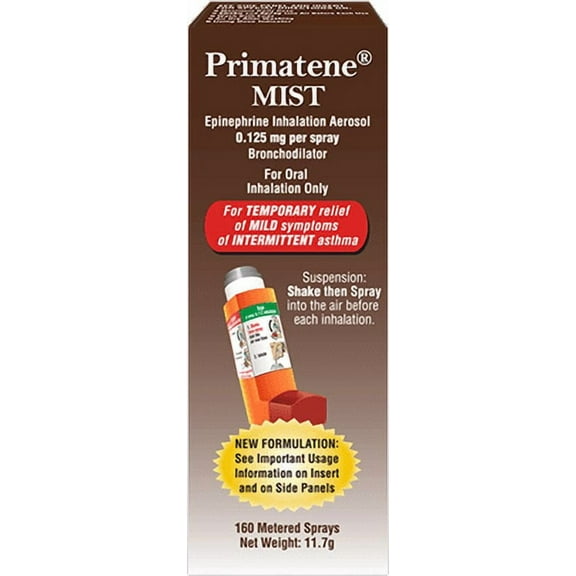
Some items qualify without extra paperwork, while others may need a prescription. When you know whether an item is OTC or Rx required, your selection process feels more direct.
Choosing the right product category
You can focus your search by starting with the product category that fits your routine. Common paths include over-the-counter medicine, first aid, eye care, and baby care.
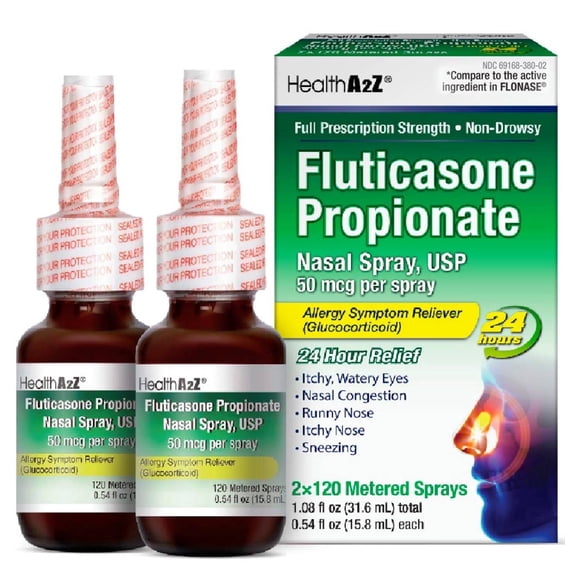
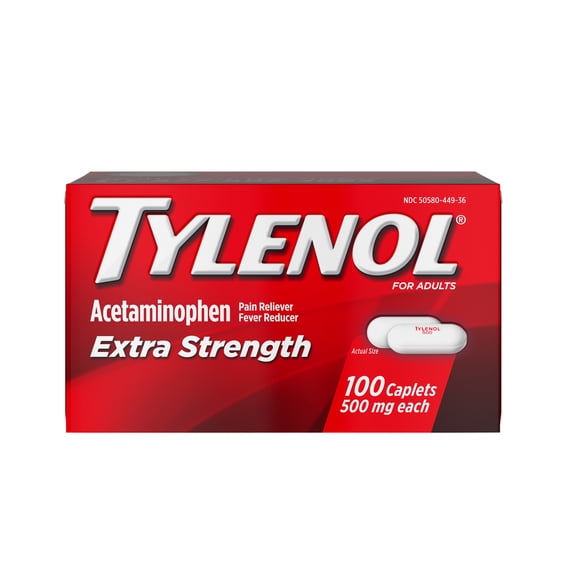
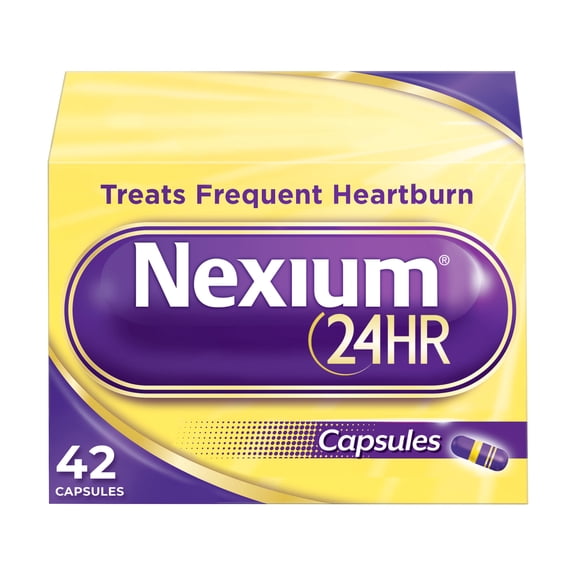
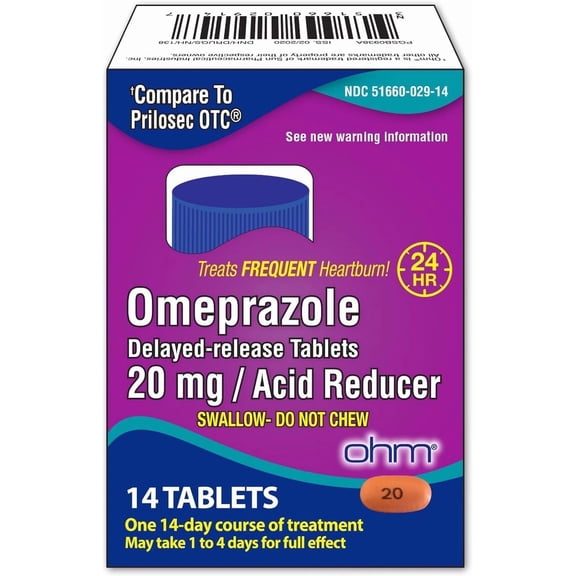
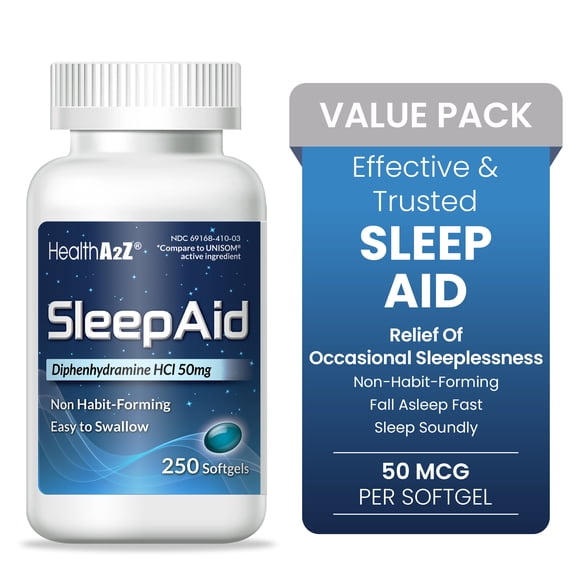
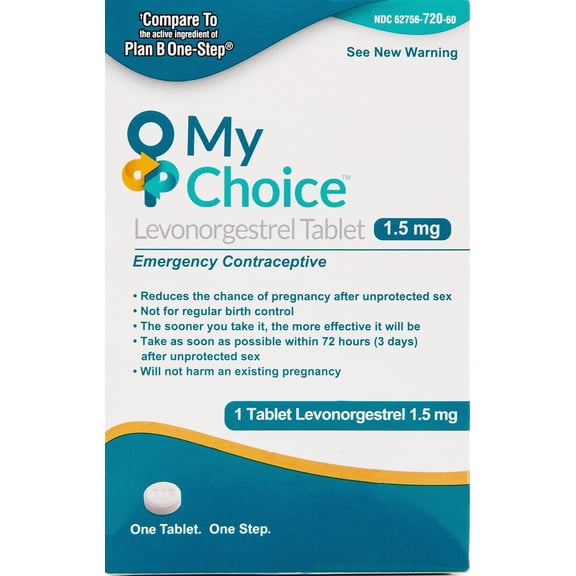
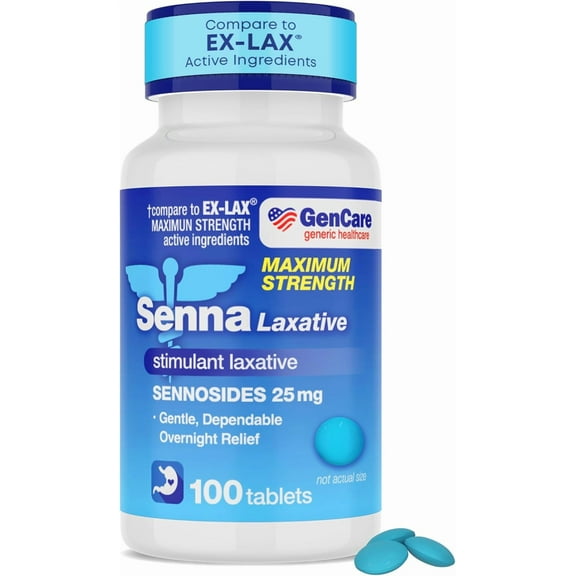
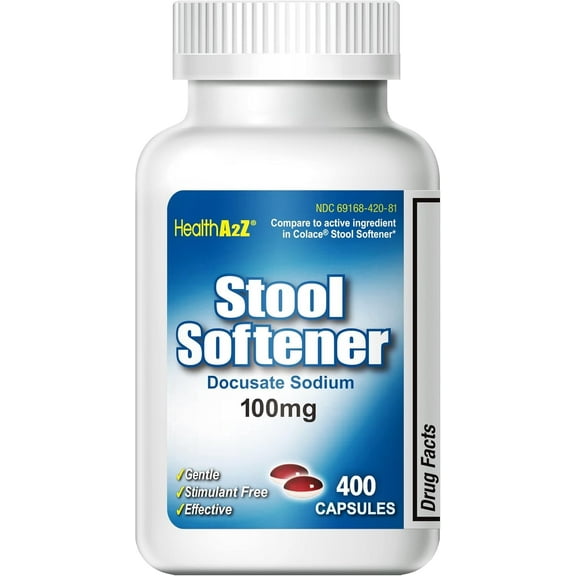
For over-the-counter medicine, you may compare tablets, liquids, or creams based on your household setup. Package form matters when you want a format that fits storage and daily use.
In first aid, you can look for bandages, gauze, wraps, and other medical supplies. Clear category grouping helps you keep home, travel, and desk kits stocked with the right basics.
With eye care, you may compare contact lens supplies, drops, wipes, and related devices. Product details can help you confirm whether a selected item matches your account rules.
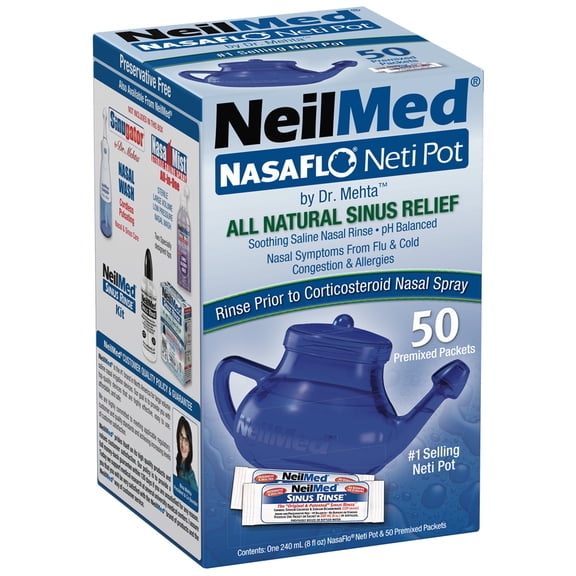
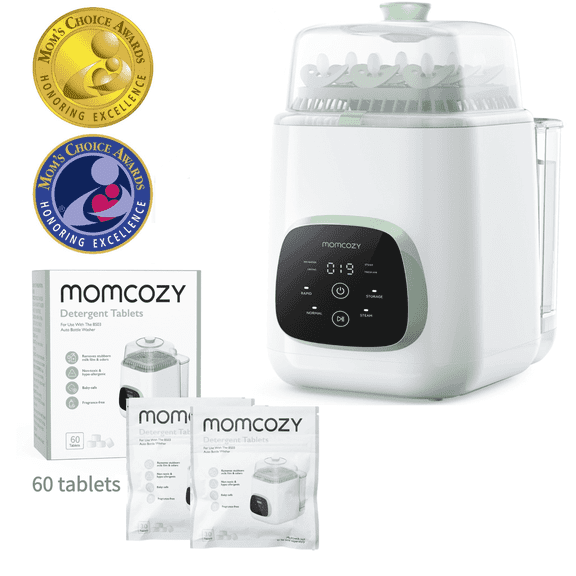
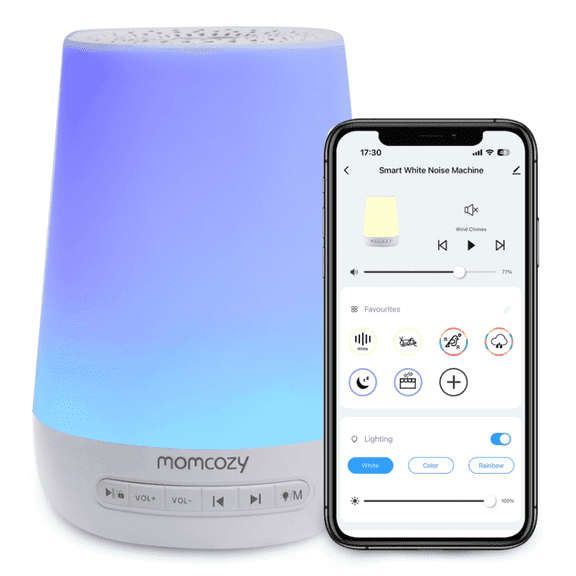
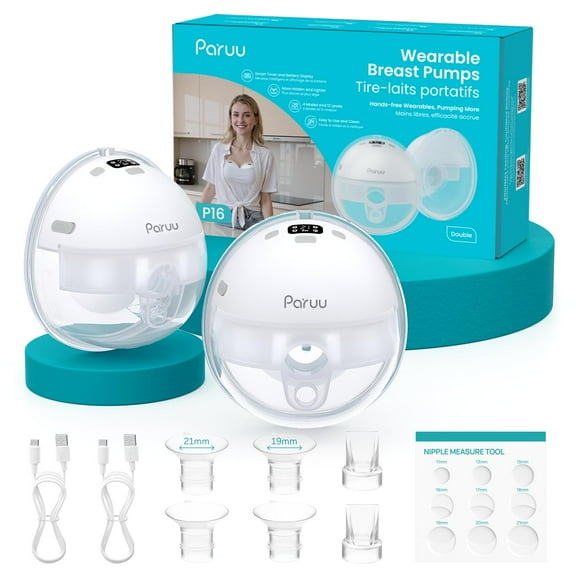
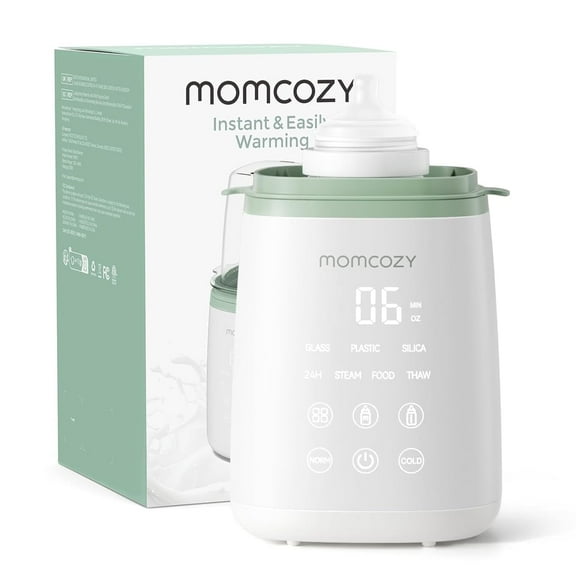
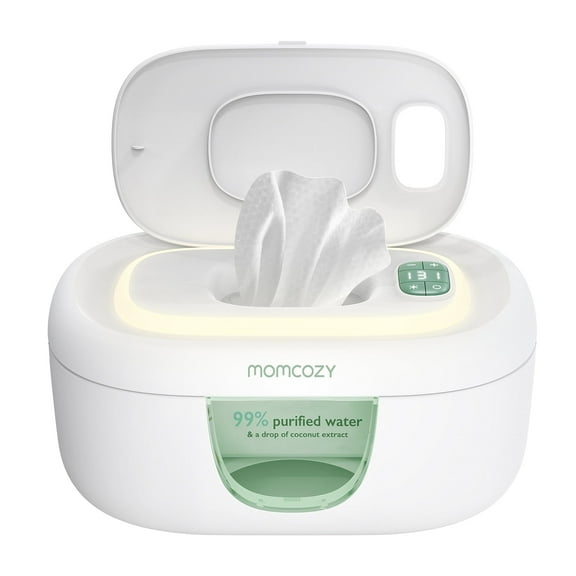
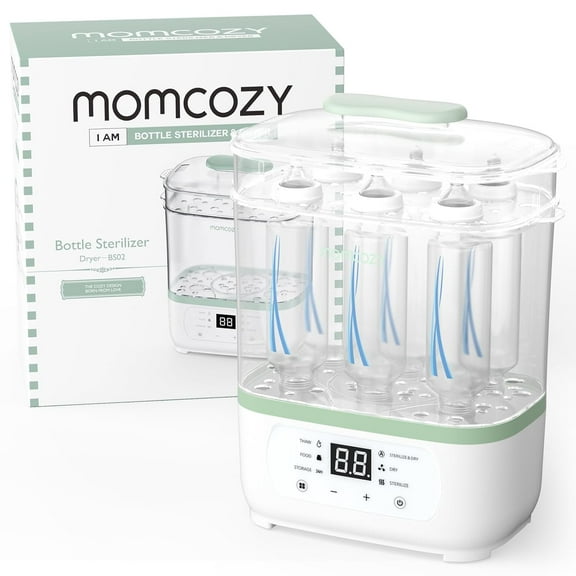
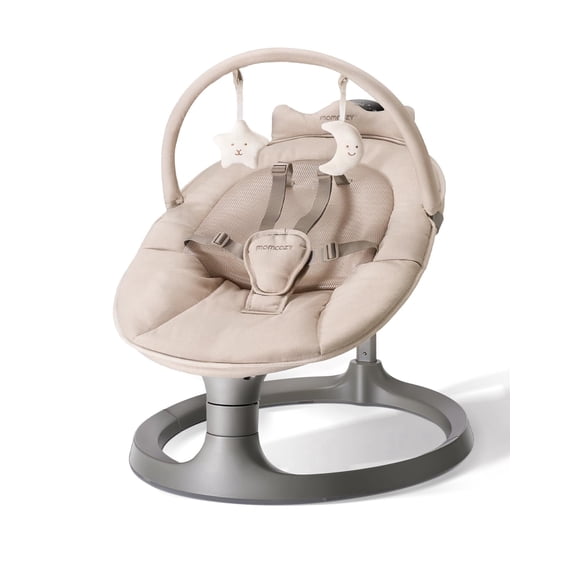
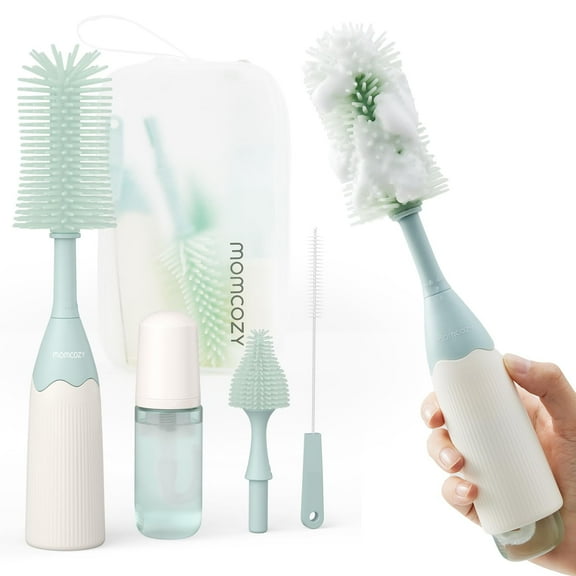
For baby care, many shoppers look for FSA eligible baby products tied to daily parenting needs. You may notice thermometers, nasal care tools, and other family-focused essentials.
What eligibility labels mean for your account
Compatibility labels give you a practical shortcut when you review eligible health products. You’ll often see items marked for FSA use, HSA use, or both account types.
If you have access to both account types, dual eligible items may support more flexible planning. That approach can feel especially useful during year-end FSA deadline shopping.
- You can look for dual eligible status when you want one item to fit either account type.
- You can check whether OTC items need a prescription before you complete your order.
- You can review product details for eligibility notes connected to current account rules.
- You can keep receipts when your plan asks for documentation after purchase.
Eligibility can depend on the exact item, not only the broad category name. For that reason, you can check each product page before you pay.
Comparing OTC, Rx required, and form factors
You can make decisions more easily when you separate OTC FSA eligible items from products that need a prescription. That difference often appears in over-the-counter medicine and certain specialized care items.
Current rules allow many OTC choices without a prescription, including items affected by CARES Act updates. Even so, you can still review listing details because eligibility may vary by item.
Form factor also matters when you choose what fits your routine. You may prefer tablets for travel, creams for spot use, devices for tracking, or bandages for quick coverage.
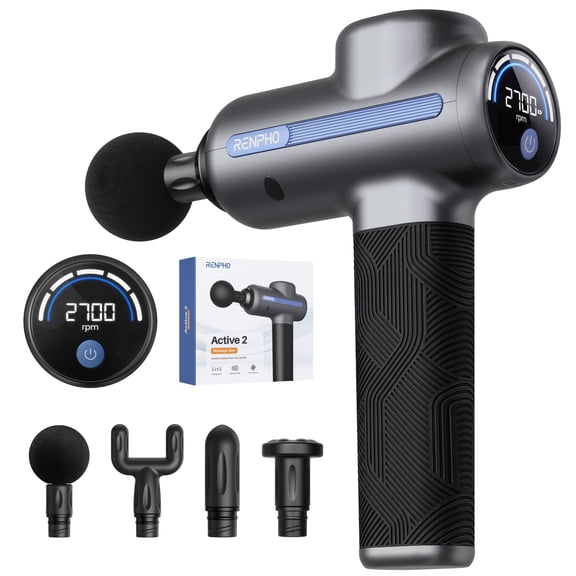
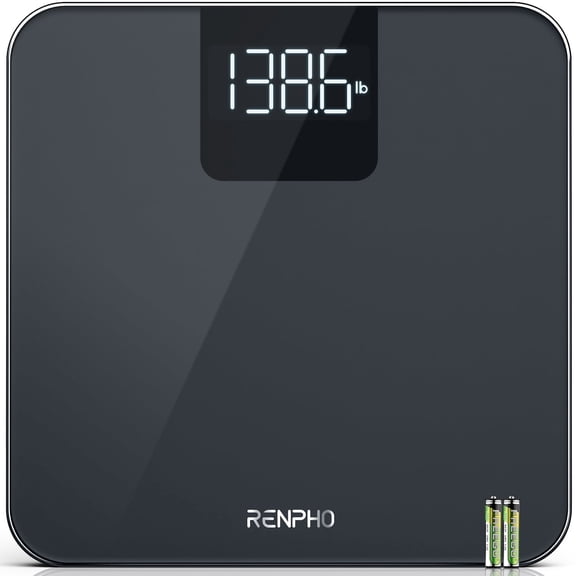
When you compare devices, you can review size, display style, and intended use. Those details help you understand setup, storage, and everyday handling before checkout.
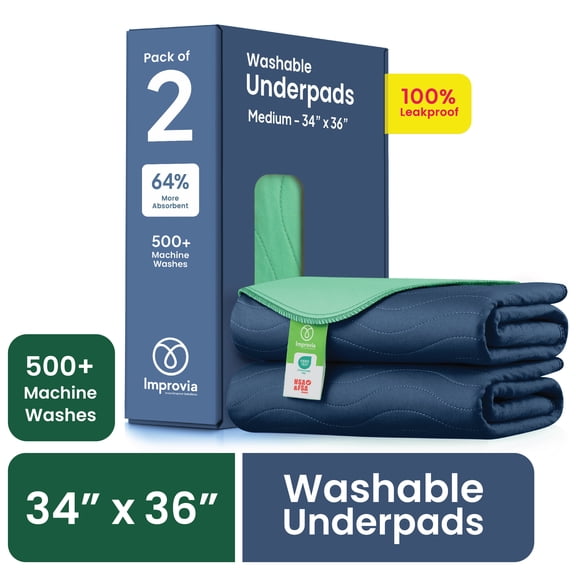
For bandages and first aid supplies, you can consider pack count and adhesive style. Shape options may also matter when you’re covering fingertips, knees, or larger areas.
How to use your FSA HSA store checkout options
You can approach an FSA HSA store purchase with a clear payment plan. Before checkout, you may want to confirm eligibility so your order records stay organized.
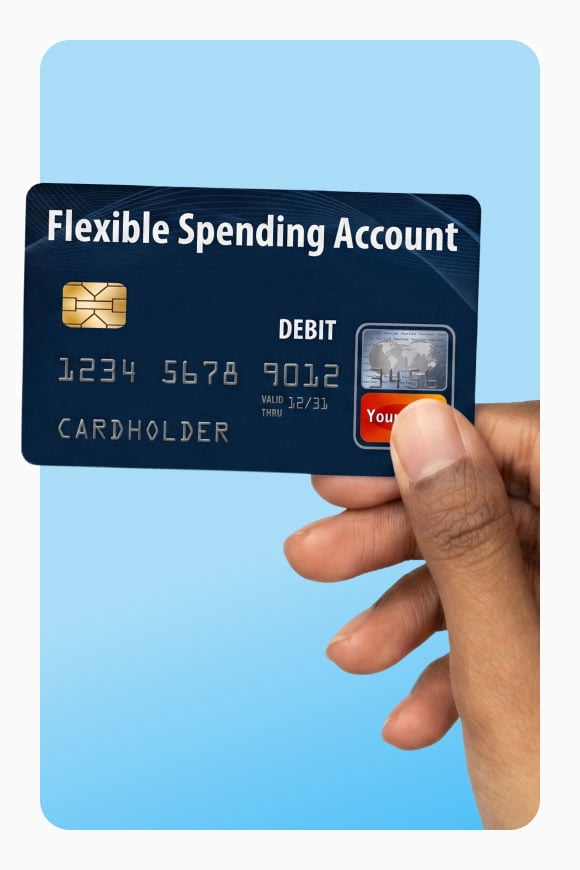
If your plan supports card payment, you can enter your FSA or HSA card like another payment method. That option gives you direct purchase tracking through your order details.
Some plans ask you to submit receipts after purchase instead of paying directly with the card. In that case, you can keep order information easy to find for later documentation.
Mixed carts may also need extra attention before you place an order. You can separate eligible items from non-eligible products when your plan calls for tidy records.
Using FSA HSA eligible items in real life
You can build a focused refill list when account deadlines start getting closer. Many shoppers prioritize first aid, eye care, and over-the-counter medicine used in daily routines.
During travel prep, compact tablets, bandages, and small care devices may fit more easily into your bag. You can also add baby care basics when you’re packing for family trips.
At work, you may keep first aid and eye care items within easy reach. Organized supplies help you support your routine away from home without extra guesswork.
If you’re stocking a nursery or family cabinet, you can compare baby care tools and gentle-use essentials. You may also look for HSA approved items that fit regular replacement cycles.
When deadlines approach, use-it-or-lose-it FSA rules can shape how you plan your list. Reviewing eligible categories early helps you apply remaining funds to practical household needs.
Why FSA HSA eligible items are easier to evaluate here
When eligibility, prescription status, and form factor are easy to review, your decisions feel more informed. You can use tax-free health savings on items that match your routine and account rules.