

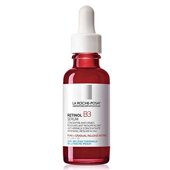
Mauve & Plum Lipsticks: Matte, Satin & Nude Shades


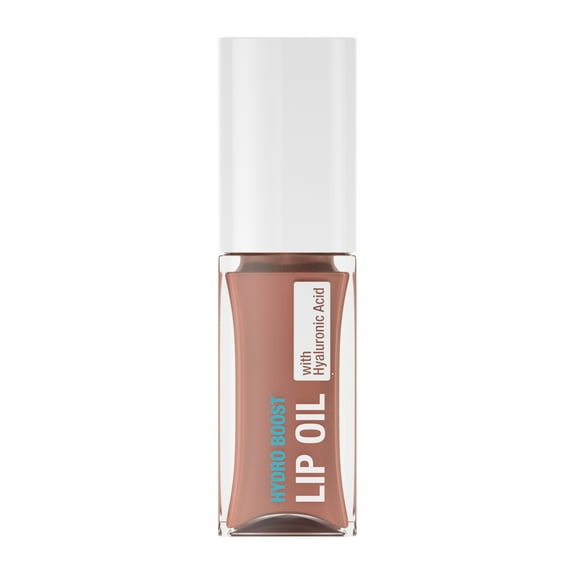
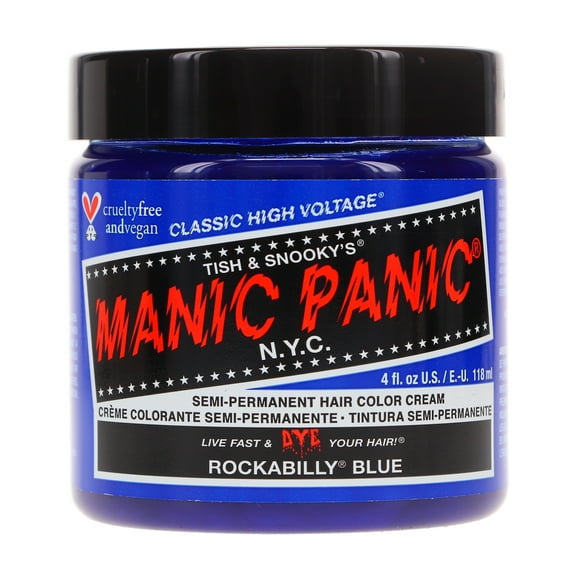
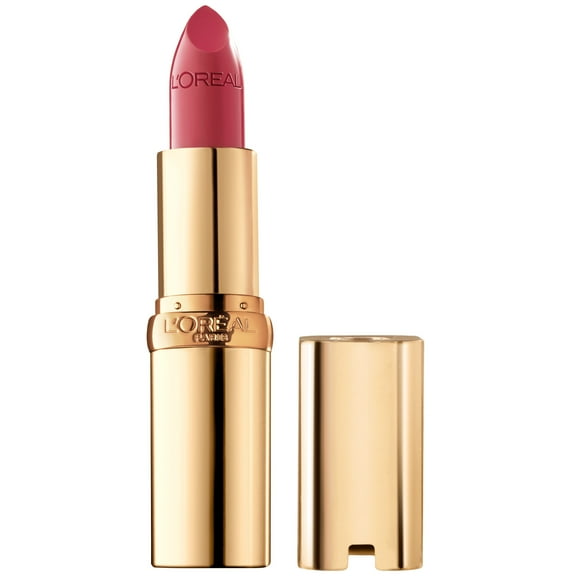


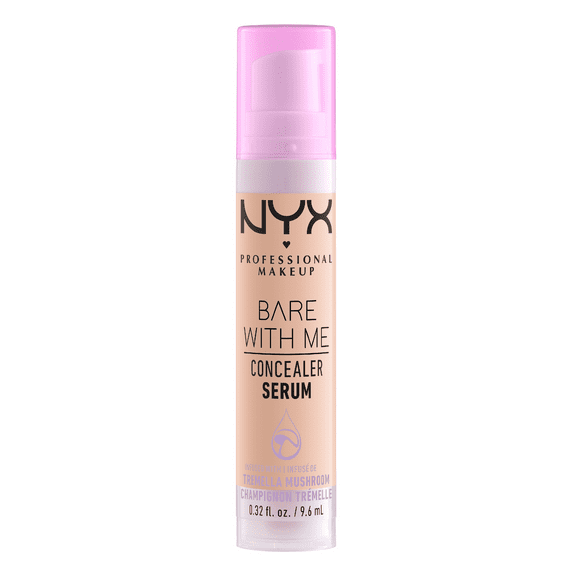


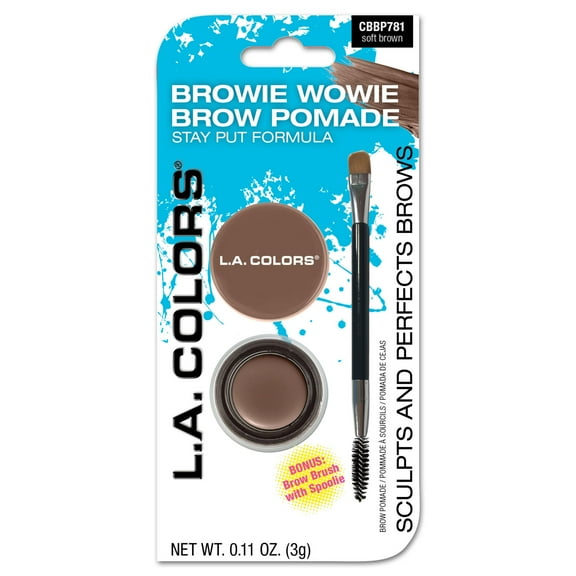


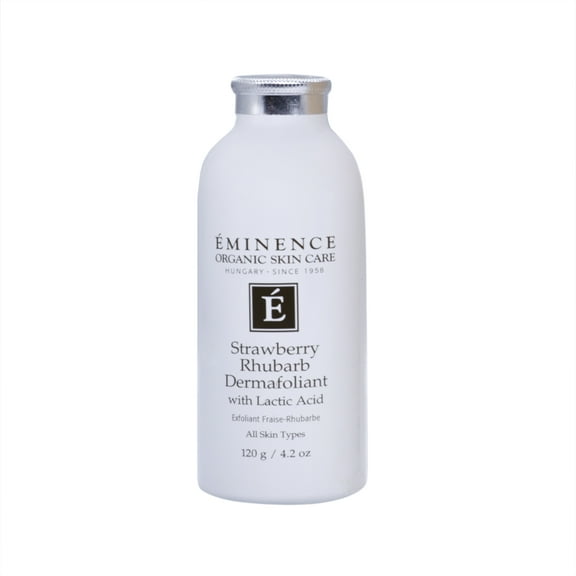


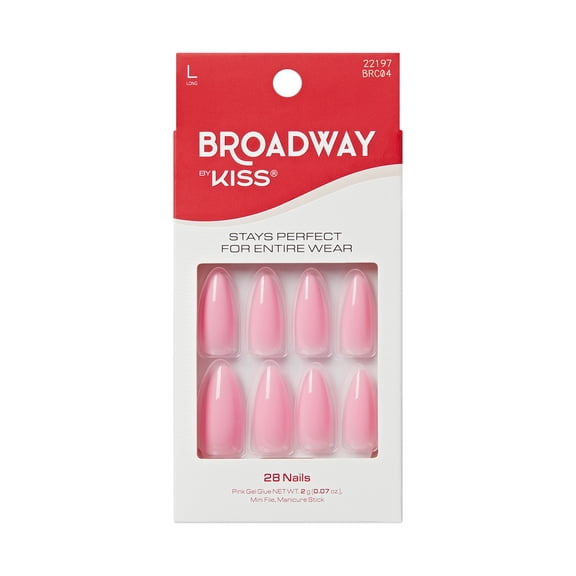




















About Mauve & Plum Lipsticks: Matte, Satin & Nude Shades - Walmart.com
You can compare beauty products more easily when one page brings makeup, skincare, hair care, and fragrance into one routine-focused destination. You’ll find everyday essentials, giftable picks, and category guidance that helps you choose formulas, finishes, and formats that fit your daily habits.
If you’re building a full routine, you can move from cleansers and serums to mascara, shampoo, and body mist without losing focus. You’ll also spot options for dry, oily, sensitive, and combination skin, plus formulas shaped around damaged, color-treated, dry, and curly hair.
How to choose beauty products by product type
When you compare product types, you should start with the step you want to add or replace in your routine. You may want makeup and cosmetics for color, skincare products for daily prep, hair care products for wash days, or fragrance for a final layer.
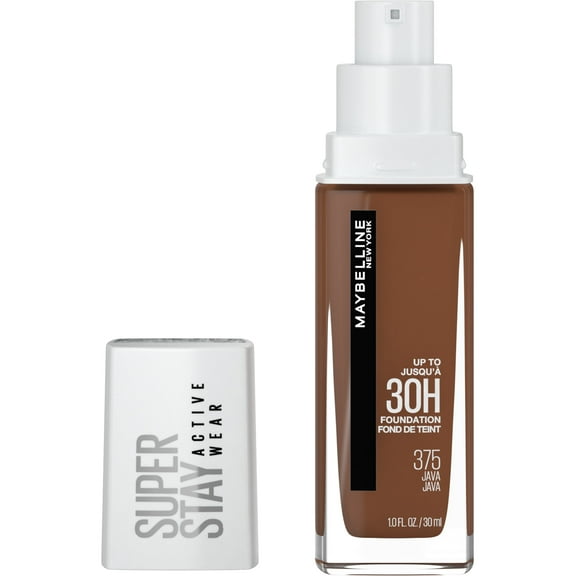
For makeup, you can compare foundation coverage, lip color texture, and eye products by wear time and finish. If you want natural-looking results, you should look for shades and formulas that blend smoothly with your skin tone.
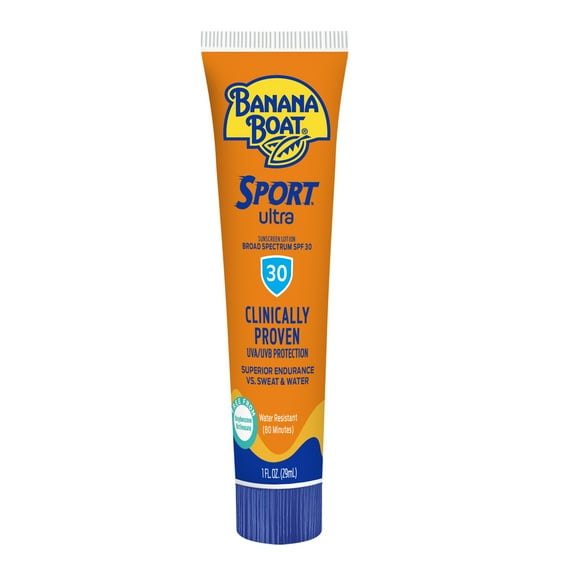
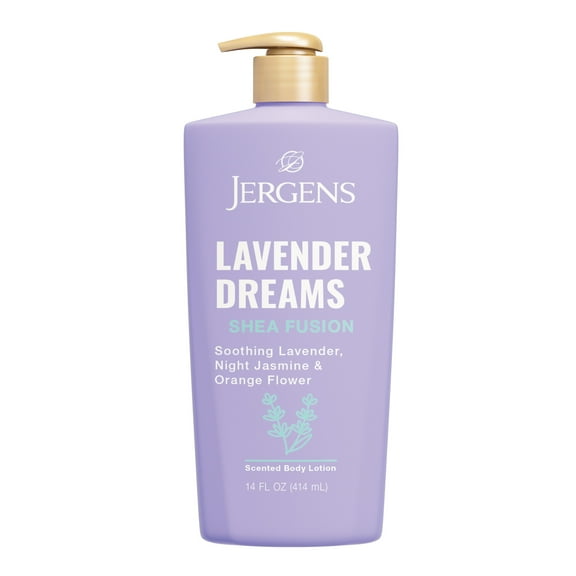
With skincare, you can sort products by cleanser, moisturizer, serum, mask, or sunscreen format. If you use products every day, you should compare texture, absorption, and how easily each step fits morning or evening use.
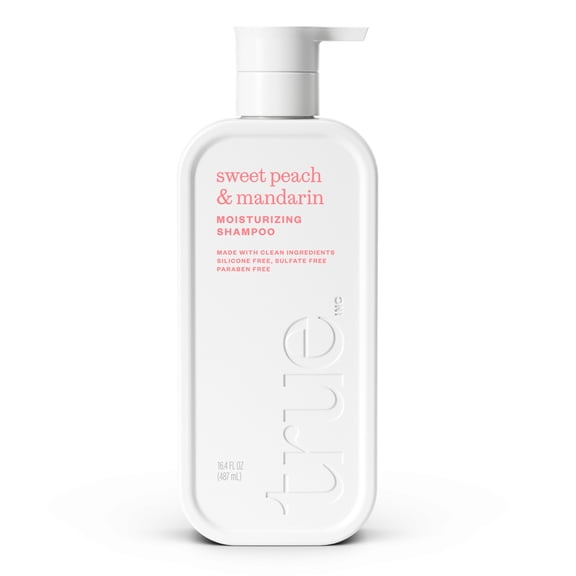
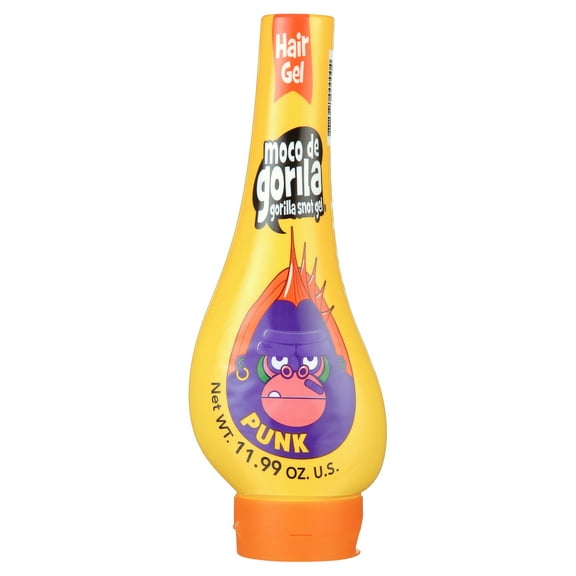
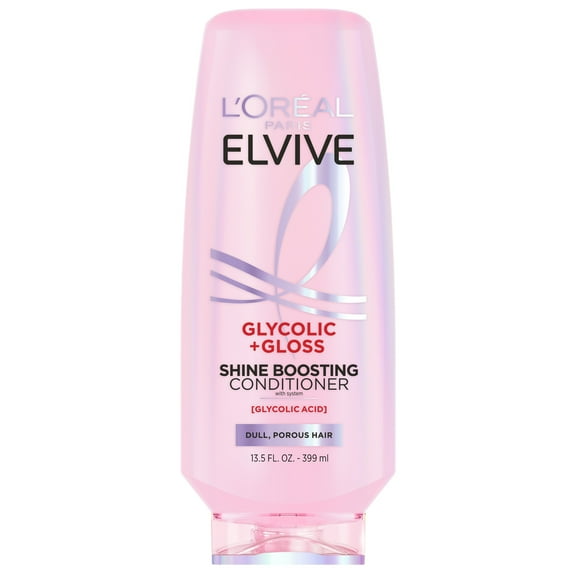
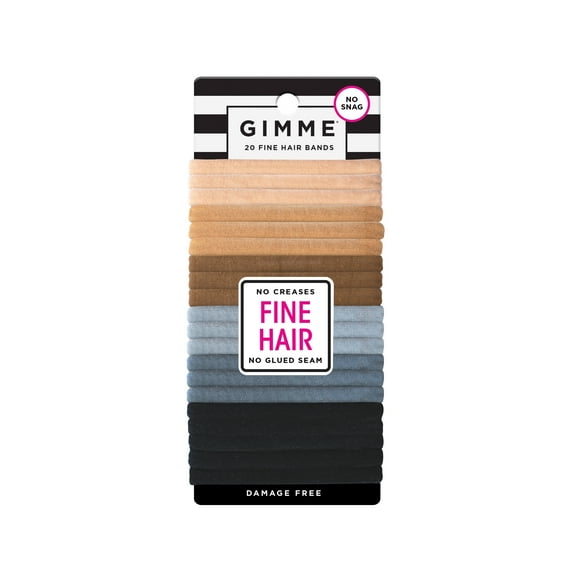
For hair care, you can match shampoo, conditioner, masks, oils, and stylers to your texture and routine. If you wash often, you may prefer lightweight formulas, while weekly treatments can add a richer feel.
- You can build one routine across skincare, makeup, hair care, and fragrance.
- You can compare daily staples with weekly treatments and seasonal beauty supplies.
- You can narrow choices by finish, texture, format, and intended routine step.
Choosing skincare products for your skin type
Your skin type can guide texture and formula choices before you compare brand names or packaging. If your skin feels tight, you may prefer richer creams, while oily skin often pairs well with lighter gels.
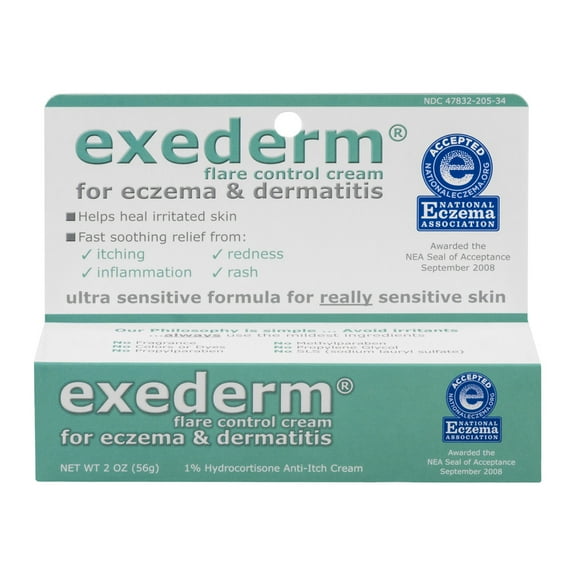
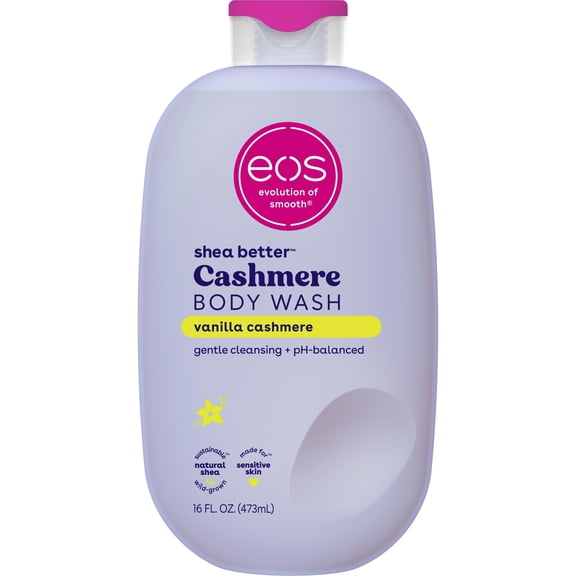
For sensitive skin, you should check labels and ingredient details before adding new steps. If your skin shifts through the week, combination options can help you balance dry areas and shine-prone spots.
You should also compare decision-critical terms in plain language so your routine stays easy to follow. Non-comedogenic usually means a formula does not feel heavy on pores, while paraben-free and sulfate-free can help you sort ingredient preferences quickly.
If you want skincare products for day and night, you should check whether the format fits both moments. A fast-absorbing serum may suit busy mornings, while a richer cream may feel right before bed.
What to look for in makeup and cosmetics
When you choose makeup and cosmetics, you should compare shade match, finish, and color payoff first. If your goal is even coverage, you may want complexion products that blend smoothly and layer without looking heavy.
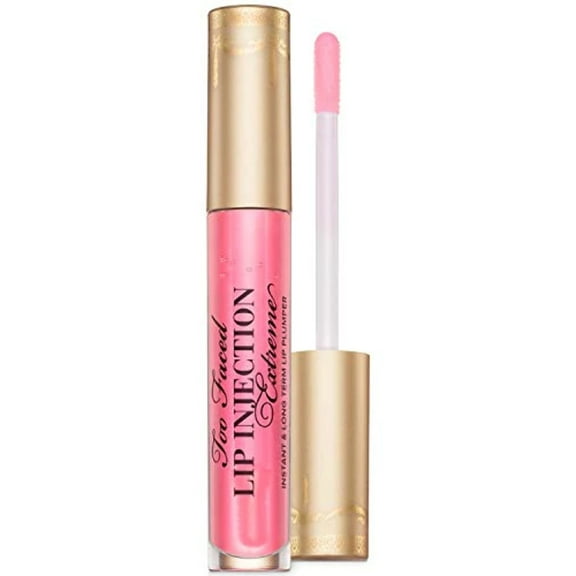
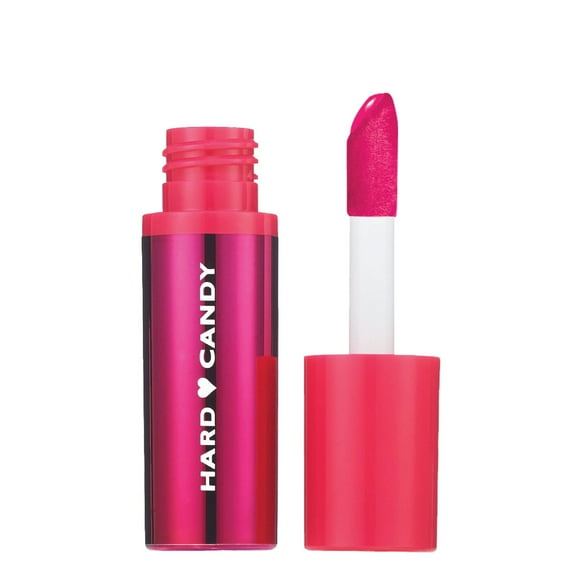
You can sort lip, eye, and face products by cream, liquid, powder, or stick formats. If you like touch-ups on the go, you may prefer compact shapes that fit easily into your bag.
Shade matching matters because your undertone and preferred coverage affect how color looks in different light. You should compare swatches, finish descriptions, and wear notes so your picks fit everyday looks or event-ready styles.
If you want a simpler routine, you can choose multitasking items that move from daytime to evening use. You may also keep beauty supplies like sponges, brushes, and removers nearby for smoother application and cleanup.
Comparing hair care products and ingredient preferences
Your hair type and hair concern should guide how you compare cleansing, conditioning, and styling steps. If your hair is damaged or color-treated, you may look for formulas that feel gentle during regular use.
For curly or dry hair, you can compare creams, masks, and leave-in products by richness and hold. If your hair gets weighed down easily, you should check whether a formula feels lightweight.
Ingredient preferences can also shape how you narrow beauty products across categories. If you look for vegan, cruelty-free, organic, or paraben-free options, you should read labels and product details closely.
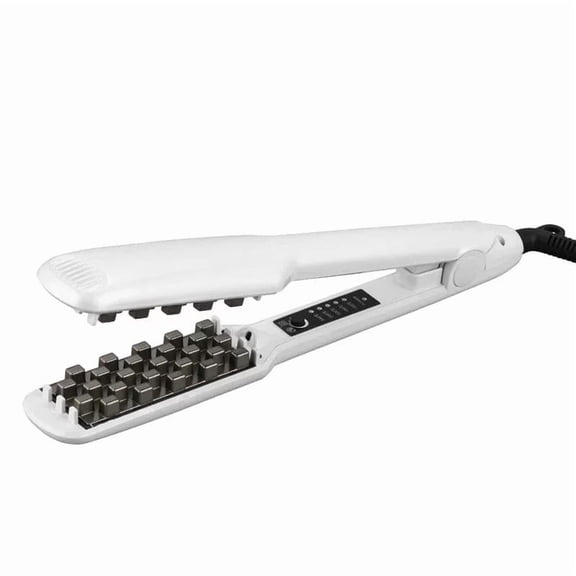
You may also compare sulfate-free hair care products when you want a gentler-feeling cleanse in your routine. If you style often, you can pair wash-day basics with oils, serums, and finishing sprays for a more complete setup.
Matching beauty products to daily and weekly routines
You can make choosing easier when you separate daily use from weekly use before you fill your cart. Daily routines often include cleanser, moisturizer, deodorant, shampoo, conditioner, and simple makeup staples.
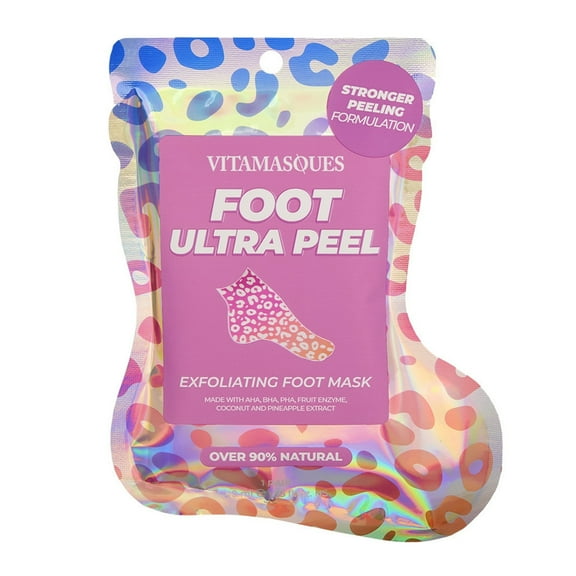
Weekly routines may include hair masks, exfoliating formulas, deep conditioners, or holiday beauty gift sets during seasonal planning. If you’re restocking for travel or guests, you can also add beauty supplies that support storage and application.
For quick mornings, you may want fewer steps with easy textures and straightforward shades. If you enjoy a longer routine at night or on weekends, you can add treatment-style formats and layered fragrance options.
You should measure how each item fits the time you actually have, not an ideal routine on paper. That approach helps you choose products you’ll keep using, which makes your routine feel more consistent and organized.
You can shop beauty products with more confidence when you compare skin type, hair concern, ingredient preferences, and routine timing together. That practical approach helps you choose makeup, skincare, hair care, and fragrance that fit smoothly into everyday life.